- All
- Abstract Sculptures
- Accessory Store Showcases
- Aesthetic design
- Animal Statues
- Anime Statues
- Audio Headphone Display
- Auto Dealership Furniture
- Baby Shop Design
- Backlit Onyx Counter
- Bakery Display
- Bakery Display Counter
- Bakery Display Showcases
- Bakery Furniture & Design
- Bakery Kiosk
- Bakery Tables
- Bakery Tray Racks & Trolley
- Bank Furniture
- Bar Counters
- bar kiosk
- Barber Kiosk
- Barbershop Display
- Bear Statues
- Beauty Counter
- Beauty Salon Design
- Beverage Kiosk
- Bike Shop Display
- Billiards Hall Fixtures
- Bistro, Bar & Tavern Counter
- Book Shop Display
- Boutique Store Display
- Bread Kiosk
- Bridal Shop Design
- Bronze Statue
- Bubble Tea Counter
- Bubble Tea Kiosk
- Bubble Tea Store Display
- Burger Kiosk
- Cafeteria Serving Counter
- Cake & Cupcake Kiosk
- Cake & Cupcake Store Displays
- Camera Store Display
- Candy Kiosk
- candy shop design
- Candy Store Display
- Cannabis Dispensary Design
- Cannabis Dispensary Displays
- Cannabis Display Cabinets
- Cannabis Display Counters
- Cannabis Display Shelving & Racks
- Cannabis Display Showcase
- Cannabis Display table
- Cap Kiosk
- Car Accessories Shop Display
- Cellphone Repair Kiosk
- Chocolate Kiosk
- Chocolate Shop Display
- Cigar Lounge Displays
- Clinic Design & Furniture
- Clothing Display Stands
- Clothing Kiosk
- Clothing Shop Design
- Clothing Store Display
- Coffee Kiosk
- Coffee Shop
- Coffee Shop Counter
- Coffee Shop Fixtures
- Commercial Kitchen Cabinets
- Computer Shop Display
- Convenience Store Display
- Cookies Shop Display
- Corn Kiosk
- Cosmetic Kiosk
- Cosmetic Store Display
- cosmetics store display
- Counterop Bakery Display Cases
- Countertop Cannabis Risers
- Countertop eyeglass displays
- Crepe Kiosk
- Custom Showcase
- Custom Statues & Sculptures
- Daycare Furniture & Display
- Diner Design & Fixtures
- Donuts Kiosk
- Drone Store Display
- Dry food display counter
- Dry Food Store
- Dry Fruit Shop Display
- E-Scooter Store Display
- Environmental-friendly material design
- eyebrow kiosks
- Eyebrow Salon Design
- Eyebrow Threading Kiosk
- Eyewear Kiosk
- Eyewear Storage Cabinets
- Fabric Store Display
- Fast Food Restaurant Counter
- Fast Food Shop Fixtures
- Fiberglass Chair
- Fiberglass Furniture
- Fiberglass Pebble Seats
- Fiberglass Planters
- Fiberglass Reception Desk
- Fiberglass Sculpture
- Fiberglass Tables
- Fiberglass Vase Planters
- Fishing Shop Display
- flower kiosk
- Flower shop design
- Flower Shop Display
- Food Kiosk
- food shop
- Frozen Yogurt Kiosk
- Fruit & Vegetable Shop Display
- fruit kiosk
- Game Store Display
- Gift Shop Display
- Glasses Counter
- Golf Pro Shop Display
- Gym Design & Furniture
- Hair Straightener Kiosk
- Handbag Store Display
- Hanging & Wall Planters
- Hardware Store Display
- Hat & Cap Store Display
- Hat Kiosk
- Home Appliances Store Display
- Home Decor Shop Displays
- Honey Shop Display
- Hookah Shop Design & Displays
- Hot Dog Shop
- Hot Dog Statues
- Hotel Buffet Counter
- ice cream cart display
- Ice Cream Display
- Ice Cream Display Counter
- Ice Cream Display Showcase
- Ice Cream Furniture
- Ice Cream Kiosk
- Ice Cream Sculpture
- Ice Cream Shop Counter
- Ice Cream Shop Fixtures
- Ice Cream Shop Fixtures
- Ice Hockey Shop Display
- Indoor Planters
- Jewelry Kiosk
- Jewelry Store Display
- Juice & Smoothie Bar Counter
- Juice & Smoothie Shop Fixtures
- Juice Kiosk
- Kids Clothing Store Display
- Kids Shoe Store Displays
- Kitchenware Shop Displays
- Laundry Shop Display
- Law Office Furniture
- LED Bar Counter
- Lego Store Display
- Lighting Store Design
- Lion Bronze Statues
- Luggage Store Display
- Makeup Store Display
- Makeup Studio Design
- mall kiosk
- Manicure Tables & Desks
- Men's Clothing Store Design
- Mobile Accessories Kiosk
- Mobile Phone kiosk
- Mobile Phone Shop Display
- Modular Pharmacy Shelving
- Modular Store Fixtures
- Museum Display
- Music Store Displays
- Nail Kiosk
- Nail Salon Display
- nut kiosk
- Nutrition & Supplement Store Display
- Optical & Sunglass Displays
- Optical Store Design
- Outdoor Food Kiosk
- Outdoor Gear Shop Display
- Outdoor Kiosk
- Outdoor Planters
- Paint Shop Display
- Pediatric Clinic Design
- Perfume Kiosk
- Perfume Shop Display
- Pet Grooming Salon Design
- Pet Industry
- Pet Product Showcase
- pet shop design
- pet store
- Pet Store Display
- Pharmacy Design
- Pharmacy Fixtures
- Phone Accessories & Repair Store Display
- Phone Kiosk
- Picture Frames shop
- Pillow Store Display
- Pizza Shop Display
- Planter Bench
- Popcorn Kiosk
- Reception Counter
- Rectangular Planters
- Restaurant & Food
- Restaurant Fixtures
- Restaurant Furniture
- Restaurant Partitions
- RMU
- salad shop display
- Salon Furniture
- Sanitary Shop Display
- Scarf Shop Display
- Shoe Statues
- Shoe Store Display
- Shoes Kiosk
- skin care booth
- skin-care shop
- Smoke Accessories Store Fixtures
- Smoke Shop Display
- Snack Shop Displays
- Sneaker Shop Display
- Socks & Hosiery Shop Displays
- Sport Shop Display
- Sports Shop Displays
- Stationery Shop Display
- Sunglass Kiosk
- Sunglass Shop Display
- Super Mario Statues
- Supermarket Display
- Surf & Skate Shop Displays
- Sushi Kiosk
- Sushi Shop Fixtures
- sweet kiosk
- Swimwear Store Display
- T-shirt Kiosk
- T-Shirt Store Display
- Tattoo Shop Design & Furniture
- Tavern & Bar Furniture
- Tea Store Display
- Teeth Whitening Kiosk
- Teeth whitening salon Design
- Tile Showroom & Store Display
- Tobacco Shop Display
- Toy Kiosk
- Toy Store Display
- Underwear Shop Display
- Vape Kiosk
- Vape Store Design & Displays
- Veterinary Clinic Design
- Waffle Kiosk
- Watch Kiosk
- Watch Store Display
- Wig Store Display
- Wildlife Statues & Sculptures
- Wine Shop Display
- Women's Clothing Store Design
- Yoga Studio Design
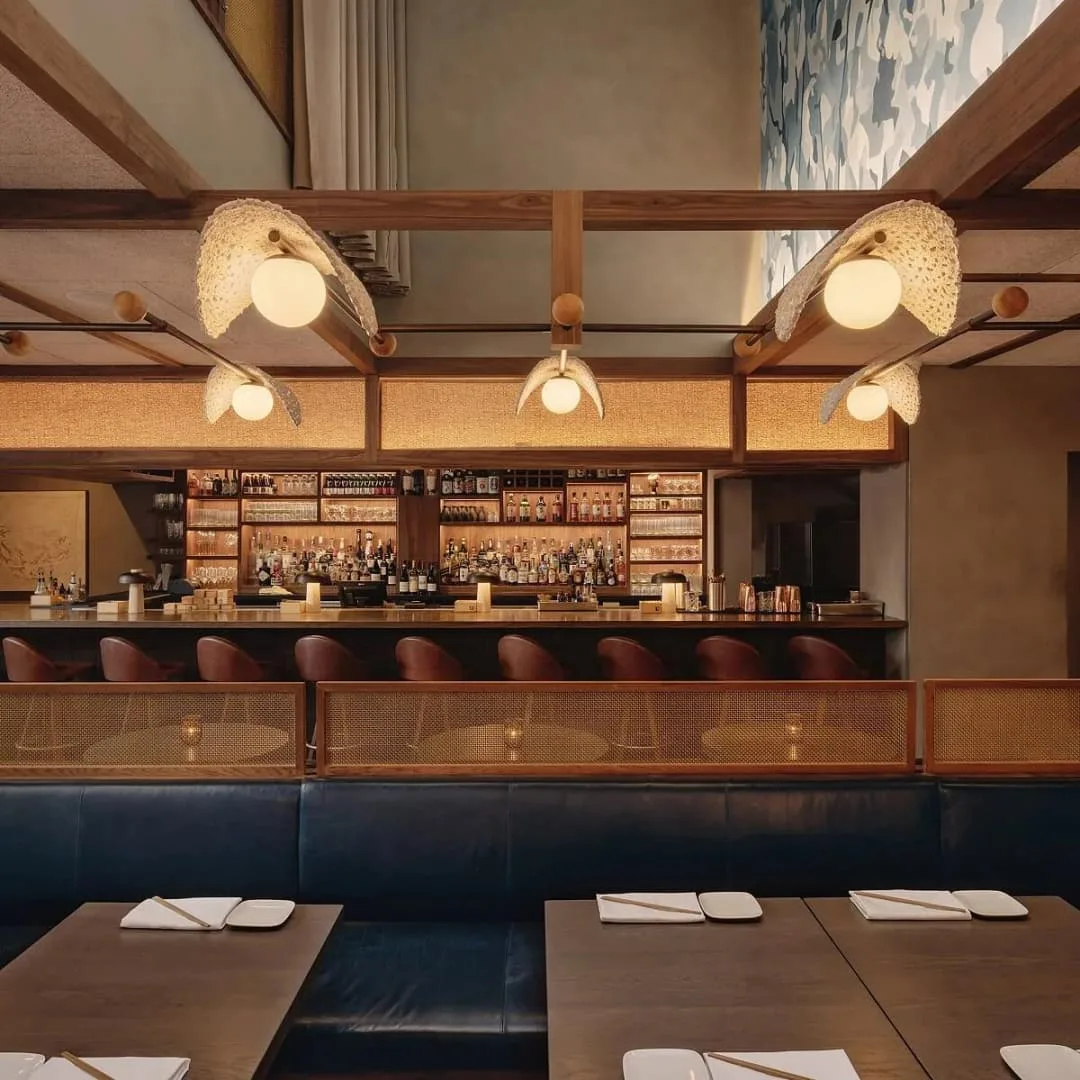
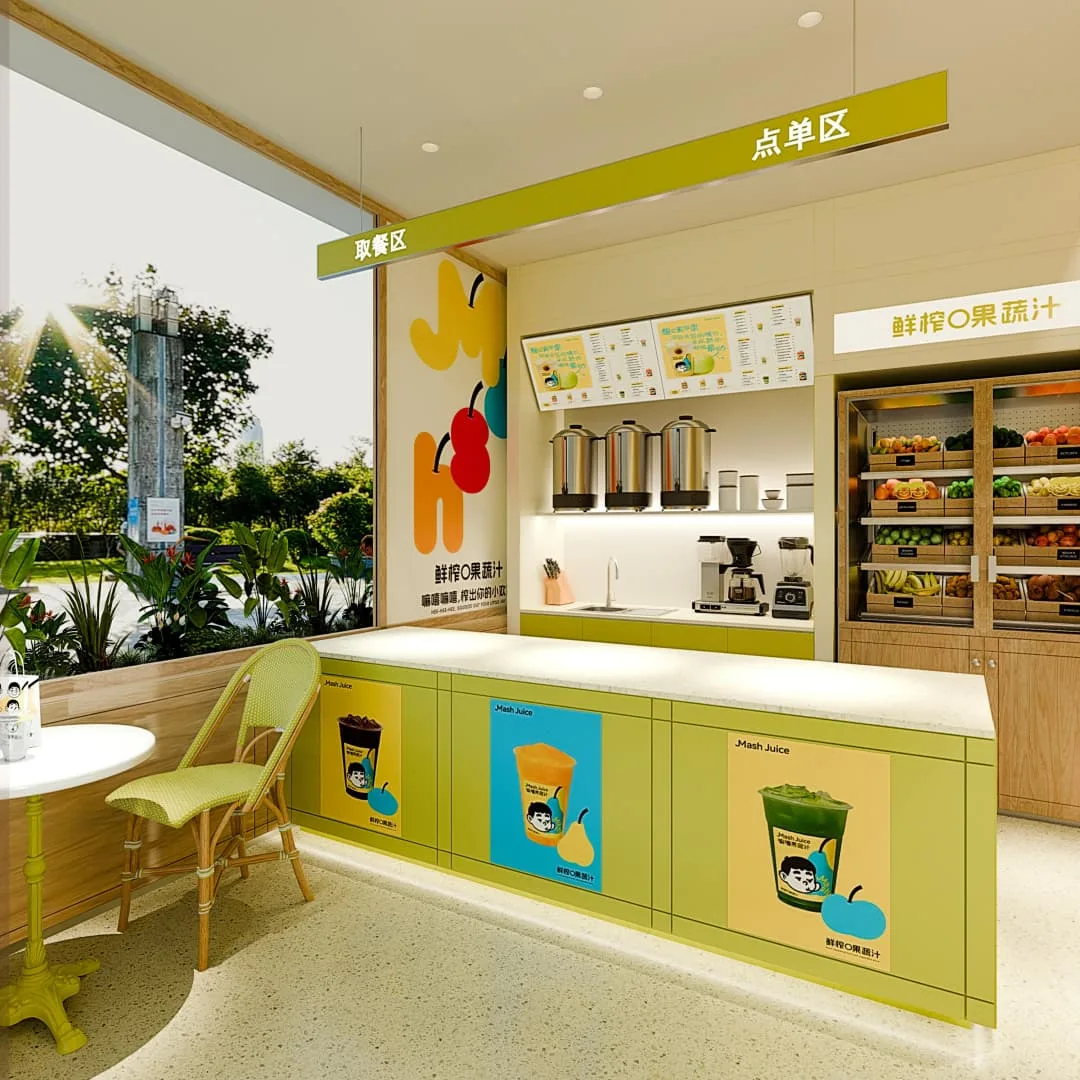
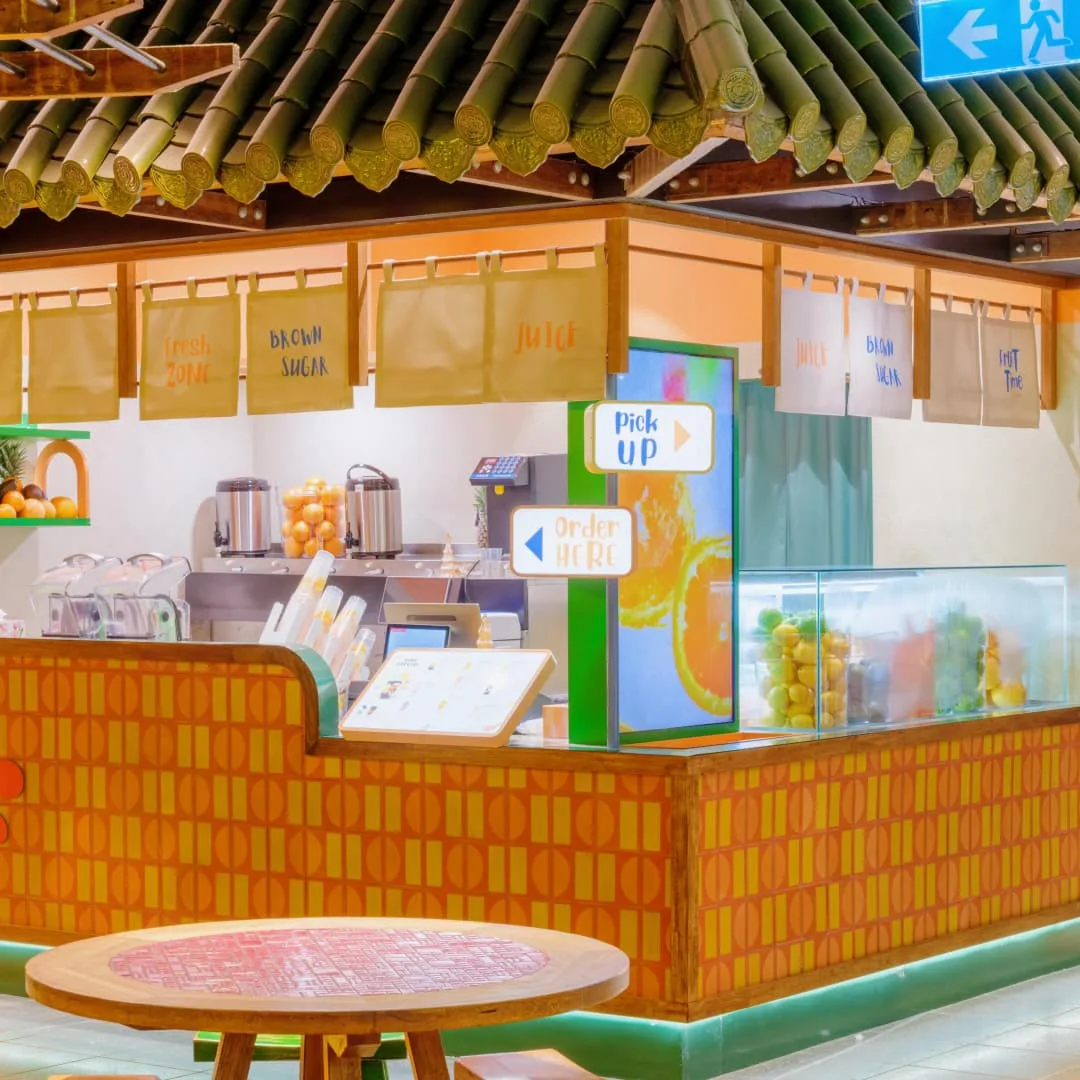

Functionality Precedes Aesthetics
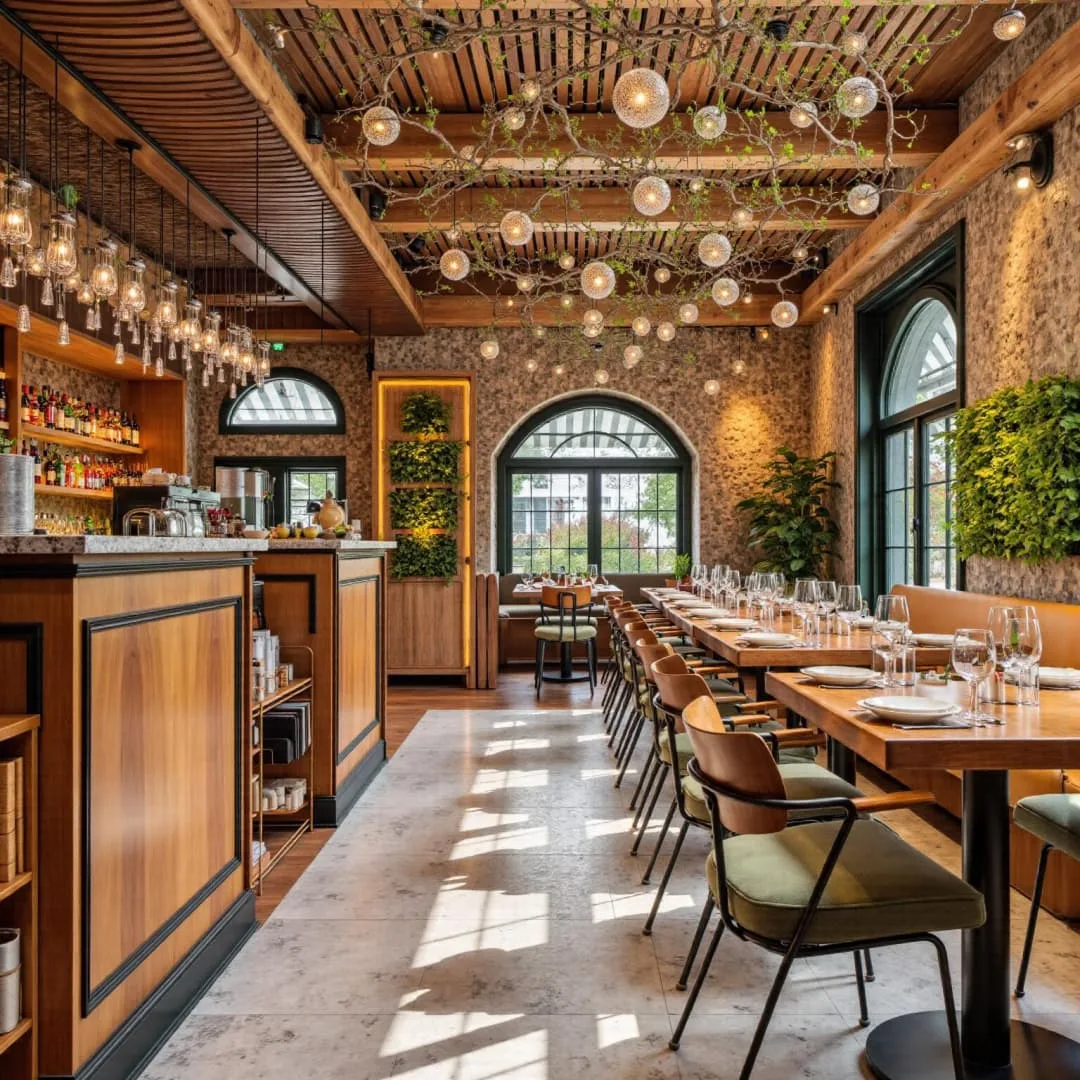
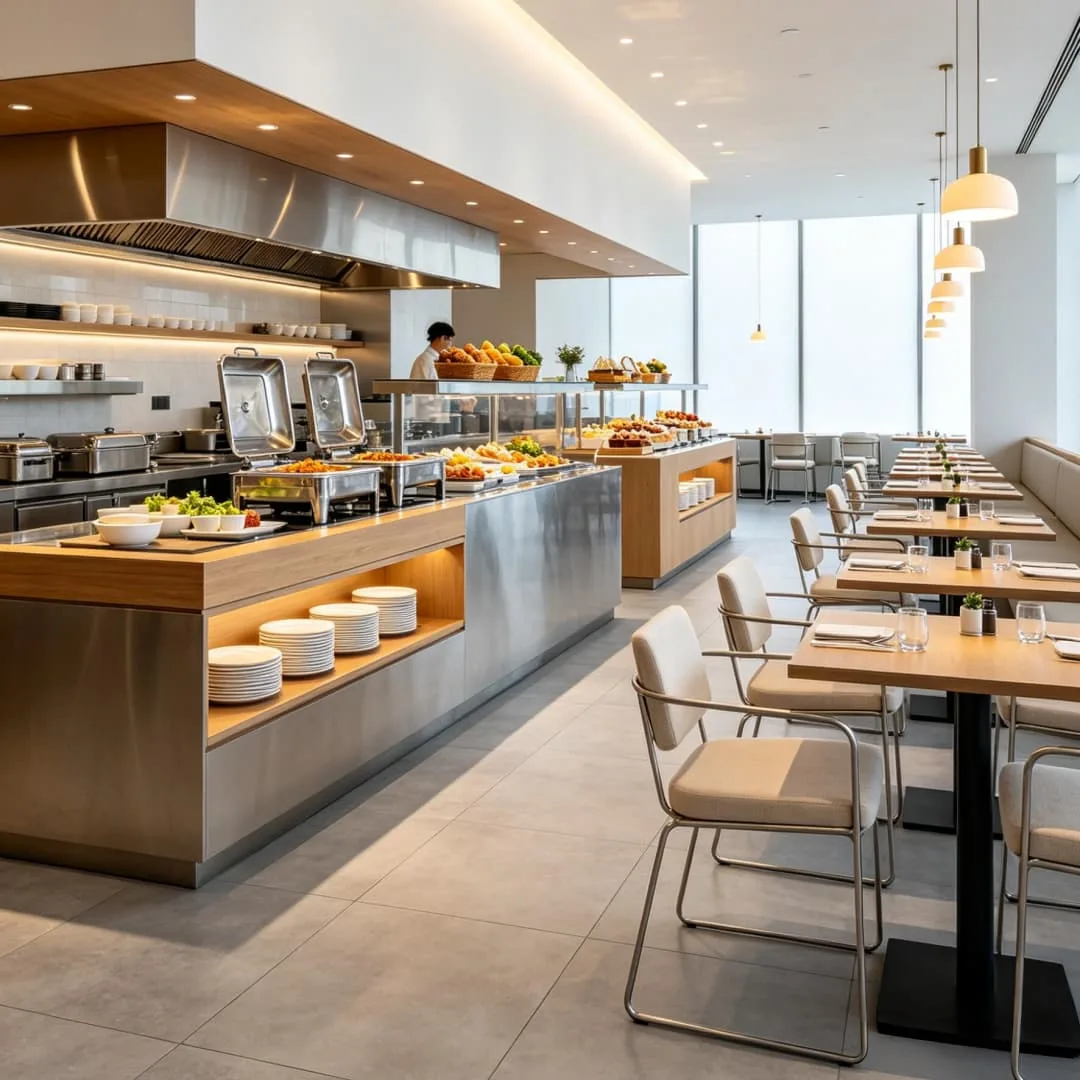
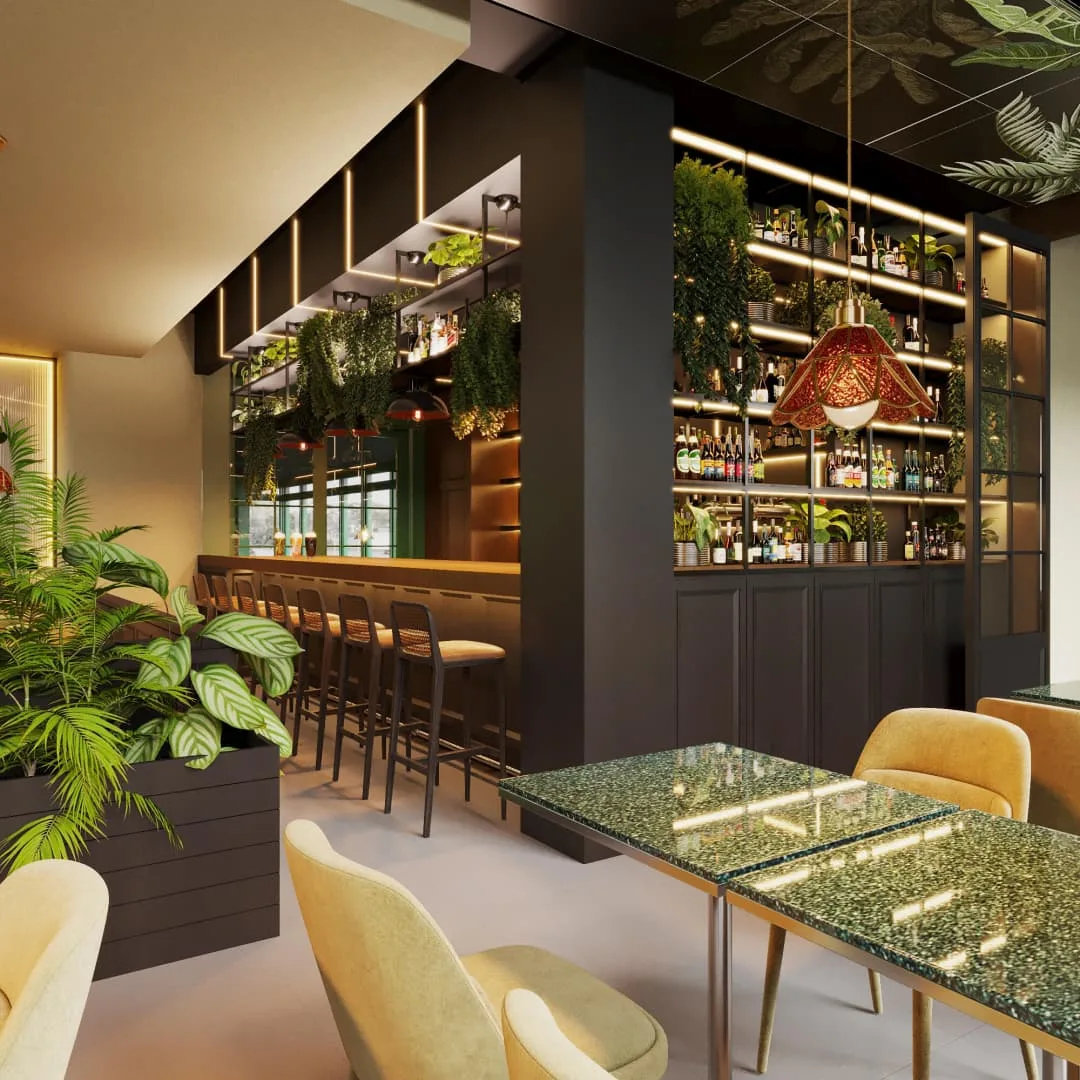
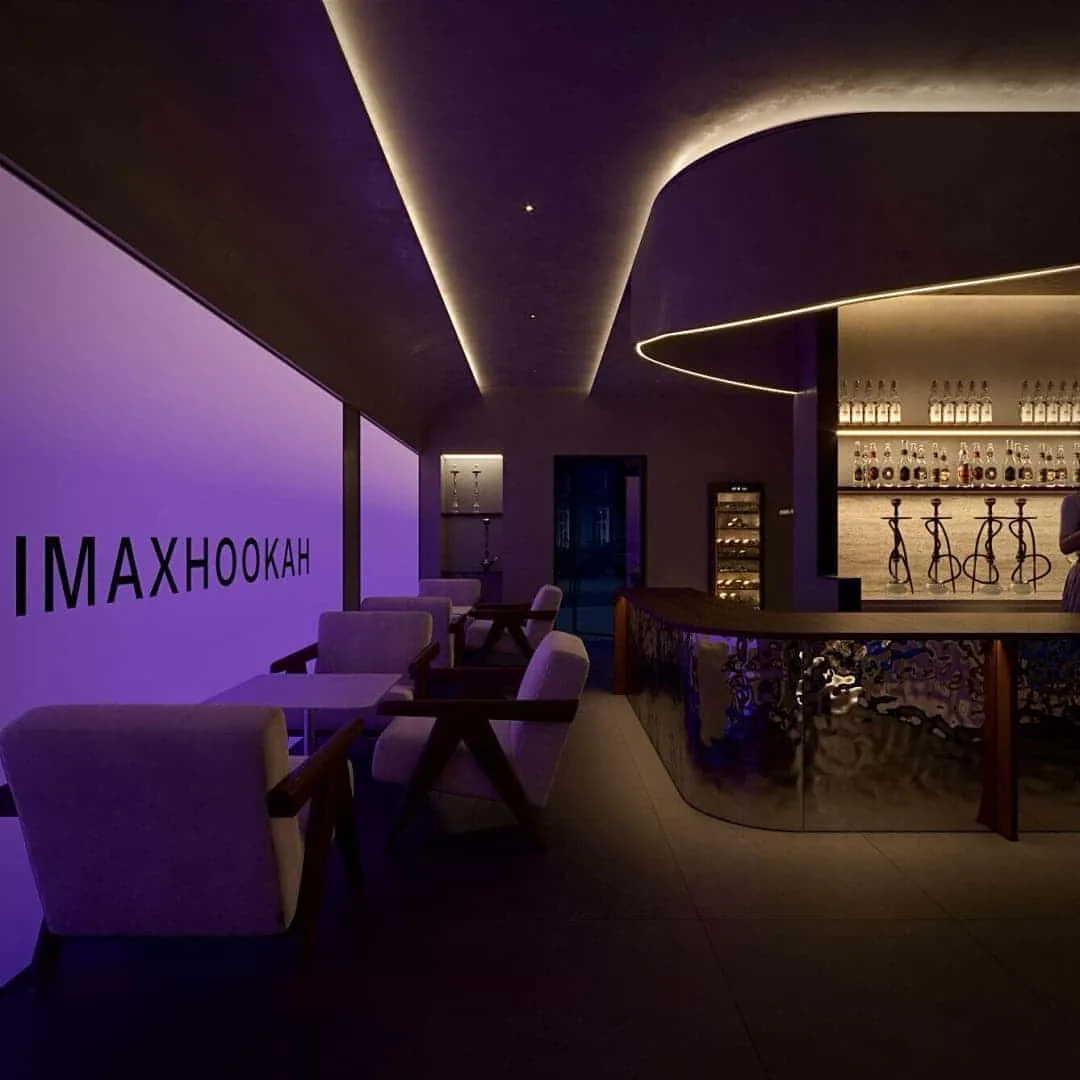
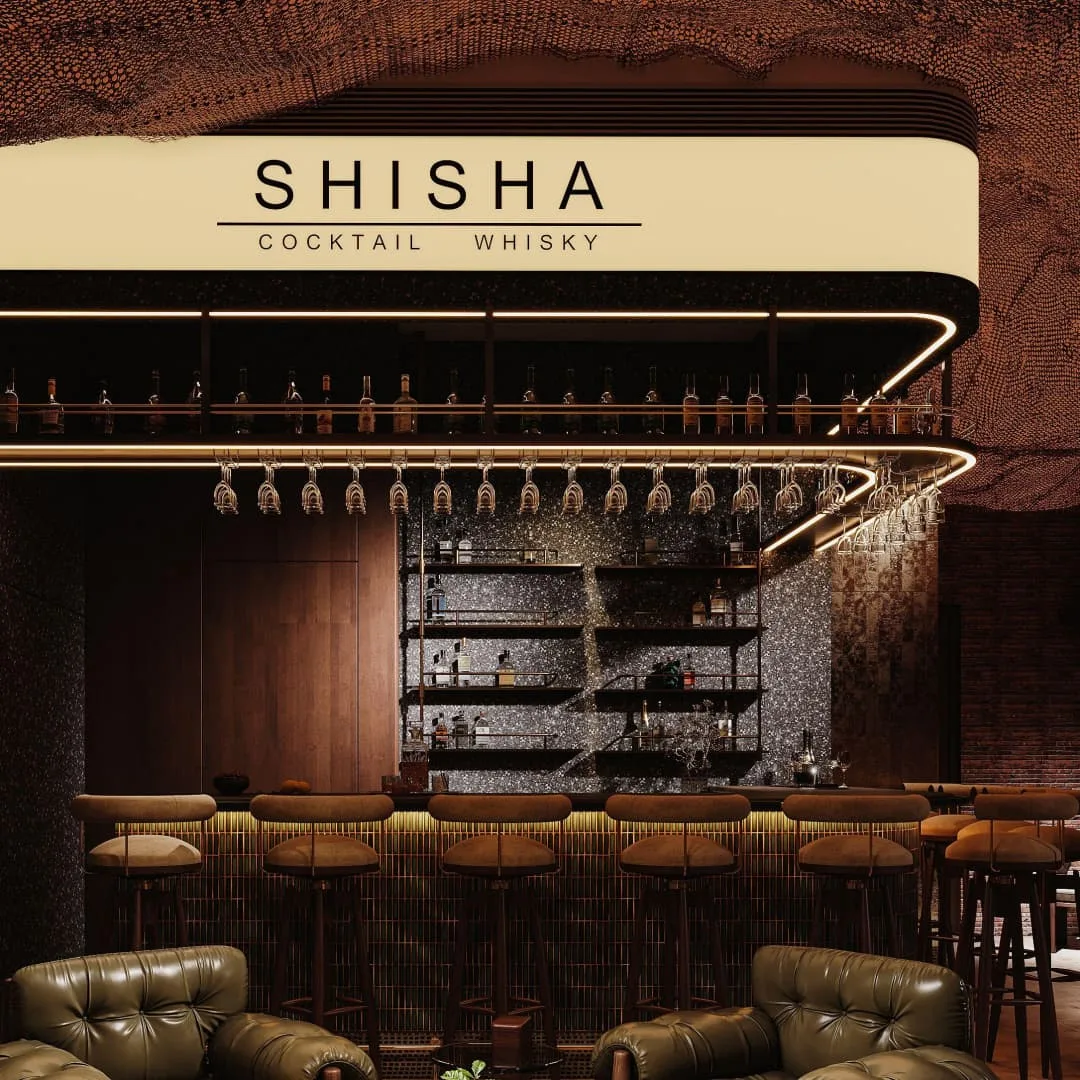
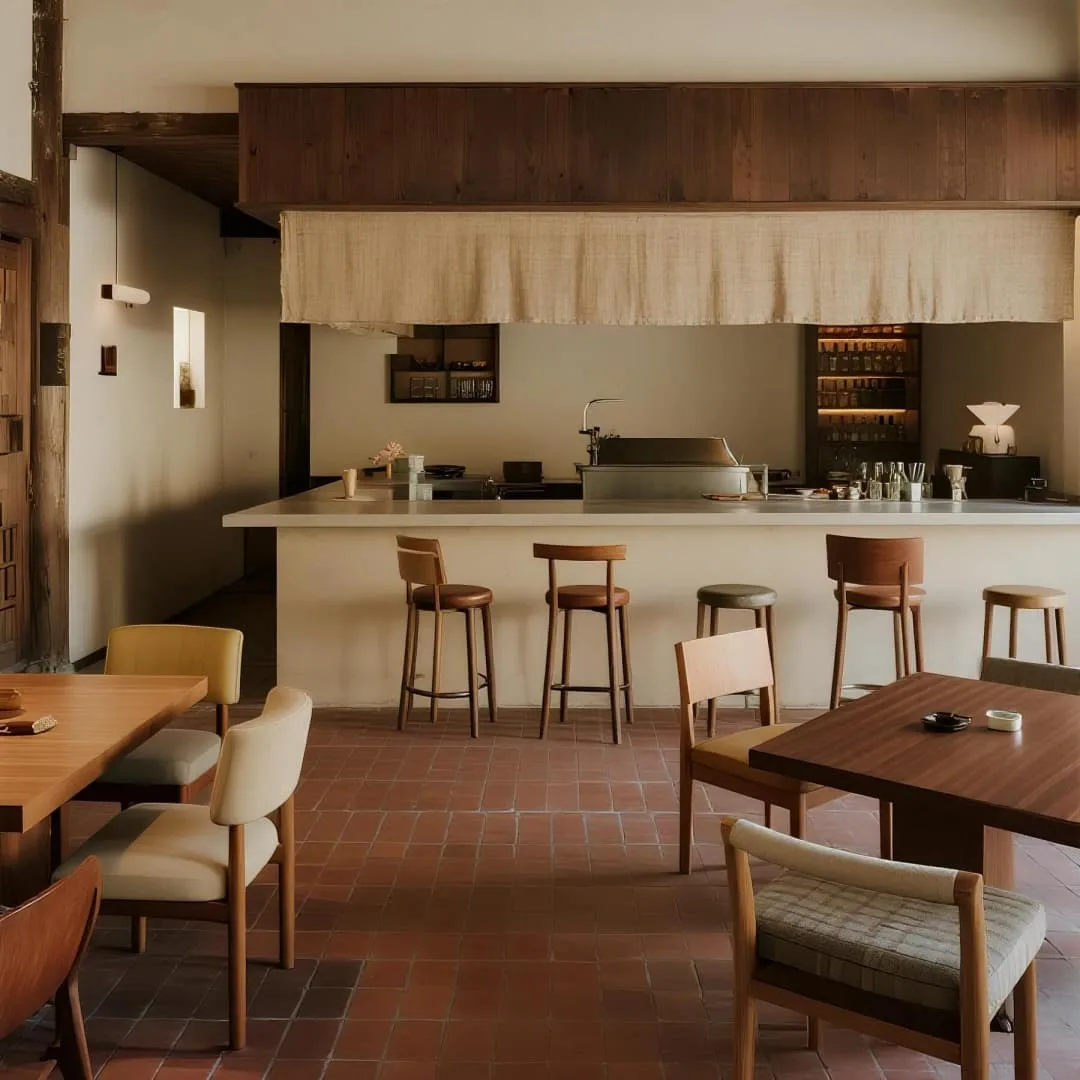
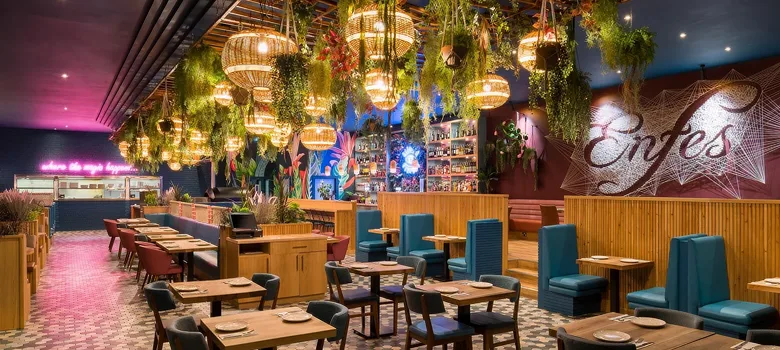
In the world of hospitality, the realm of interior design has changed from a decoration to a genuine business strategy in its own right. Designing a food venue & bar successfully is a conscious arrangement of space, materials, and sensory experiences that support guiding customer behavior and staff performance while maintaining profitability. Function is the most critical component of an applied food venue or bar design approach. If your space is gorgeous, but your guests cannot flow, staff cannot perform, or the surfaces that are designed to help the guests and staff keep breaking down from the grind of business, the design will not be successful.
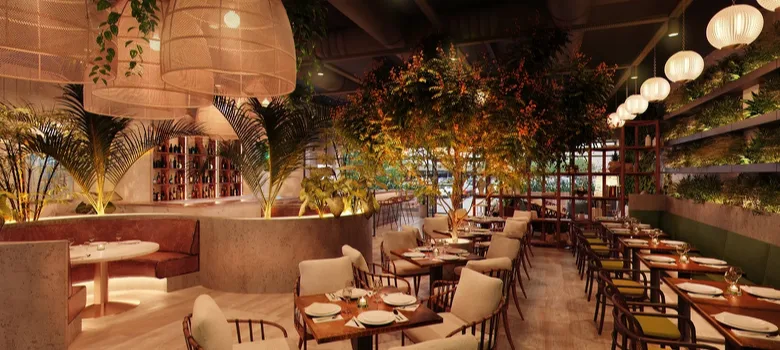
Design Brand Alignment
In the space of restaurant & bar interior design, brand and aesthetic are not separate factors, instead they work together as a pair. Every design element should read brand. A family-friendly diner, and a speakeasy-inspired bar, require very different approaches, a good design will always ensure that every aesthetic decision supports the brand, and inconsistencies create customer confusion. Before selecting a color or deciding on fixture furniture, be clear on the venue’s brand and position, this position will determine aesthetic decision making, there are no “one-size-fits-all” design, only designs that work for your brand.
Furniture and Fixtures: The Sensory Layer
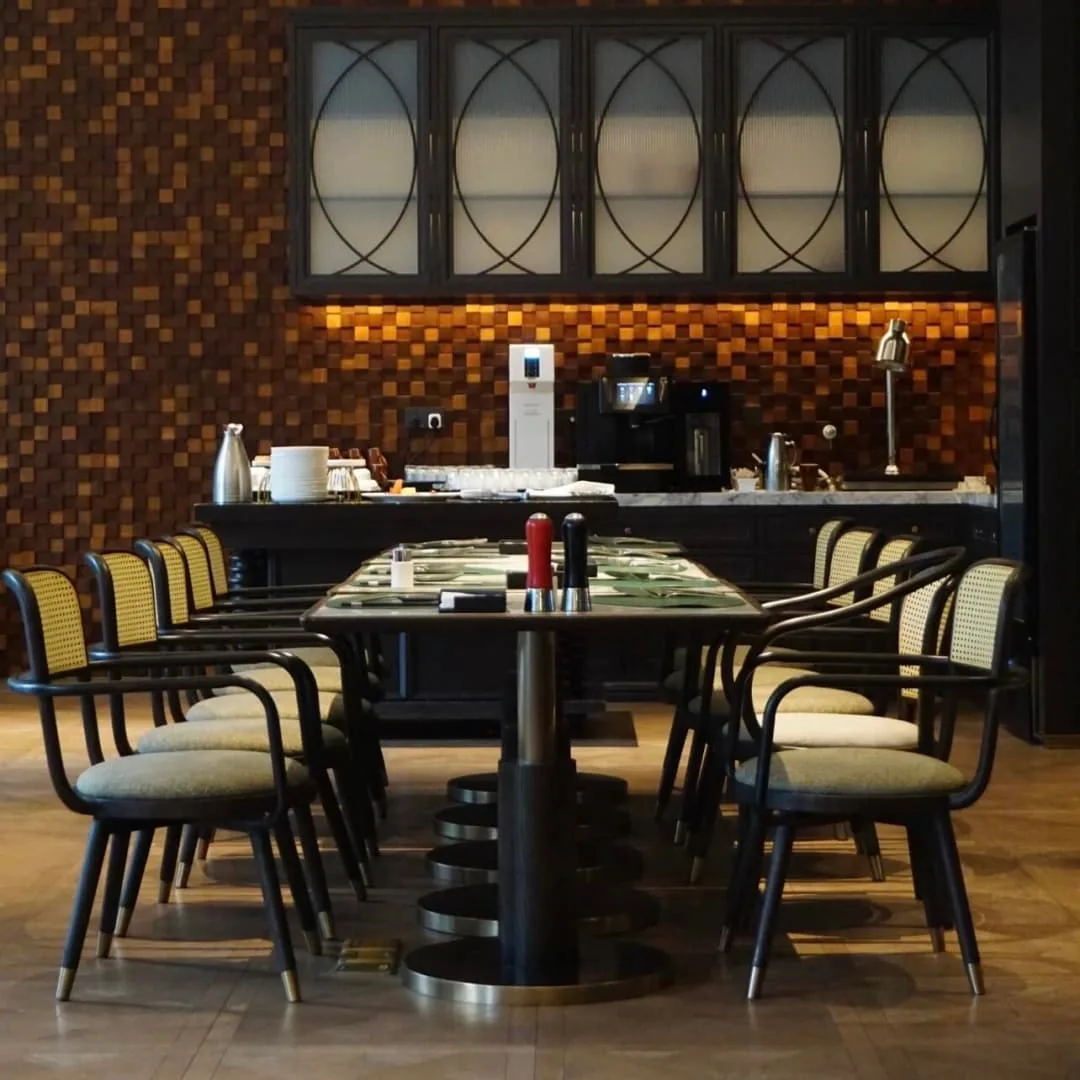
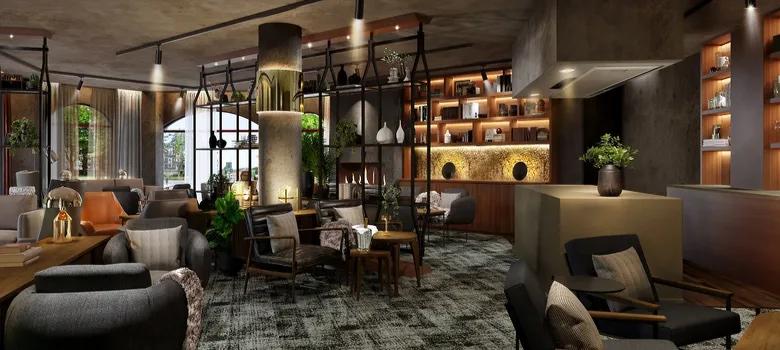
When considering each piece of furniture, it must be assessed for both form and function. Tables, bar tops, and counters are the most contacted. The decision of hardwoods, quartzite, solid surface, or laminated metals depends on desired look, care and maintenance, and lifecycle cost. A gastropub that is family friendly will require extremely durable, stain-resistant surfaces, while a fine-dining restaurant might choose furnishings that demonstrate luxury. Chairs should provide comfort based on expected length of time spent on the meal, yet not so deep that it invites leisurely relaxation that does not encourage turnover. Table sizes and table height are typified for simple operations, and can be configured in numerous combinations of height and size.
Start Your Business
Restaurant & bar interior design is not simply putting together a space that looks nice— it’s using the aesthetics to tell your brand’s story. First, define your brand positioning (casual, upscale, niche, etc.); second, make that brand positioning into touchable experiences for guests through color, fixtures, furniture, lighting, and decor; and finally, be consistent across every guest touchpoint—and you will have a successful space your customers will remember and come back to. Part of a well-developed design should be more than just visuals; a great design will help guide guest behavior, elevate team performance, build customer loyalty to your brand, and create a true competitive advantage for your business. Contact us so we can work with your floor plan and branding ideas to make 3D design and turn your concept into reality!
gzbensonkiosk@gmail.com