
Candy Display Stands, Racks
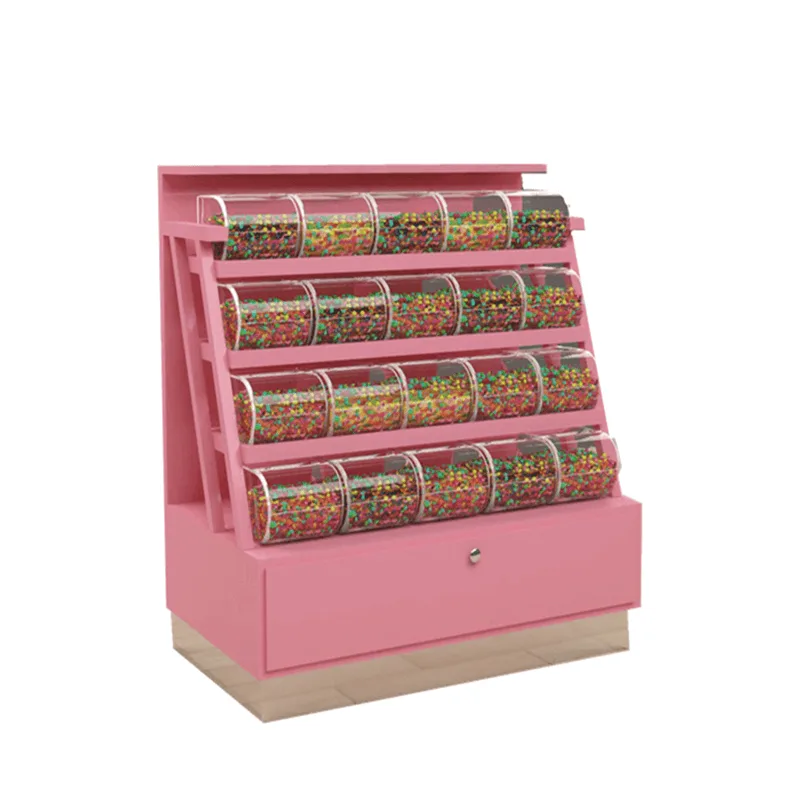
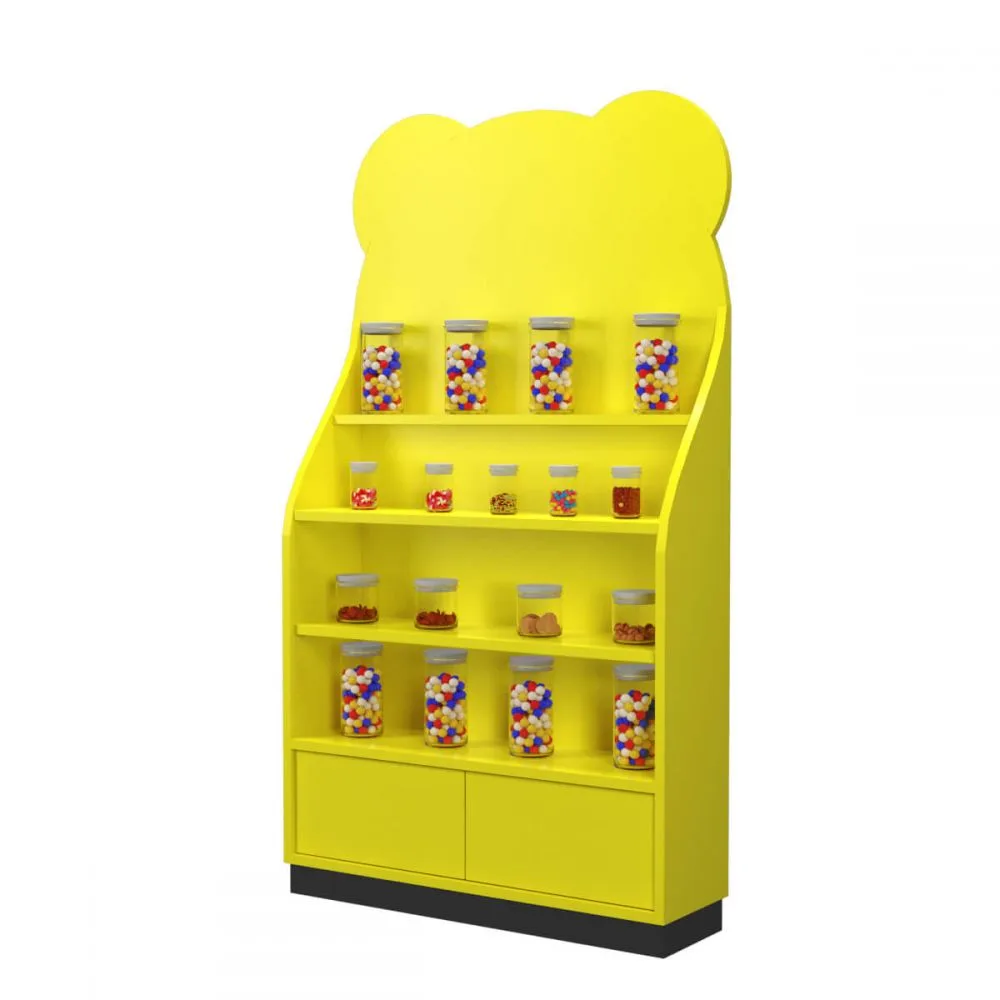
People of every age group have consistently preferred candy. It brings joy to children. The equipment used for candy display holds significant importance. An eye-catching candy display stand successfully draws customers toward your products by capturing their attention. Retail furniture in the form of candy display stands offers a specialized design to showcase multiple candy products in both appealing and approachable ways. These display stands serve as the foundation of candy sales by transforming simple displays into visually appealing setups for customers. The design of candy display stands considers candy’s distinct properties which include their small sizes and colorful packaging along with the need for customer access convenience unlike ordinary shelves. The vibrant candy display stands create a sweet experience for customers that matches the candy itself. RTDidplay features several different types of candy display cabinets. Every type of candy you choose to sell enables you to create a memorable experience for your customers.


Original price was: $2,100.00.$1,800.00Current price is: $1,800.00.
14% Off




Original price was: $800.00.$580.00Current price is: $580.00.
28% Off


Original price was: $1,000.00.$800.00Current price is: $800.00.
20% Off

Original price was: $251.00.$250.00Current price is: $250.00.
0% Off
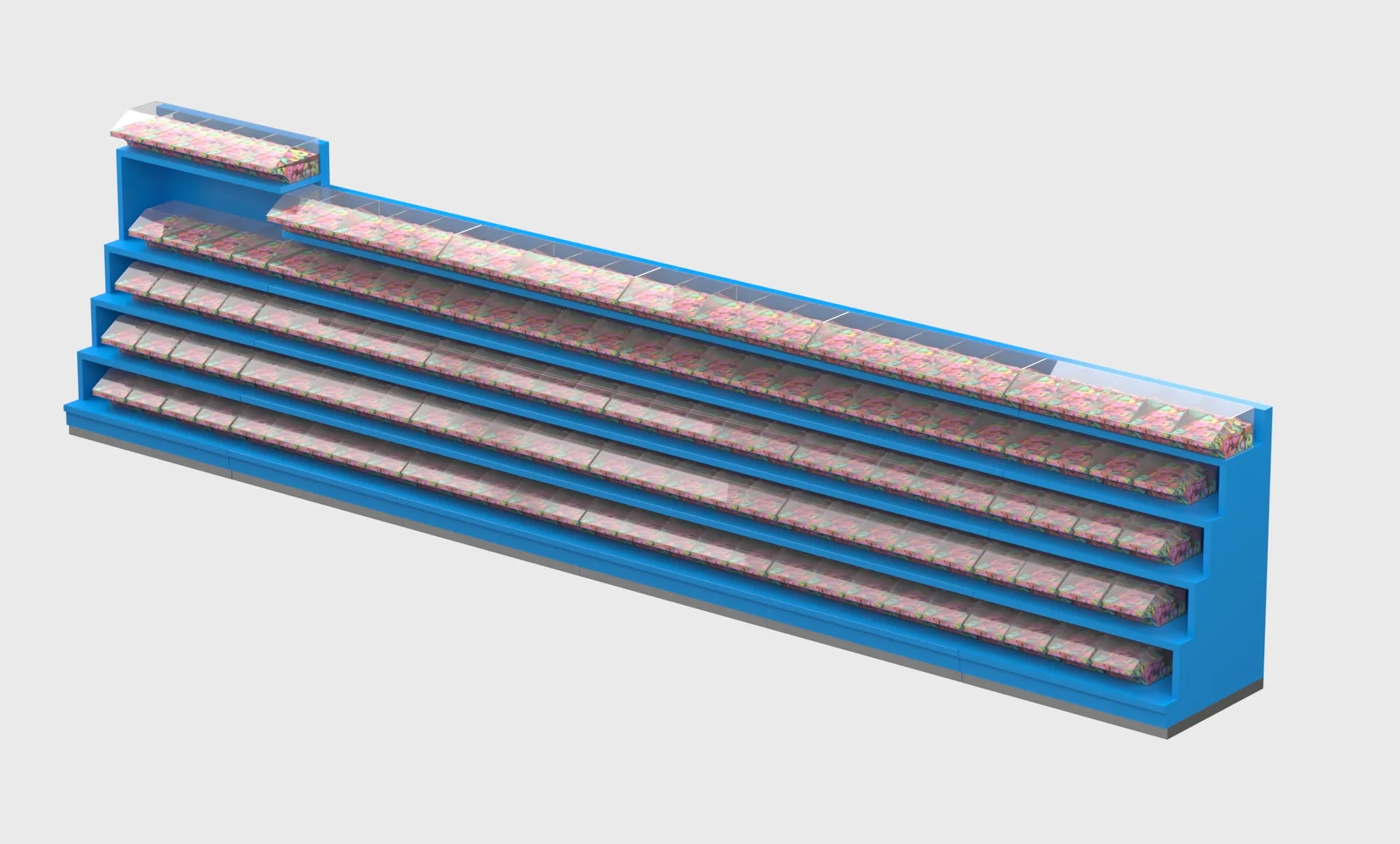
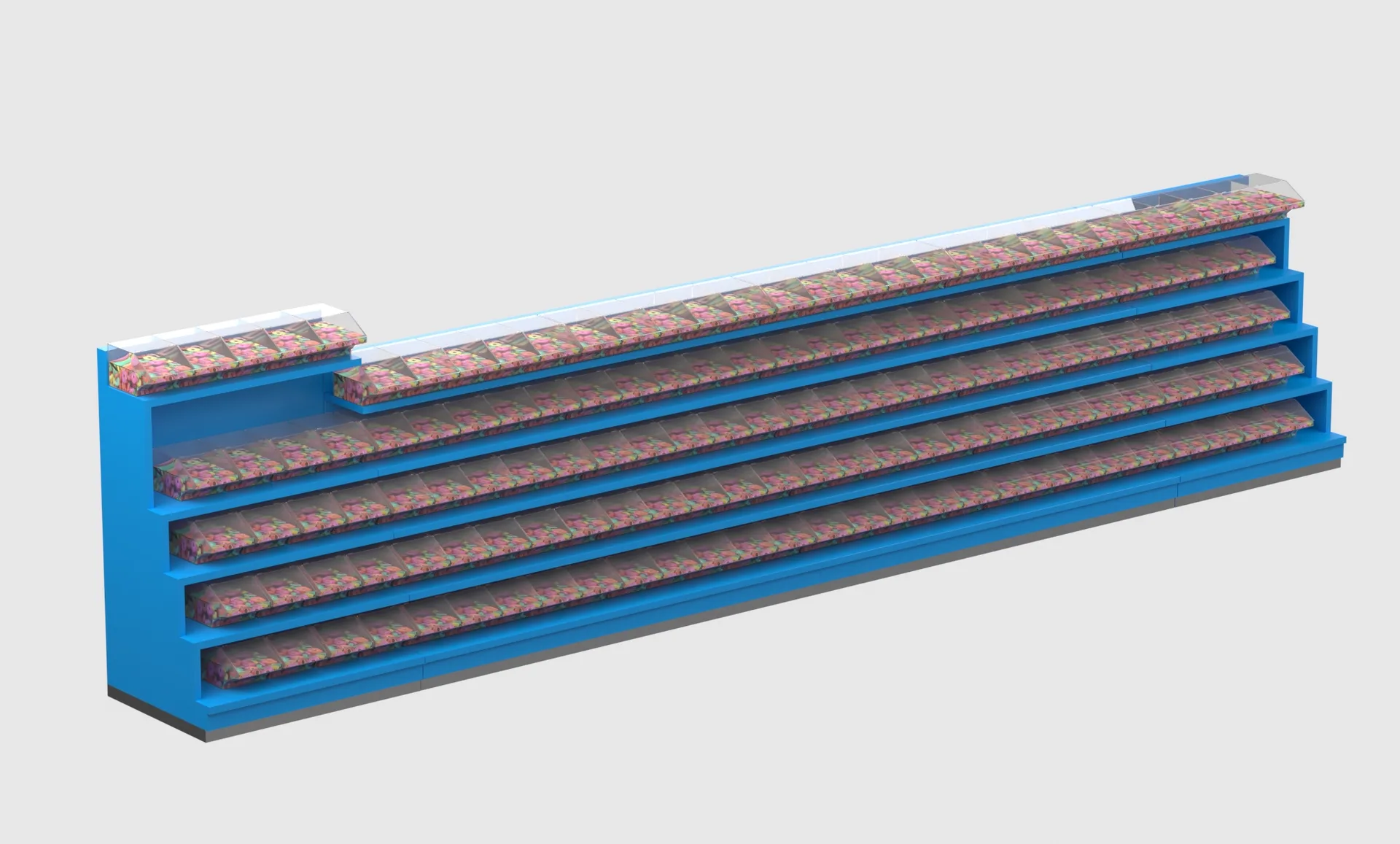
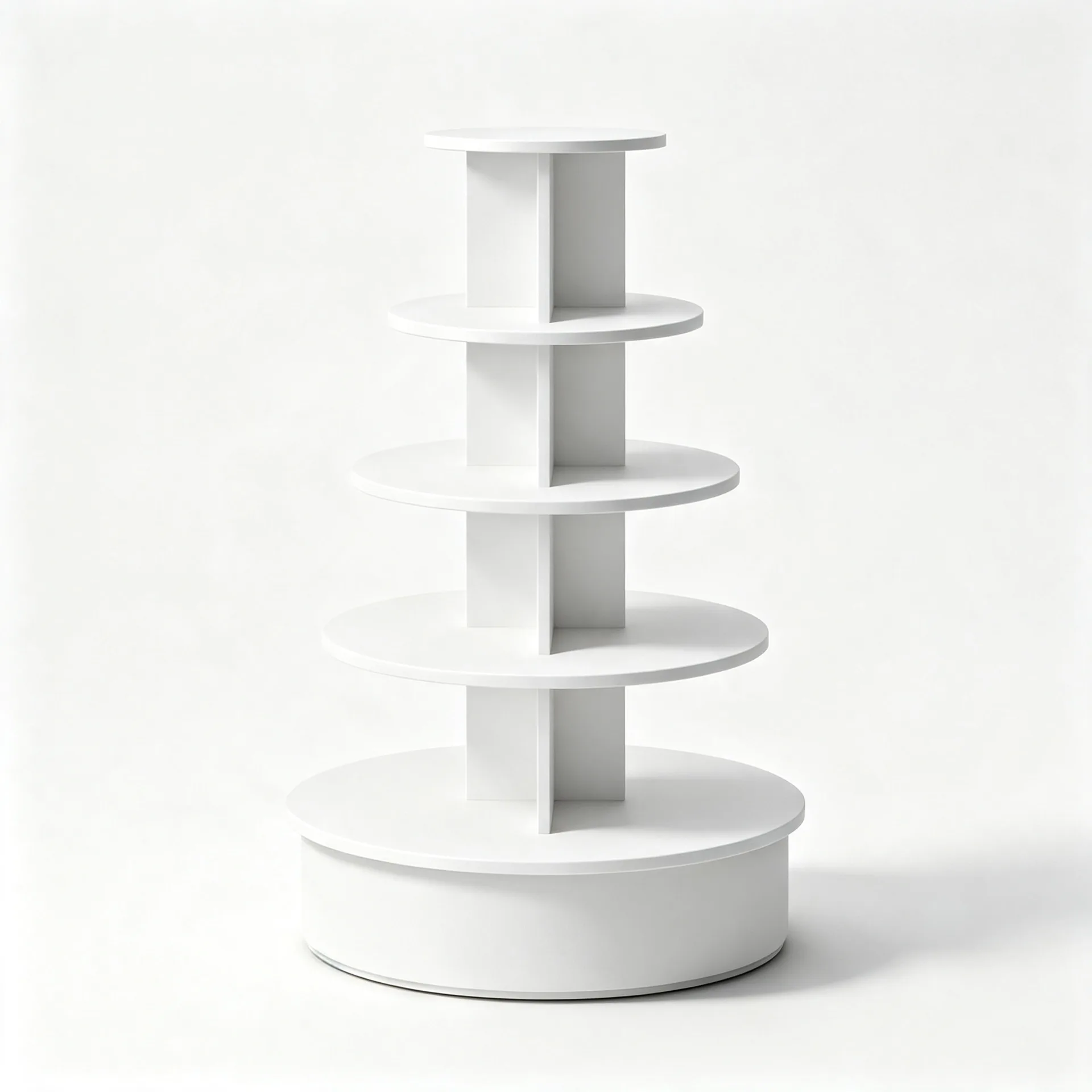
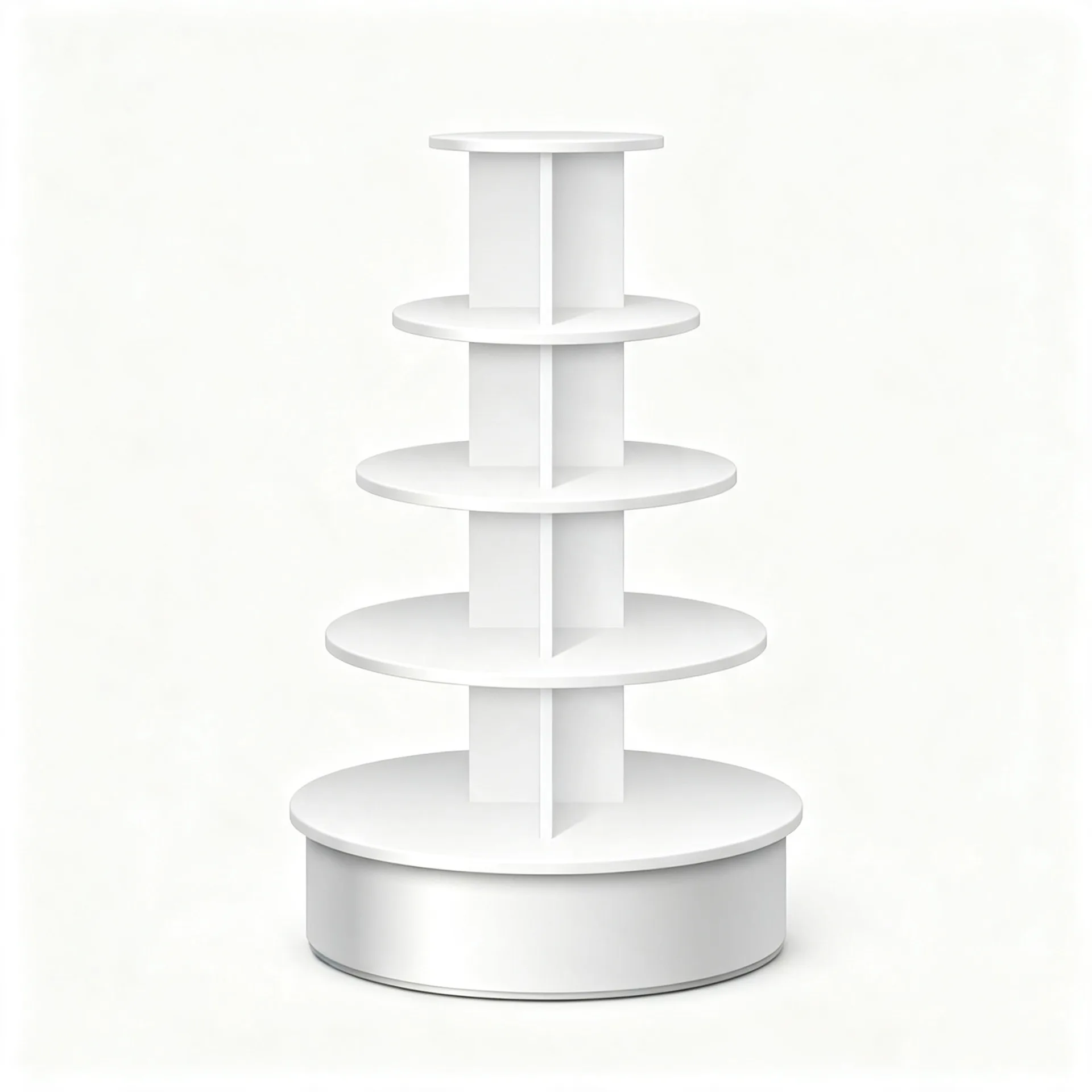
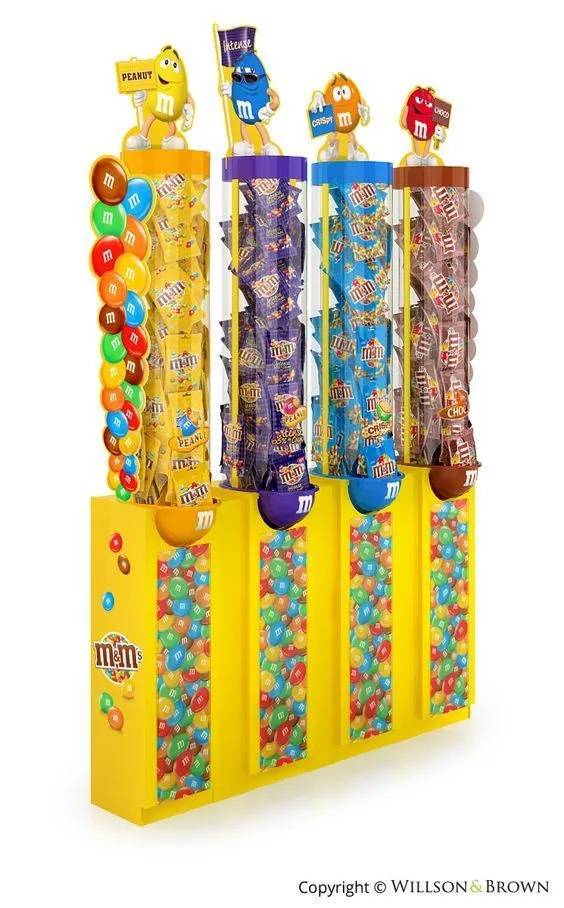
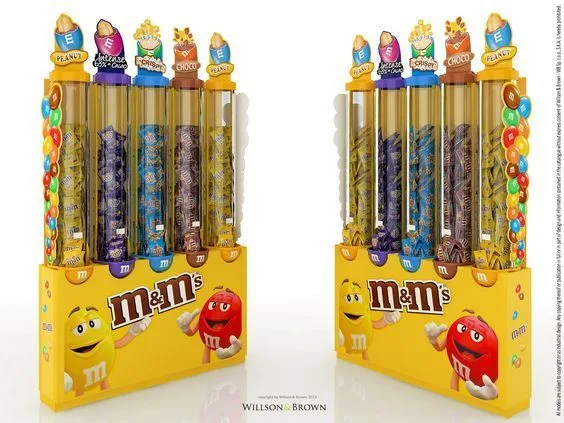
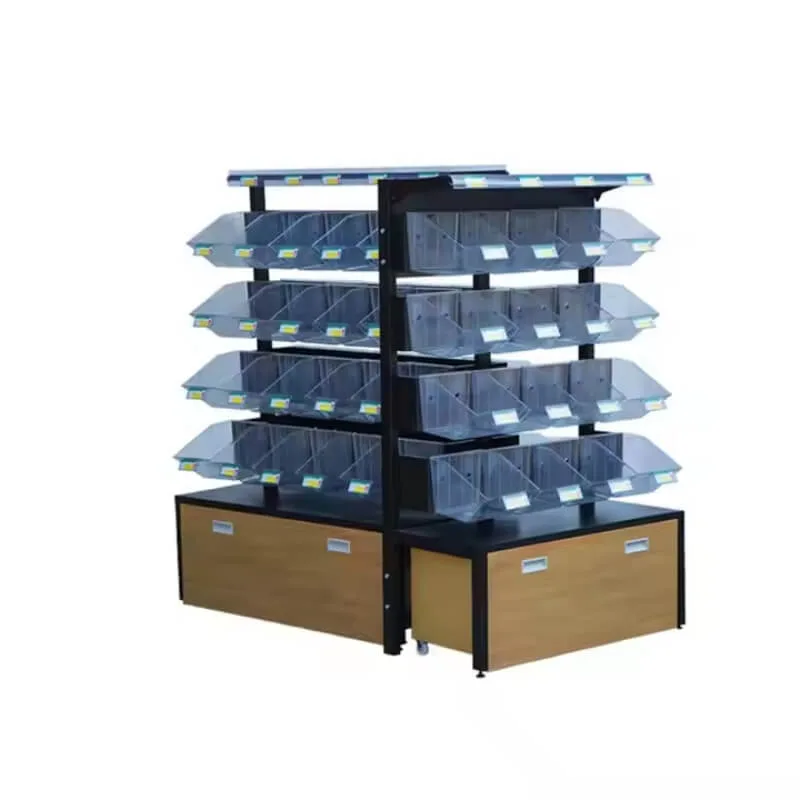
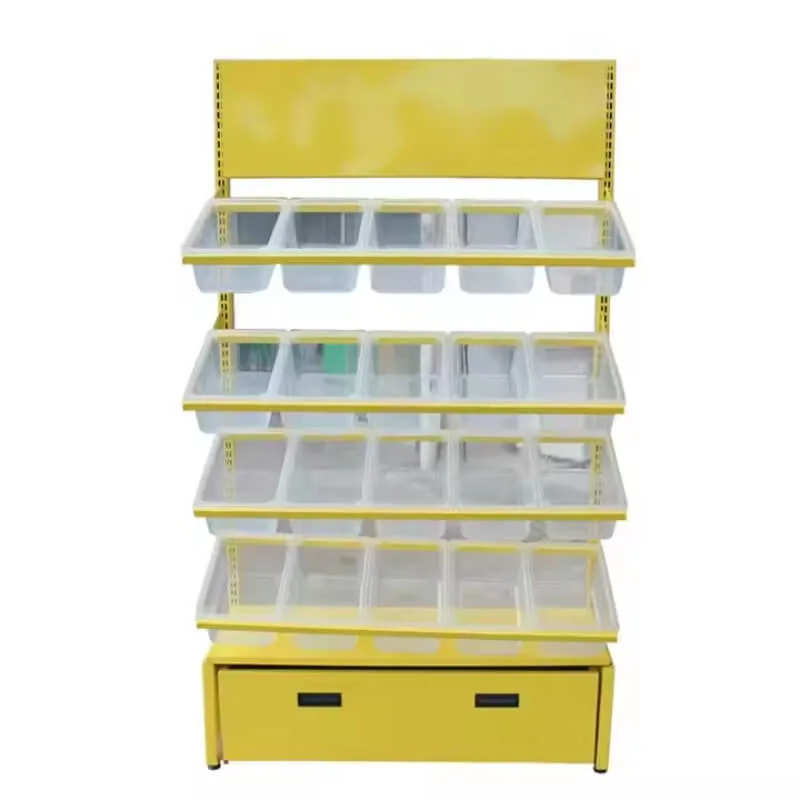
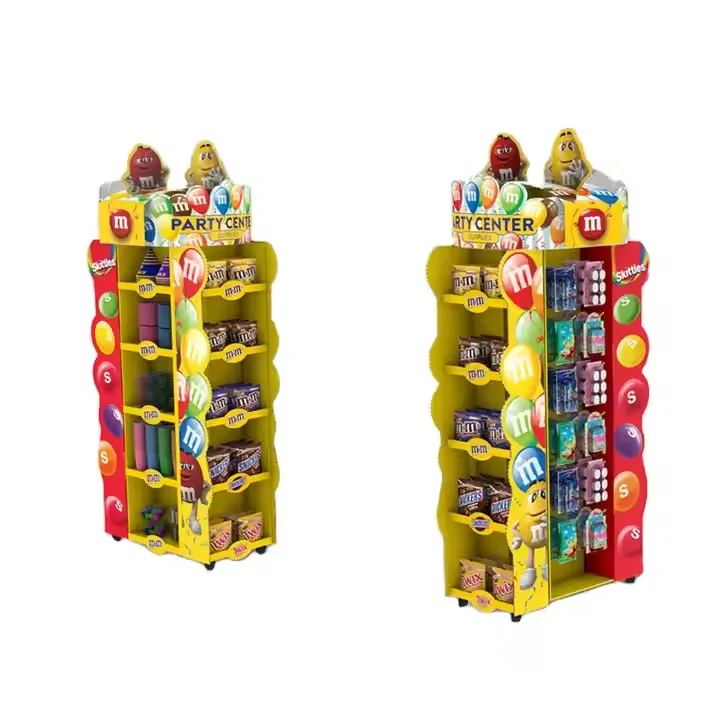
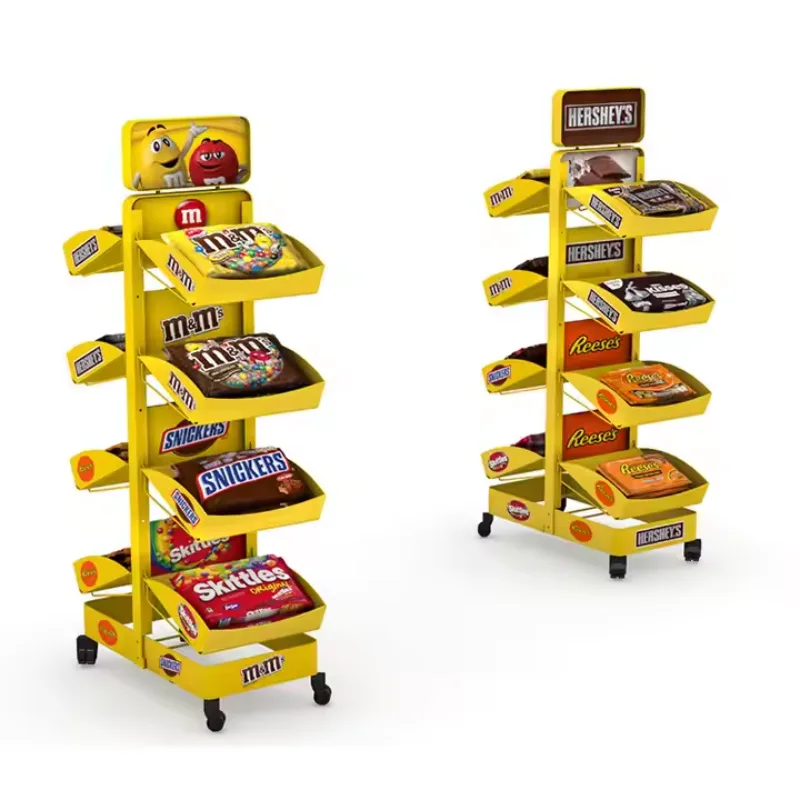
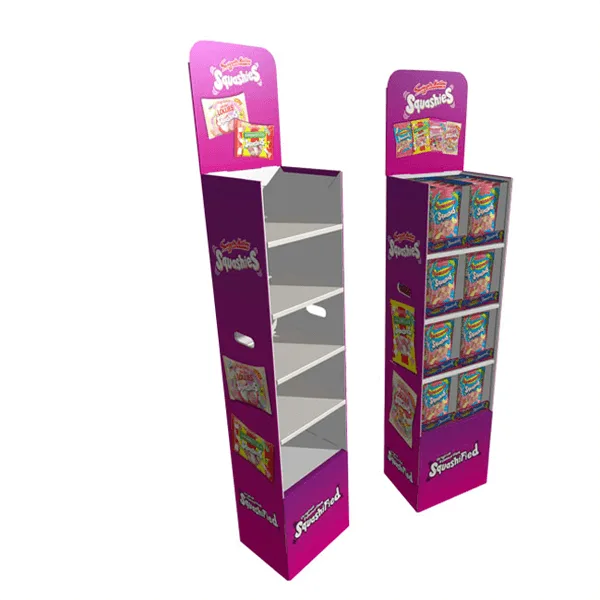
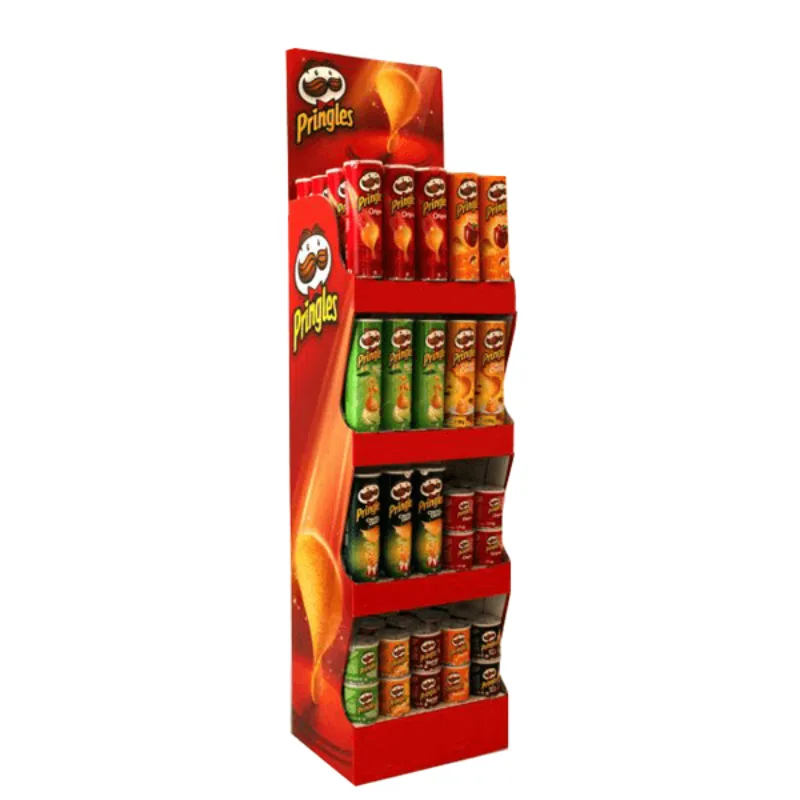
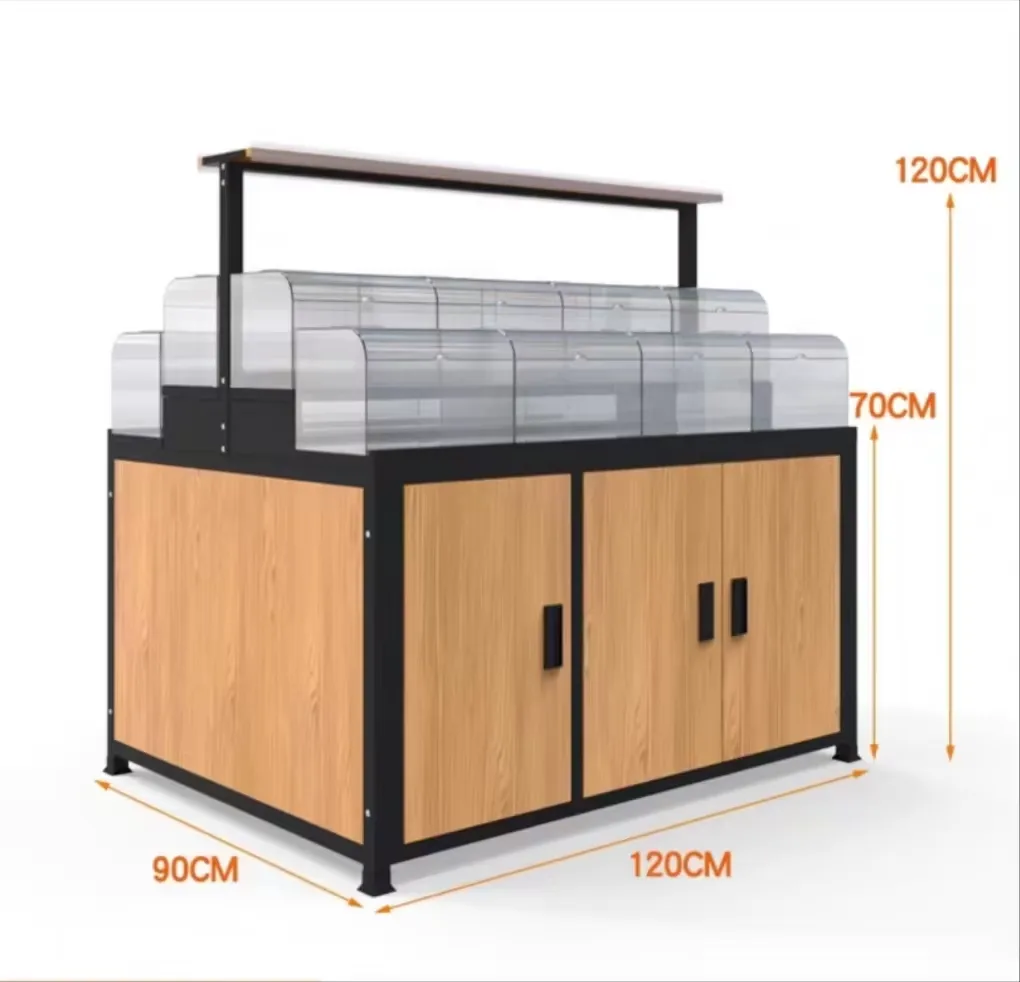
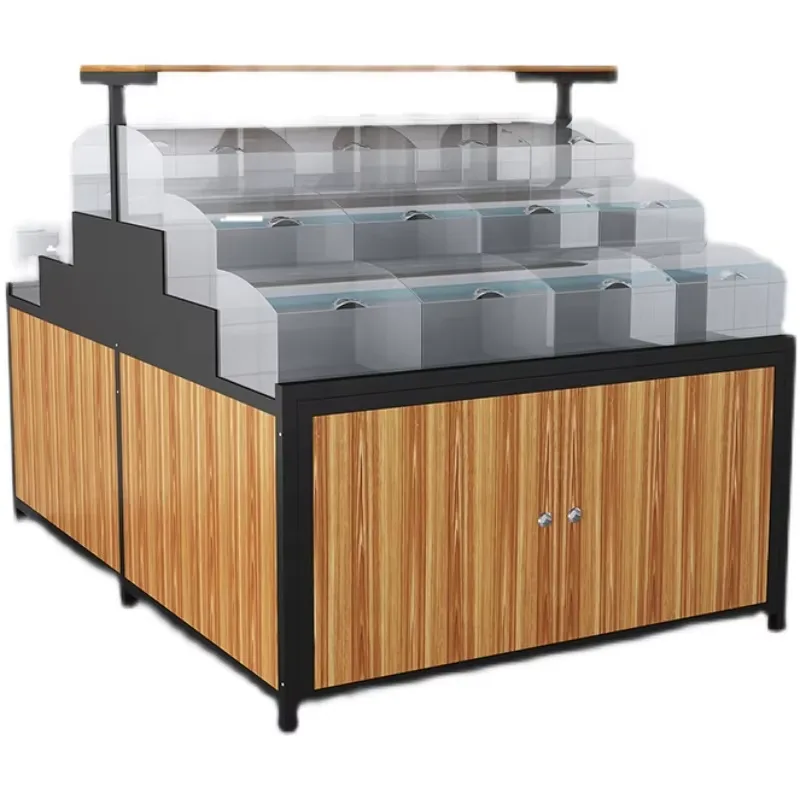
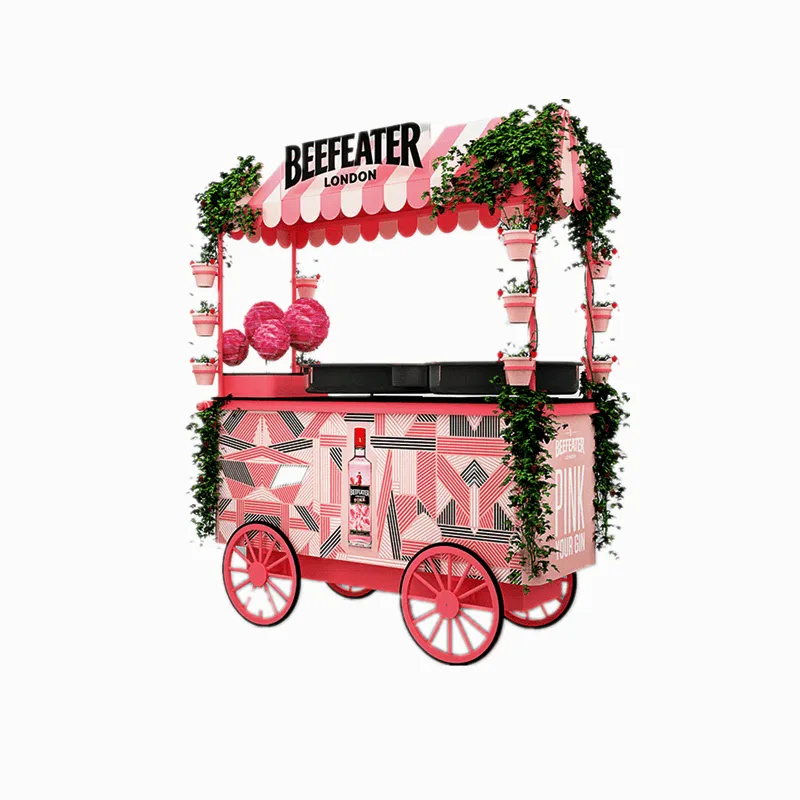
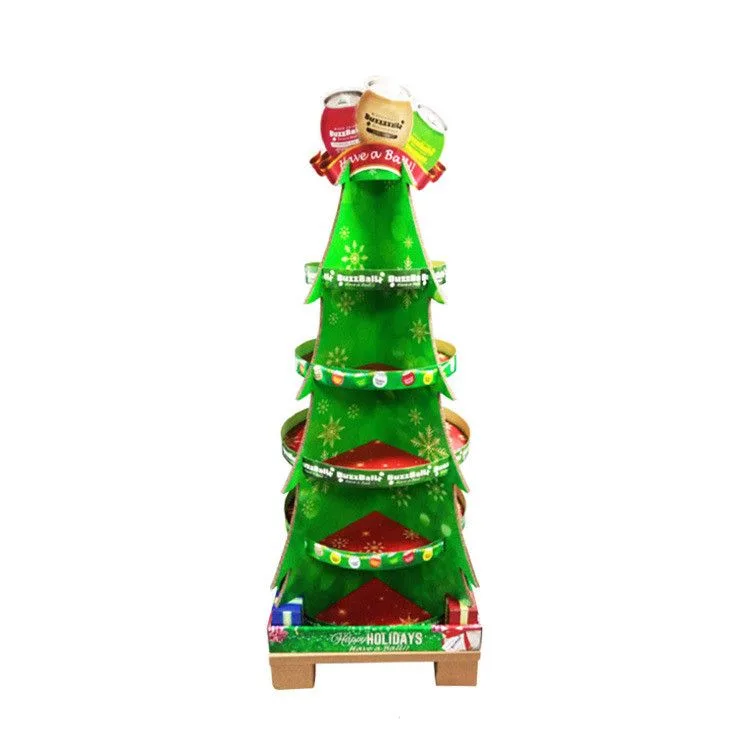
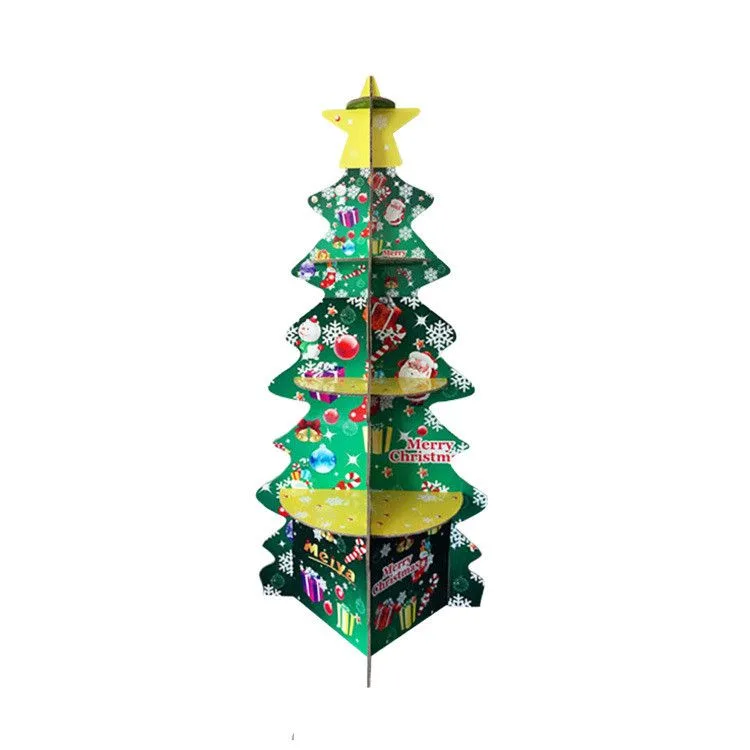
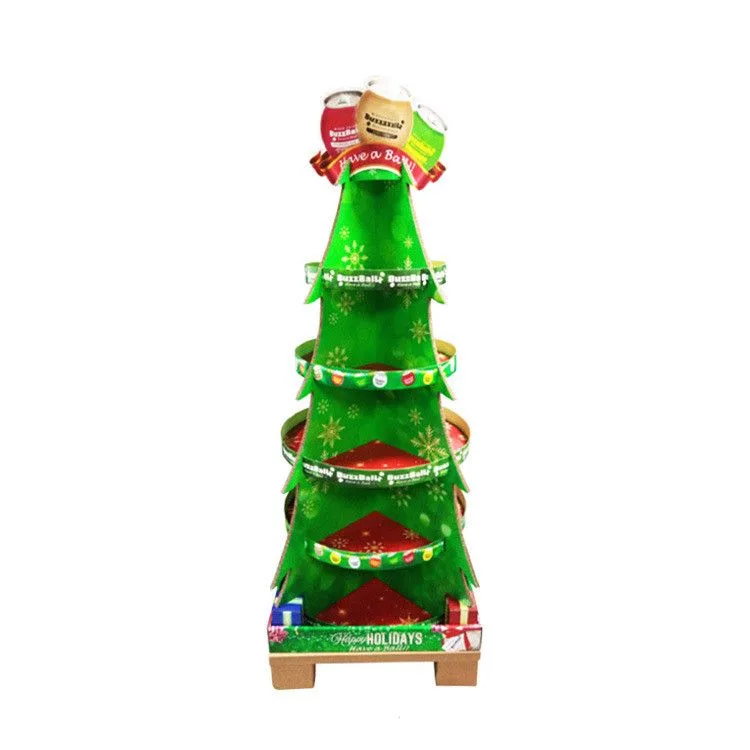
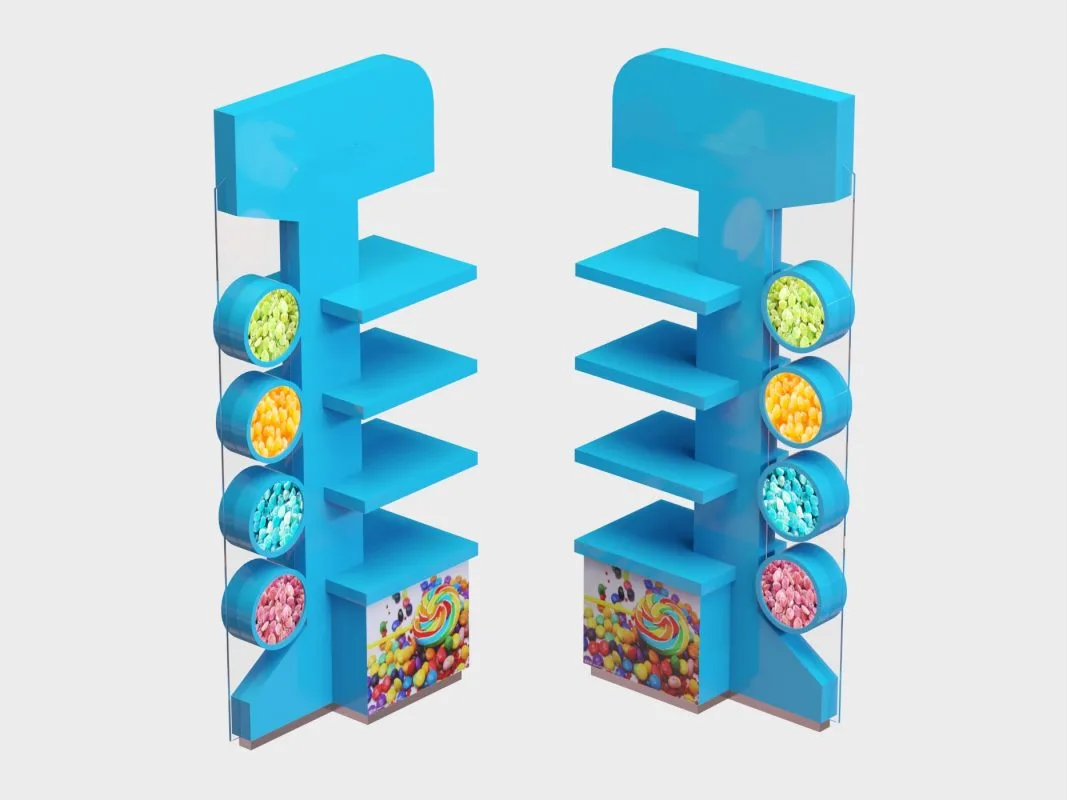
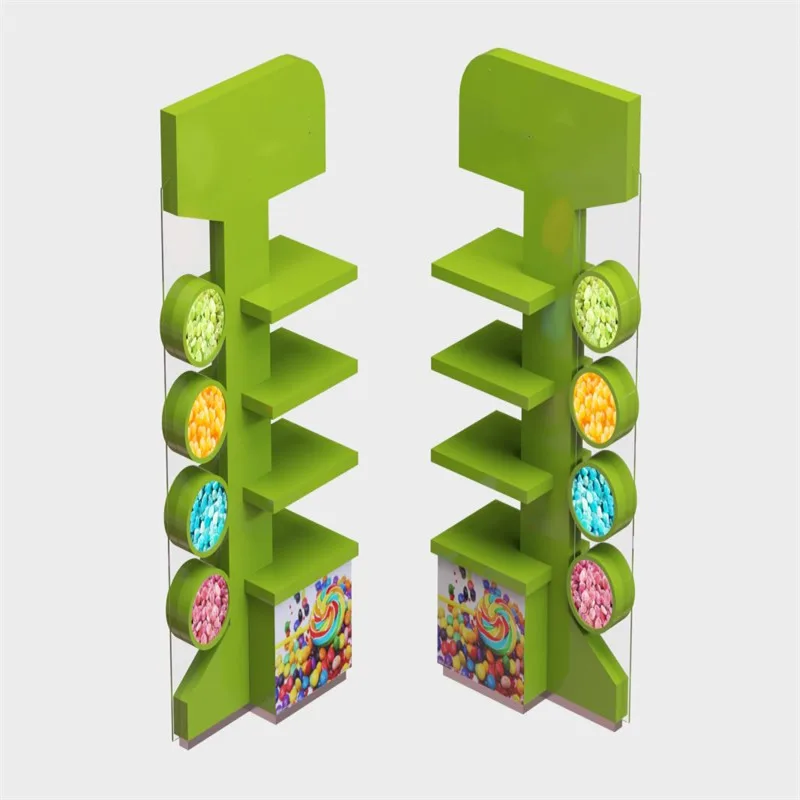
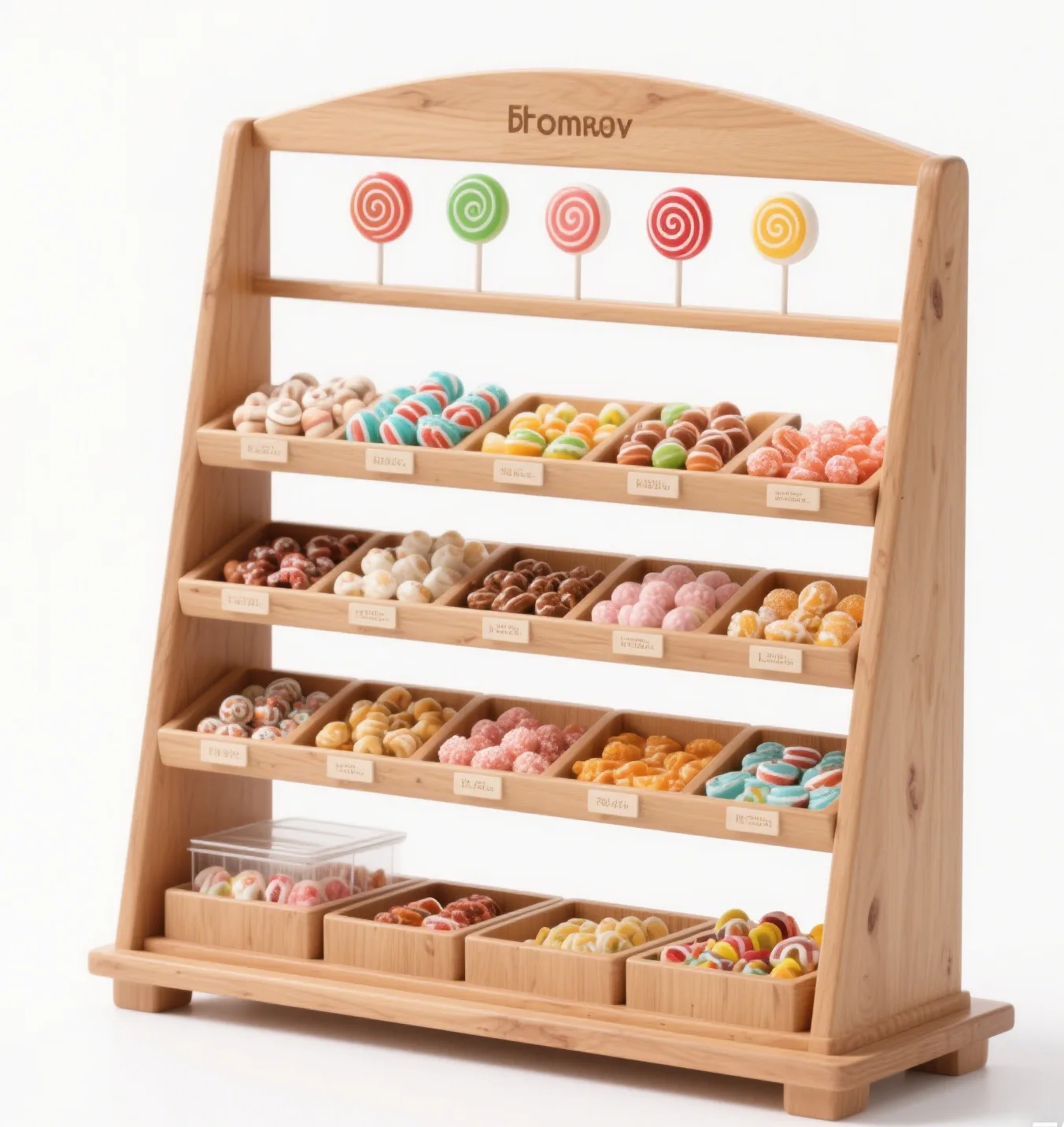
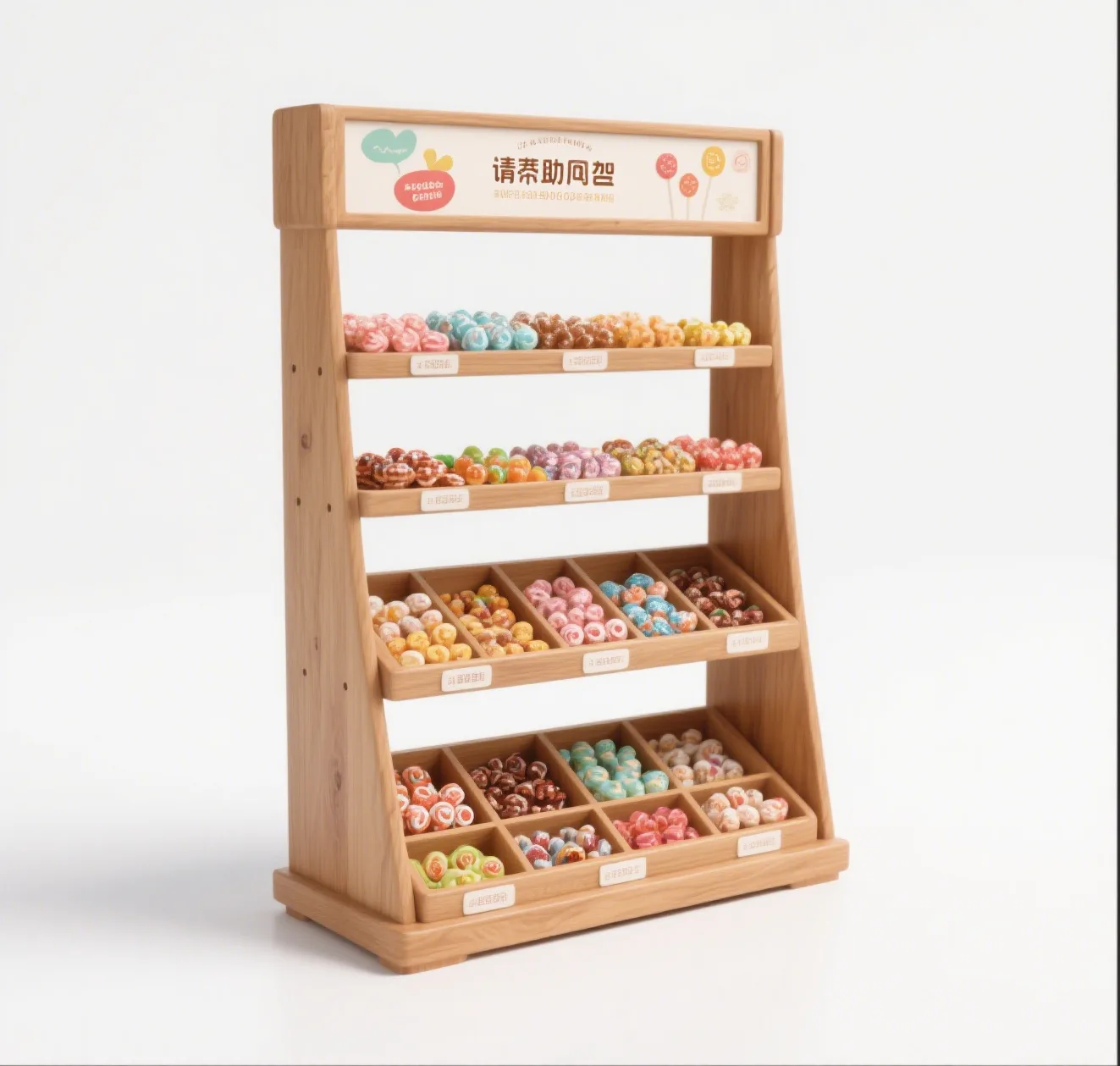
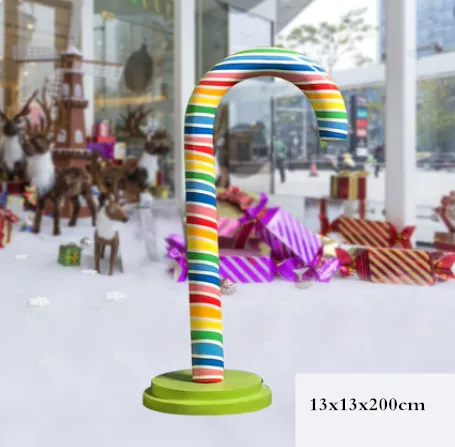
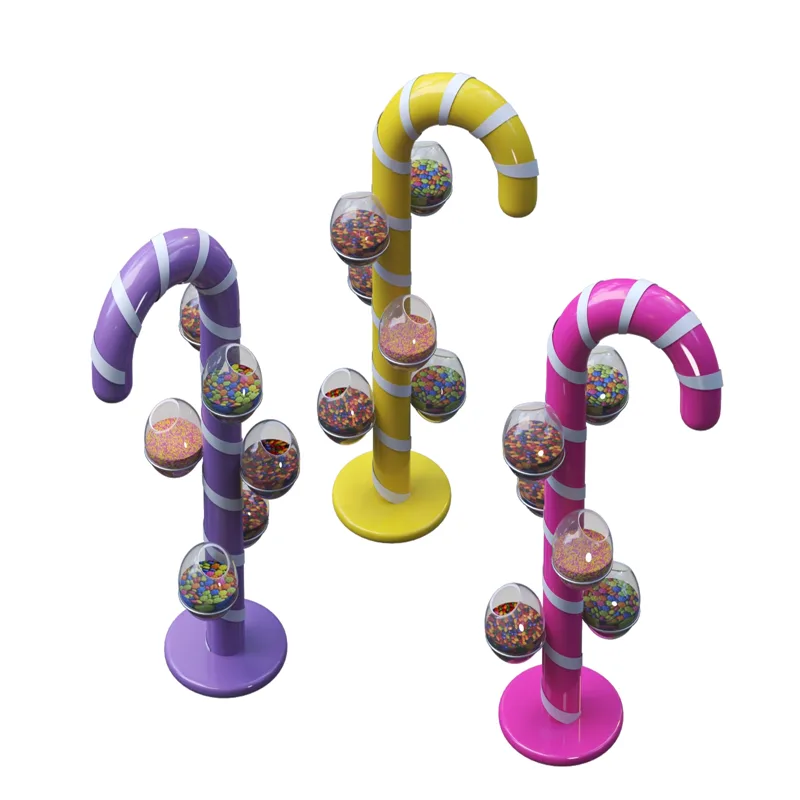
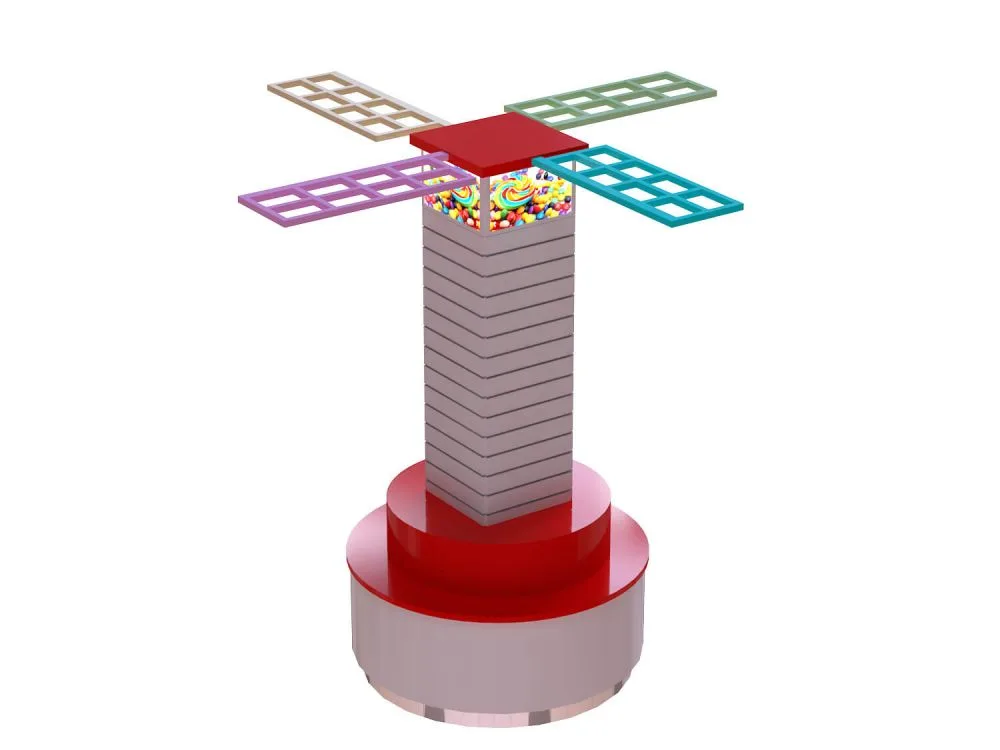
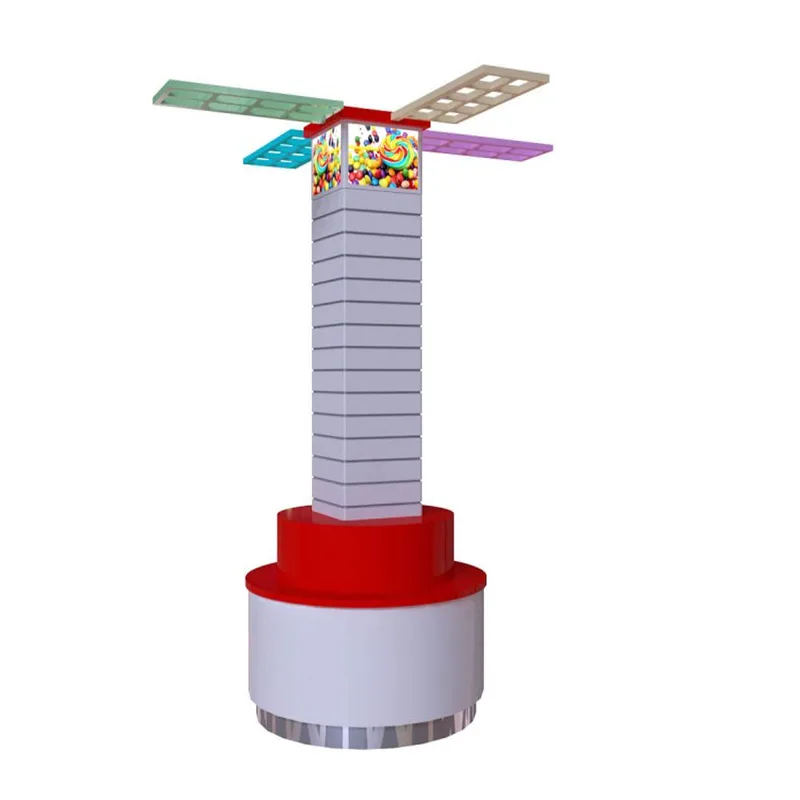
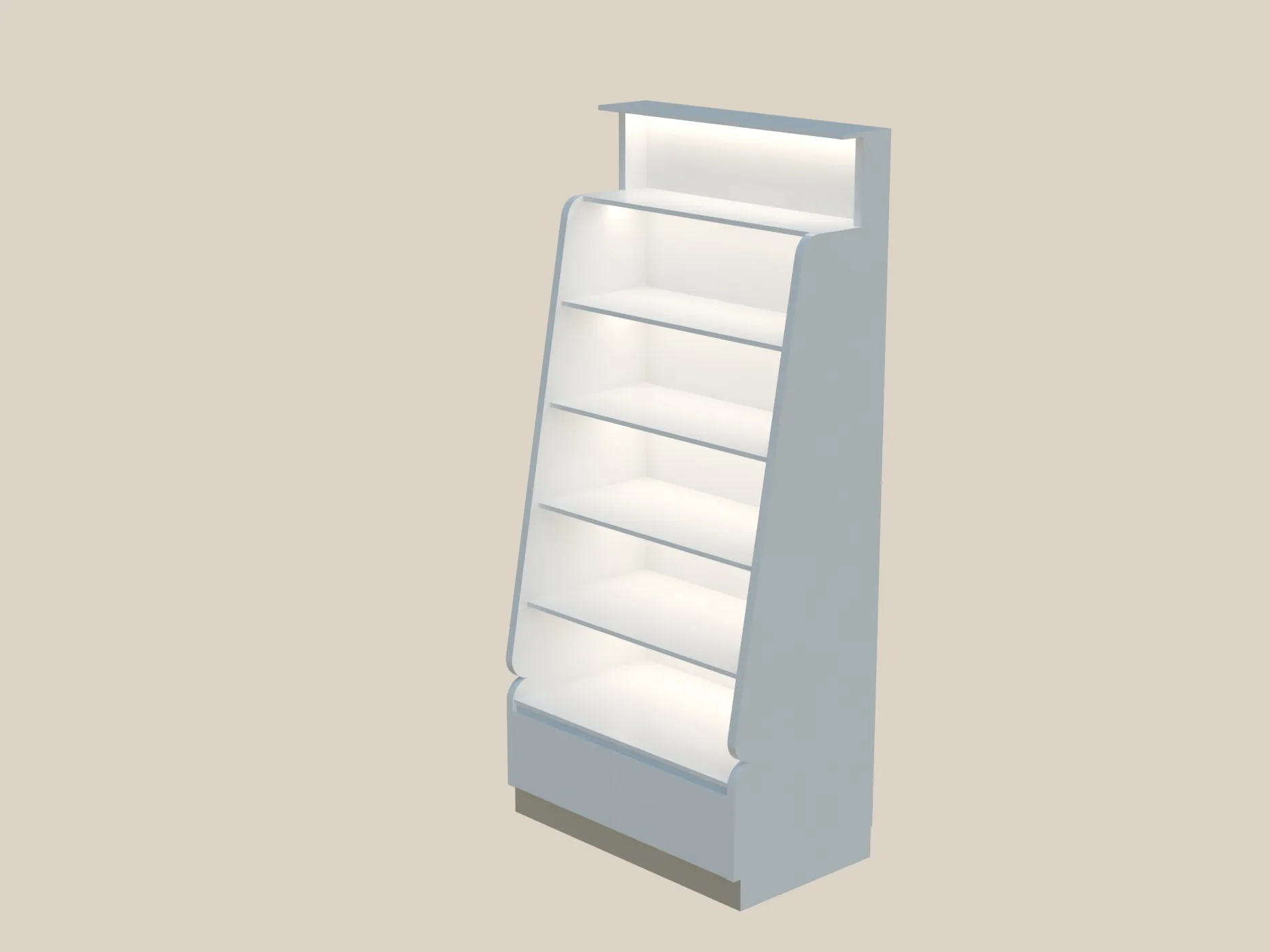
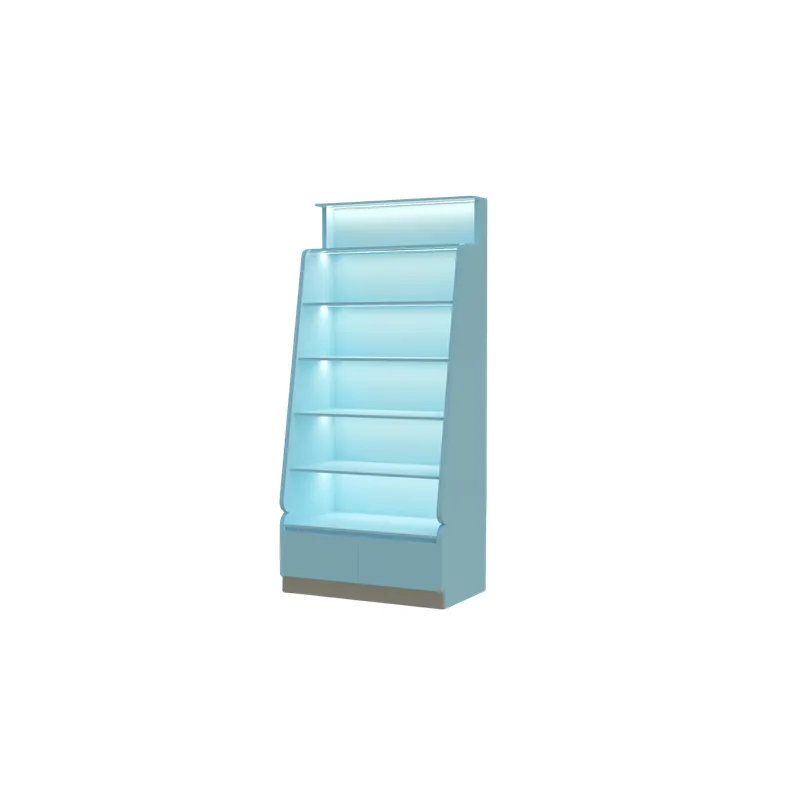
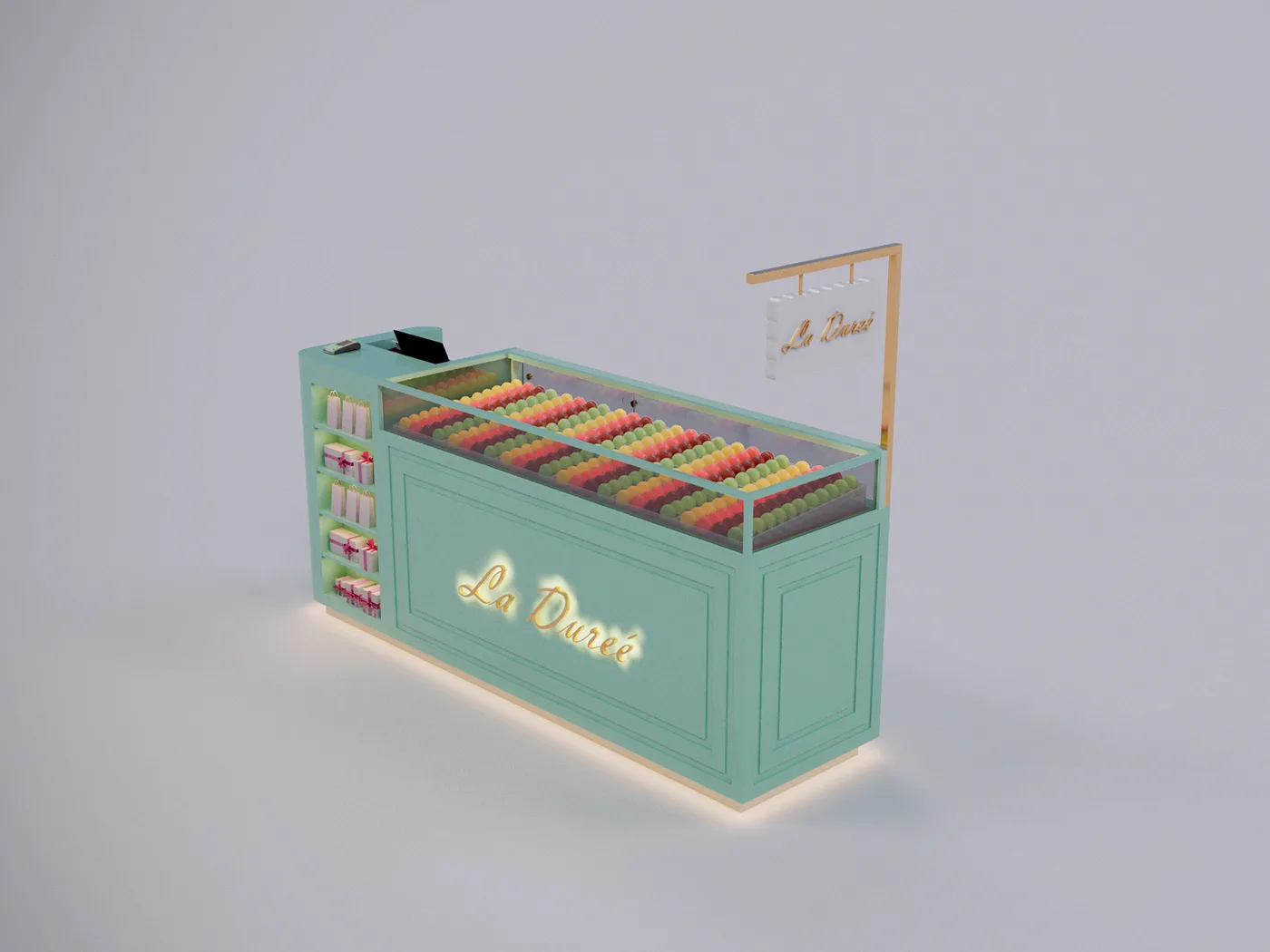
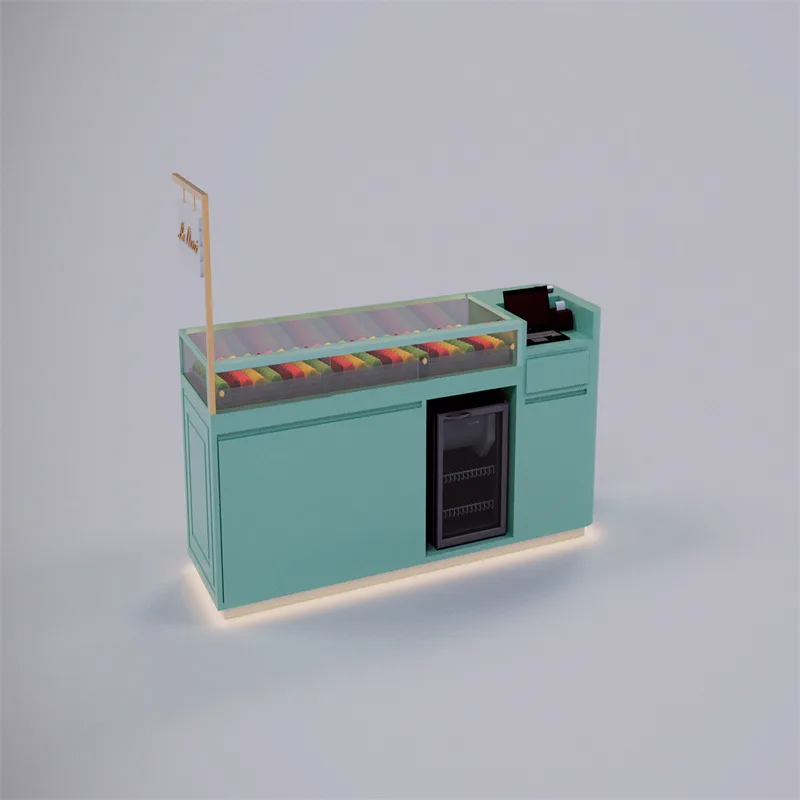
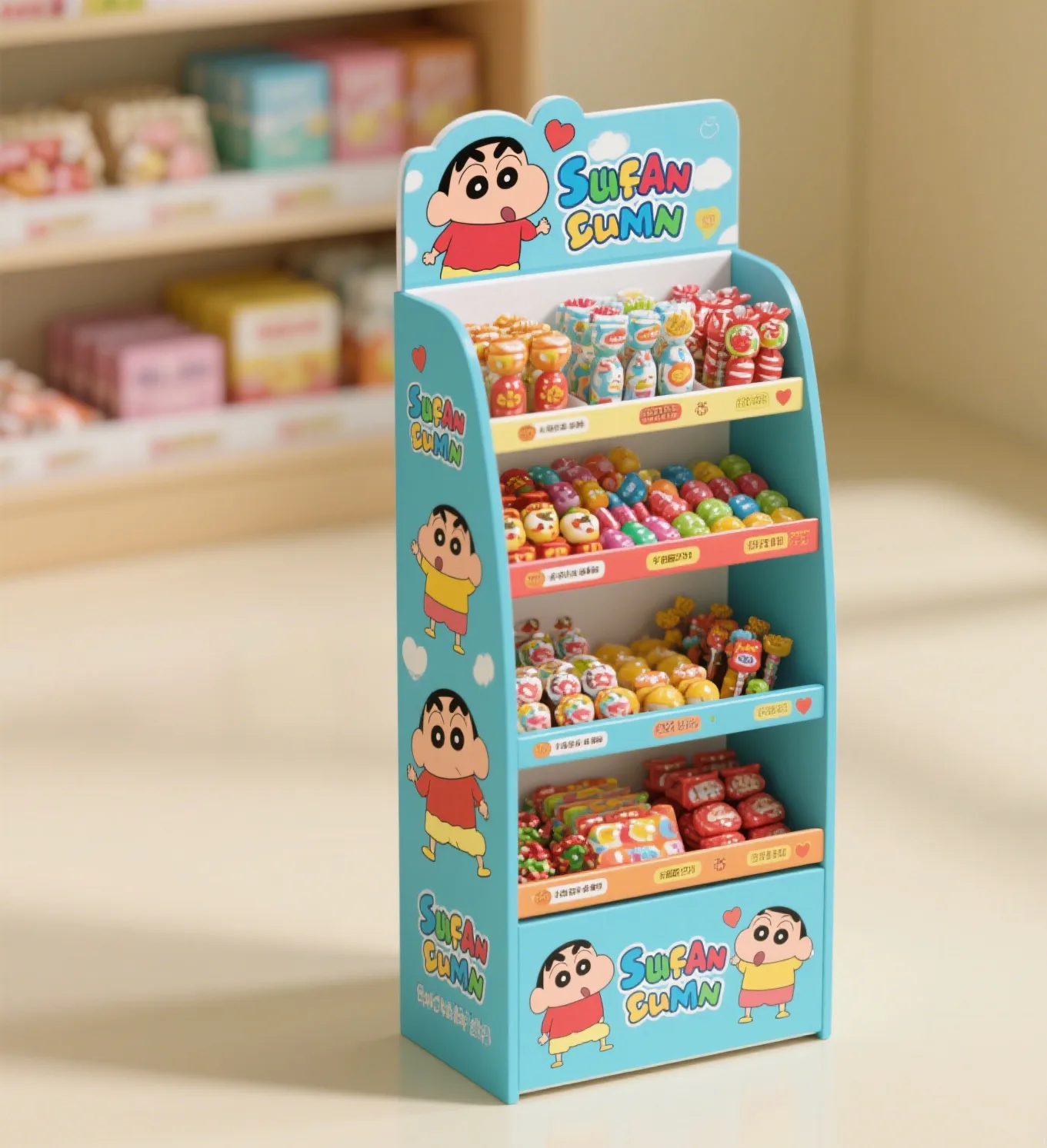
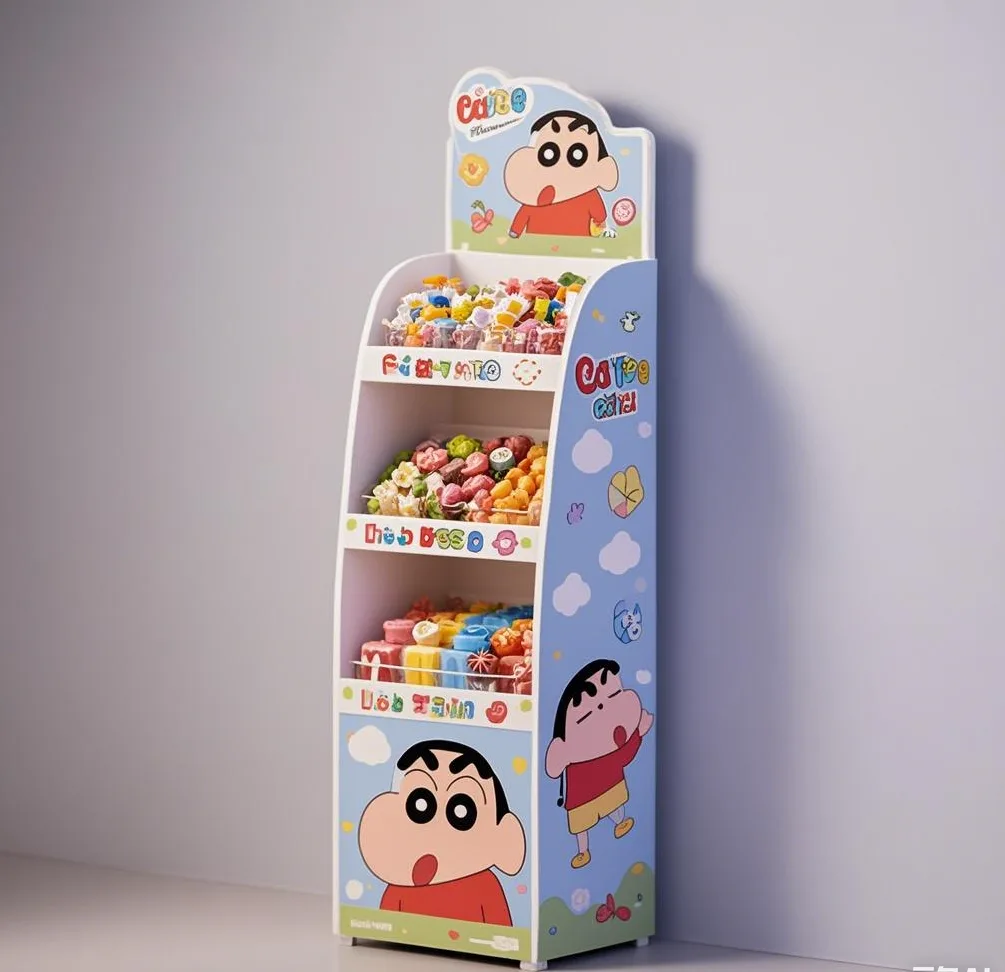
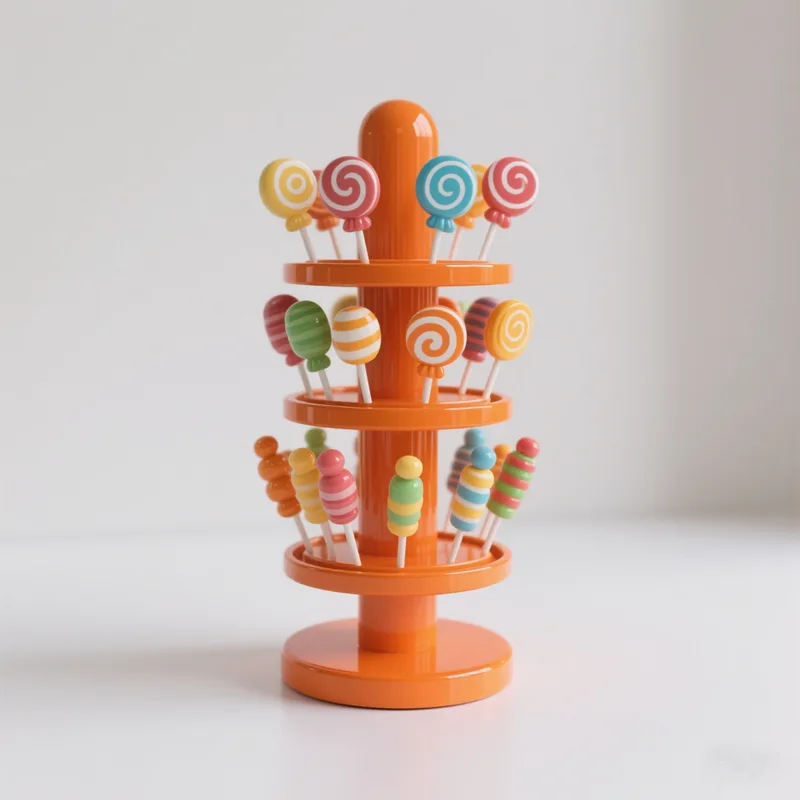
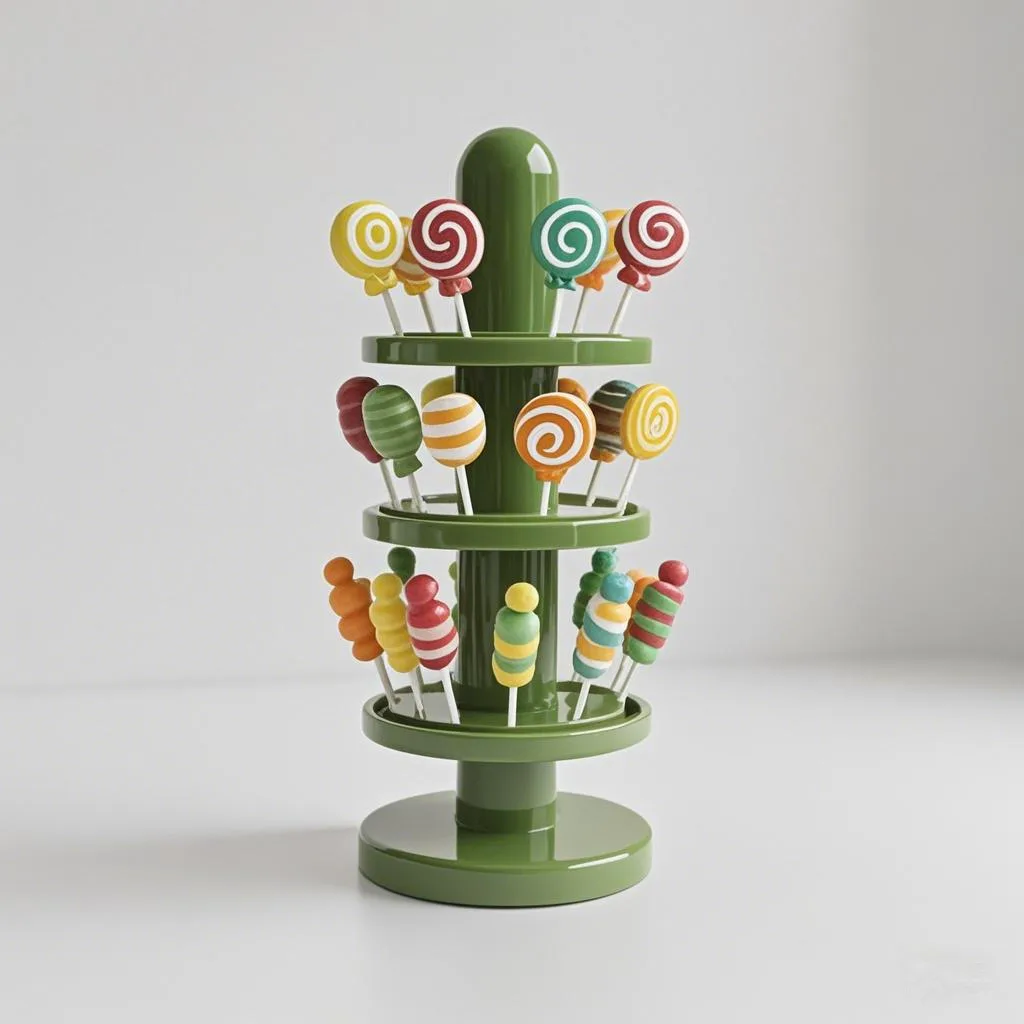
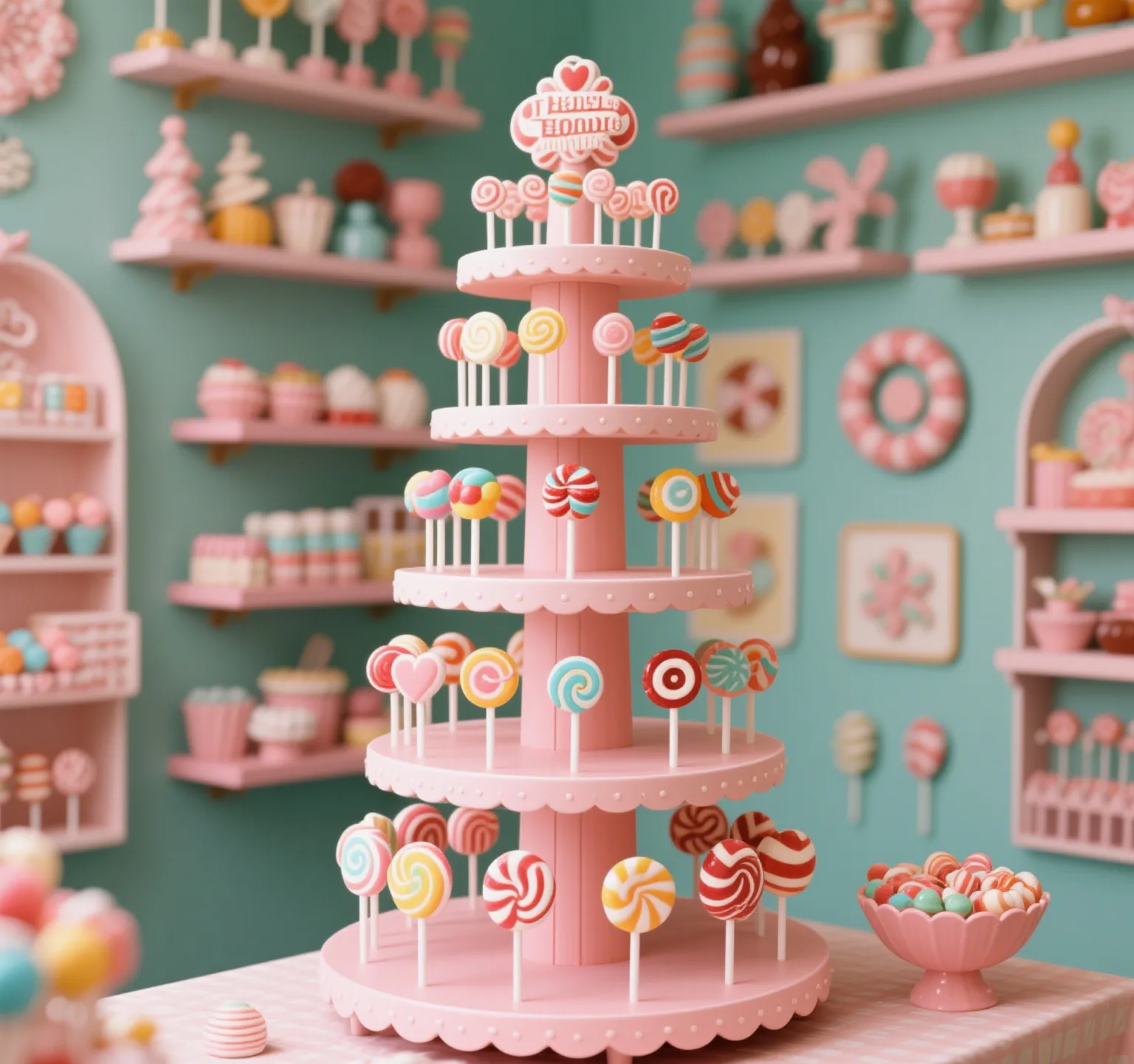
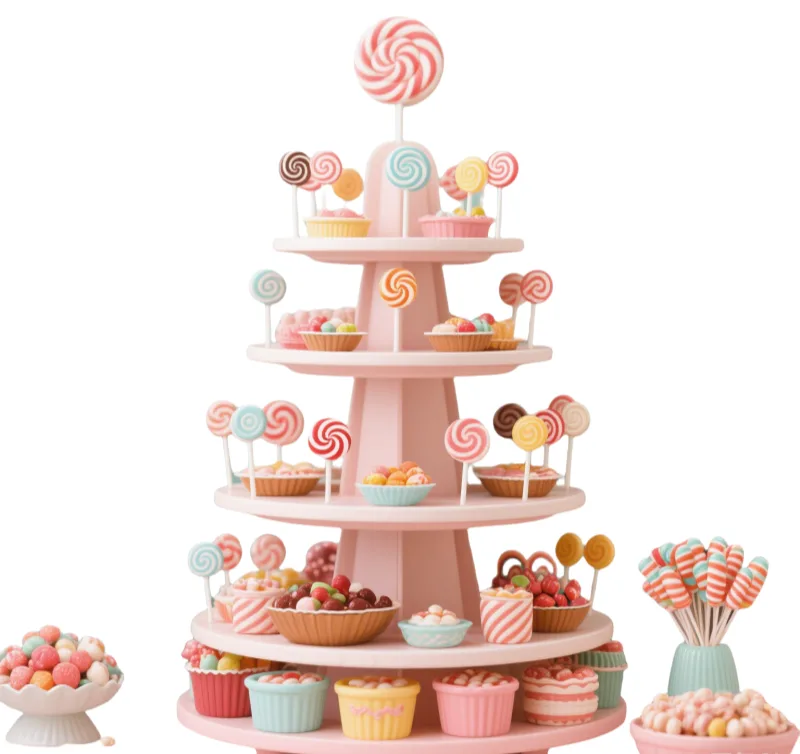
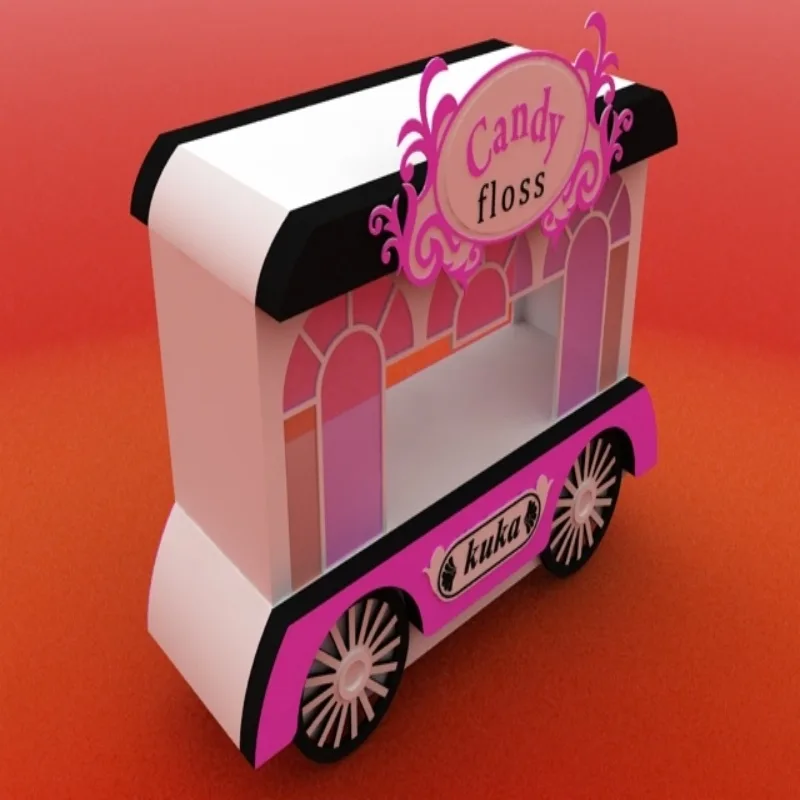
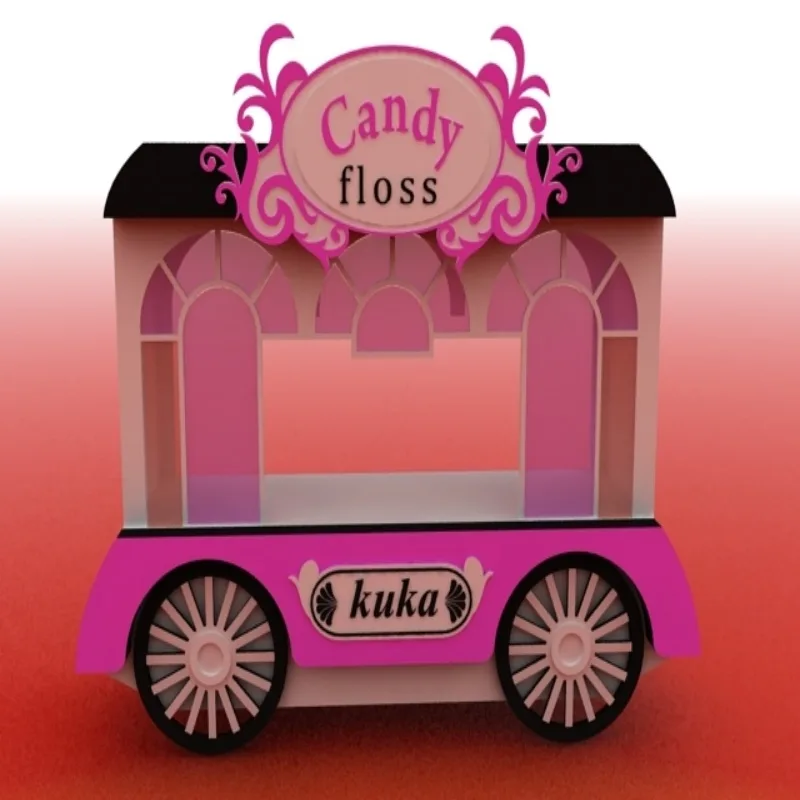
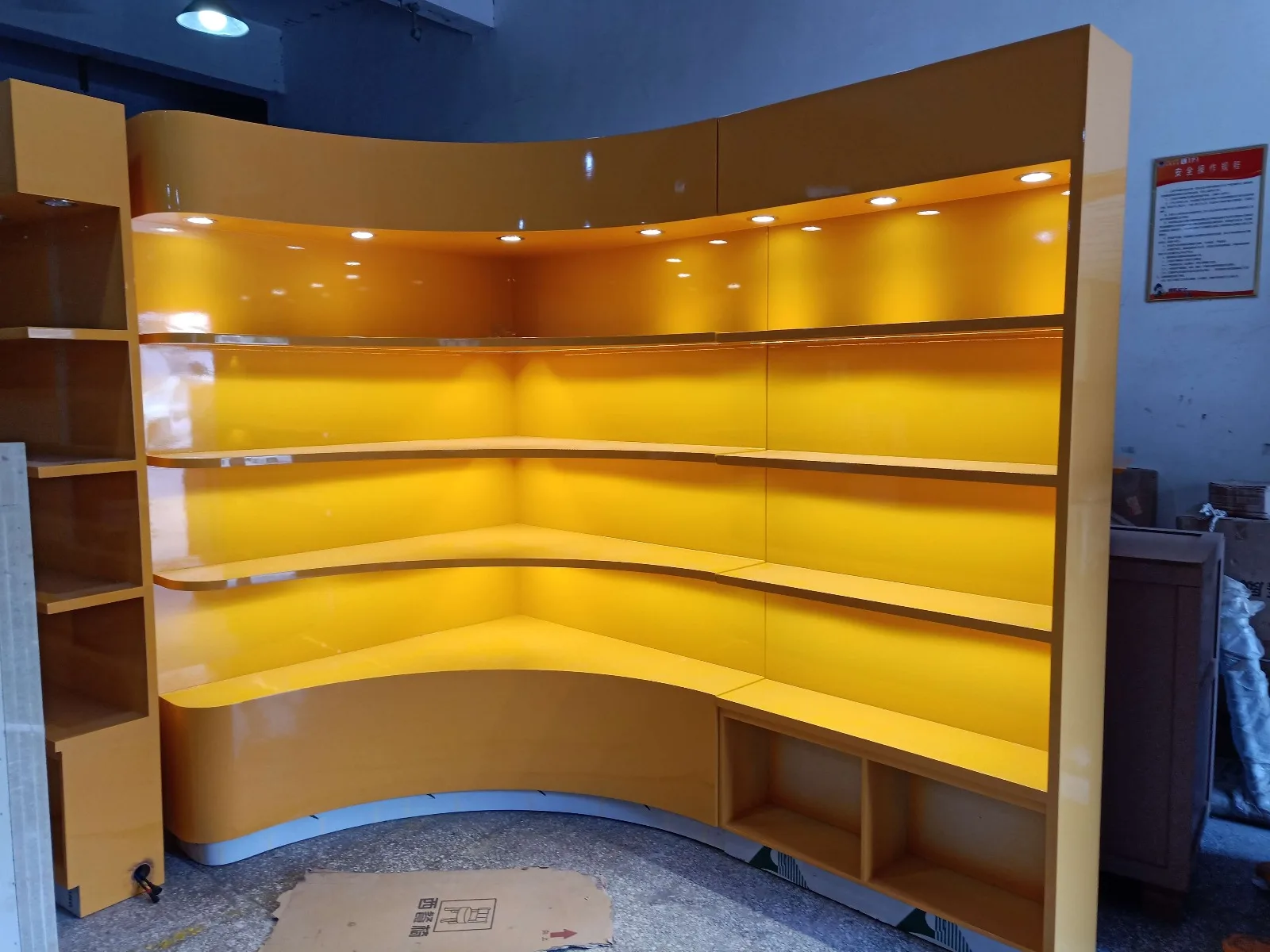
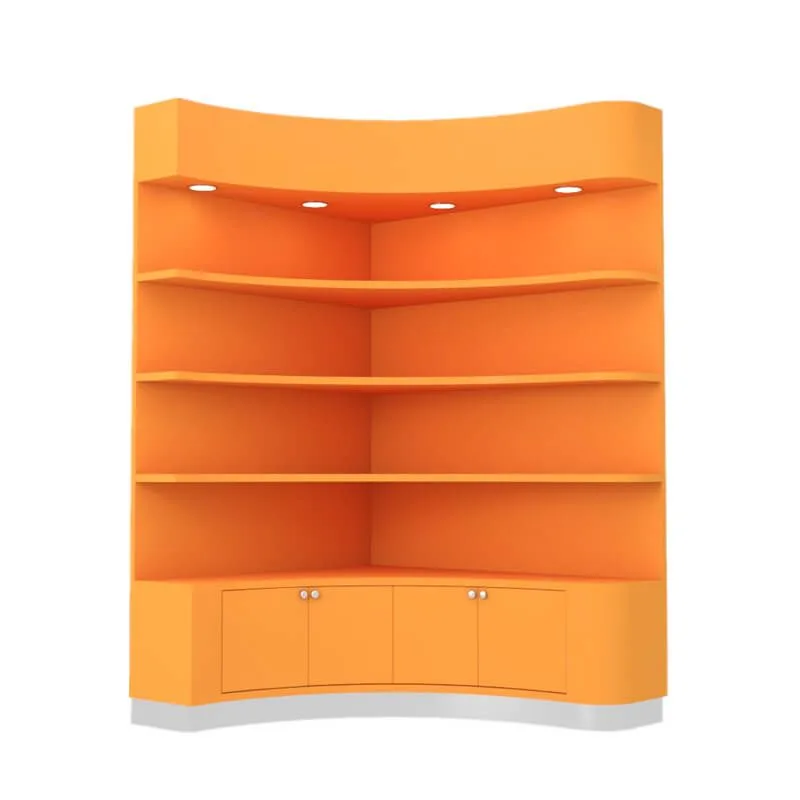
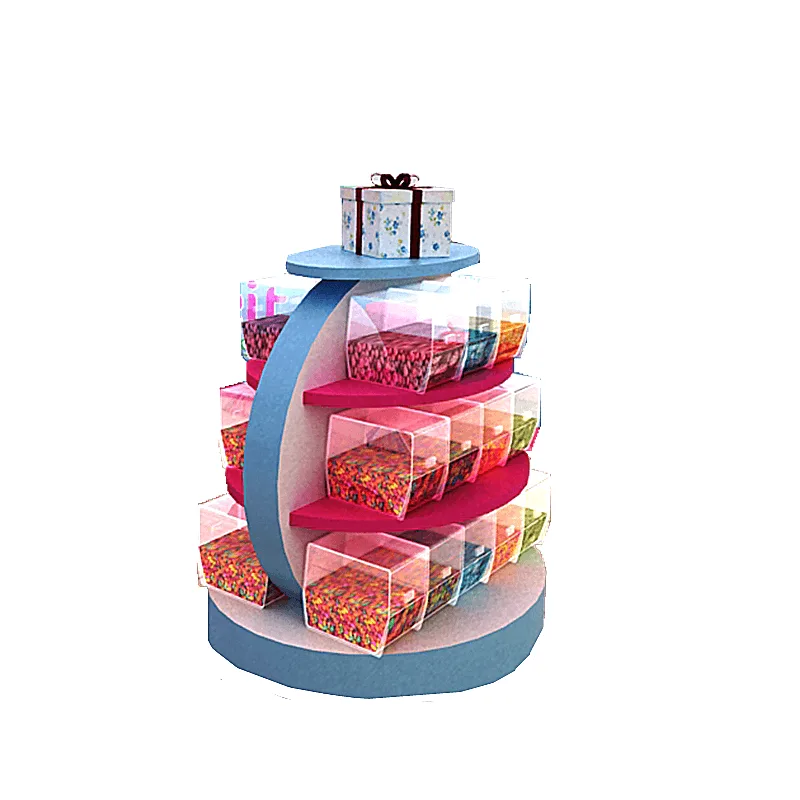
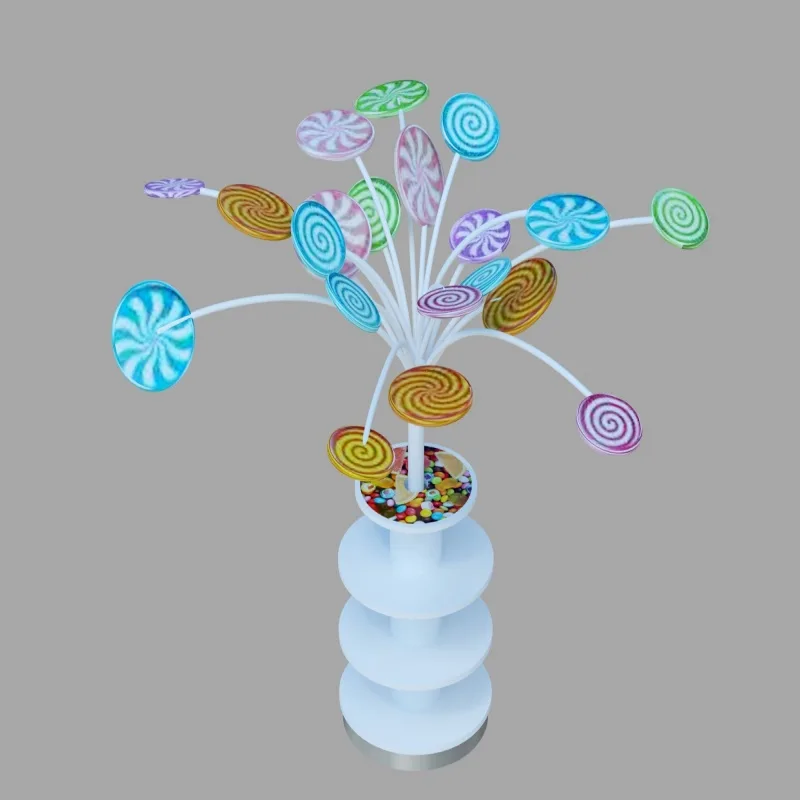

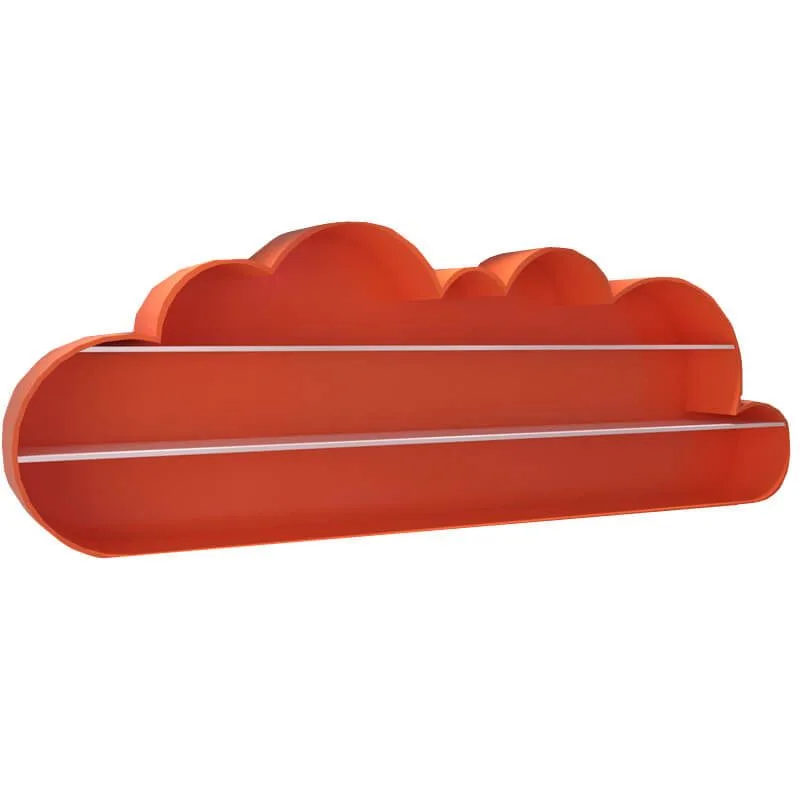
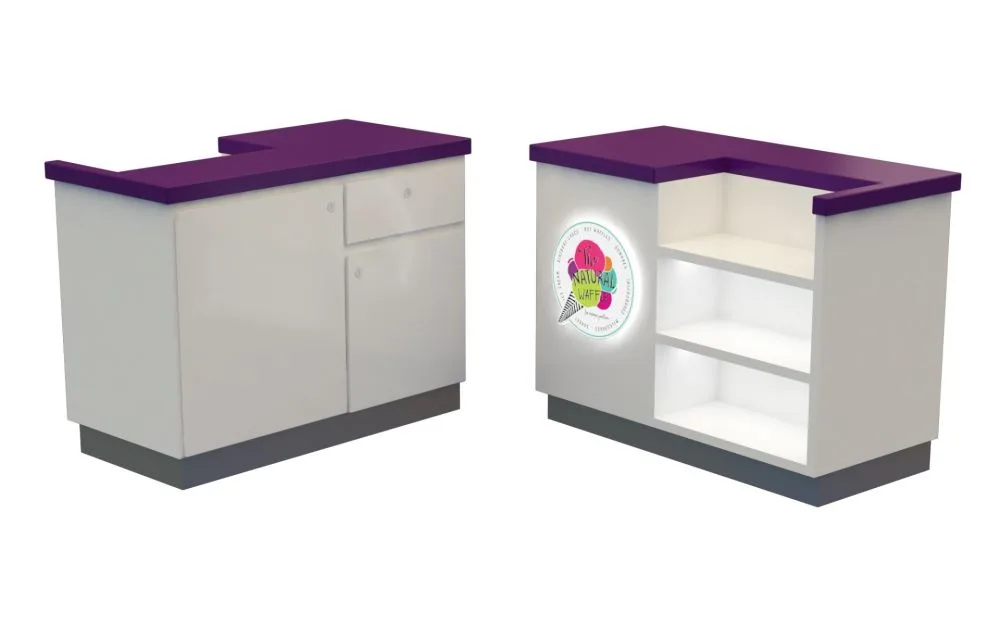
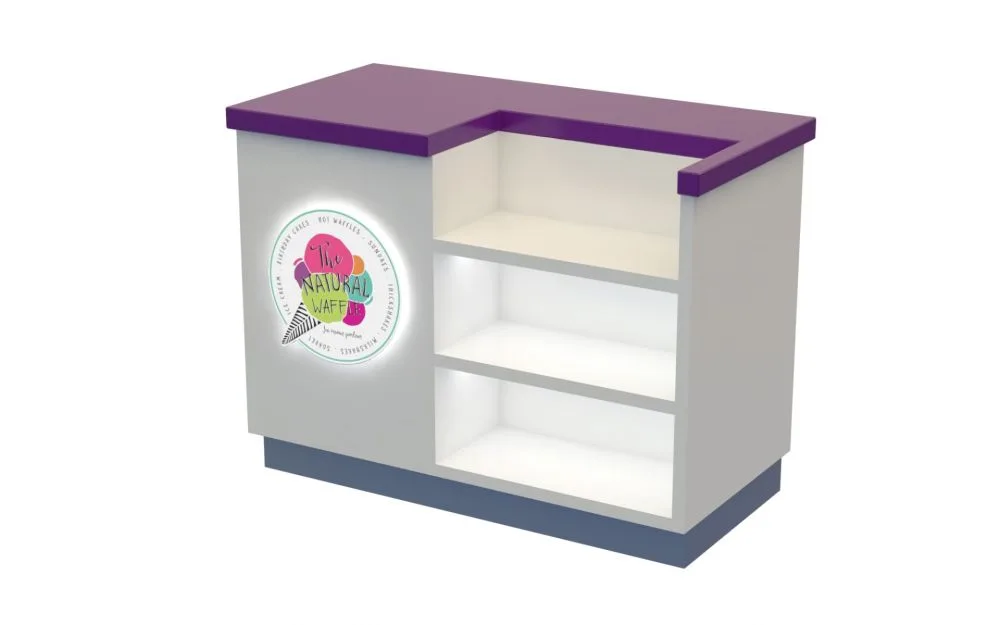
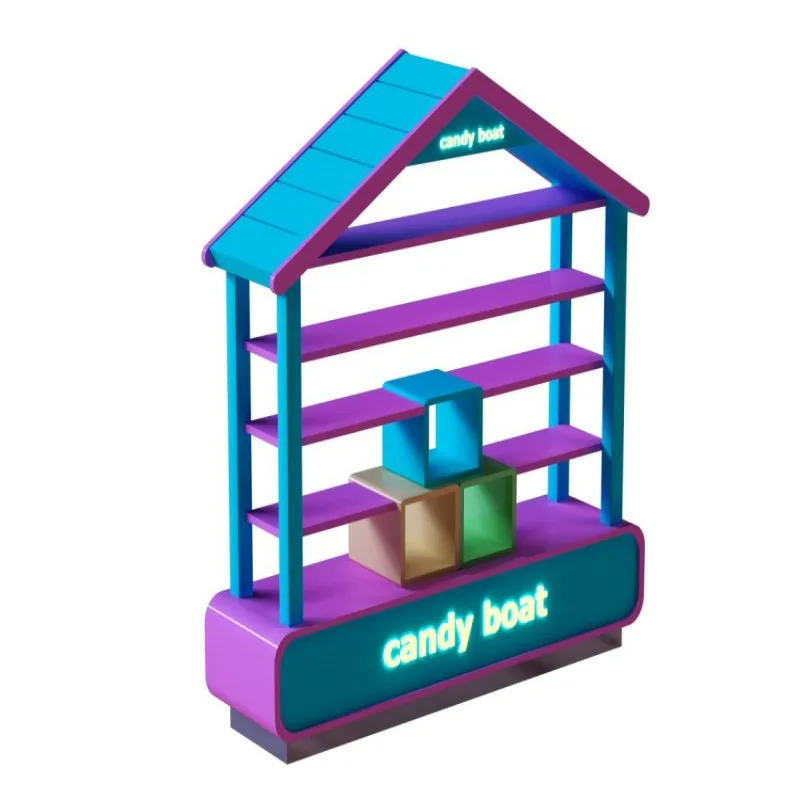
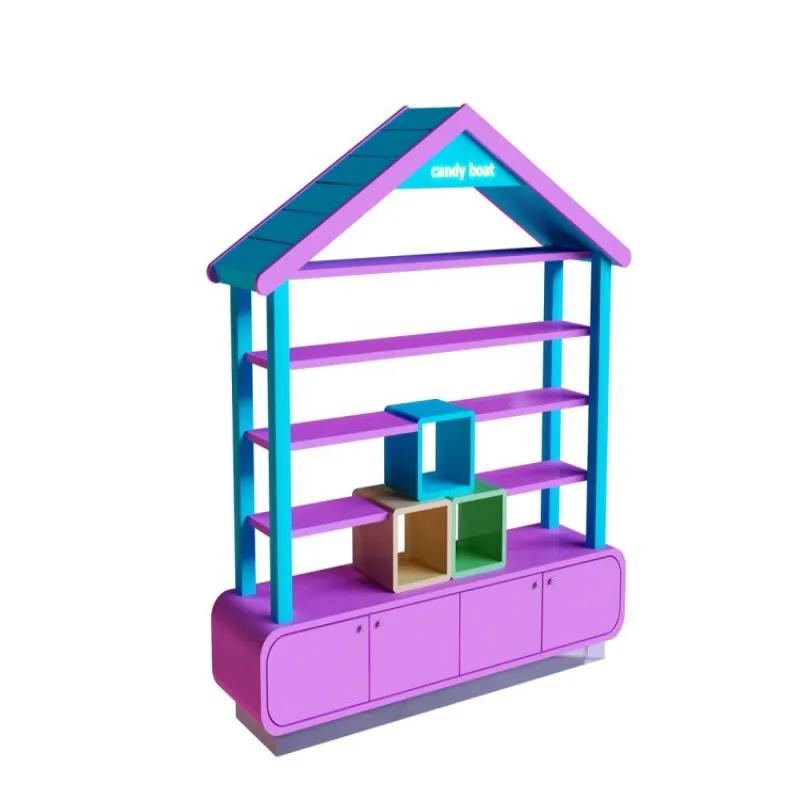
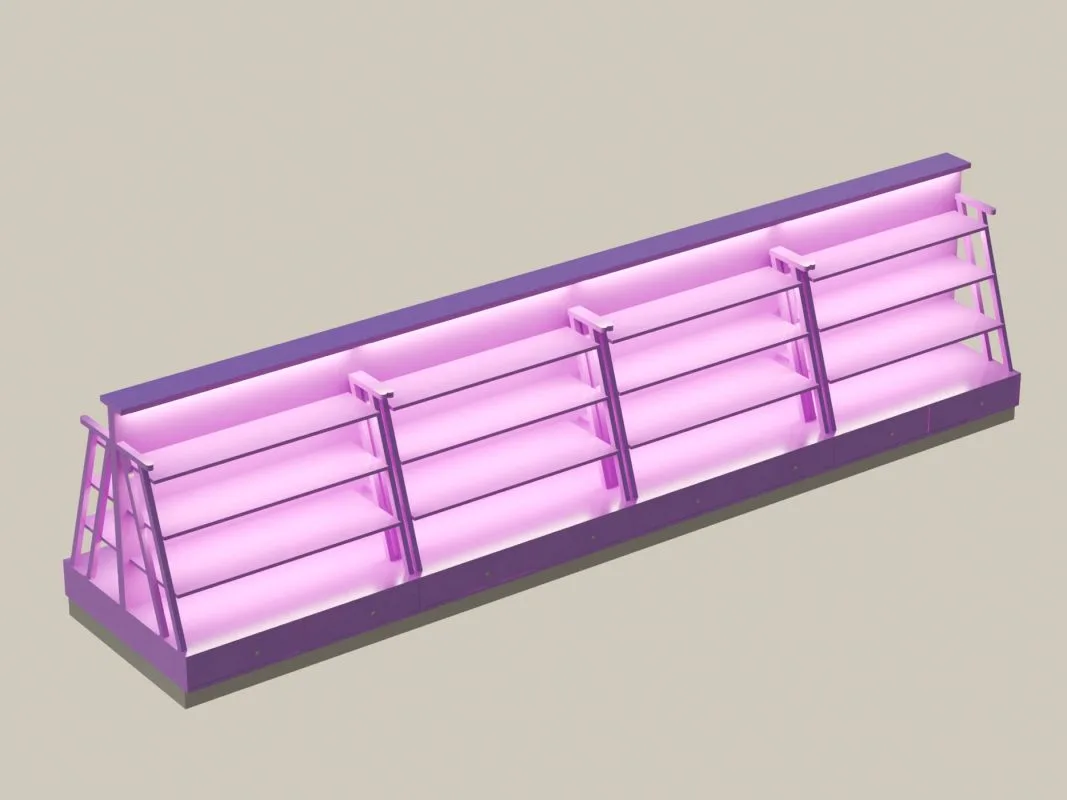
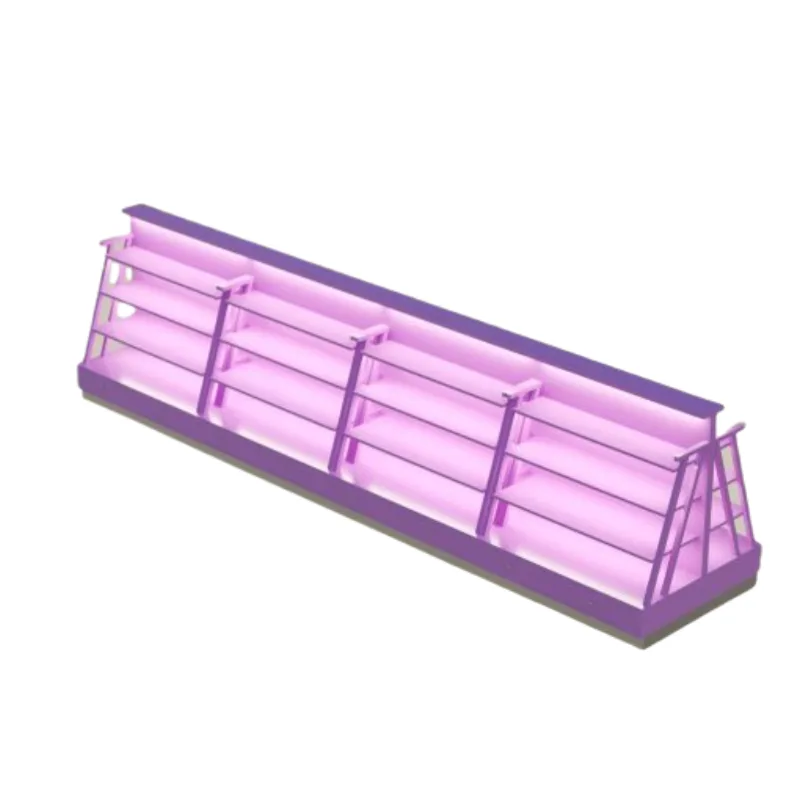
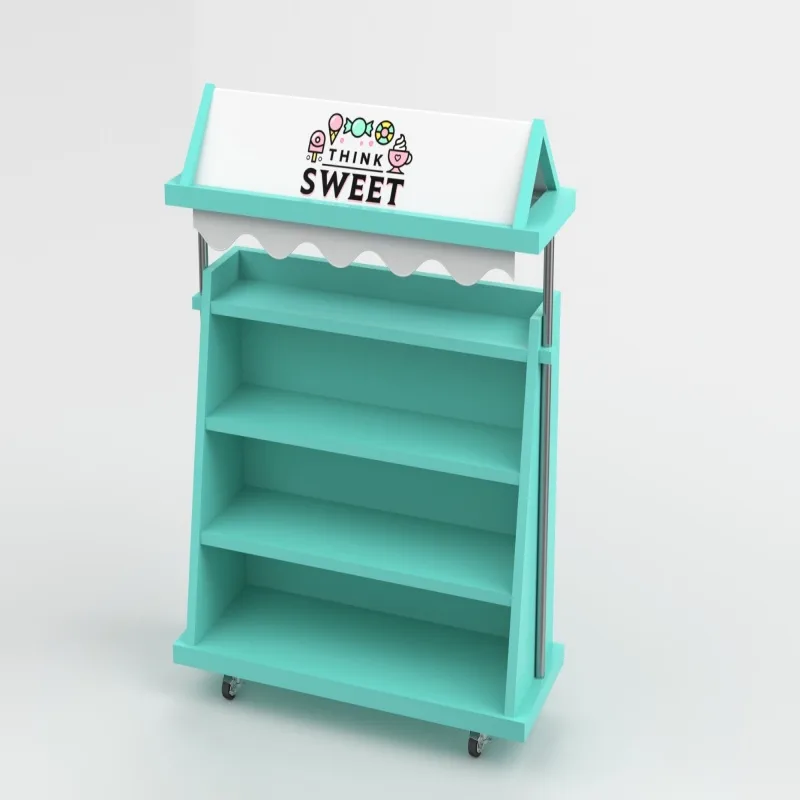
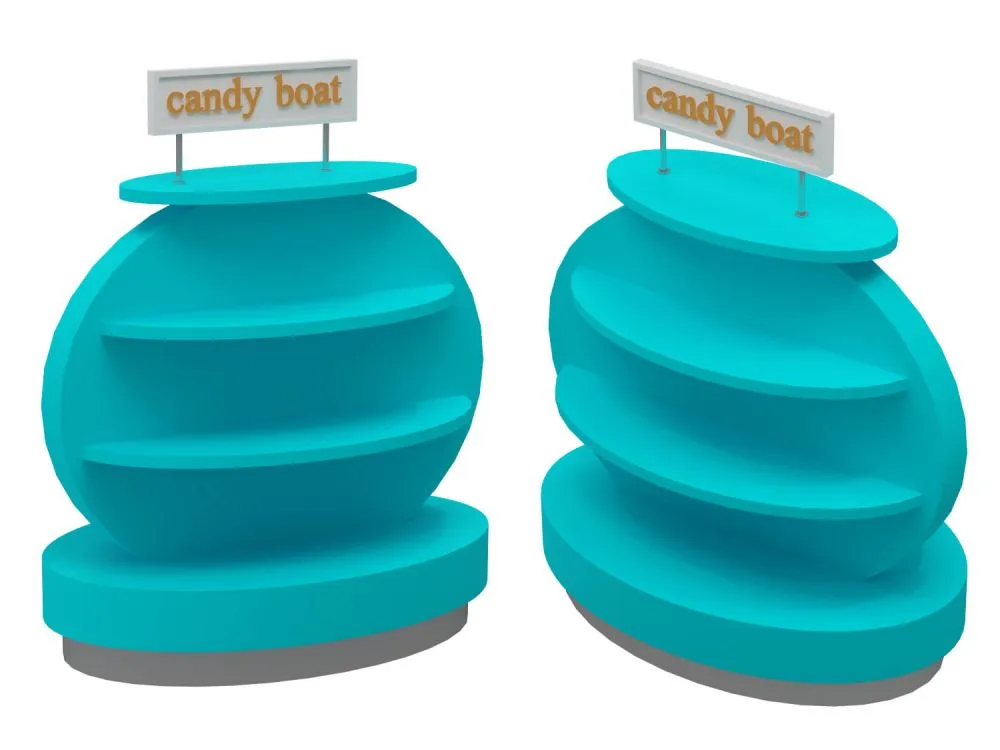
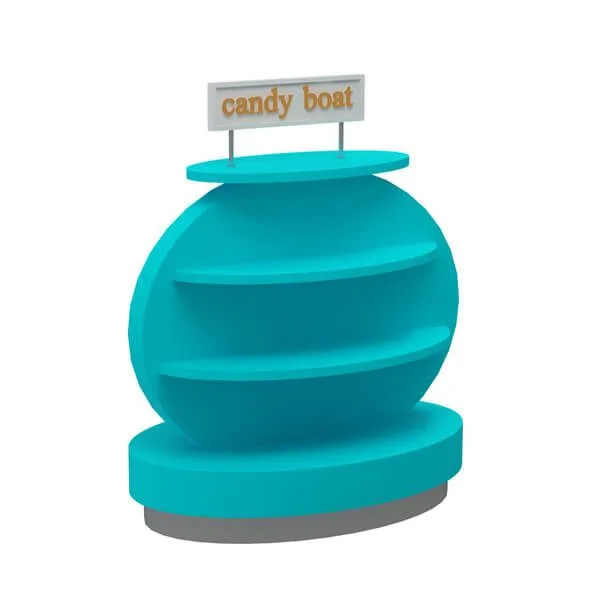

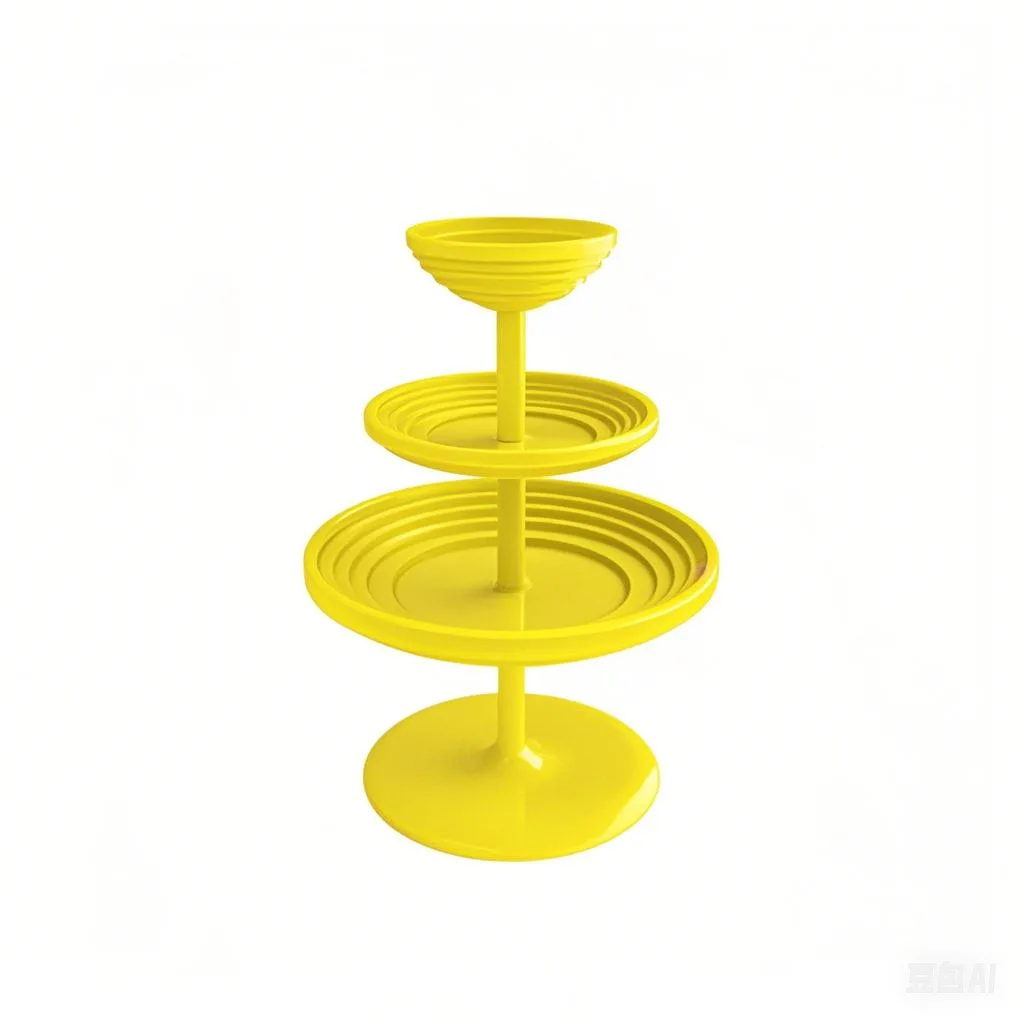
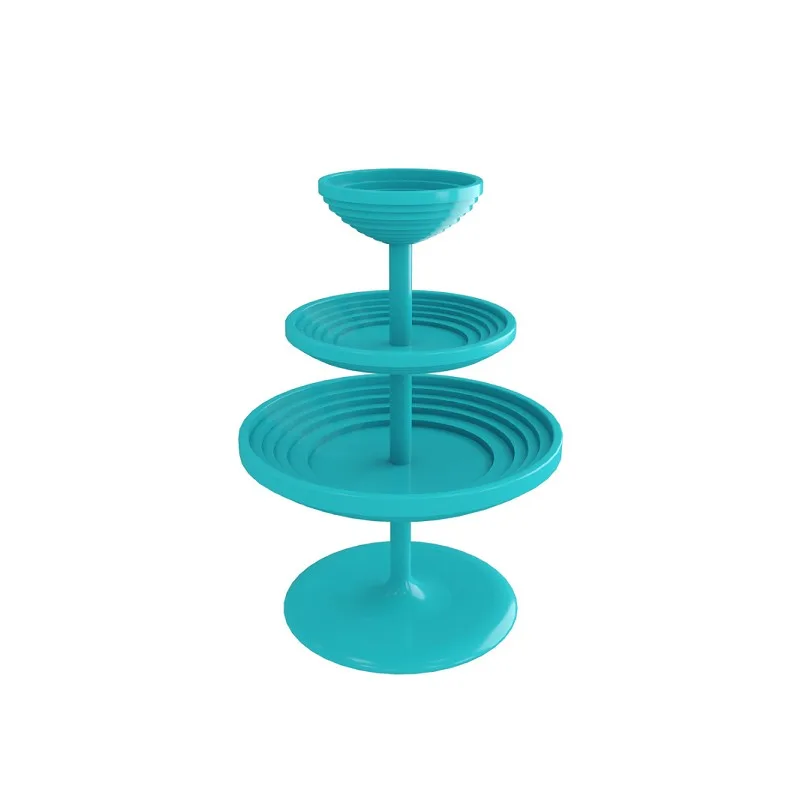

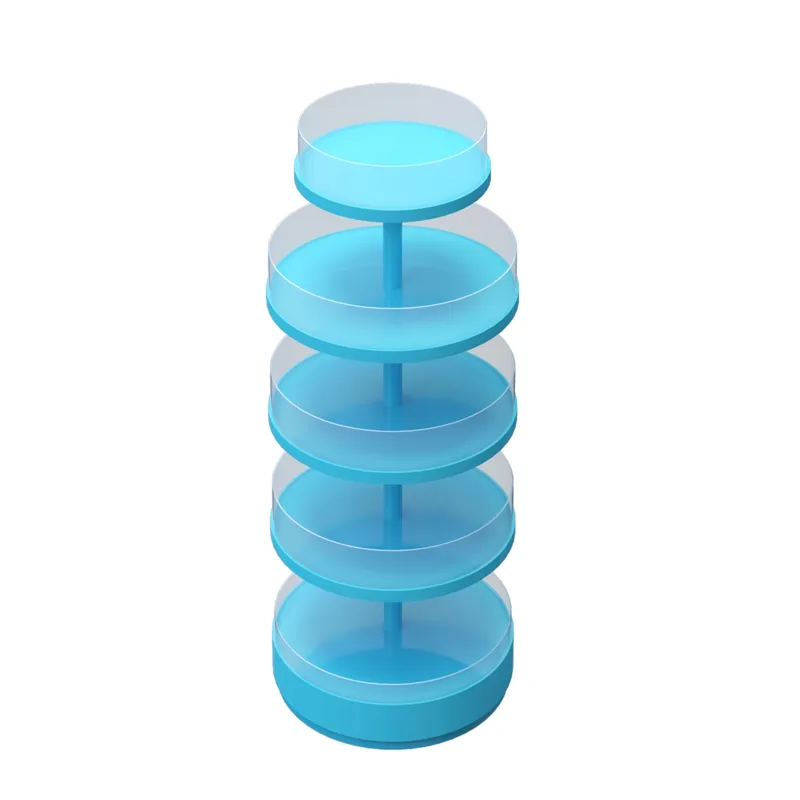
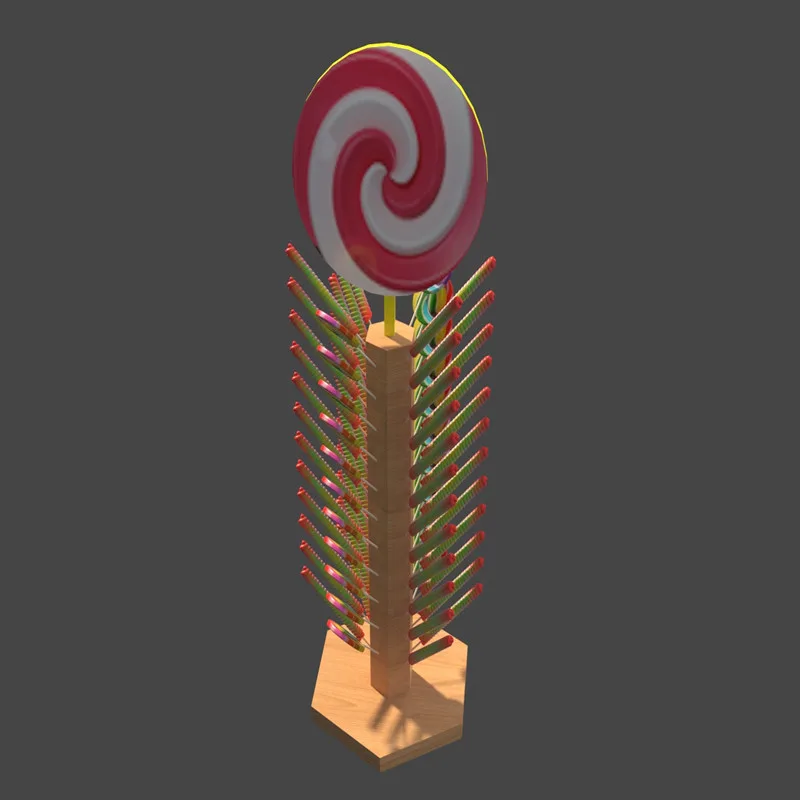
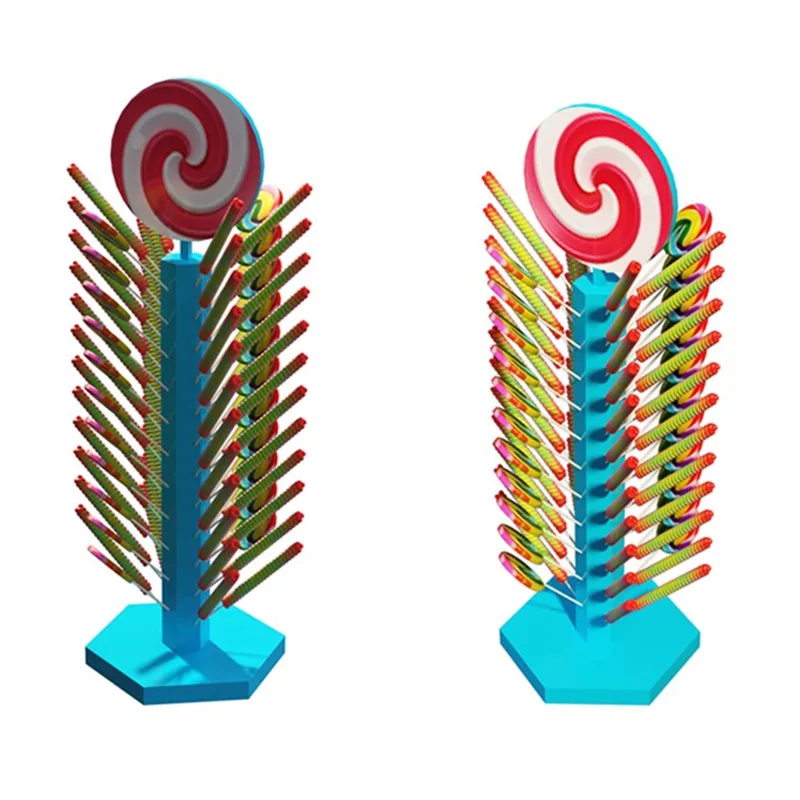
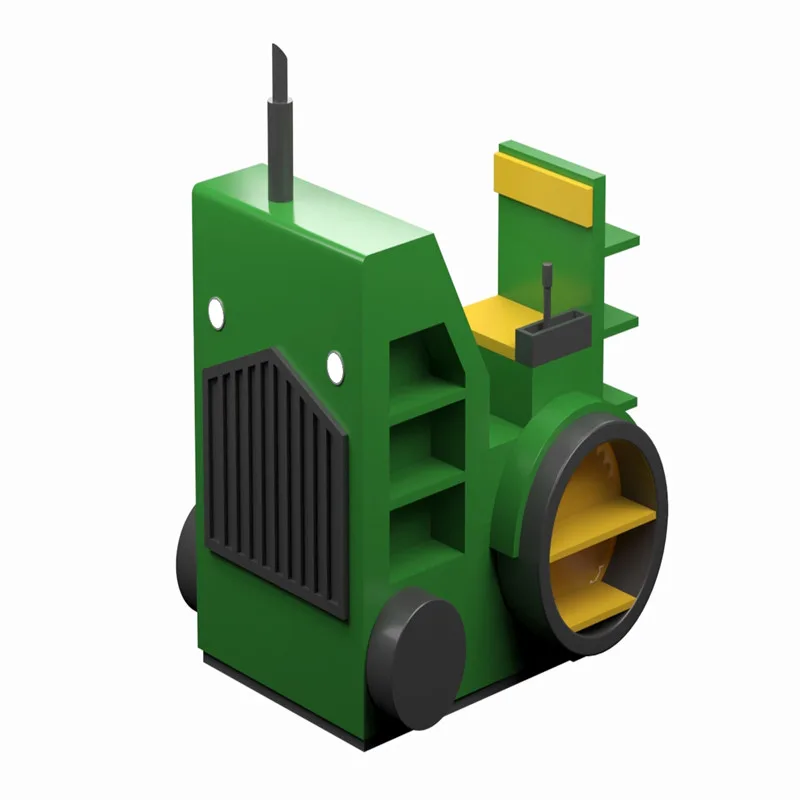

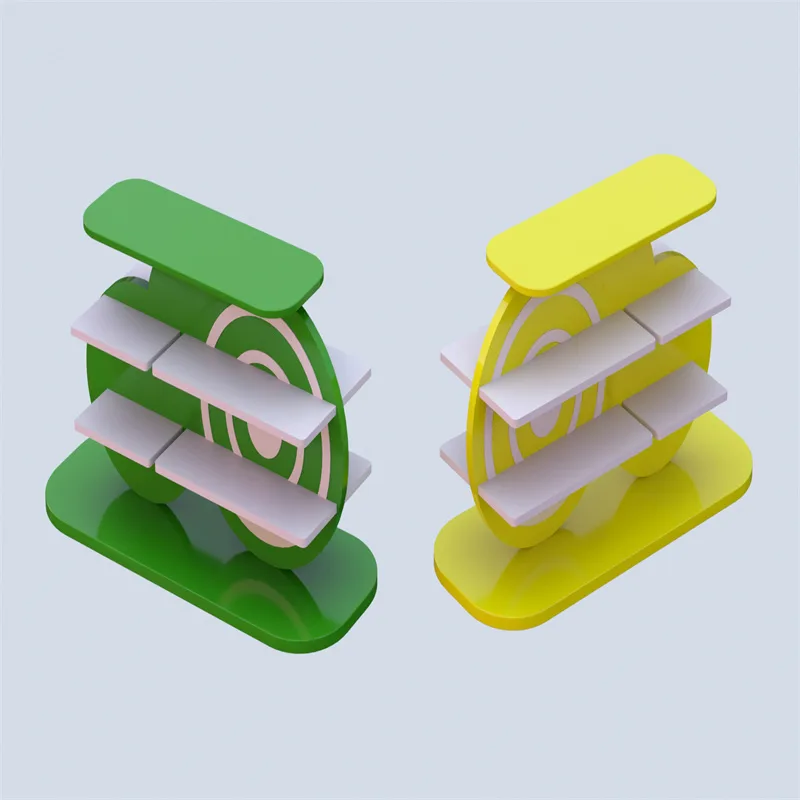

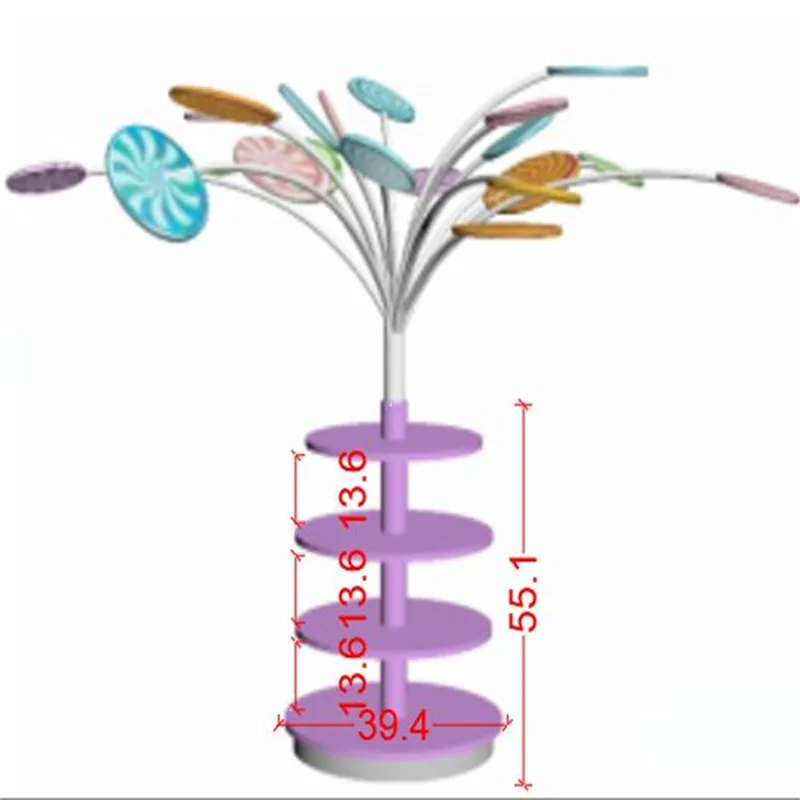
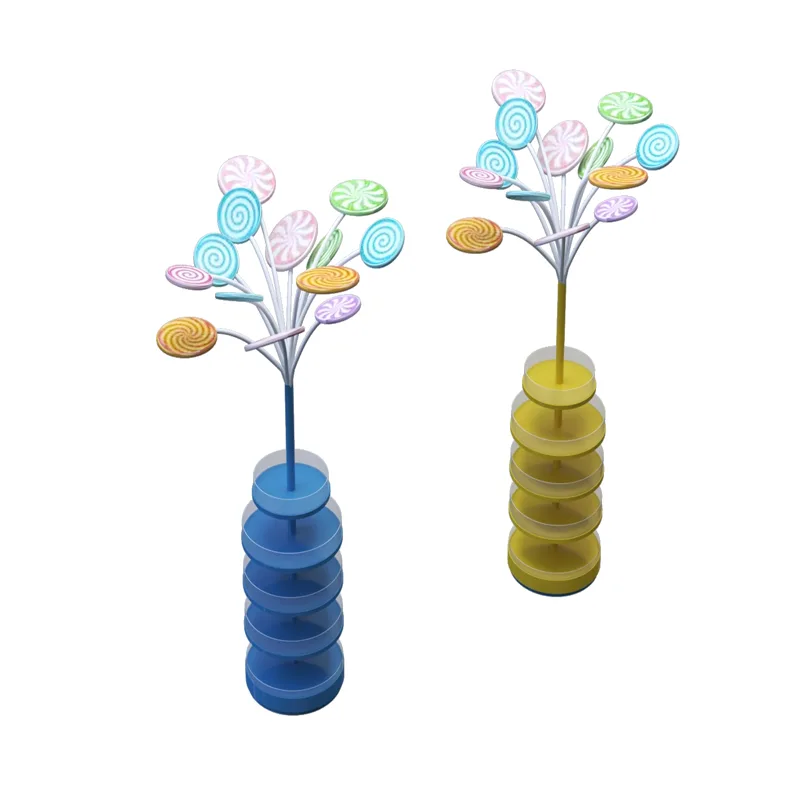


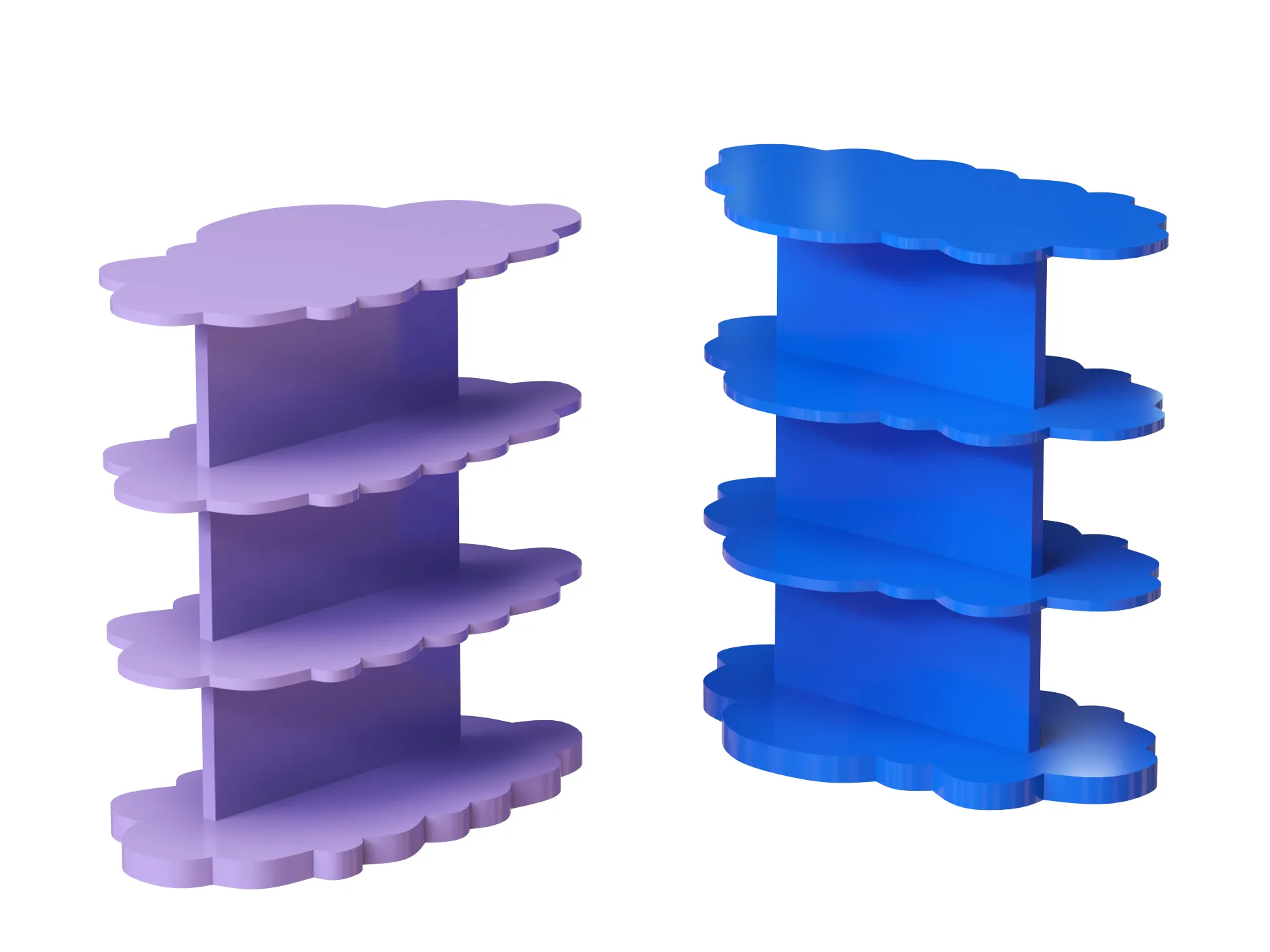
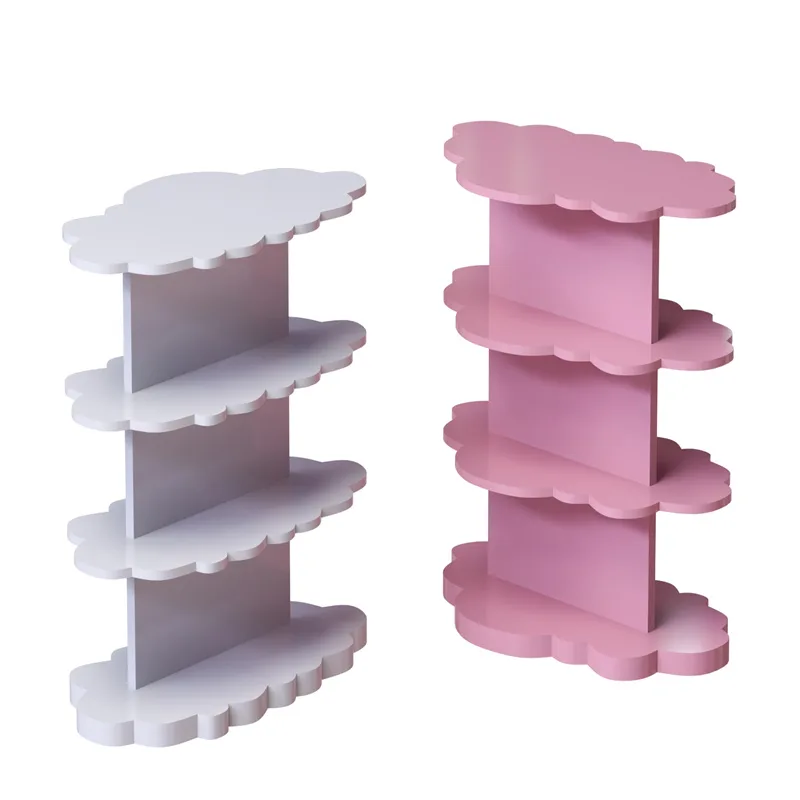
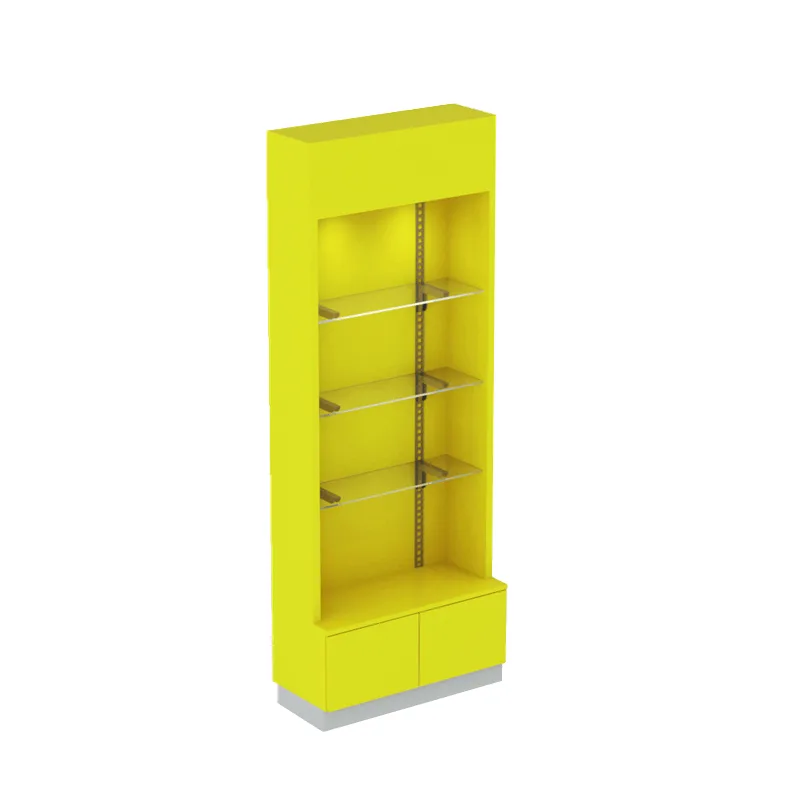
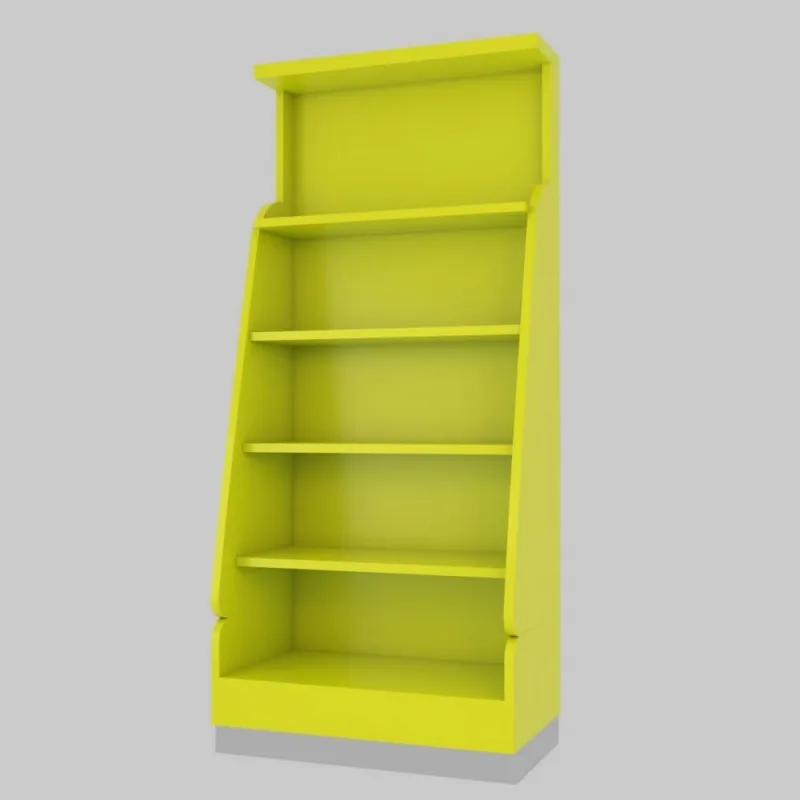
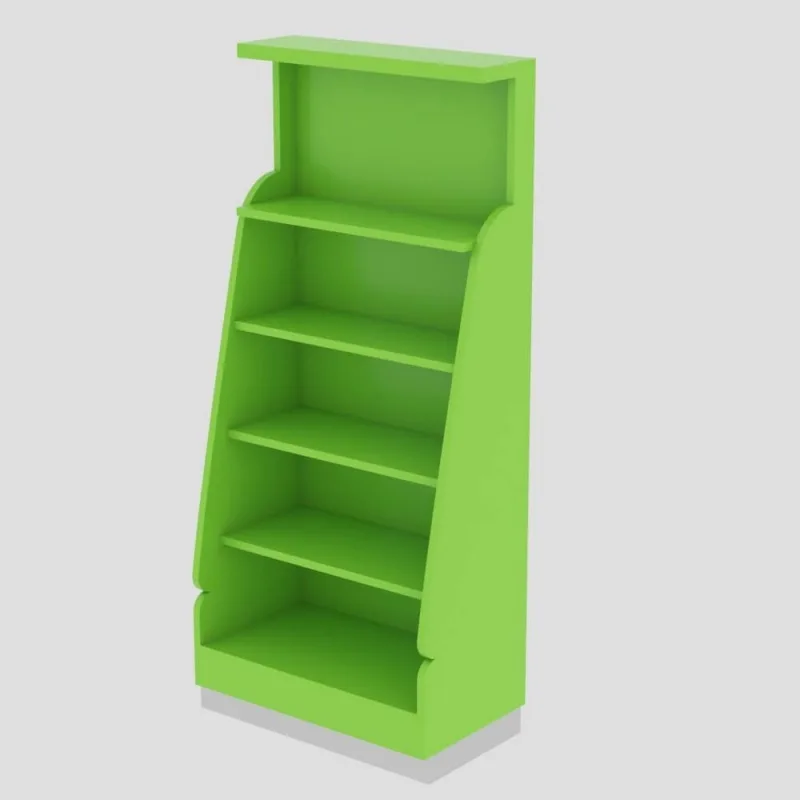
Retail candy display stands fulfill dual purposes by functioning beyond storage units as visual connectors between products and shoppers. The changing consumer preferences drive the need for customized display solutions across different candy categories which range from supermarket bulk gummies to boutique artisanal chocolates. Strategic visual design enhances product appeal and maximizes space utilization through a systematic classification framework. This article explores the multifaceted typologies of candy display stands across four dimensions: The article examines candy display stands with attention to their structural design while considering retail environments, functional necessities and current innovative trends.
Structural Design Classifications of Candy Display Stand
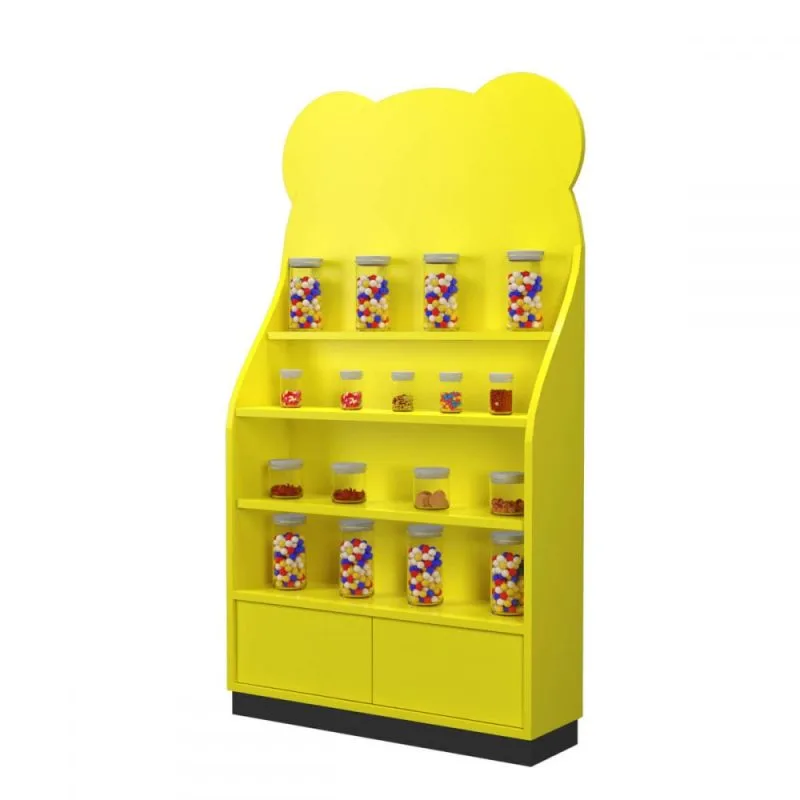
Open-style configurations dominate casual retail spaces, prioritizing accessibility and visual appeal. These structures often feature wire grids, wooden slats, or plastic bins, enabling customers to directly pick up candies. For example, transparent plastic buckets mounted on metal frames showcase vibrant hard candies, while rustic wooden trays highlight artisanal fudge. The design encourages spontaneity—shoppers can grab gummy bears from open bins or select lollipops from hanging hooks, ideal for high-turnover, budget-friendly treats.
Enclosed glass cases serve premium or temperature-sensitive candies, blending protection with elegance. Tempered glass panels with lockable doors shield chocolates from dust and melting, while internal LED lighting accentuates their glossy surfaces. Luxury brands often use climate-controlled units: gold-foiled truffles rest on velvet-lined tiers, with built-in refrigeration maintaining the texture of cream-filled confections. Such cases balance security with showcase quality for high-value products.
Modular combination units integrate openness and structure for versatile displays. These hybrid designs pair open shelves with enclosed sections, like base cabinets for bulk storage and glass-fronted tiers for featured items. A common configuration might place bagged gummies on lower wire shelves and imported chocolate boxes in upper glass cases. Adaptable to seasons, they showcase themed gift boxes in enclosed areas during holidays while open racks hold festive – colored loose candies.
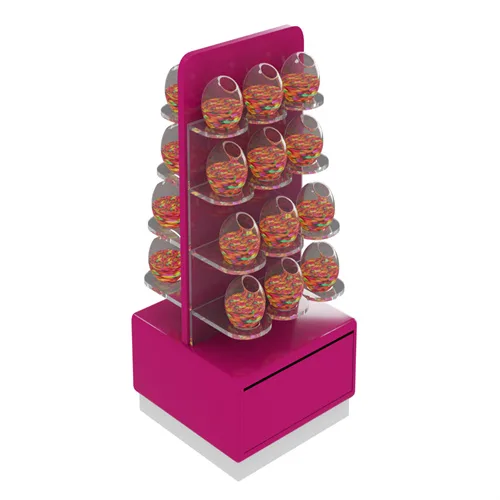
Retail Candy Display Classifications
Supermarkets adopt systematic shelf setups to maximize visibility and sales. Main aisle shelves use vertical segmentation: top tiers for premium brands, middle rows for bestsellers like chocolate bars, and lower shelves for budget candies. Endcap displays at aisle corners often feature rotating metal racks for impulse buys like chewing gum or mini candy bars. Price tags and promotional stickers are strategically placed at eye level to drive purchases.
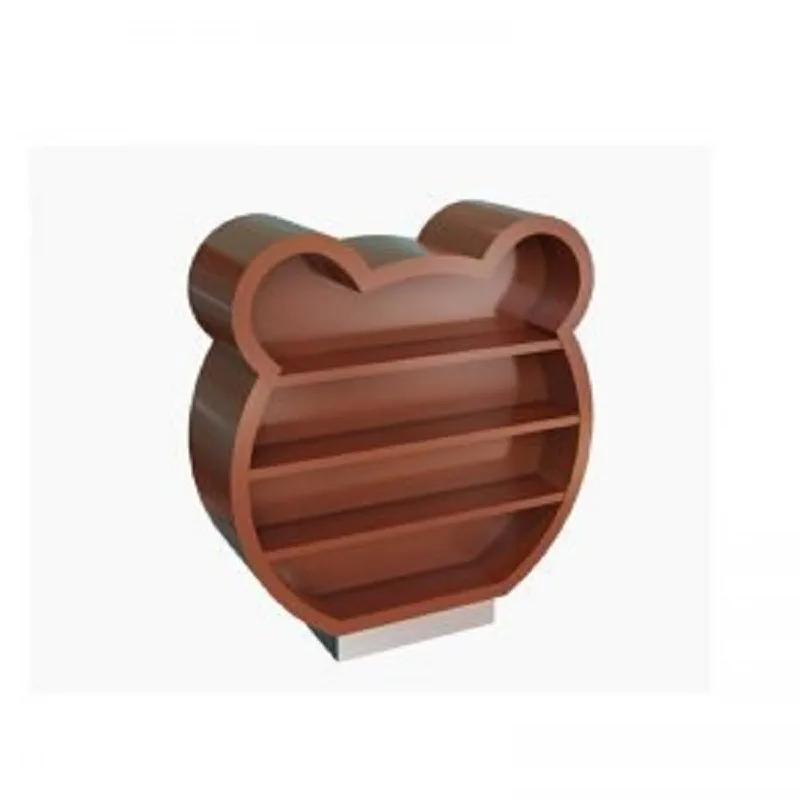
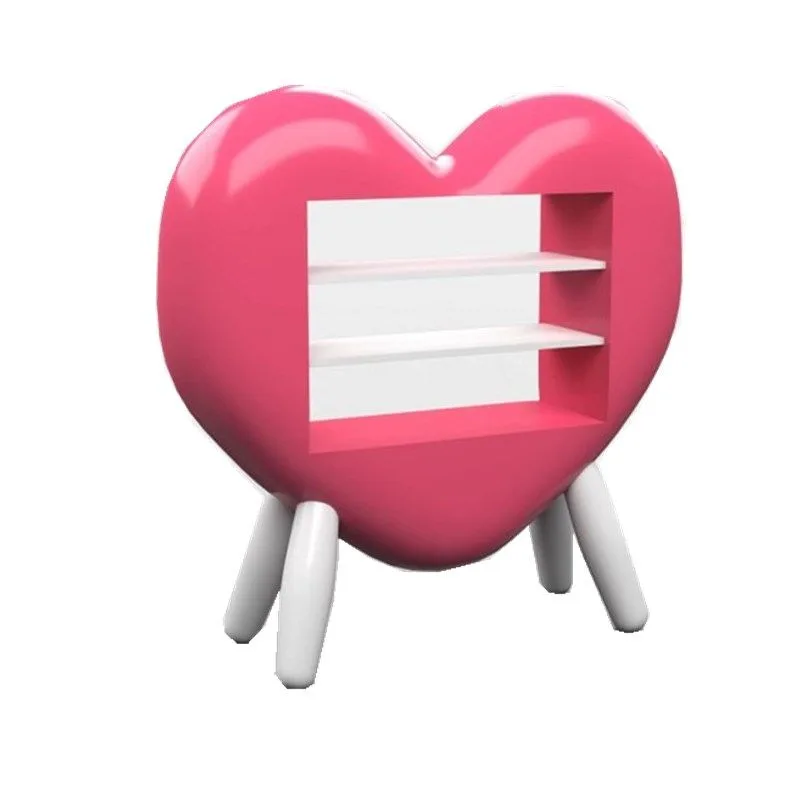
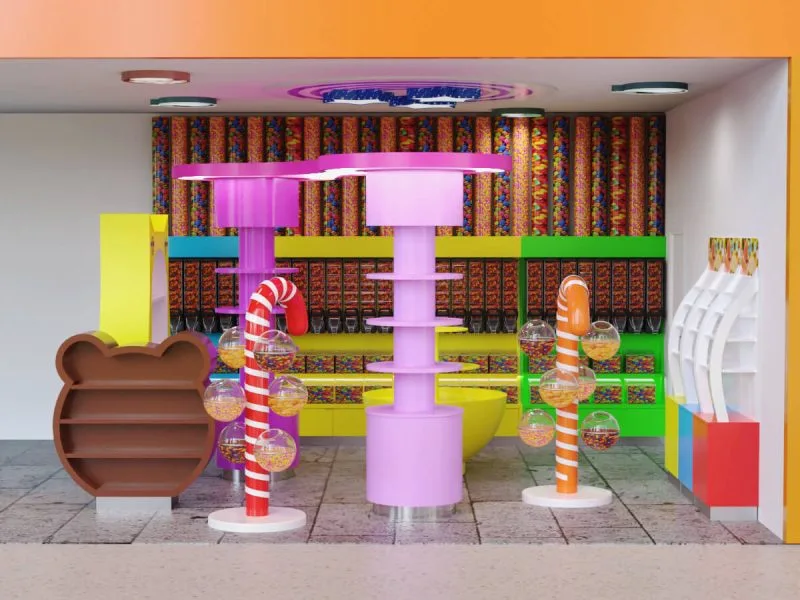
Candy boutiques craft immersive experiences through thematic displays. A vintage-style store might use distressed wooden stands with glass tops, showcasing retro candies in mason jars alongside nostalgic signage. Children’s stores employ cartoon-shaped plastic racks—like giant lollipop-themed shelves—for colorful gummies, with interactive stations letting kids fill bags with self-selected treats. These setups prioritize storytelling over mere product placement.
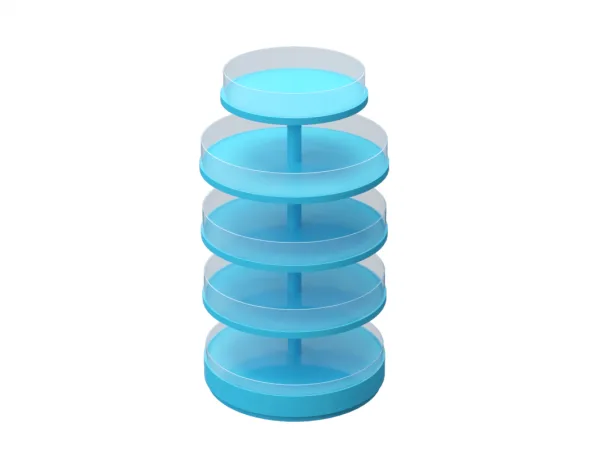
Convenience stores opt for space-efficient racks due to limited floor area. Wall-mounted wire grids with hooks display small candy bags, while countertop rotating stands hold bite-sized chocolates or mints. Refrigerated glass cases near checkout feature chilled chocolate bars or fruity gummies, capitalizing on last-minute purchases with quick accessibility and high turnover.
Functionality-Driven Classifications
The quality of temperature-sensitive candies is protected by using specialized display systems. Digital thermostats in refrigerated glass cases maintain ideal temperatures for chocolates and other cream-based candies which prevents melting and maintains their smooth textures. Delicate sugar confections need humidity control which some high-end displays provide. The modern displays combine functional design with visual appeal through their sleek stainless-steel frames and energy-efficient LED lighting.
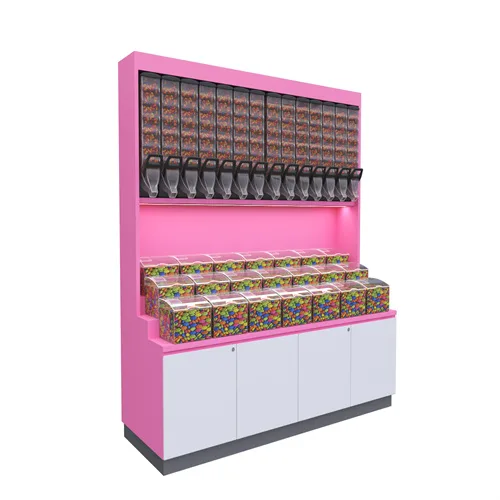
Customers can personalize their orders through interactive self-service stations. Customers can select their desired amounts of gummies, licorice, or hard candies from bulk bins that feature scoopers and weighing scales. Adjacent digital kiosks offer customers nutritional data and recipe suggestions for the candy selections. Candy stores and supermarkets implement these arrangements because they successfully draw customer interest and motivate them to buy more products.
High-value and limited-edition candy products require security-enhanced showcases to ensure their protection. Secure glass showcases with anti-theft alarms safeguard imported chocolates and rare treats while mirrored surfaces and specialized lighting make them more attractive. Fingerprint-activated displays are used by some luxury brands to provide their products with an exclusive appeal. These units integrate protective features with display elements to showcase valuable items securely.
Contact Us
Why choose candy display stands
These display stands work as visual attractions that capture customers’ focus with the bright candy colors and appealing textures. With strategic lighting arrangements combined with tiered shelving and the use of transparent materials such as glass or acrylic they manage to present products in a structured setup which enables customers to effortlessly browse and make selections. The vertical layout of display cabinets in busy retail environments allows for maximum floor space utilization while providing room for more candy options alongside improved accessibility.
Enclosed display stands with locking features protect premium and limited edition candies against theft and damage while temperature-controlled cabinets maintain chocolates and delicate sweets in perfect condition by preventing melting and spoilage. Protective barriers and dust-proof seals maintain the cleanliness and hygiene of candies to preserve their visual appeal and keep them safe for customers.
The ability to choose designs that range from rustic wooden looks to modern sleek styles enables stores to express their unique identities. A candy store with a vintage theme might display its products in antique-style glass cabinets to create nostalgic feelings while stores with modern designs could choose minimalist acrylic displays. Display cabinets that create an immersive shopping experience boost sales and create memorable customer experiences.