
Candy Display Cabinets For Shop
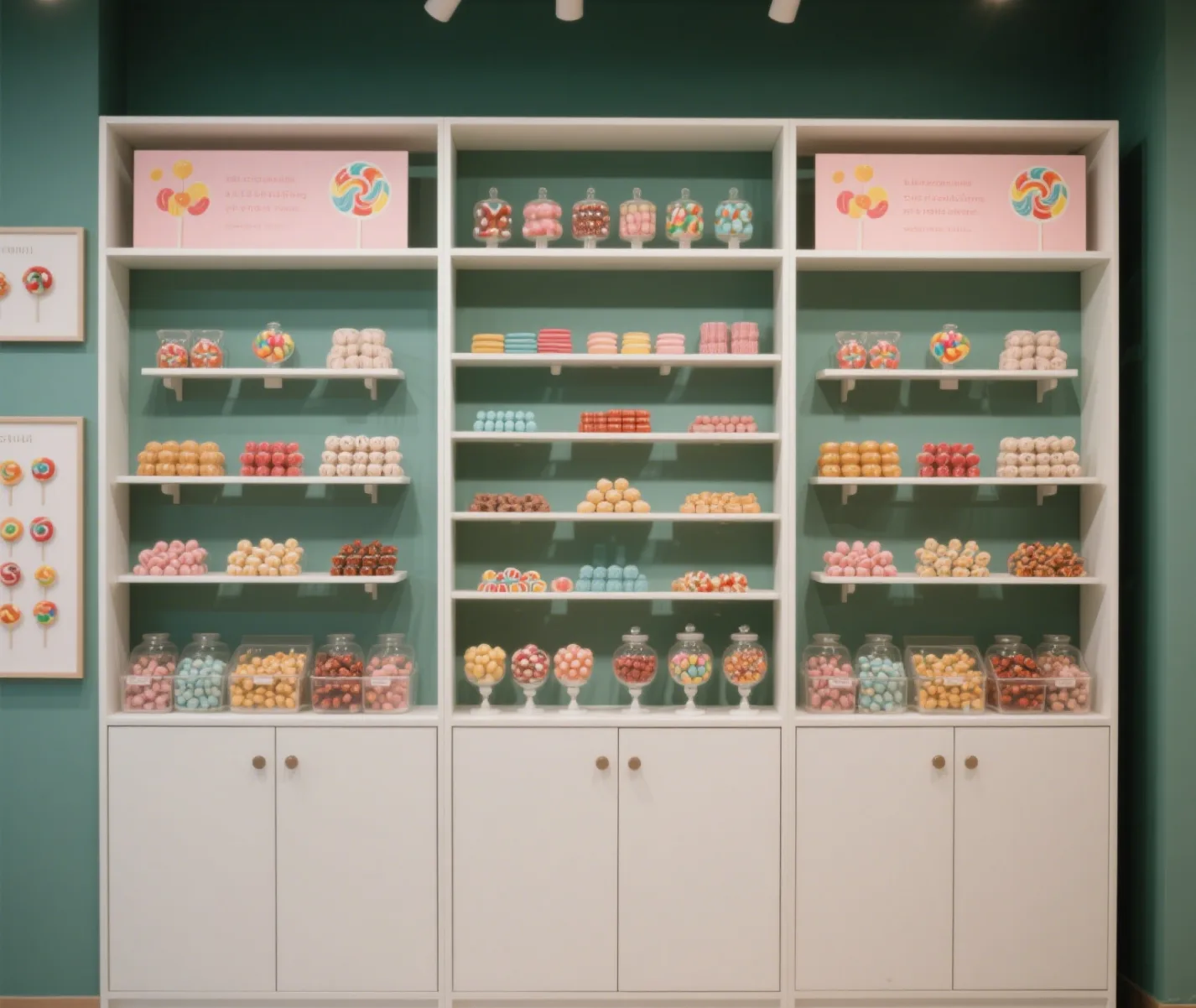
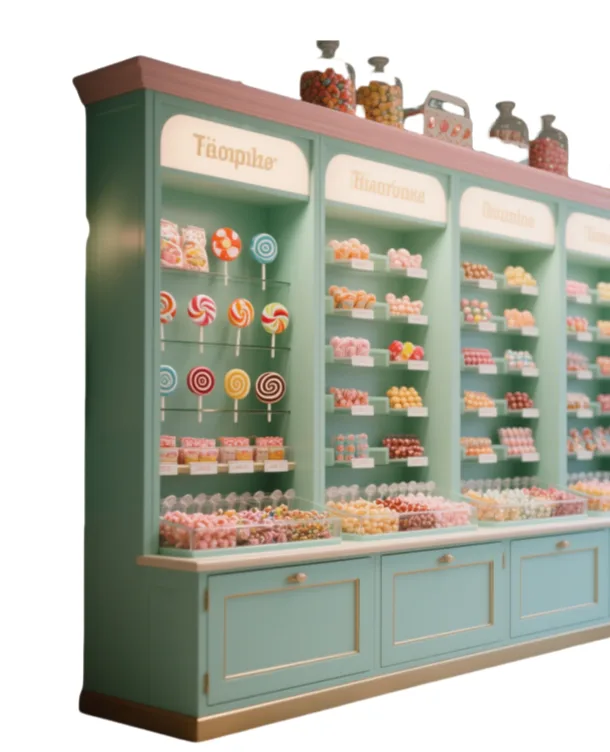
A candy wall cabinet brings packaged sweets, containers and store signage into one display run. Begin with the dimensions of the products or bins, then decide how many shelf levels can be viewed and replenished comfortably. Lower cabinetry can hold shop supplies, while a header panel can identify the range without competing with the candy itself.The cabinet and the candy container have different roles. Shelves support the display; suitable containers and the operator’s handling arrangements determine how unpackaged sweets are protected. Send Benson Display your wall measurements and container choices so we can discuss the furniture layout without assuming that an open cabinet provides sealed storage.
- Dimensions:Specify from the wall plan and selected containers.
- Material options:Confirm panel construction and finish samples for the project.
- Optional details:Discuss lighting, signage and container supports separately.
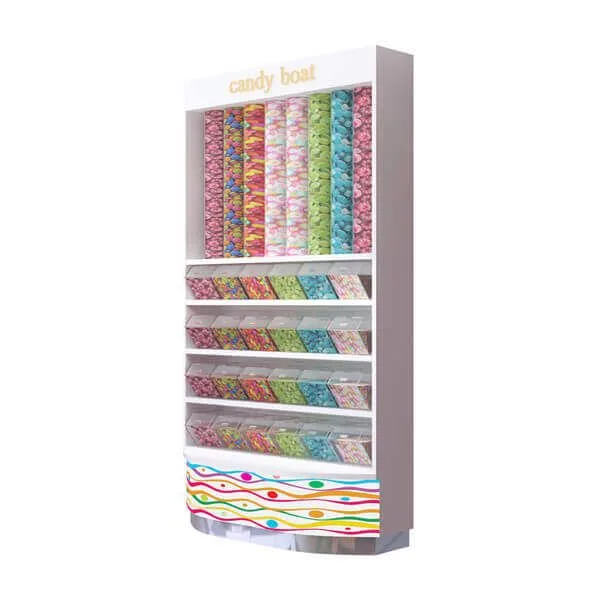
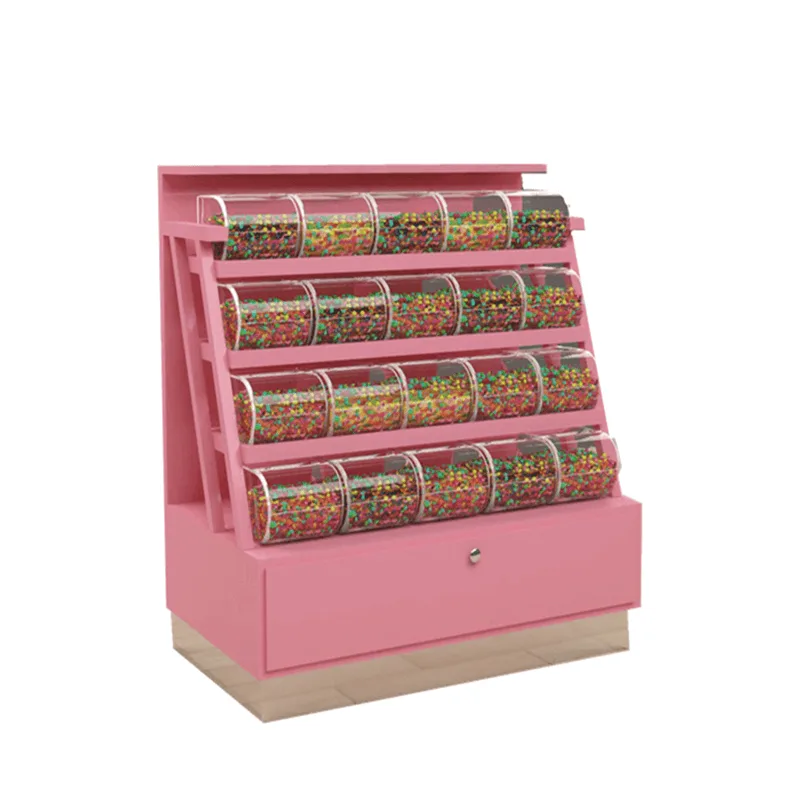
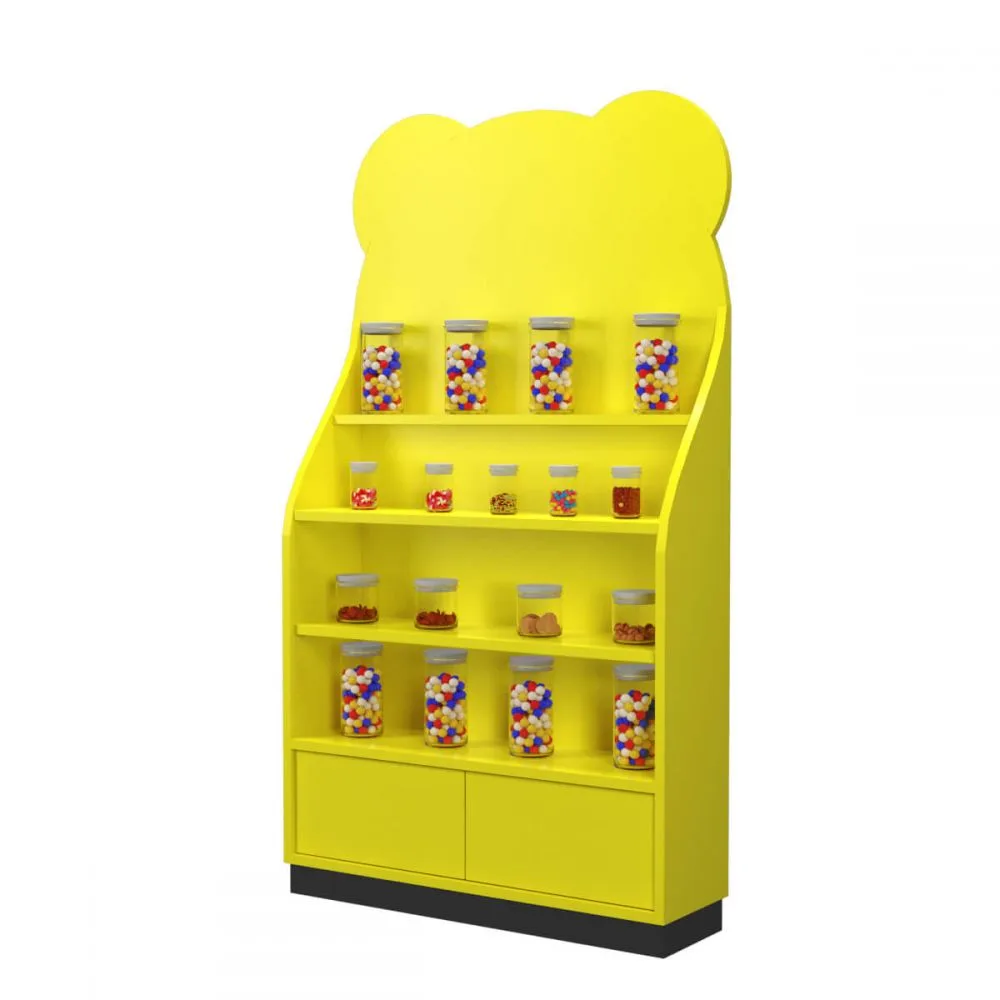
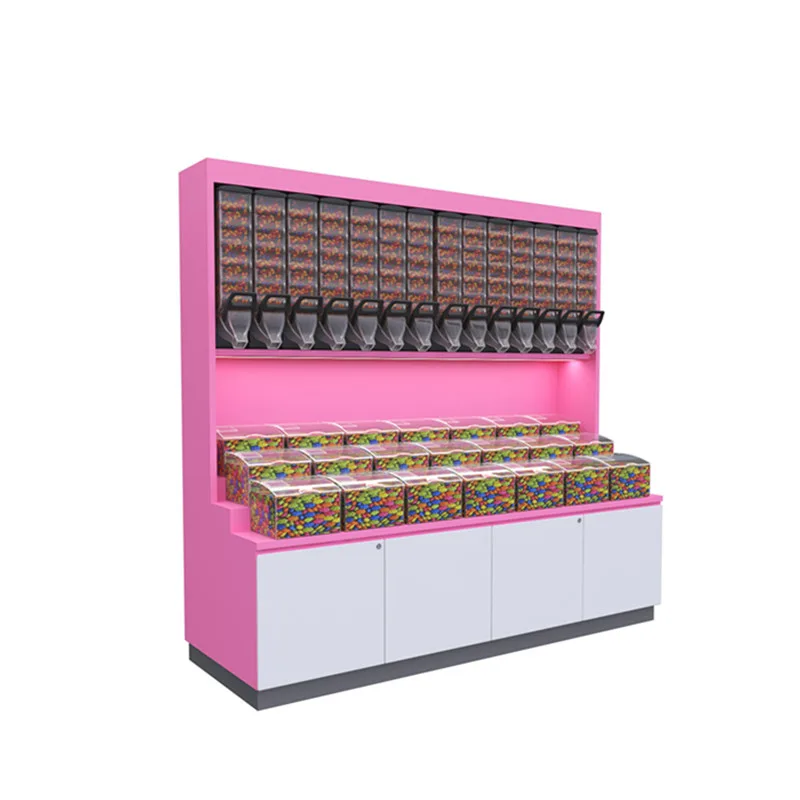
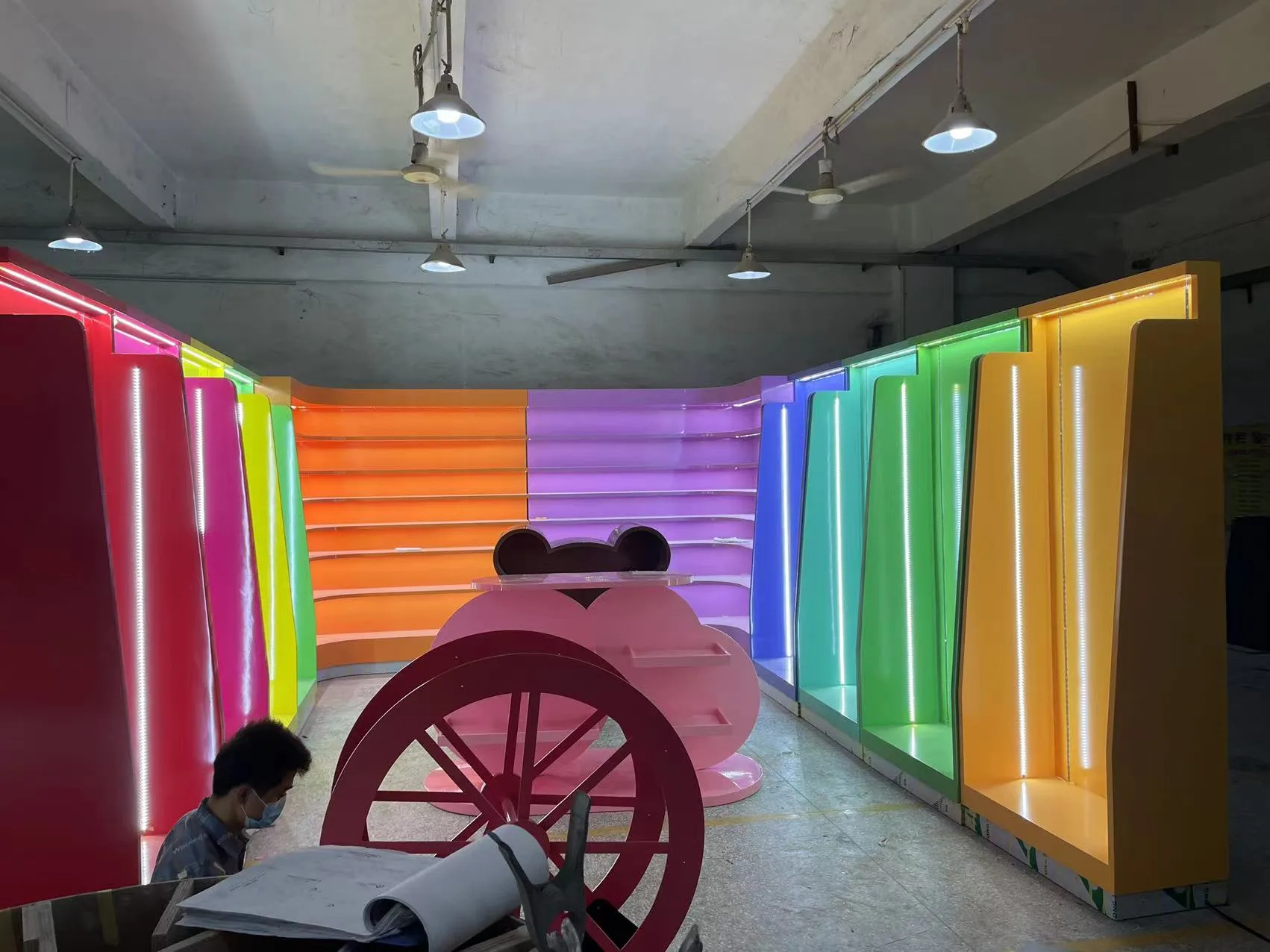
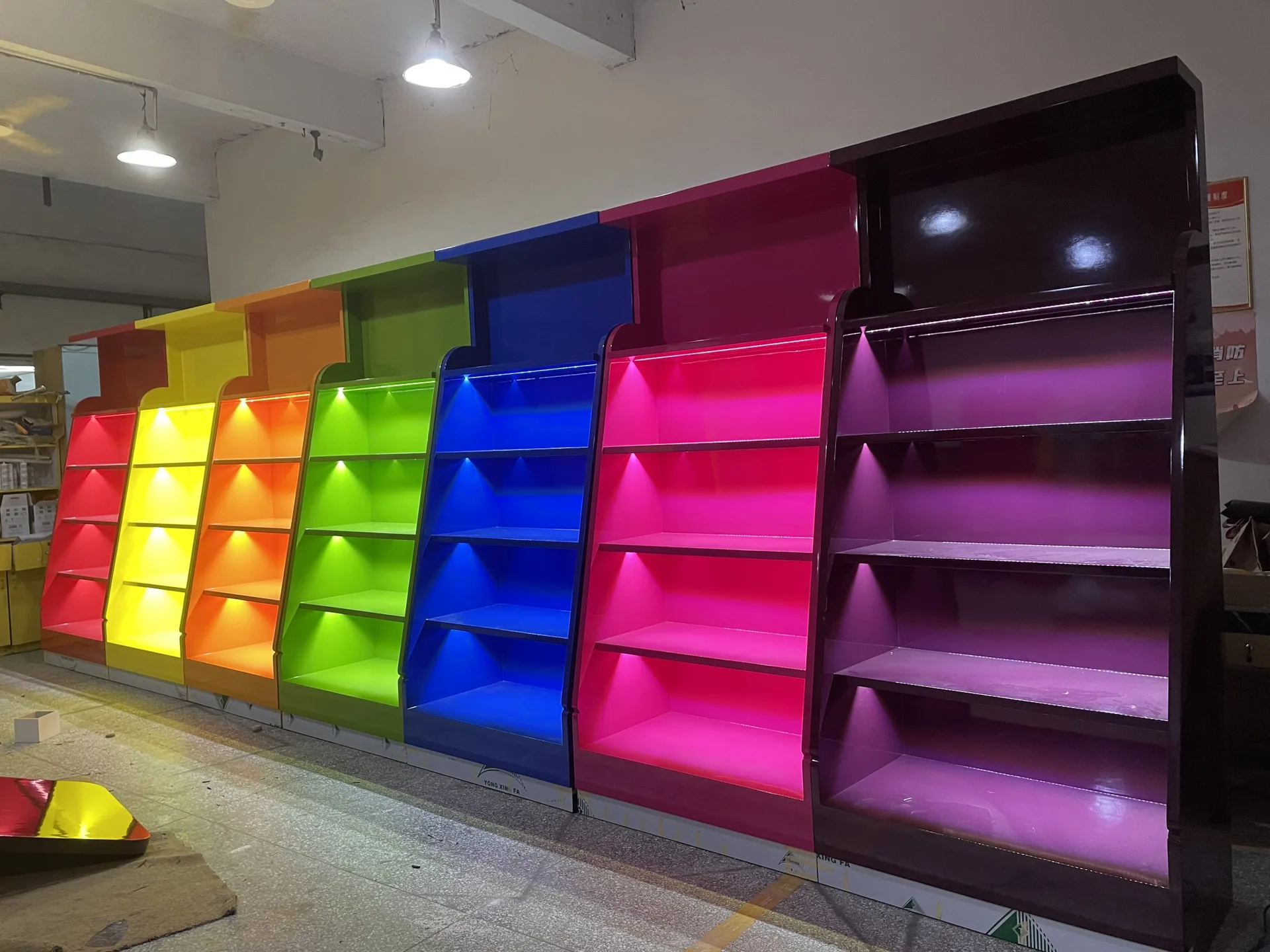


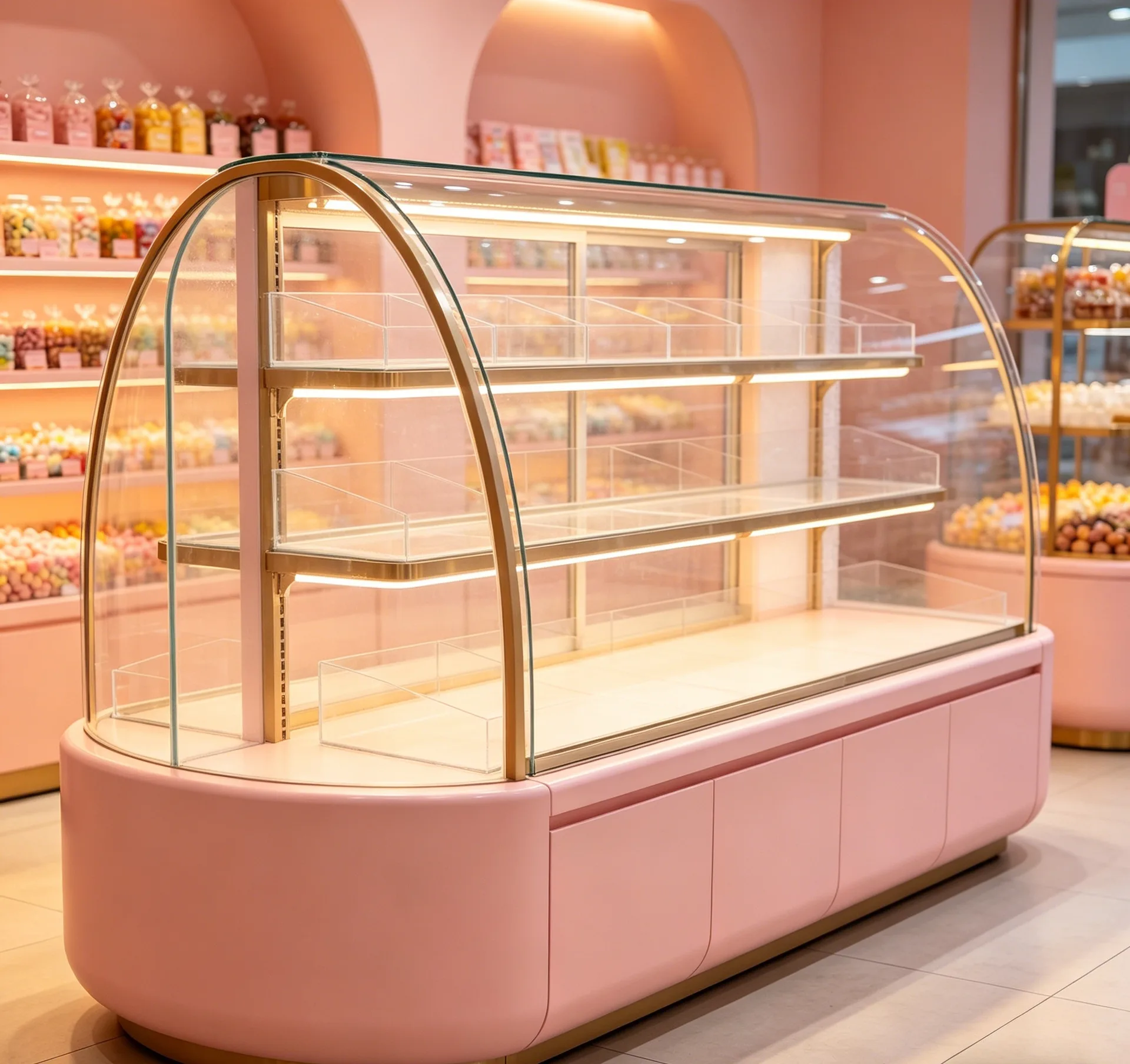
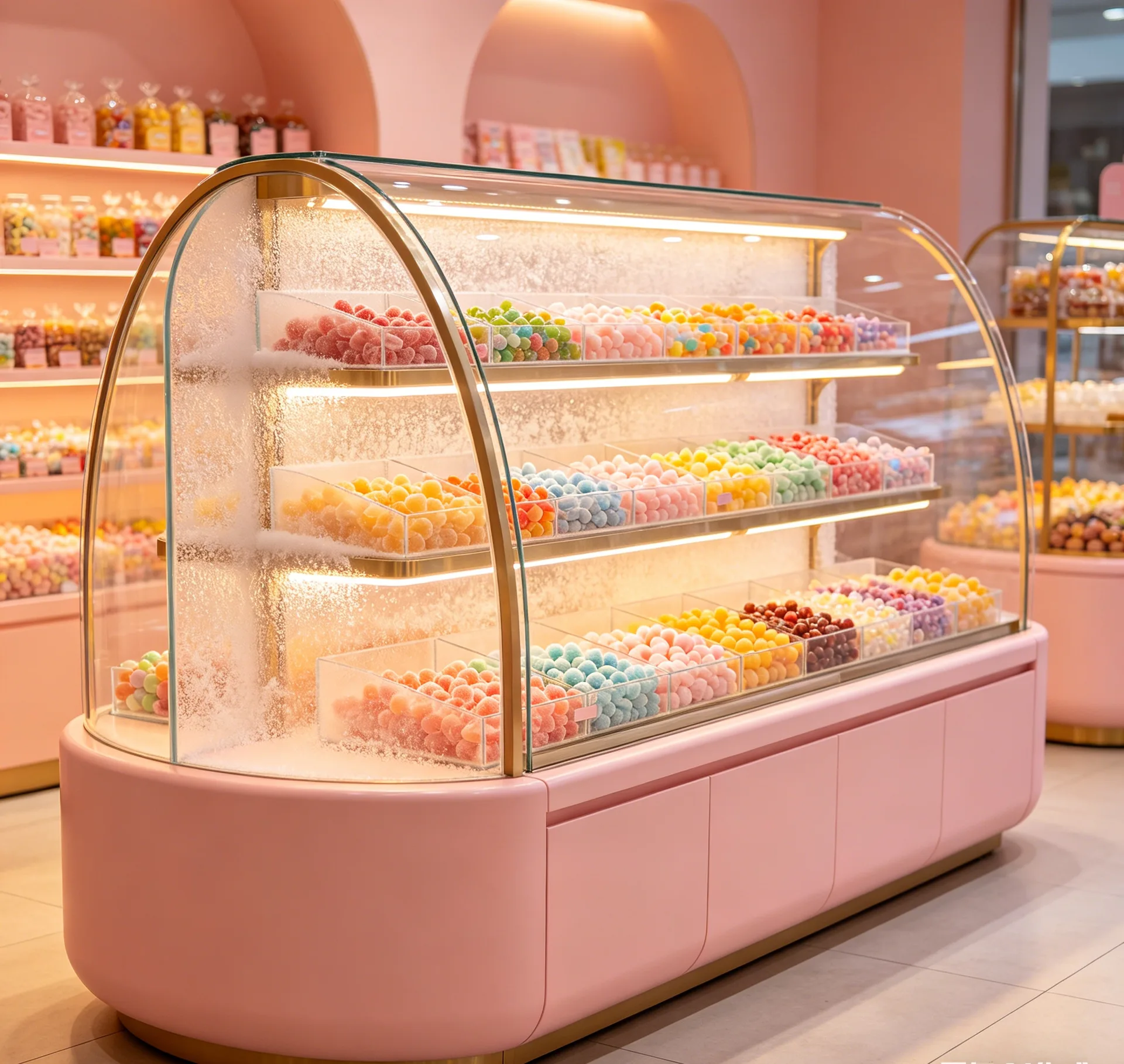
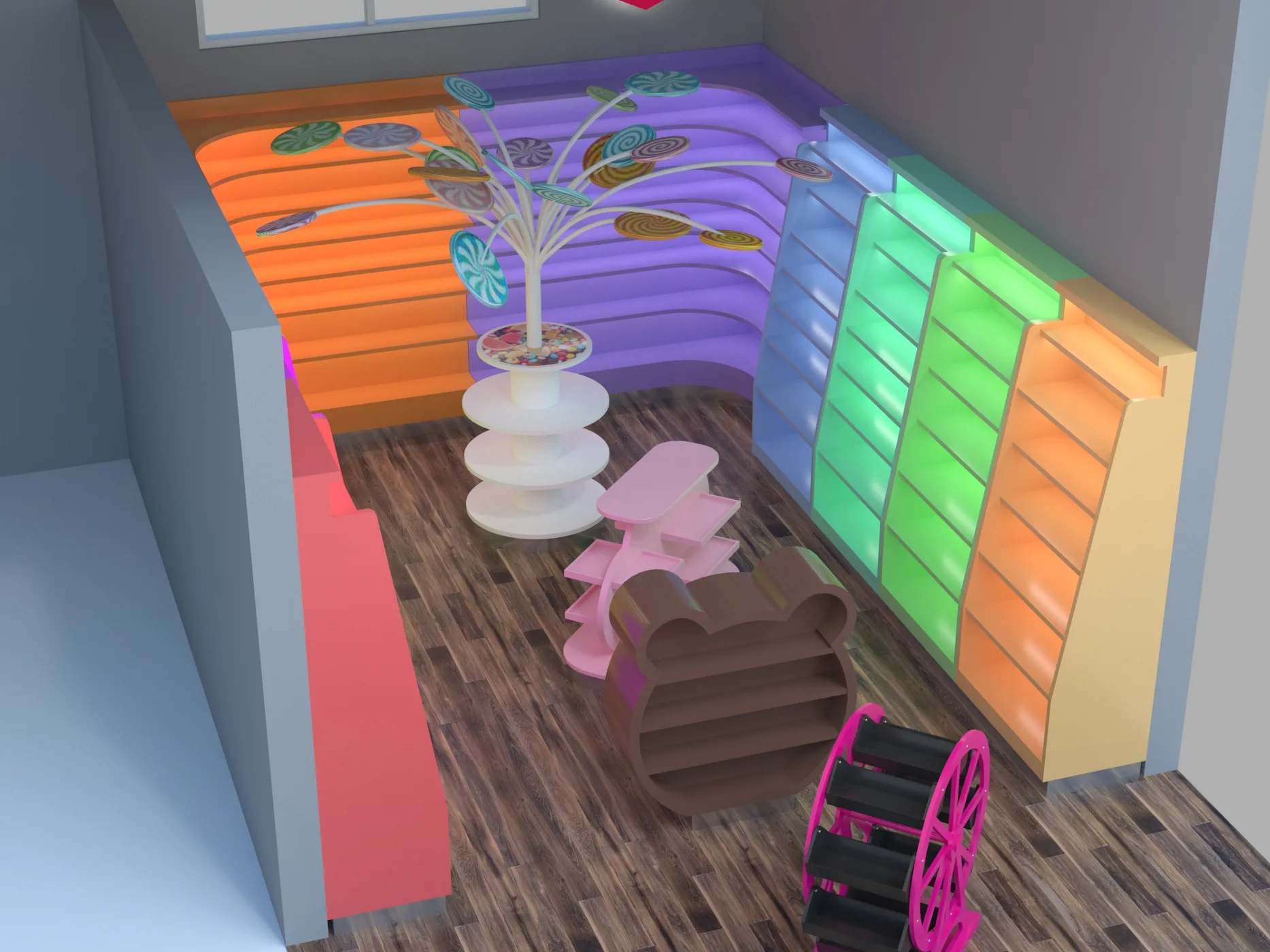
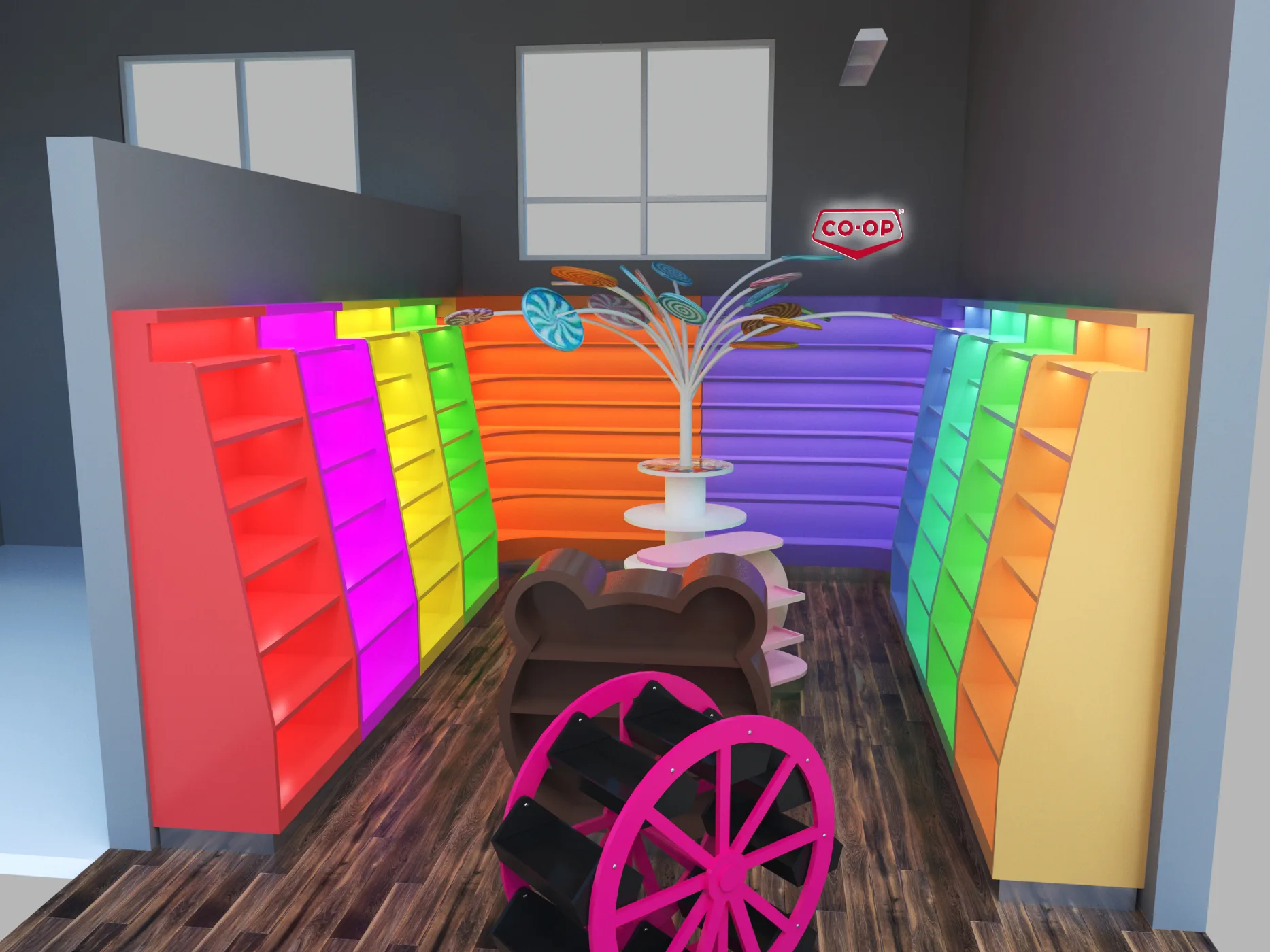
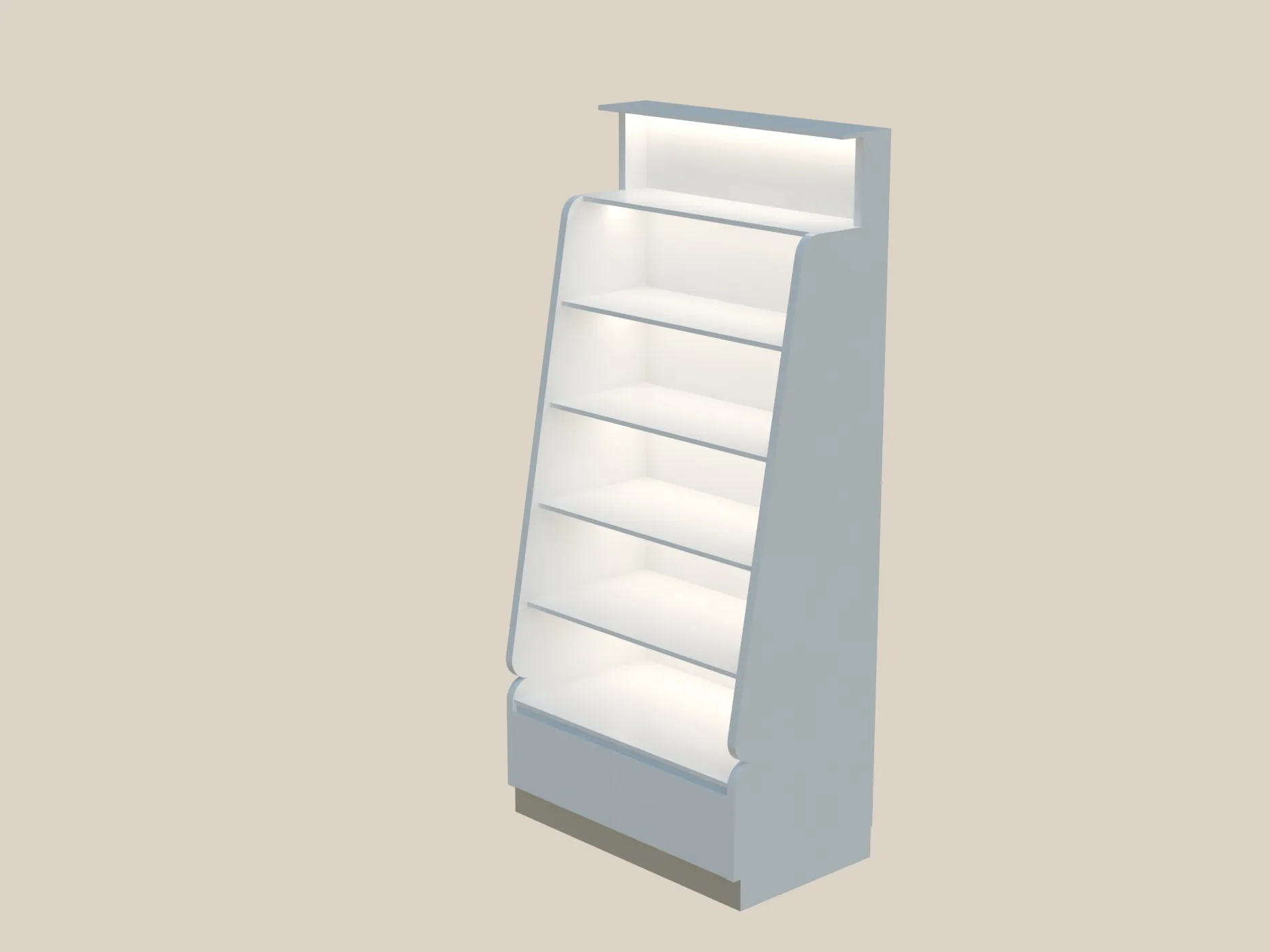
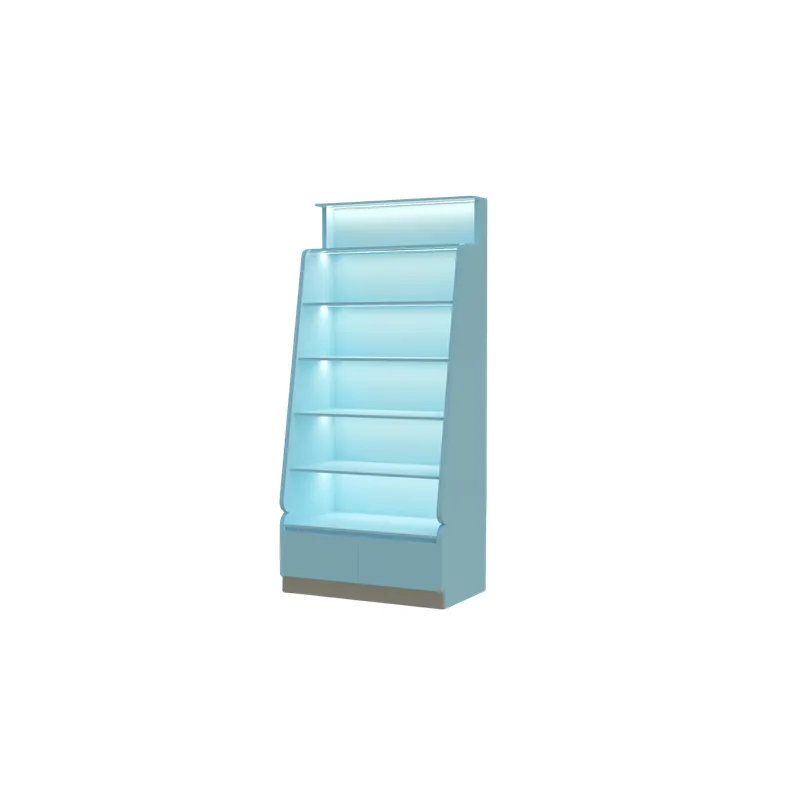
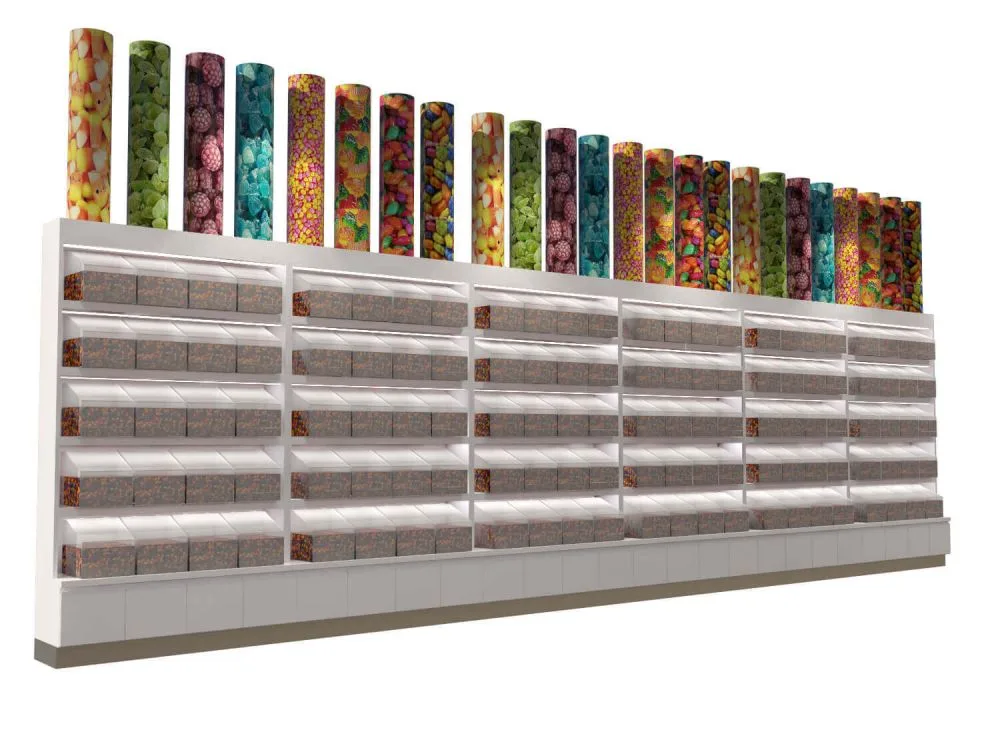
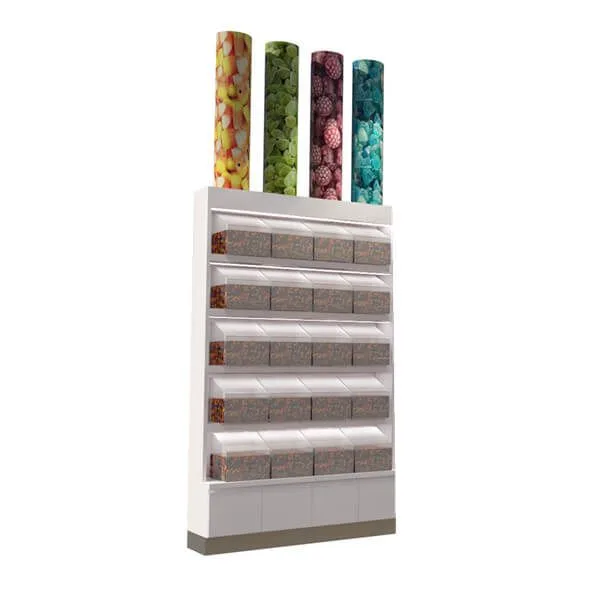
Candy Wall Cabinets & Shelf Layouts
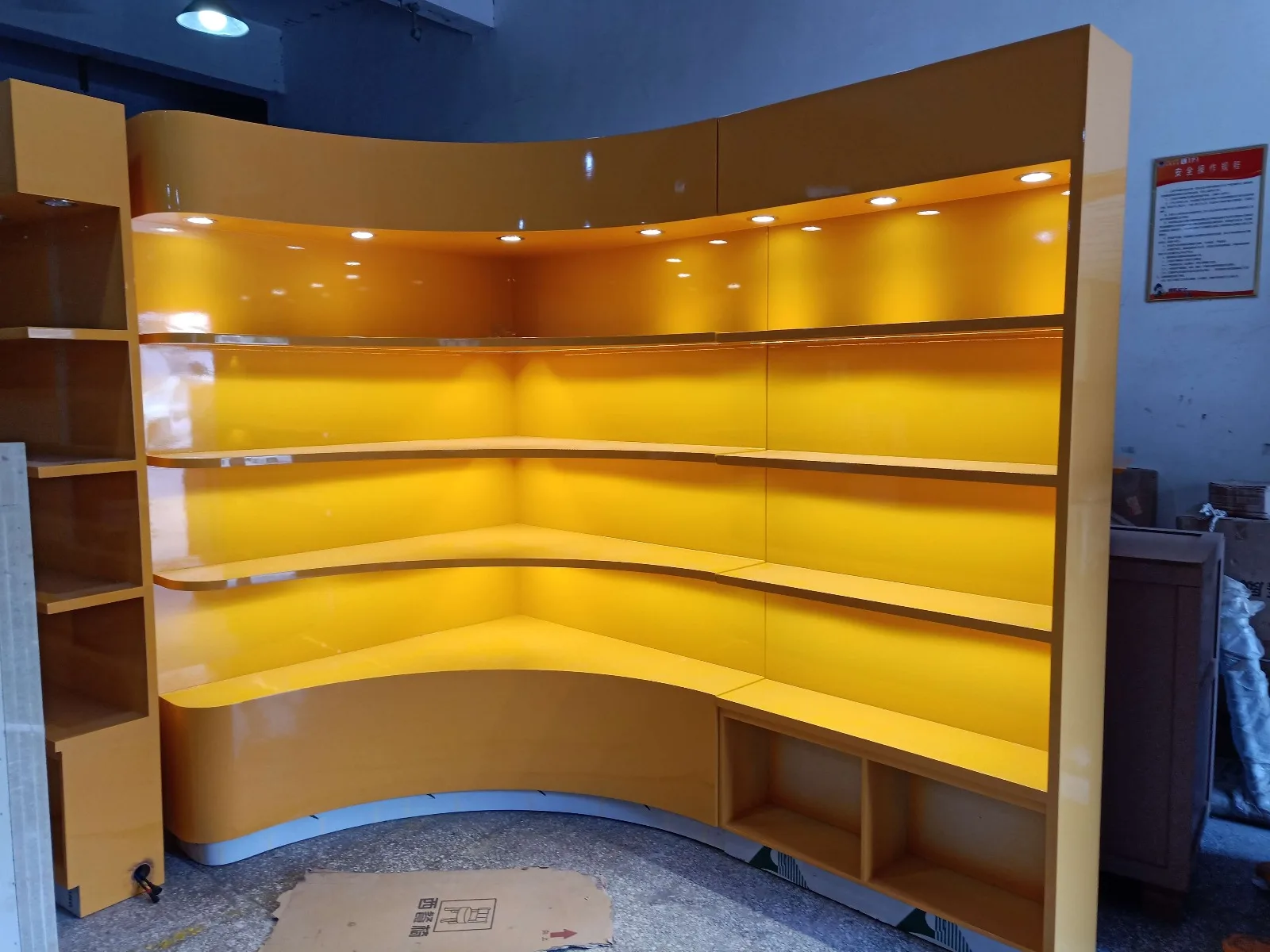
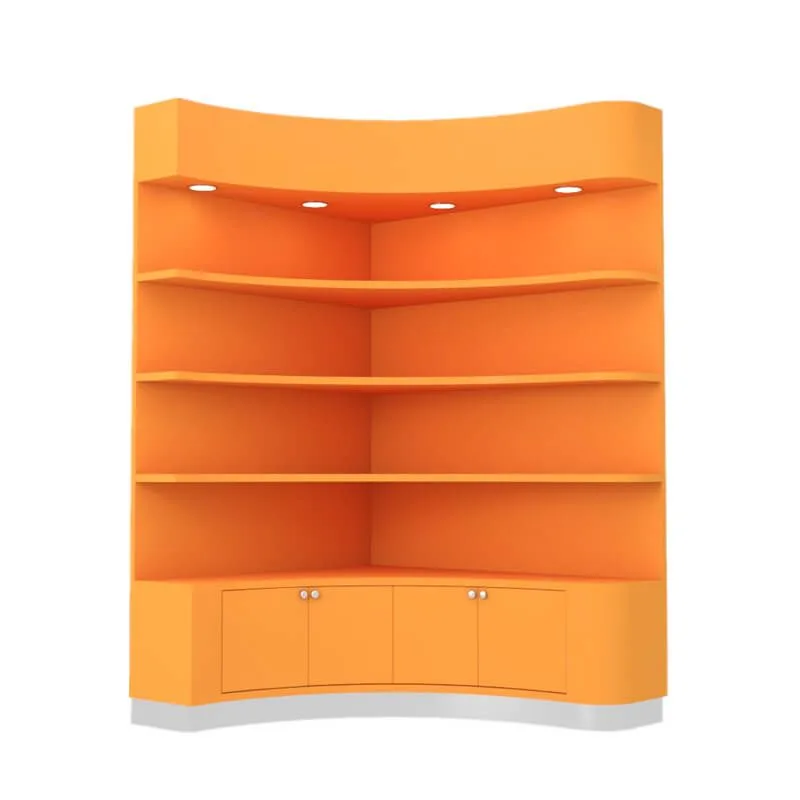
Treat a long candy wall as a series of usable bays. Mark the product groups, label positions and how staff will refill each shelf. A cabinet with a decorative top may suit a themed shop, but its upper section should not be confused with everyday stock access. Confirm whether adjacent units share panels or are installed individually, and allow for corners, sockets and any uneven walls.
Not every wall needs full-height cabinetry. Leave room for information, service access or a visual break where that serves the layout. Compare the depth of the complete display, including containers projecting beyond the shelf edge. Show lower cabinet doors open on the plan so that replenishment does not block customers passing through the aisle.
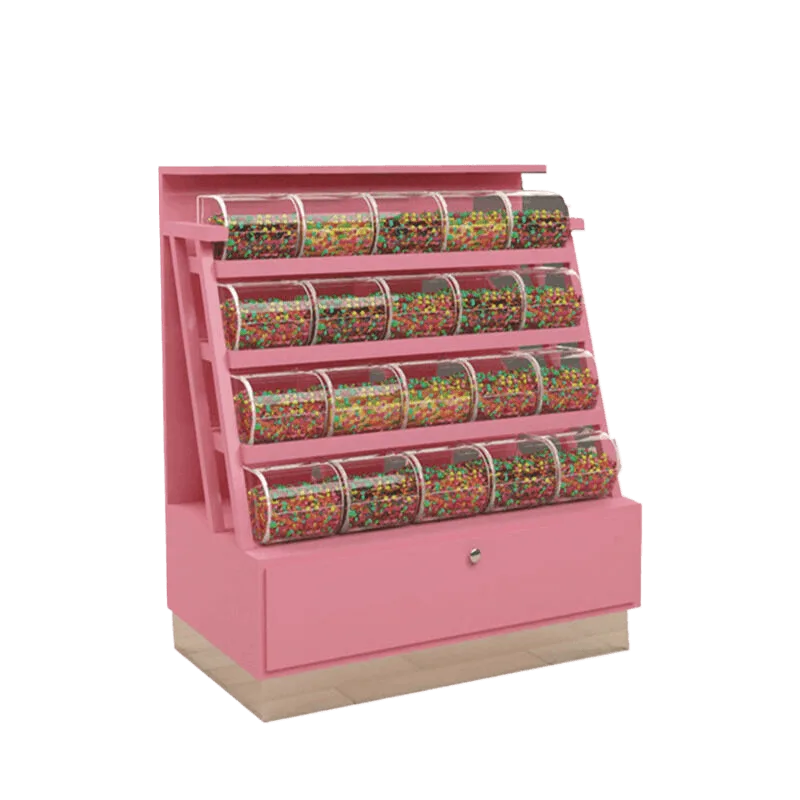
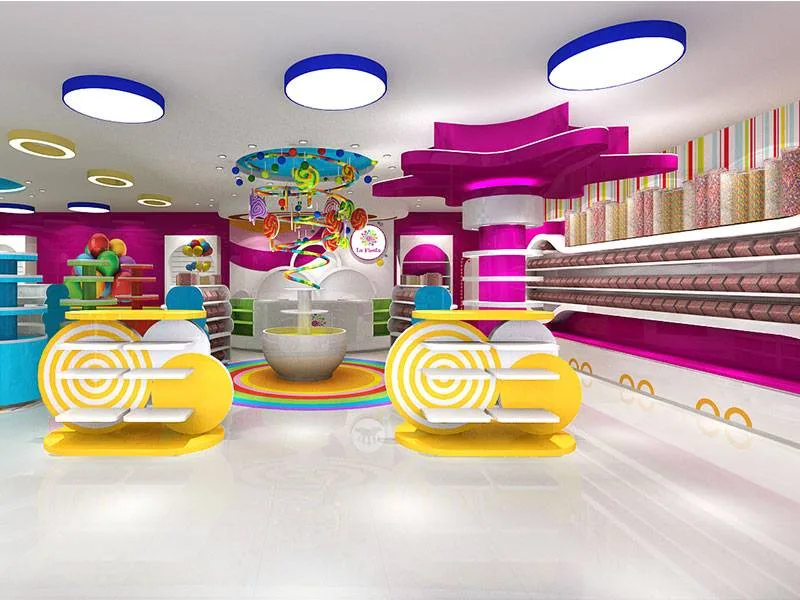
Candy Cabinet Materials & Finish Samples
Select cabinet materials by separating appearance, construction and surface care. The painted face, shelf core and support frame may be different materials, each requiring its own specification. A color sample should be reviewed beside the packaging and shop lighting.
- Painted MDF can provide a smooth-looking colored panel. Ask how edges and joints are finished, and confirm the recommended cleaning method. The use of a painted board does not establish suitability for direct food contact.
- Plywood-based cabinetry can be specified with a decorative surface where appropriate. Confirm the exact panel, finish and edge treatment rather than assuming every plywood cabinet has the same resistance to wear or moisture.
- Metal framing creates a different visual outline and support arrangement. Record the selected finish, shelf connections and fixing details. Where containers rest on the frame or shelf, check the contact points and actual load requirements.
Discuss Your Candy Display Cabinets
Prepare a wall elevation and a list of the sweets or containers to be displayed.Include shelf quantities, packaging dimensions and whether each section is customer-facing or staff-served. Mark label holders and any lower storage in the same brief.
Benson Display can discuss candy wall cabinets alongside freestanding fixtures so their heights, colors and signage relate to one another. Reference pictures are useful for direction, but dimensions and features need an agreed project specification.Before ordering, confirm materials, quantities, lighting scope and installation responsibilities. Food-contact requirements and storage conditions must be checked separately for the actual products and containers.