
Custom Museum Display Cases
Benson Display offers customized high-quality museum display cases, vitrines, and pedestal showcases at reasonable prices.
Leading Manufacturer of Customized Museum Showcase & Art Gallery Exhibit Furniture
Benson Display offers modular display solutions and customized display solutions with freestanding museum showcases, tabletop showcases, wall-mounted display cases, island museum display cabinets, and Pedestal display cases. Elegant design with Supreme Quality!
Our dedicated R&D center pioneers advancements in showcase microenvironment control. We relentlessly research and enhance systems to precisely regulate critical factors: air exchange rates, relative humidity levels, elimination of airborne particulates and gaseous pollutants, secure yet user-friendly access systems, and effective filtration of ultraviolet and infrared radiation. This focus enables the creation of highly stable, customized preservation environments tailored to protect even the most sensitive contents.


Original price was: $2,800.00.$2,600.00Current price is: $2,600.00.
7% Off




Original price was: $2,000.00.$1,200.00Current price is: $1,200.00.
40% Off


Original price was: $2,500.00.$2,200.00Current price is: $2,200.00.
12% Off
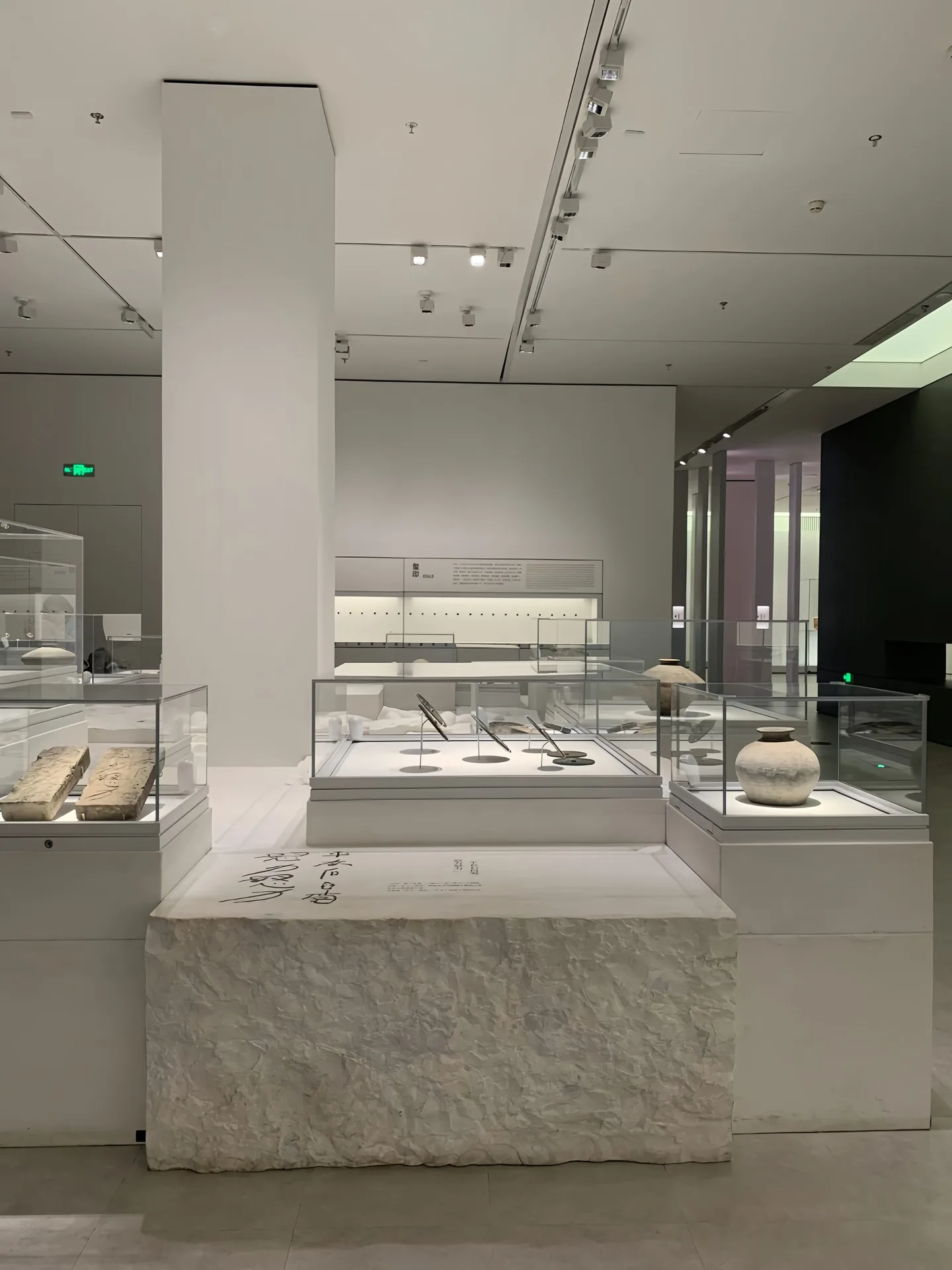
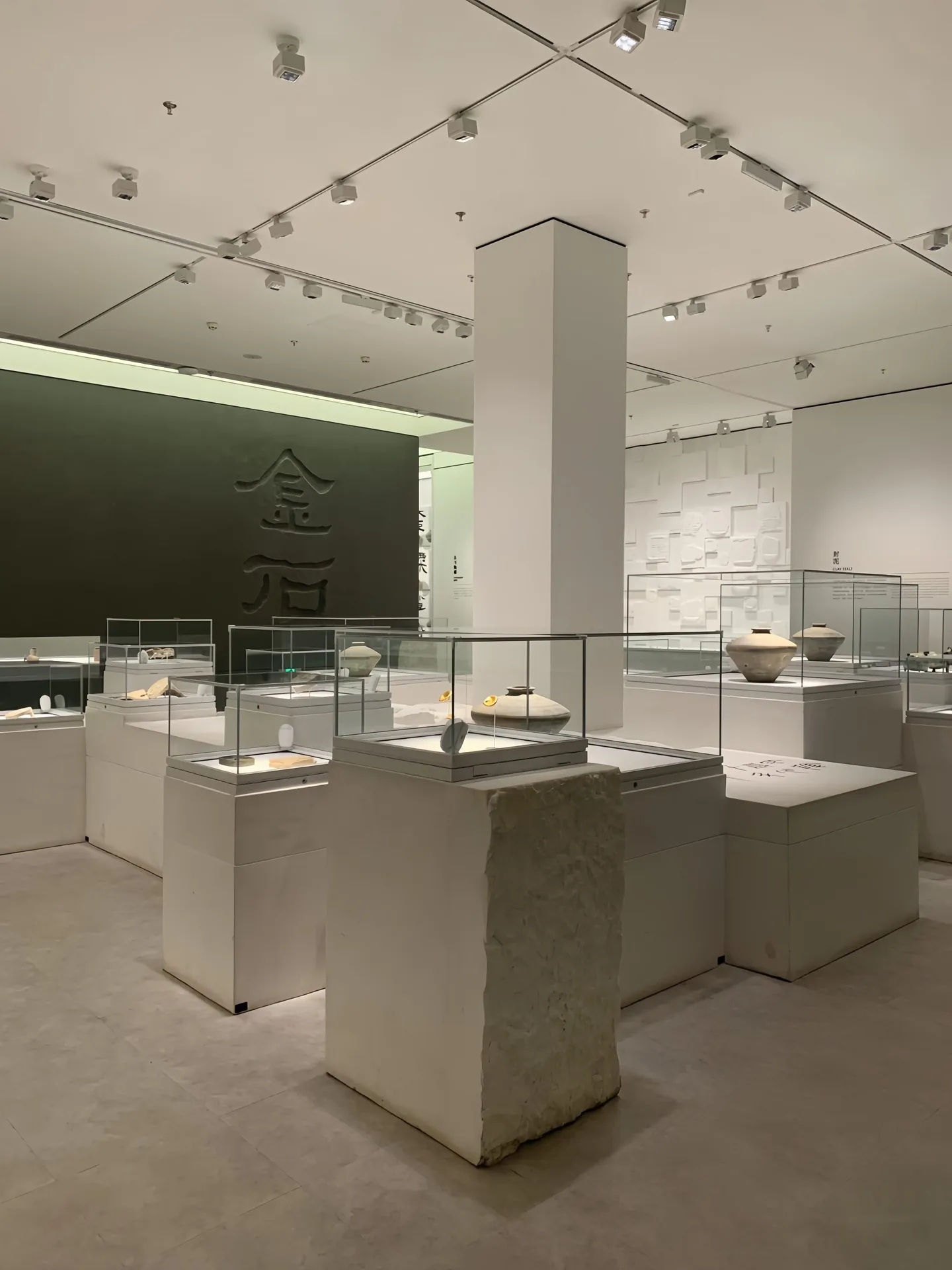
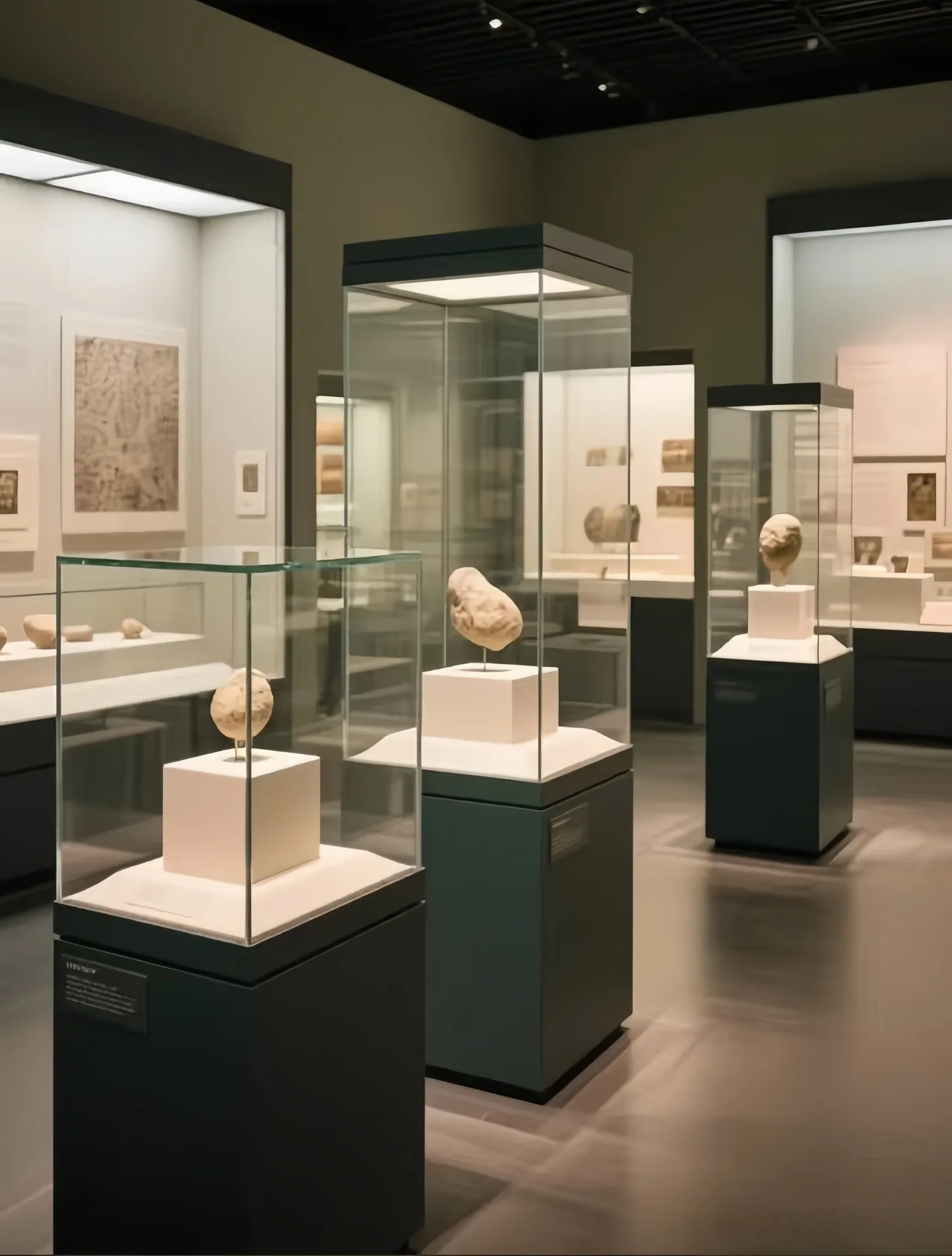
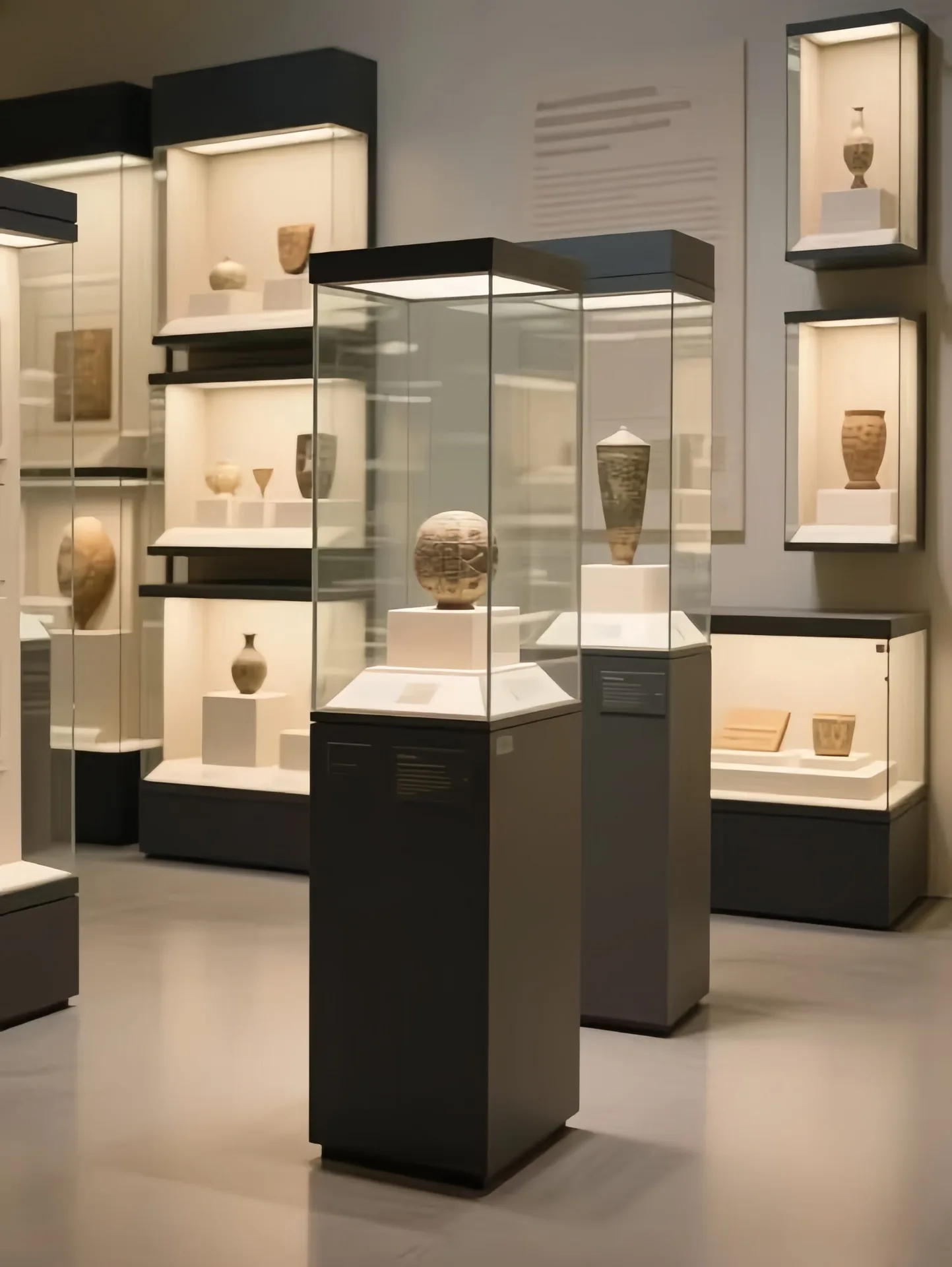
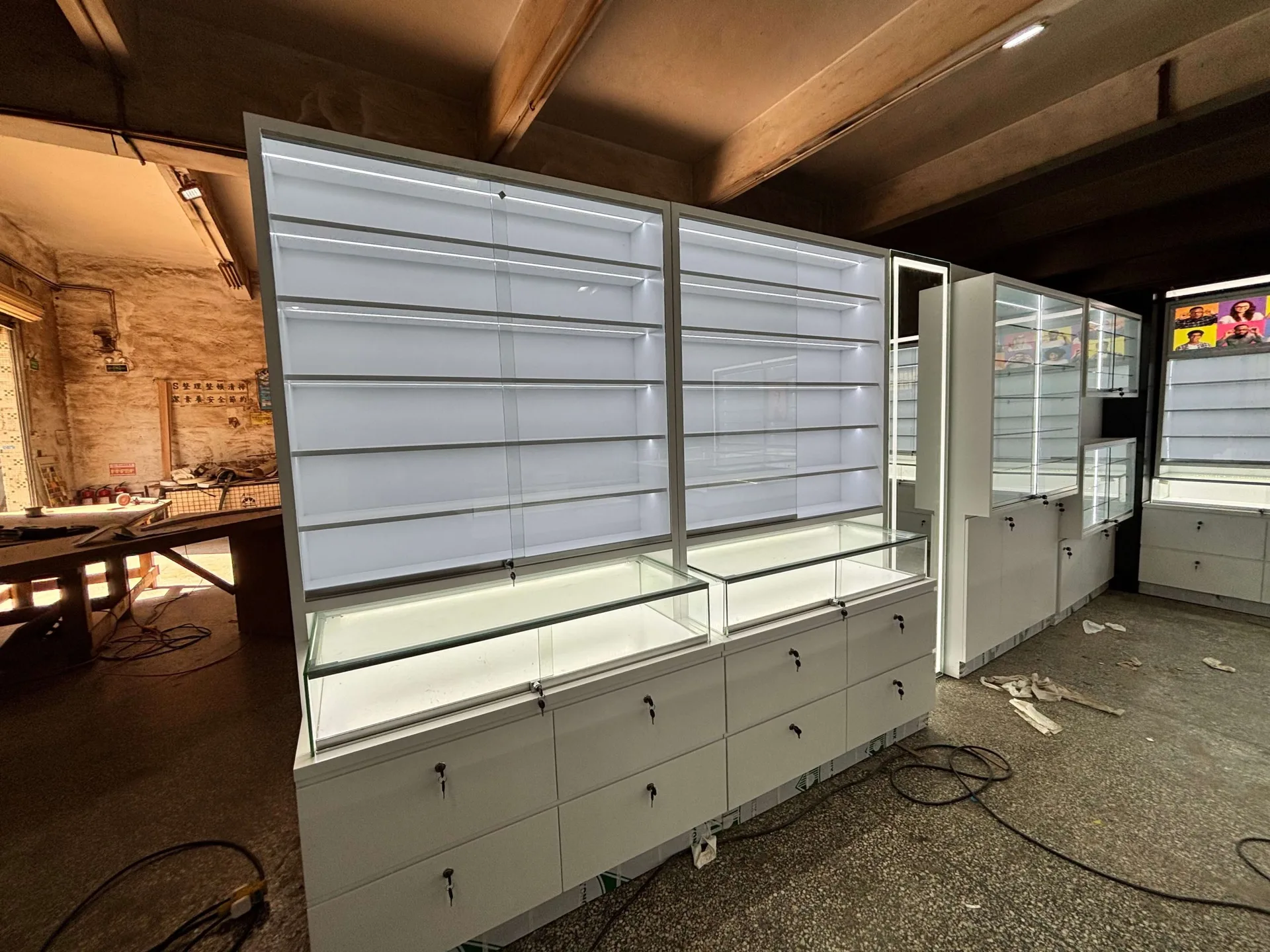
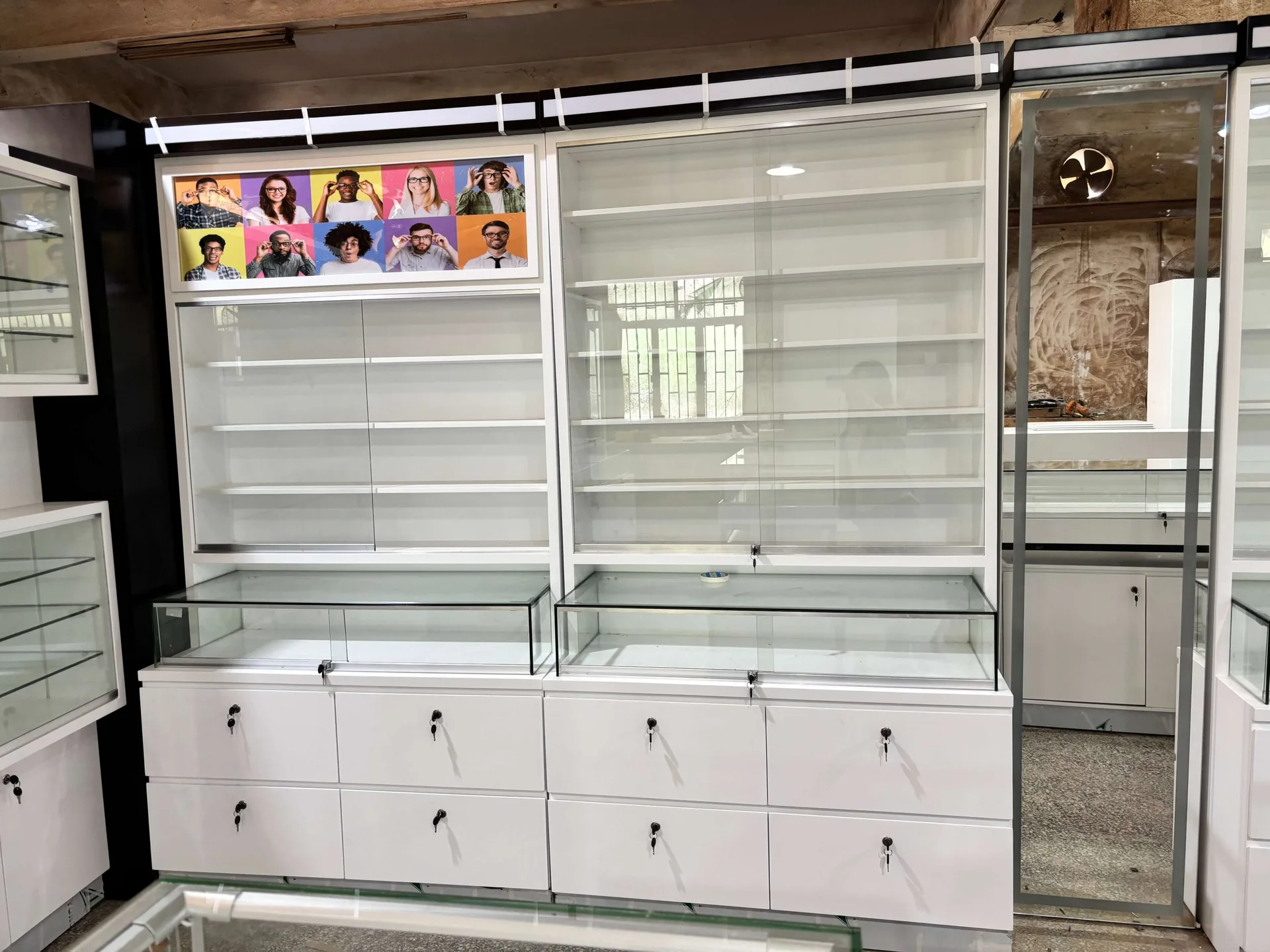
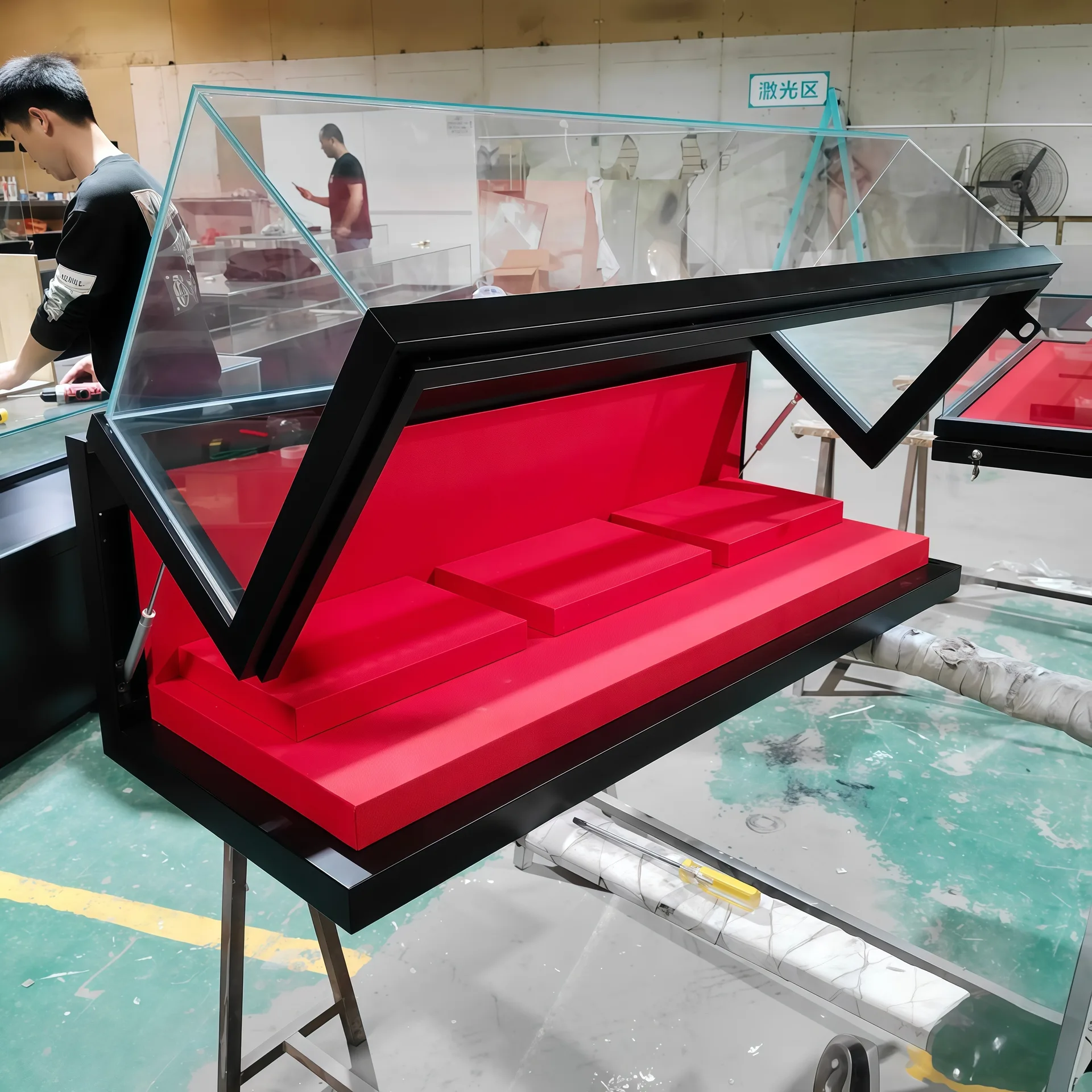
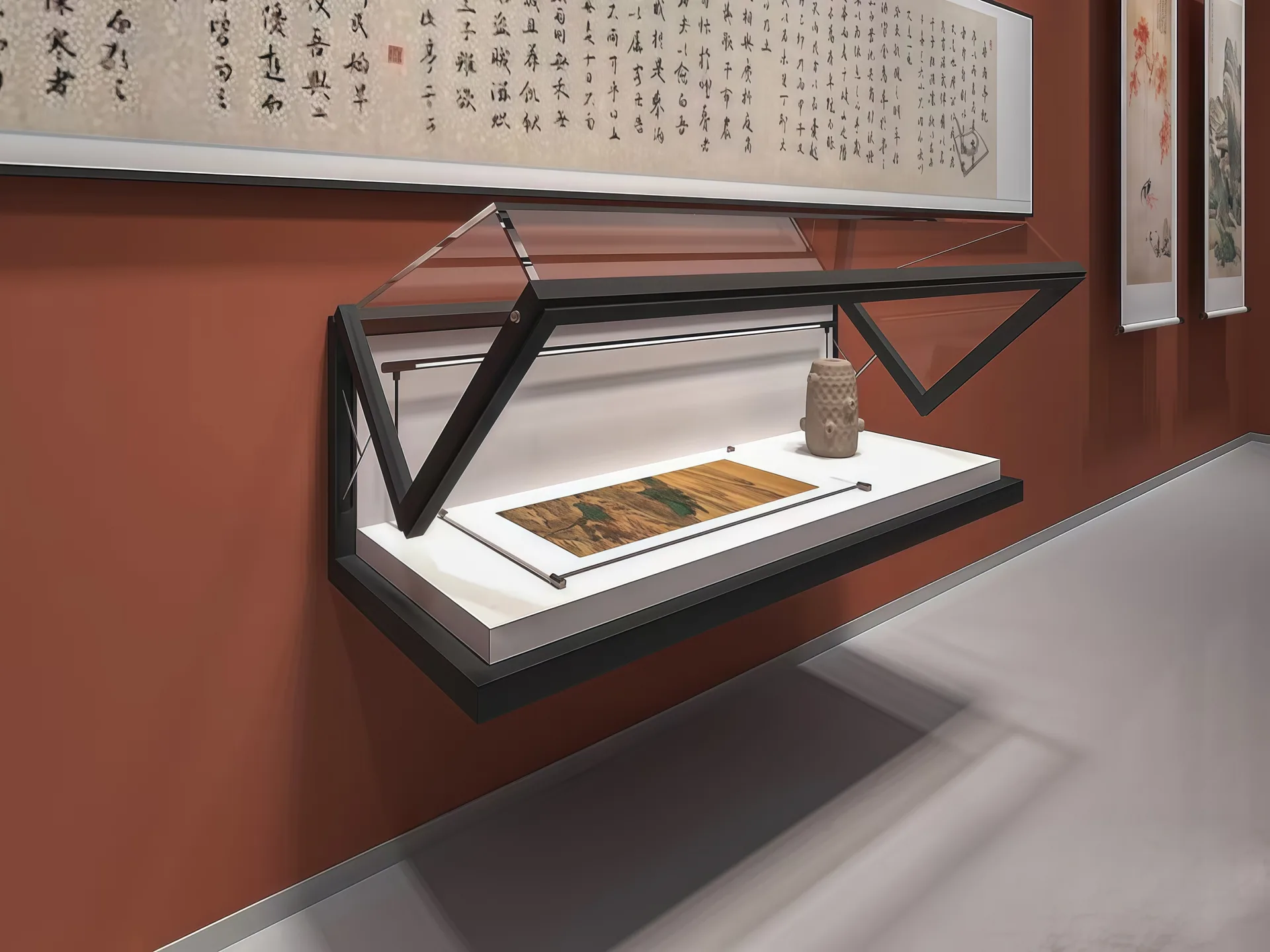
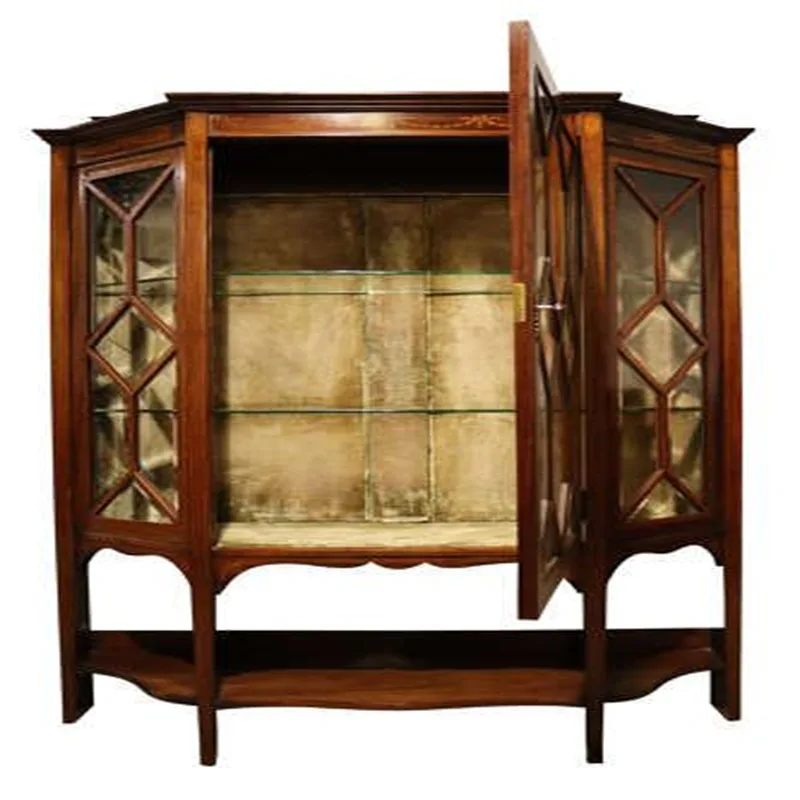
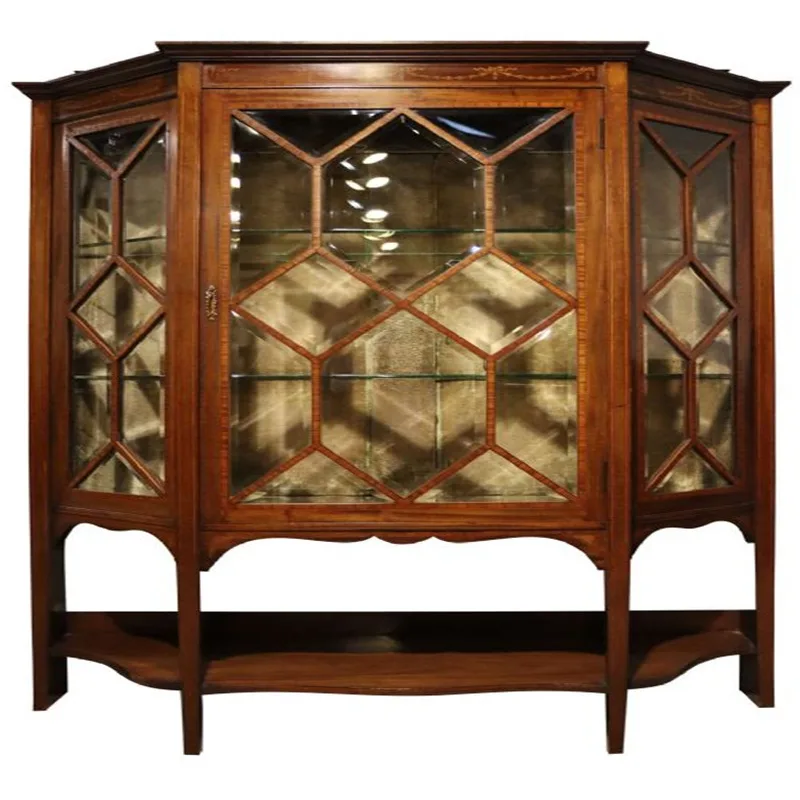
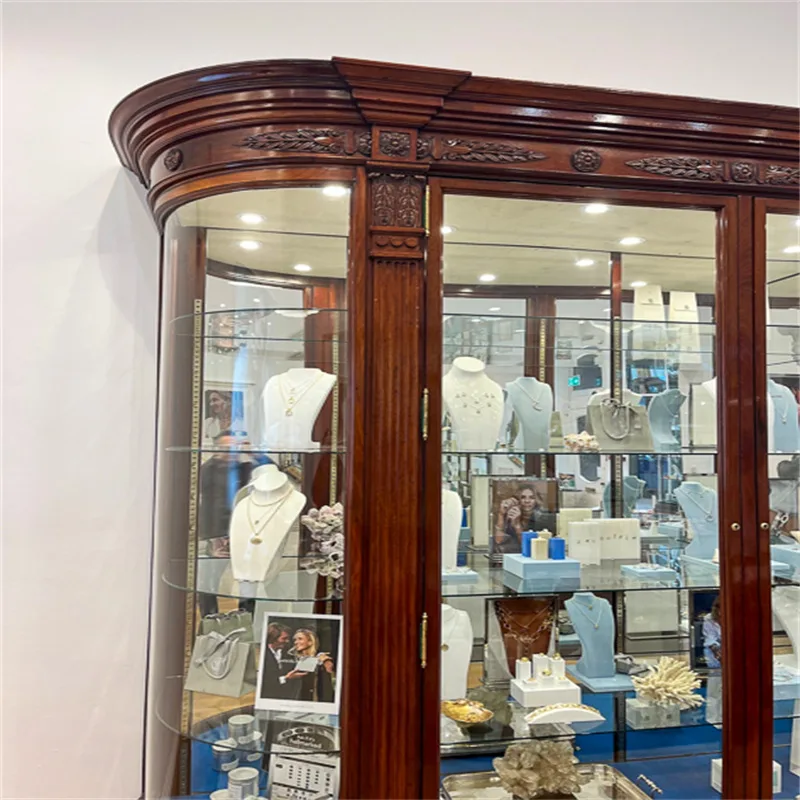
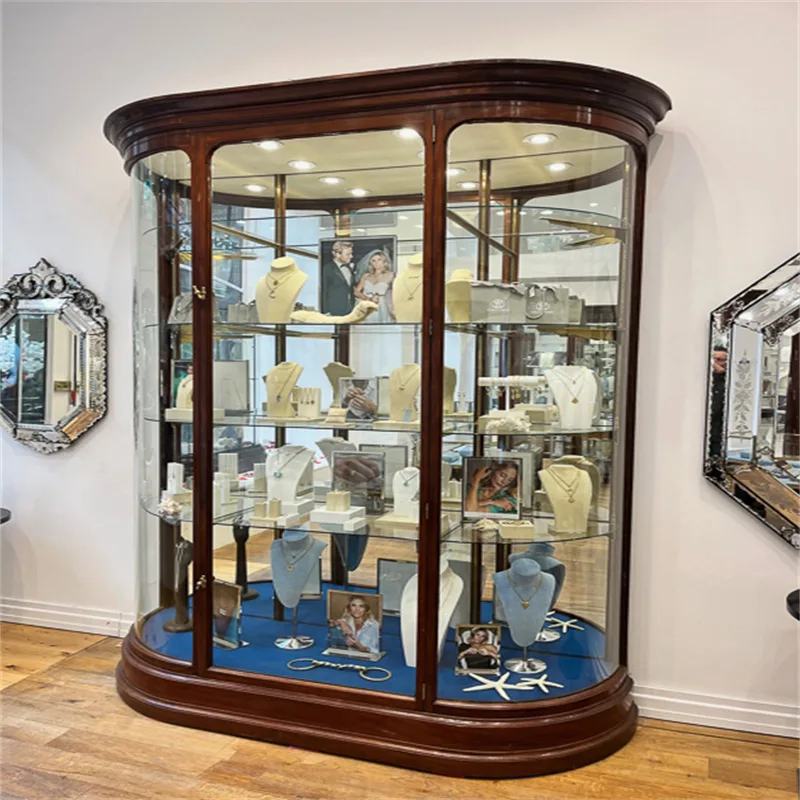
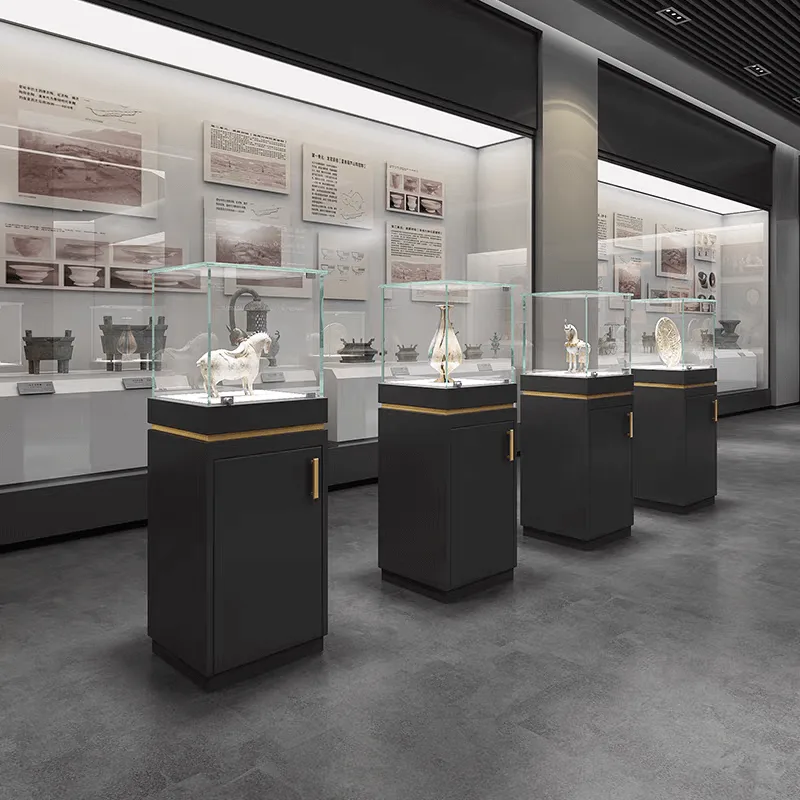
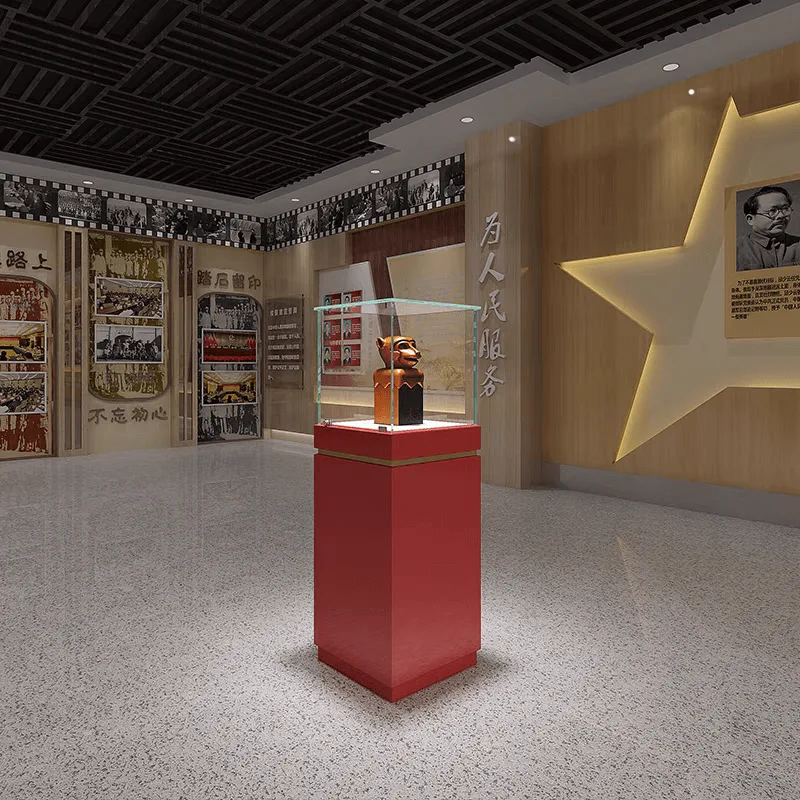
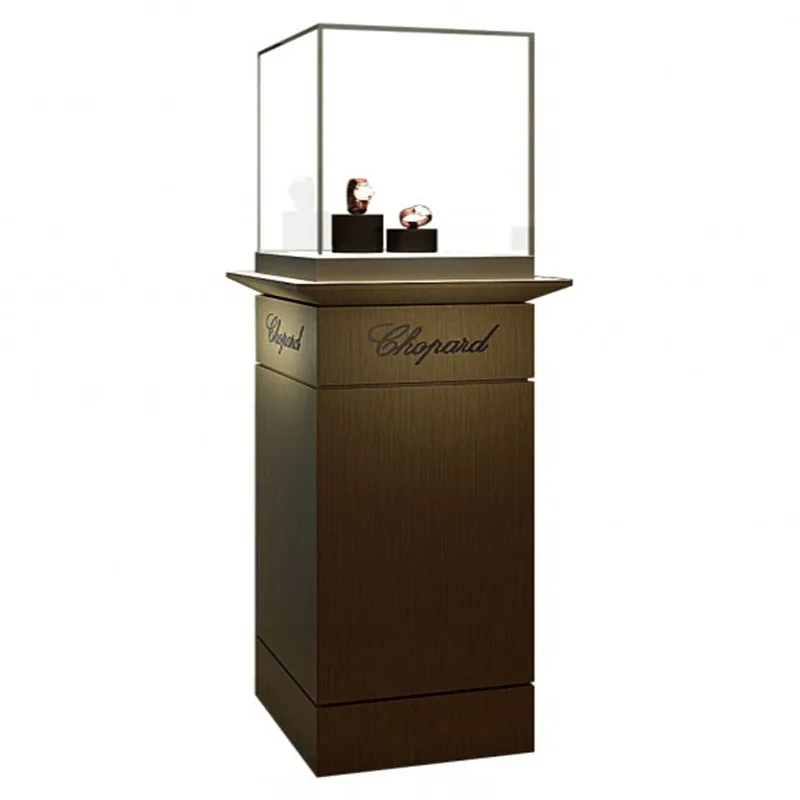
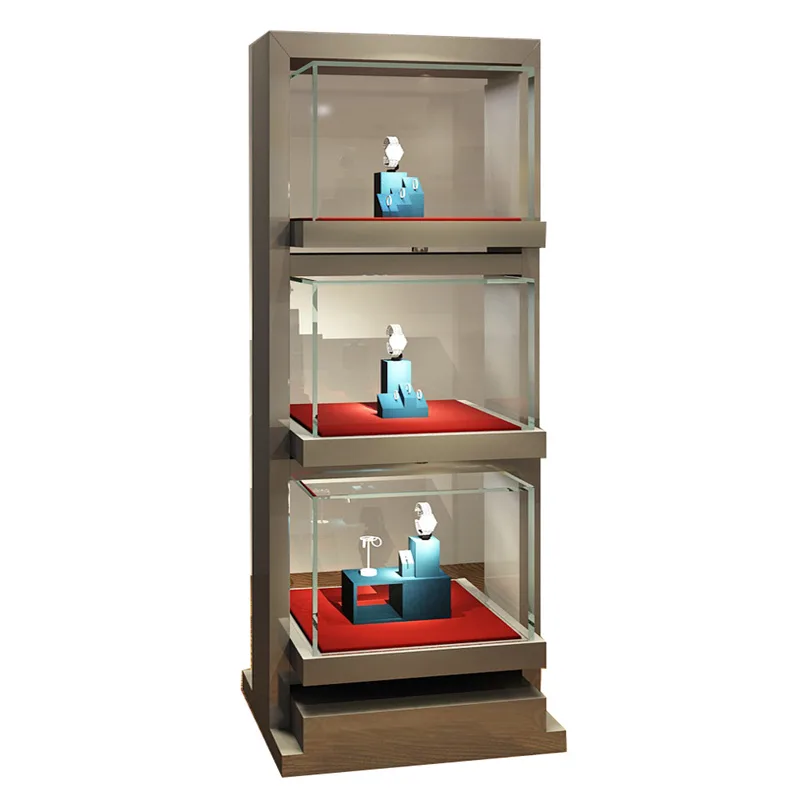
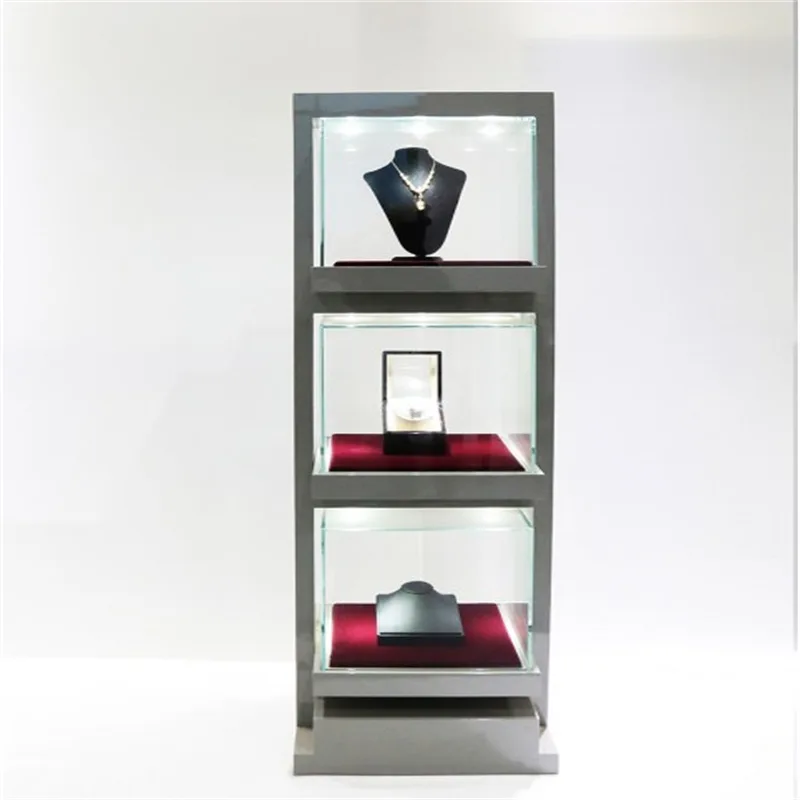
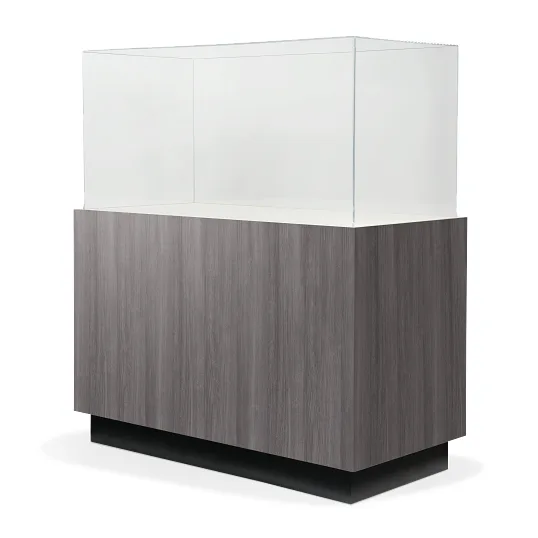
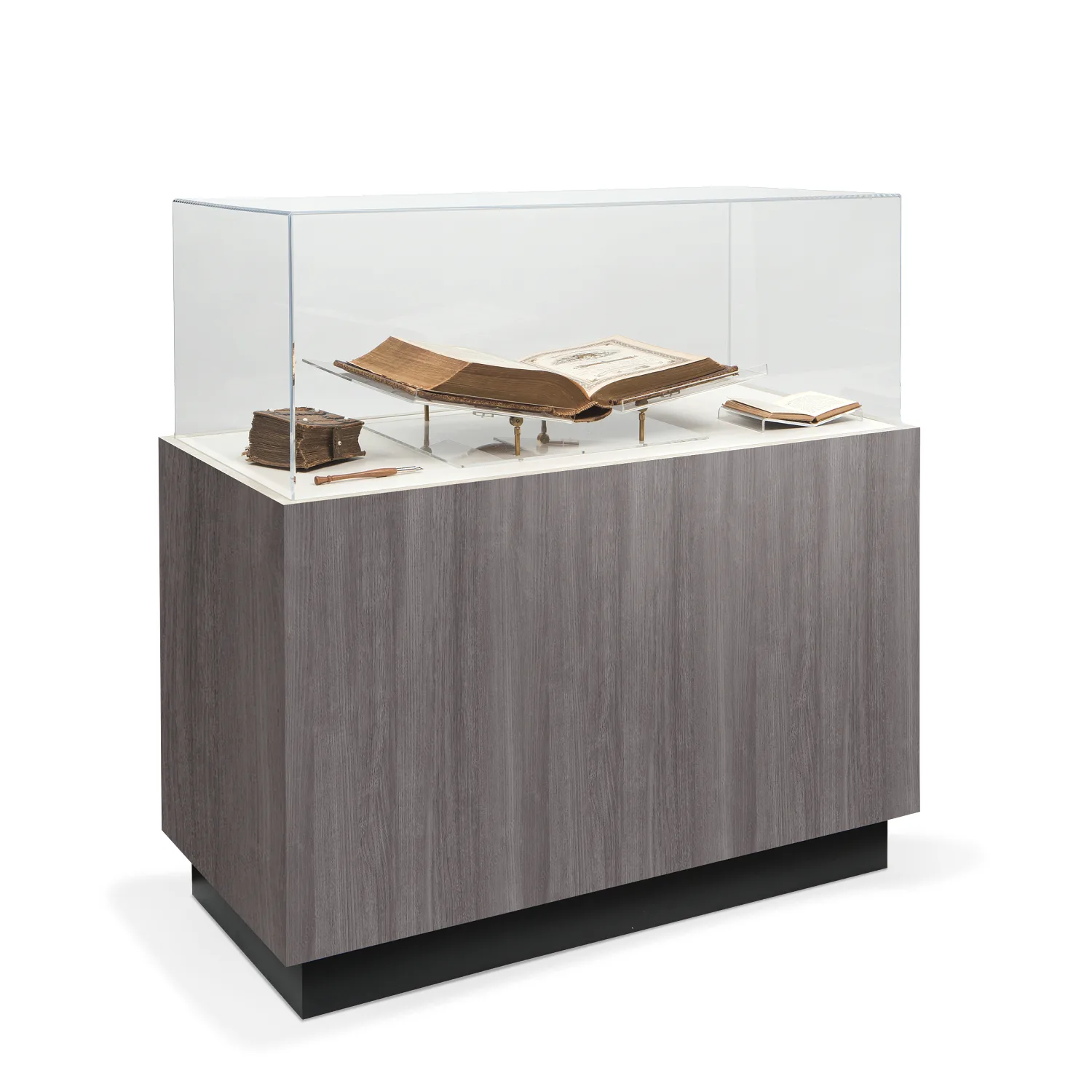
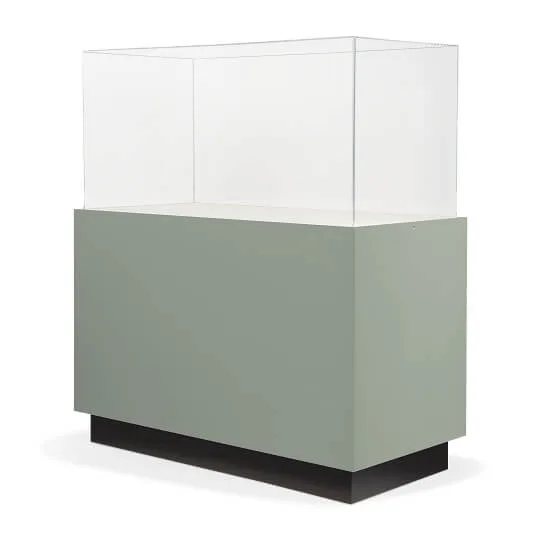
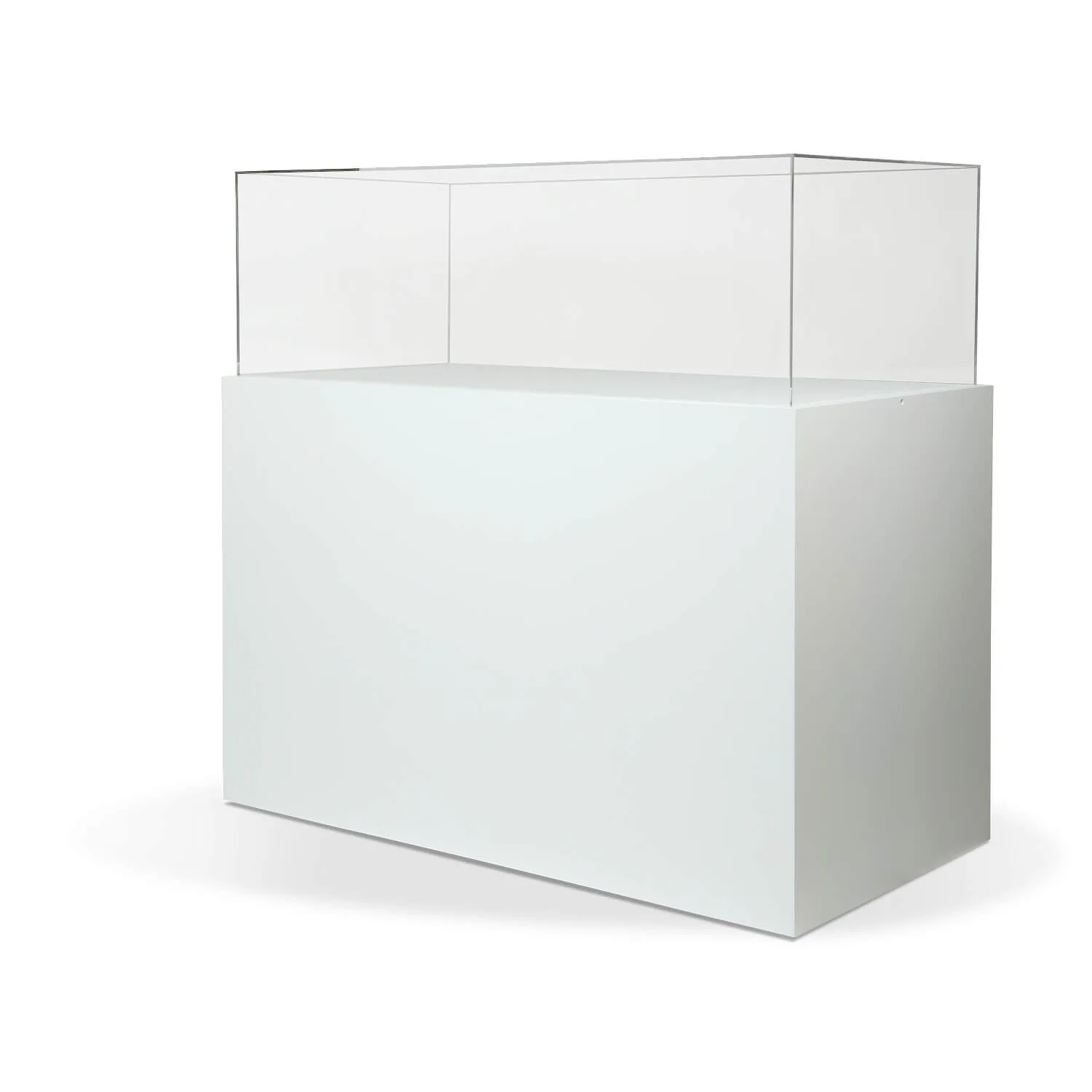
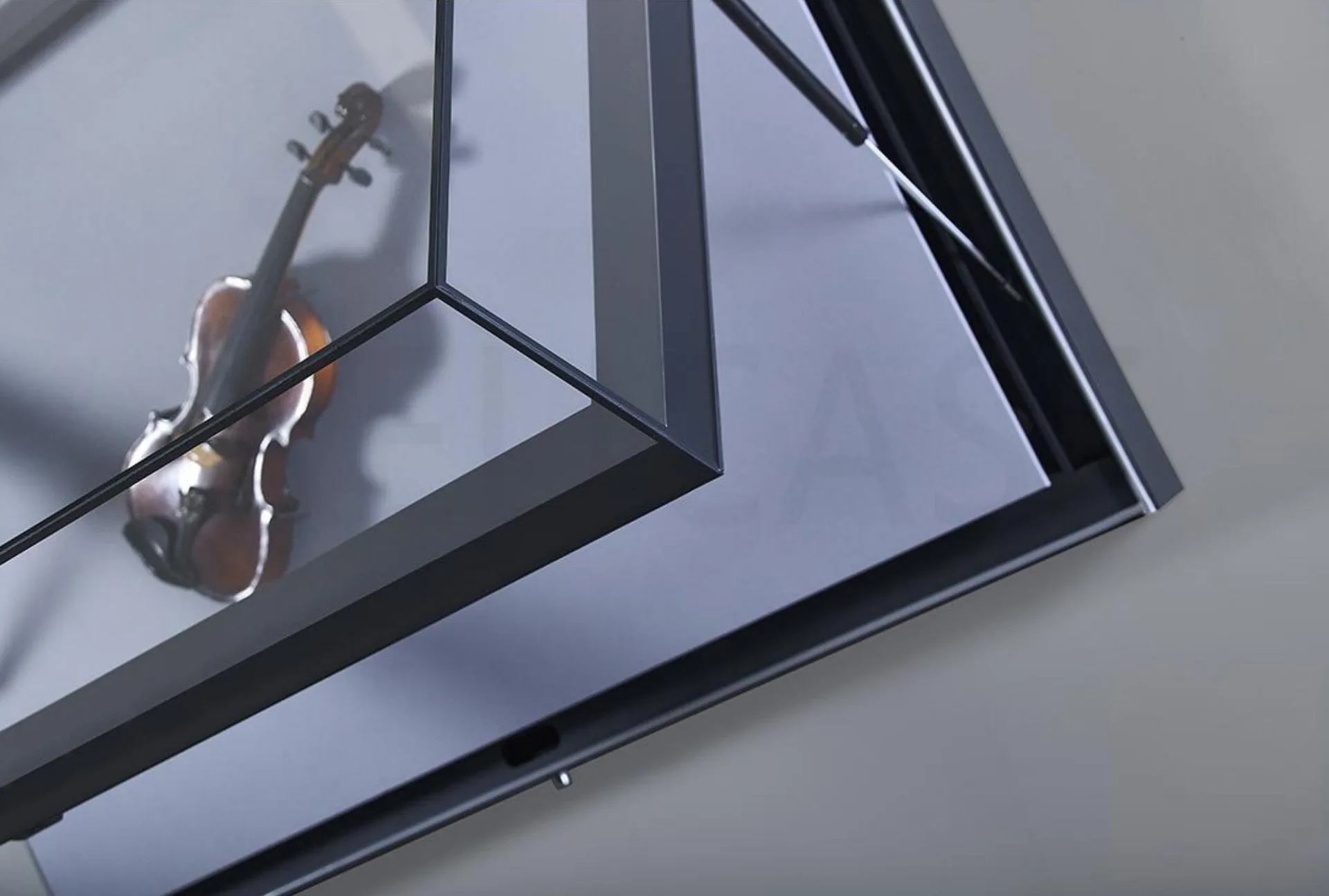
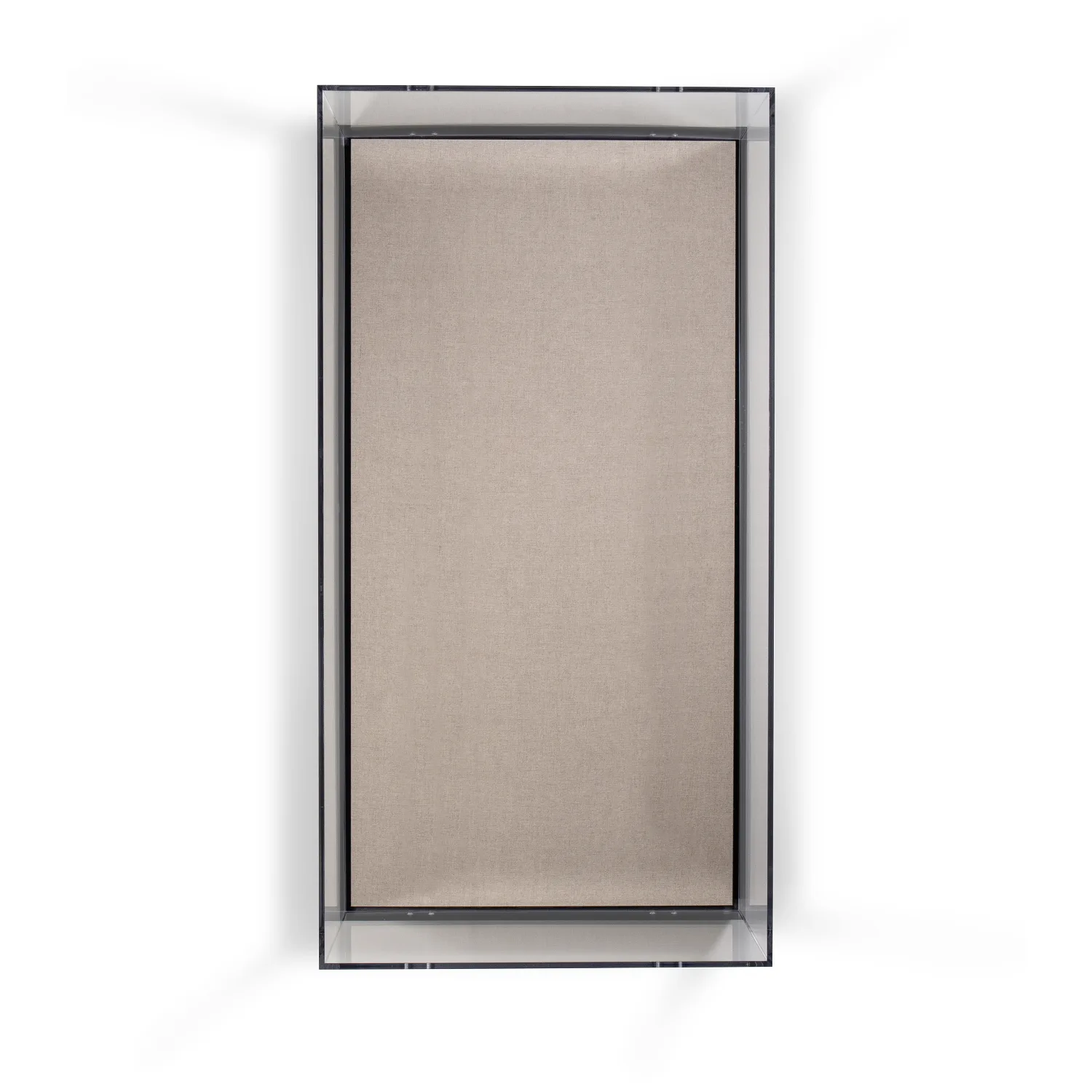
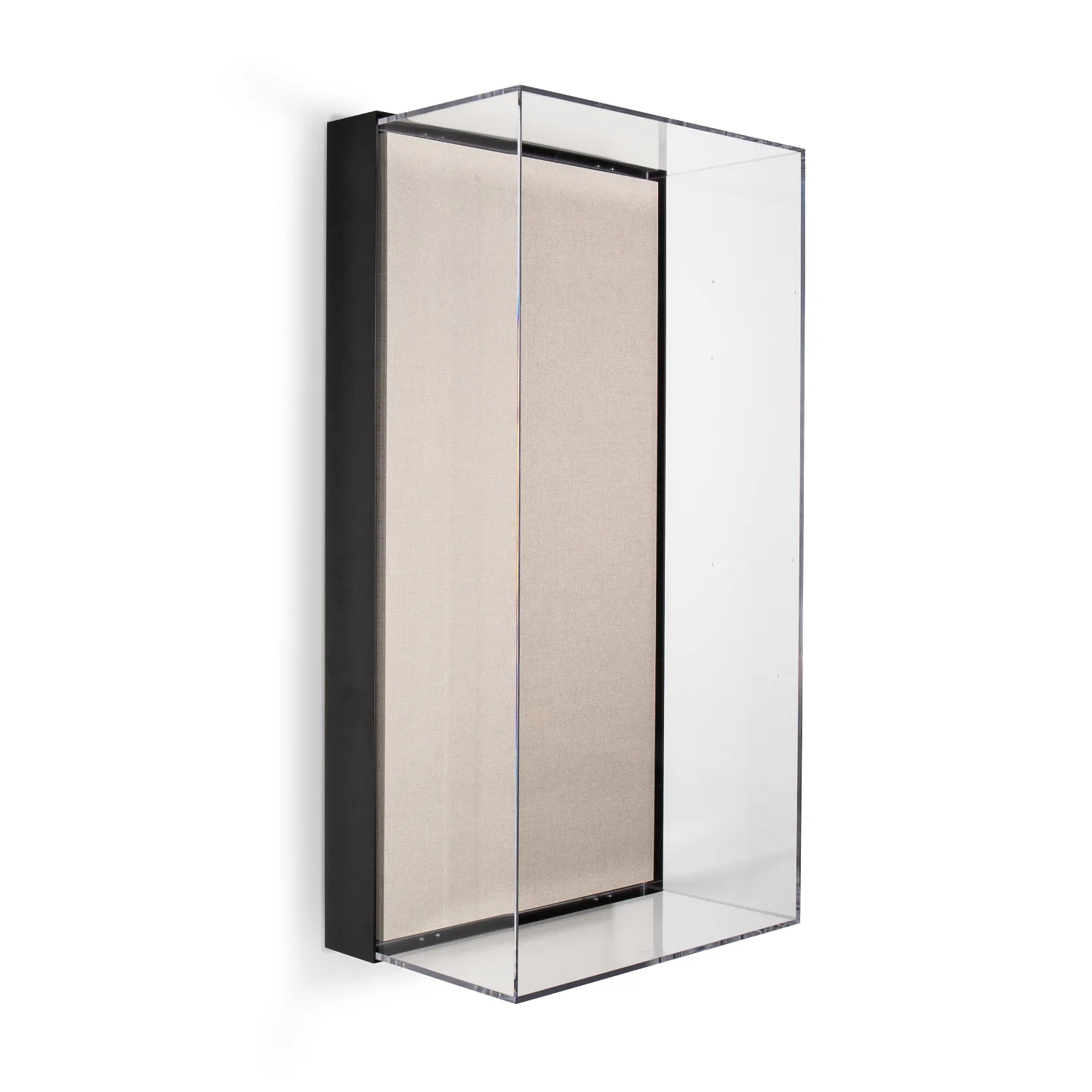
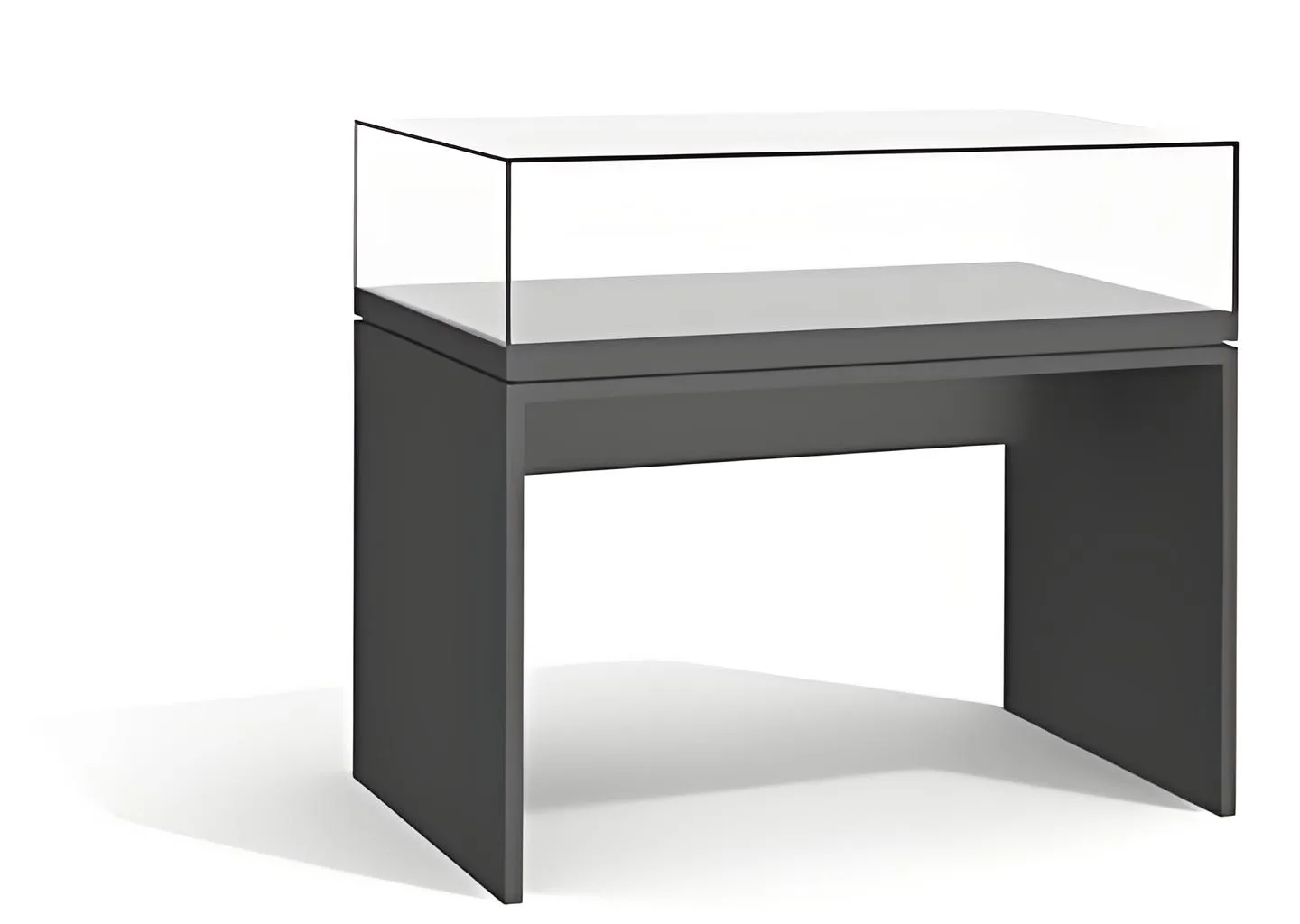
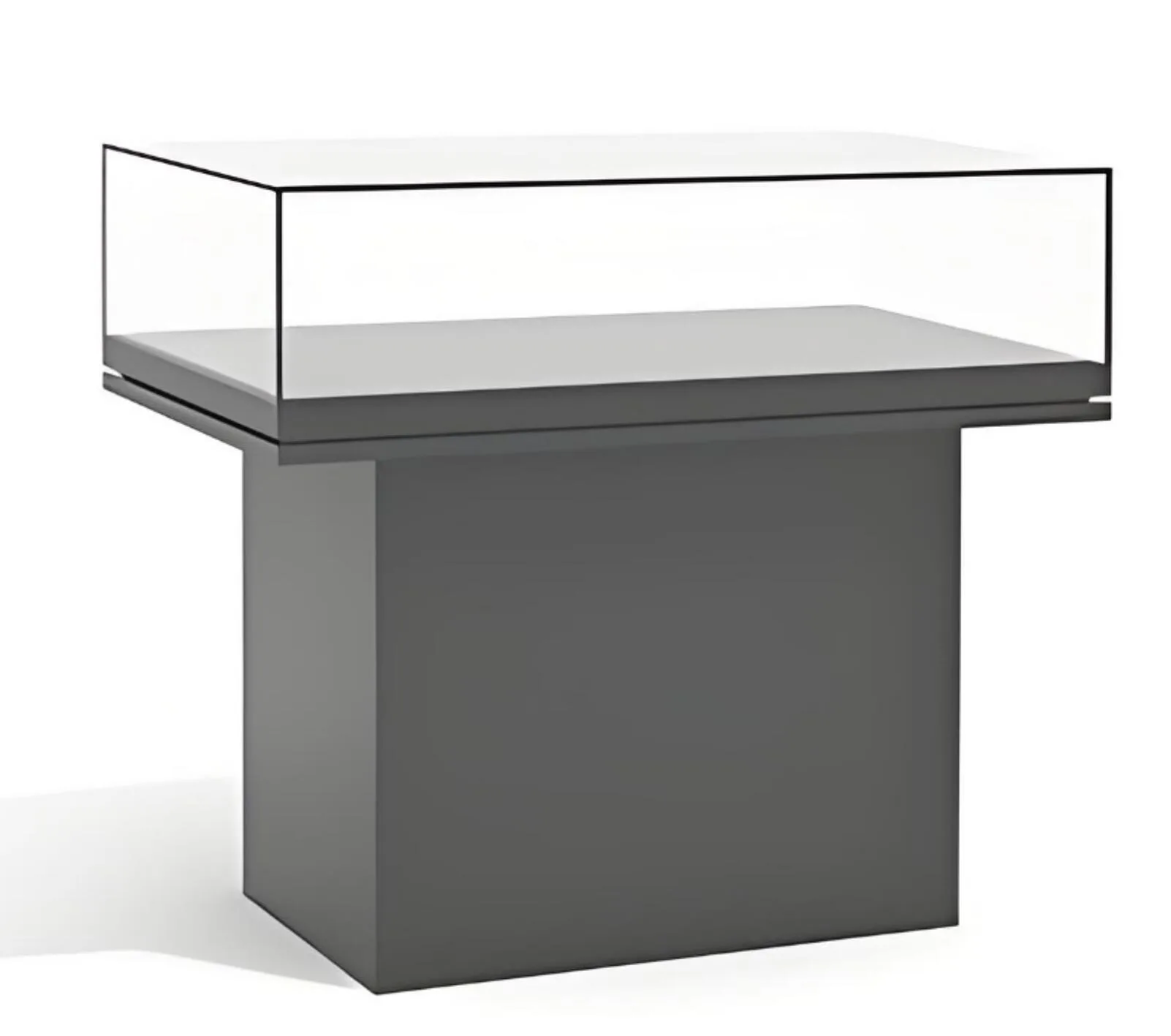
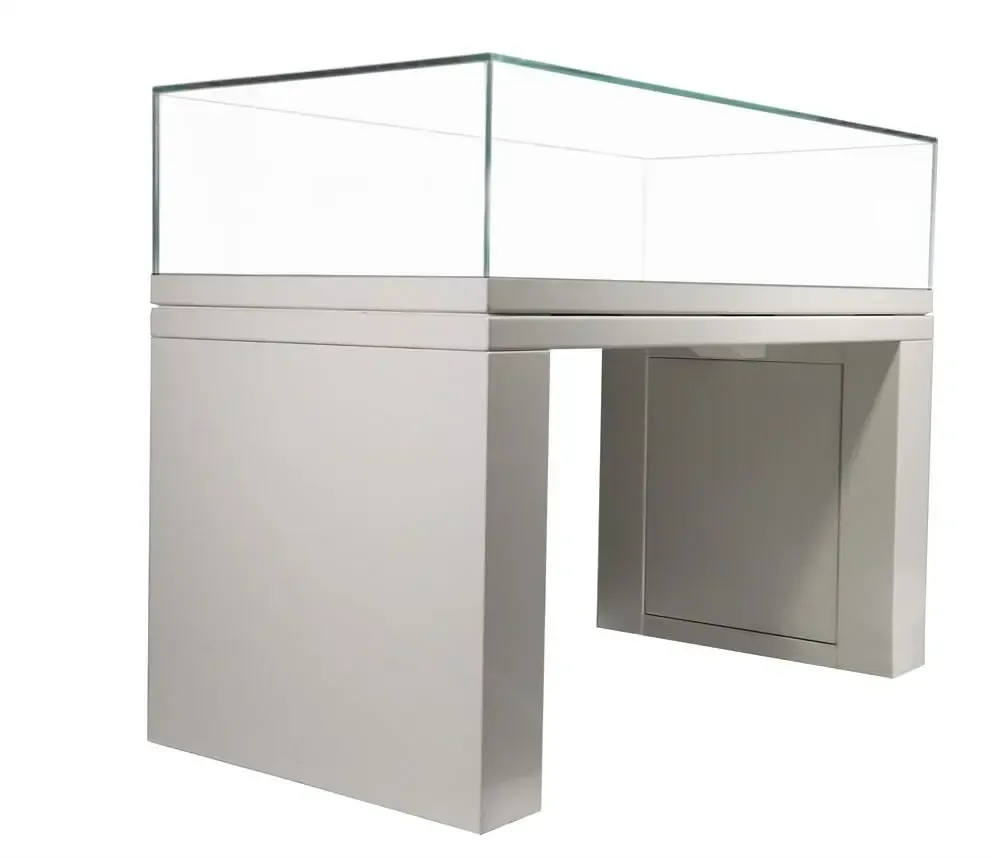
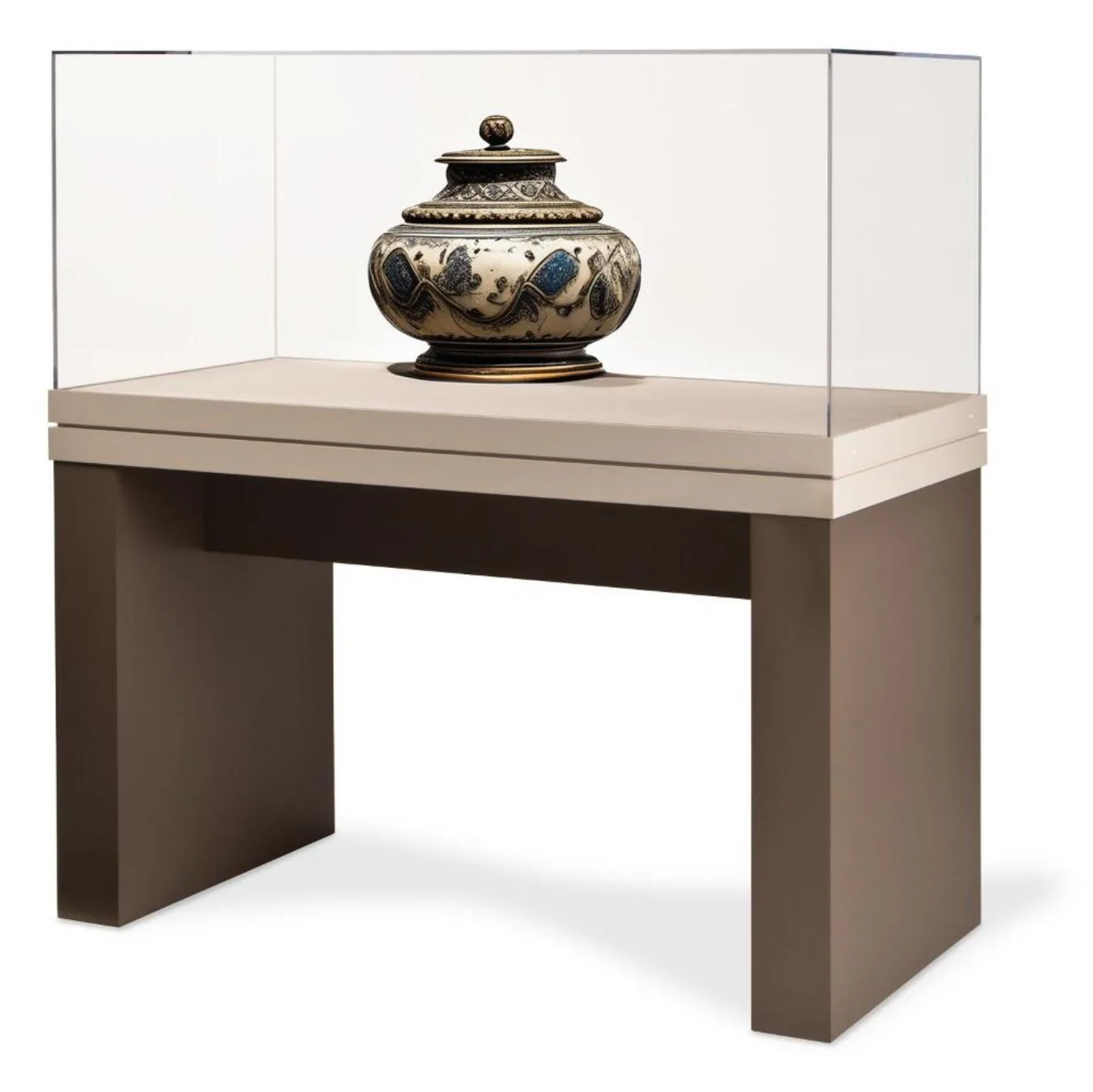
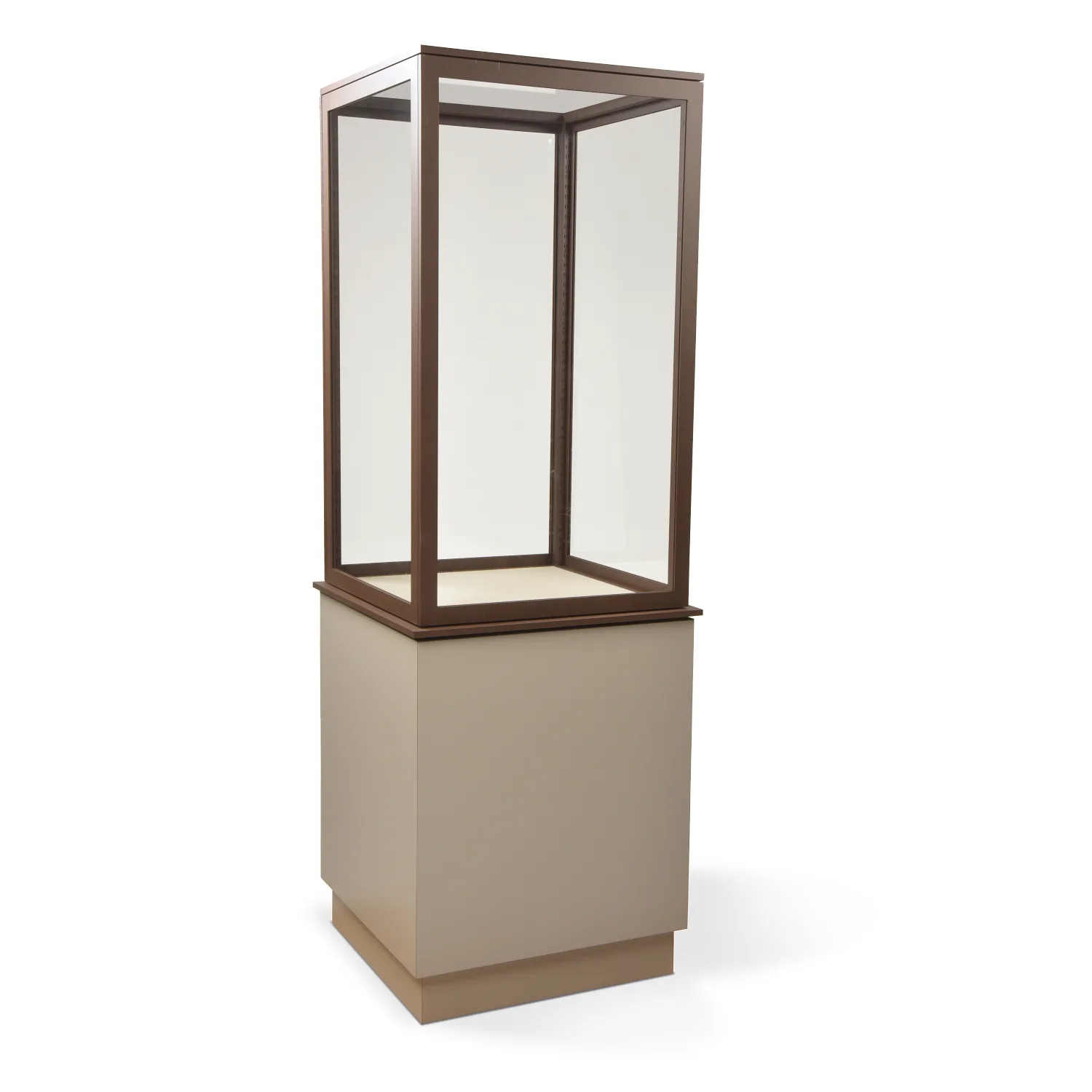
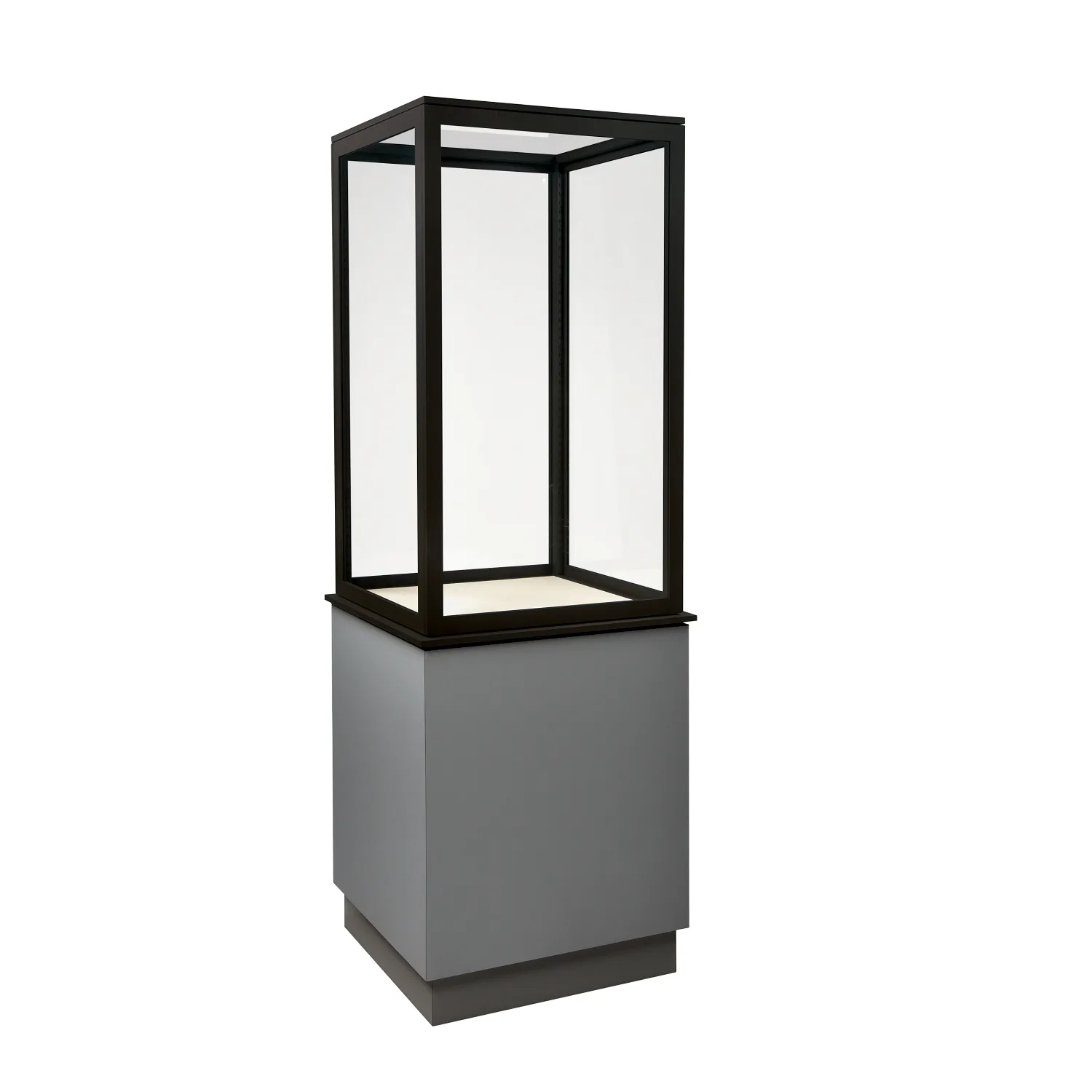
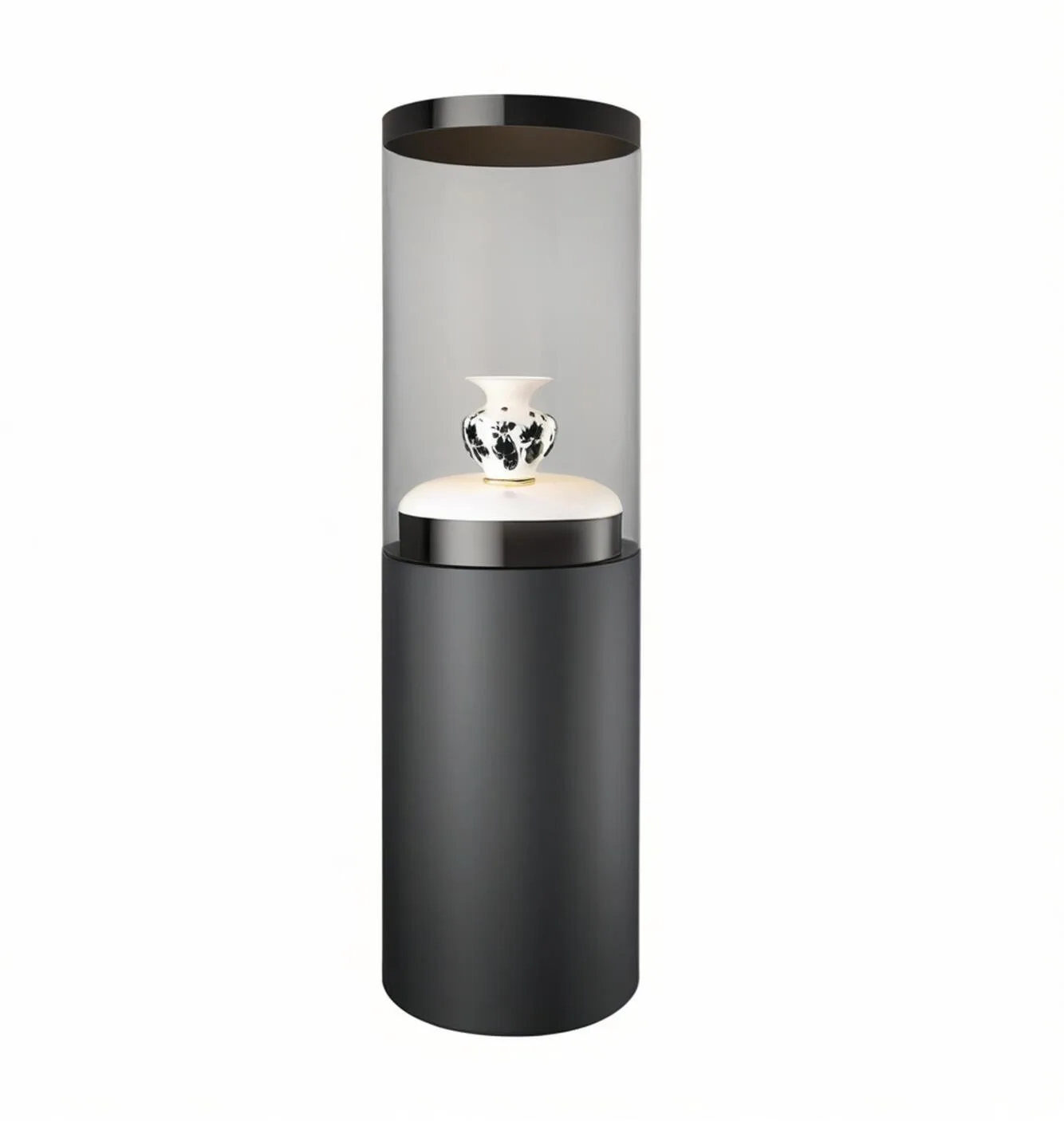
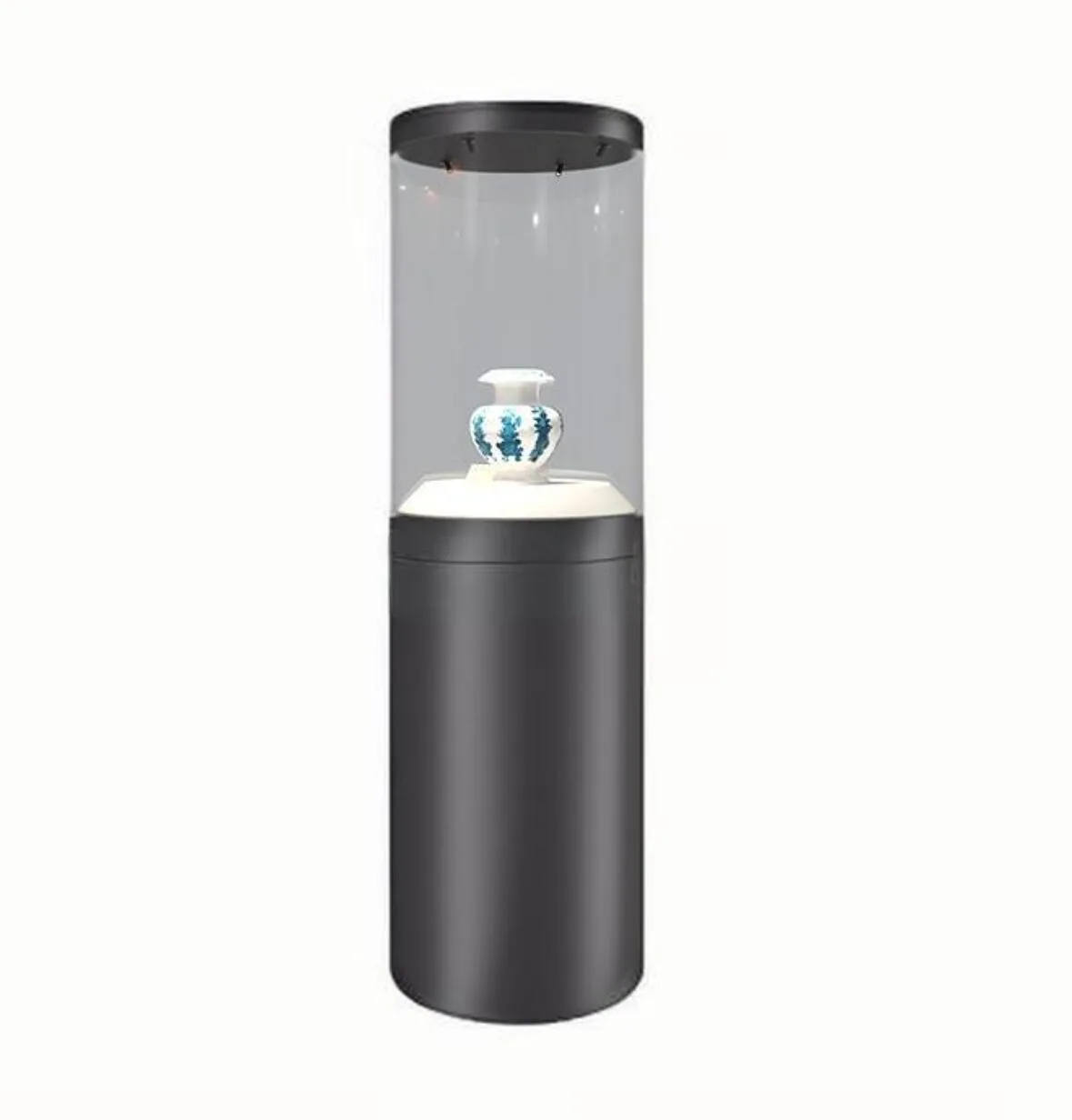
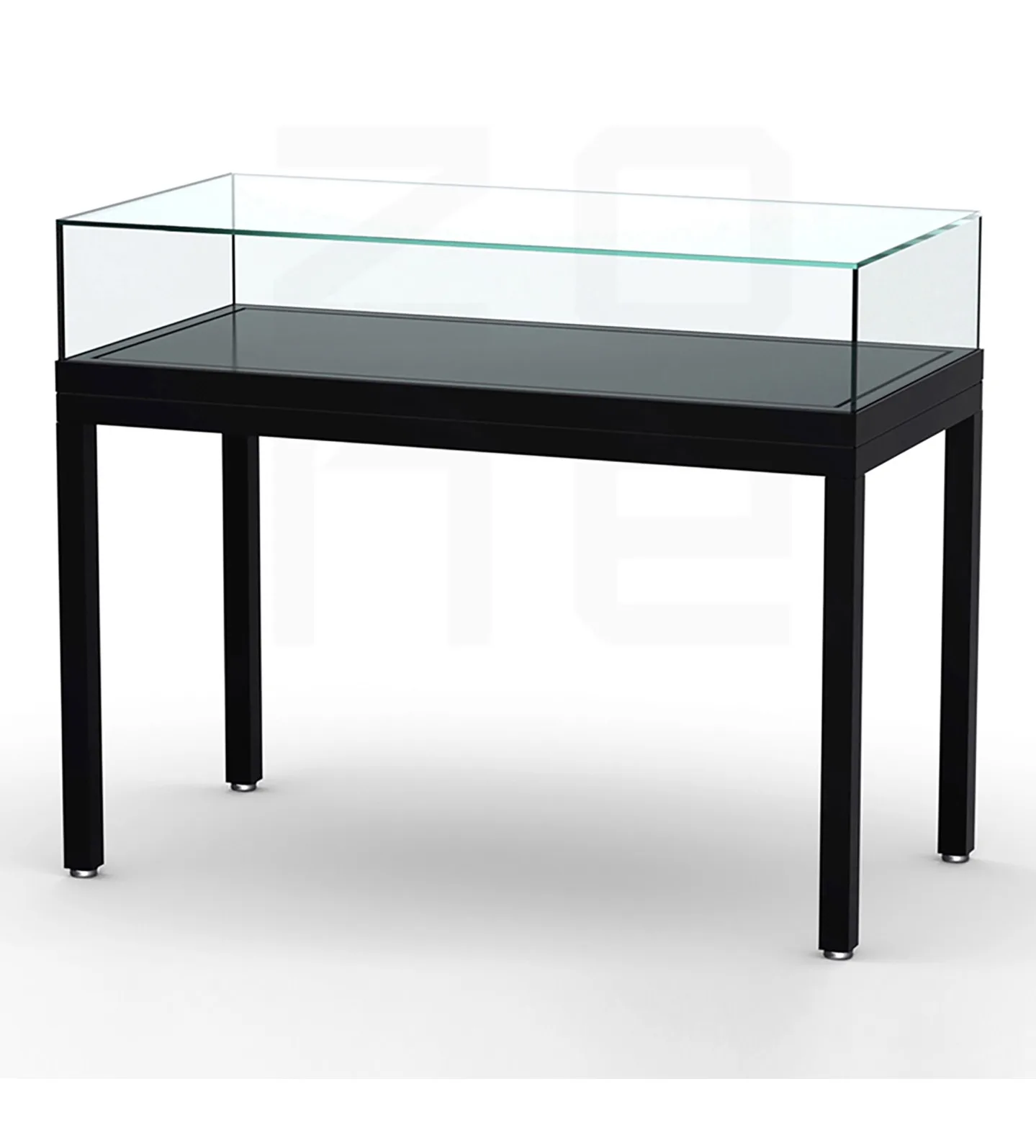
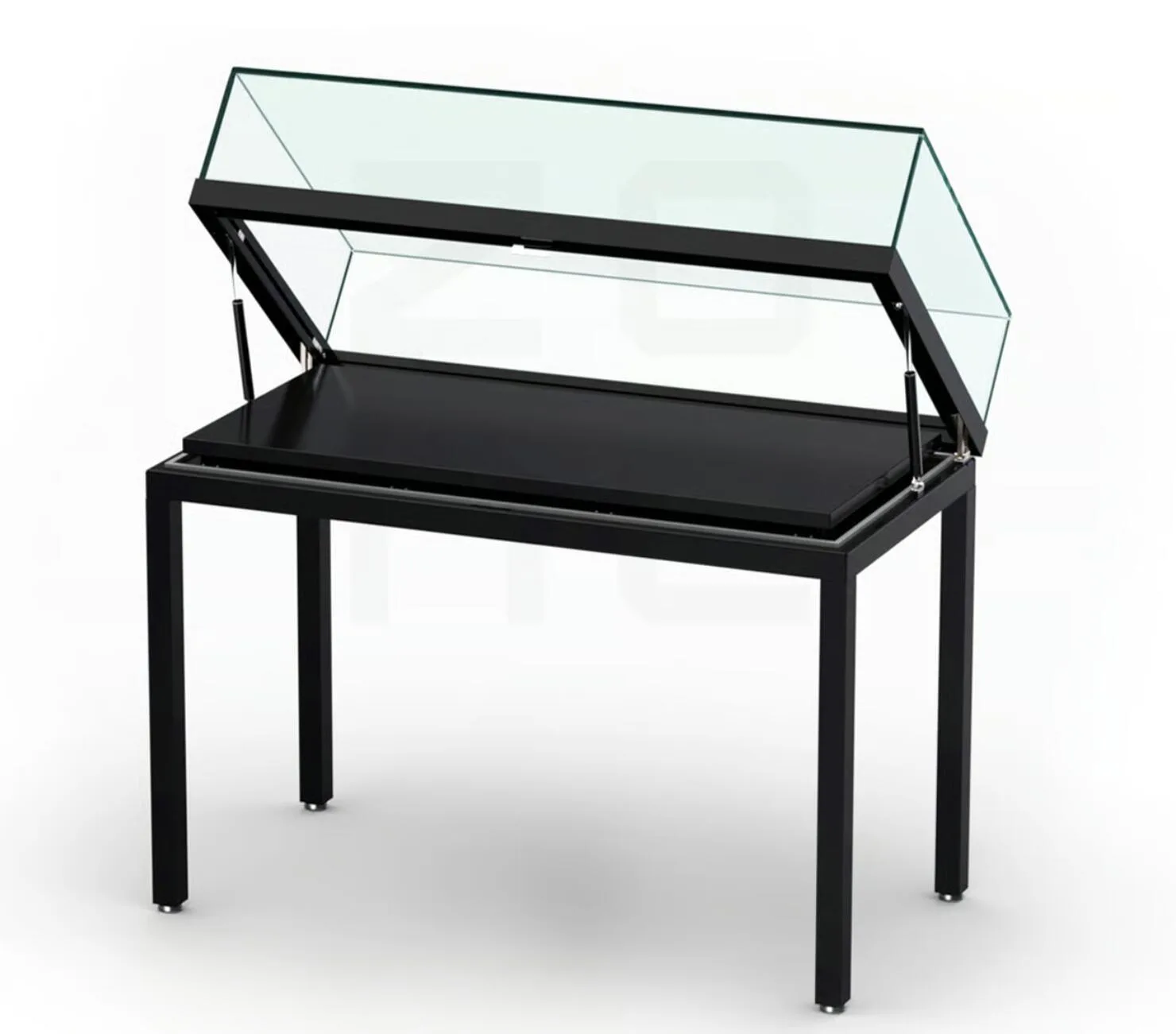
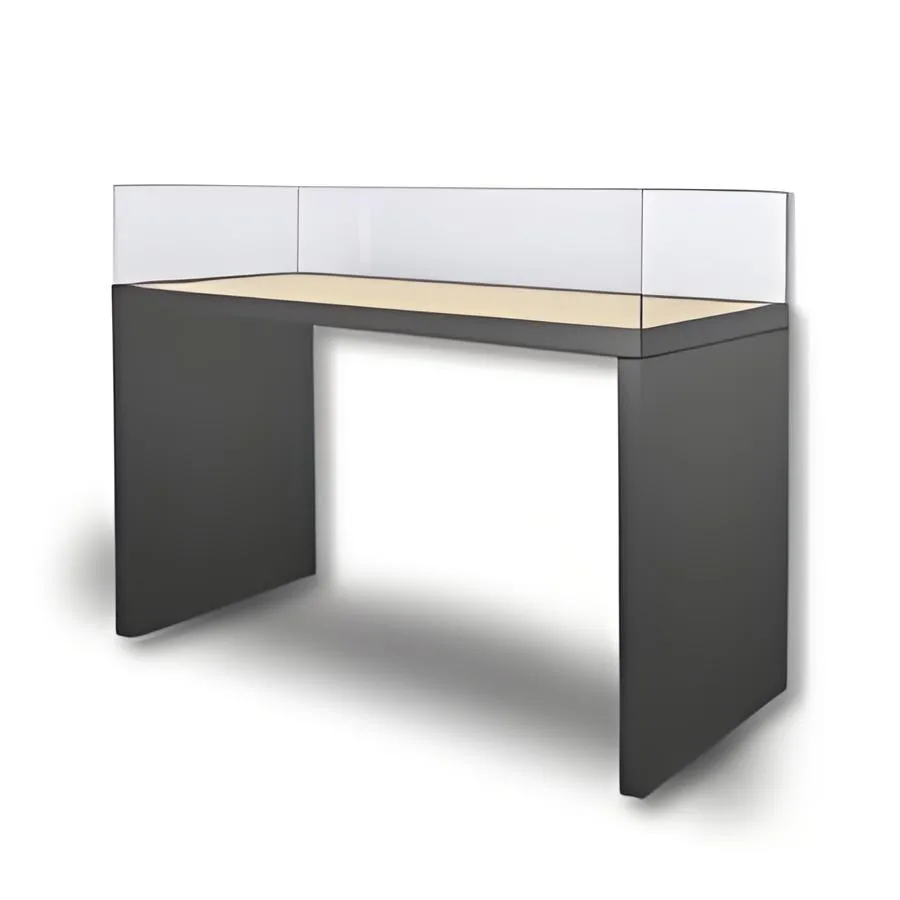
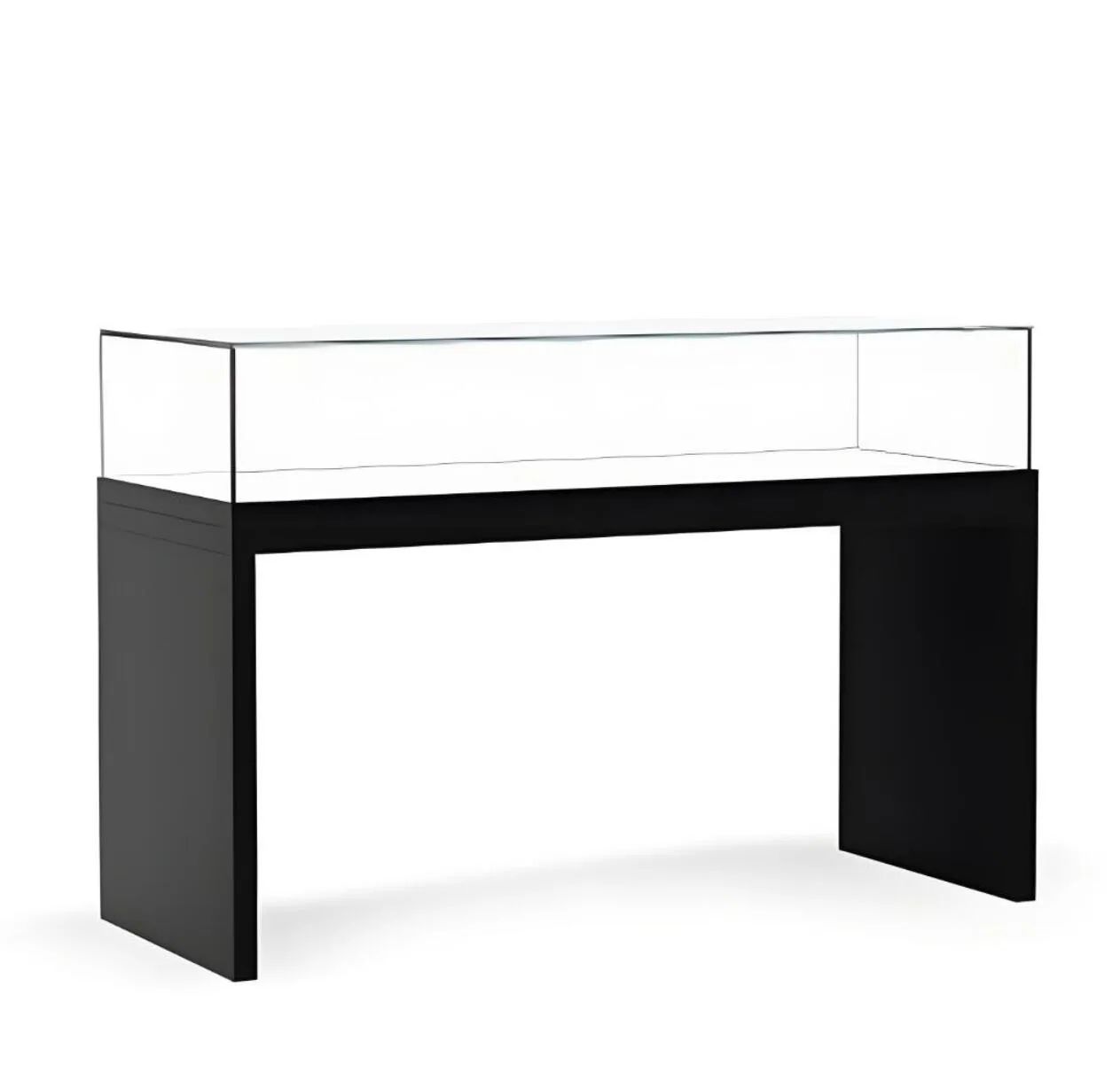
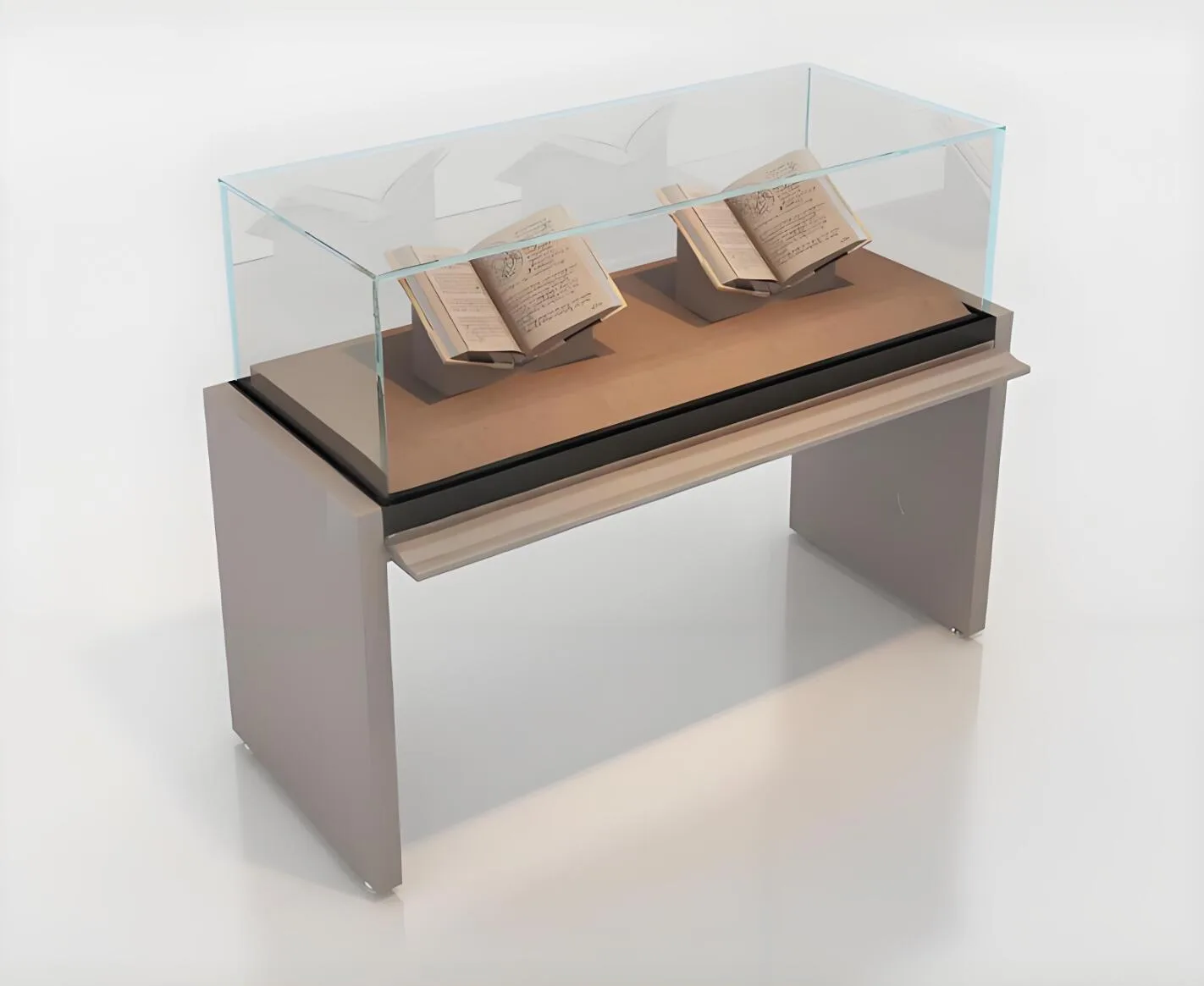
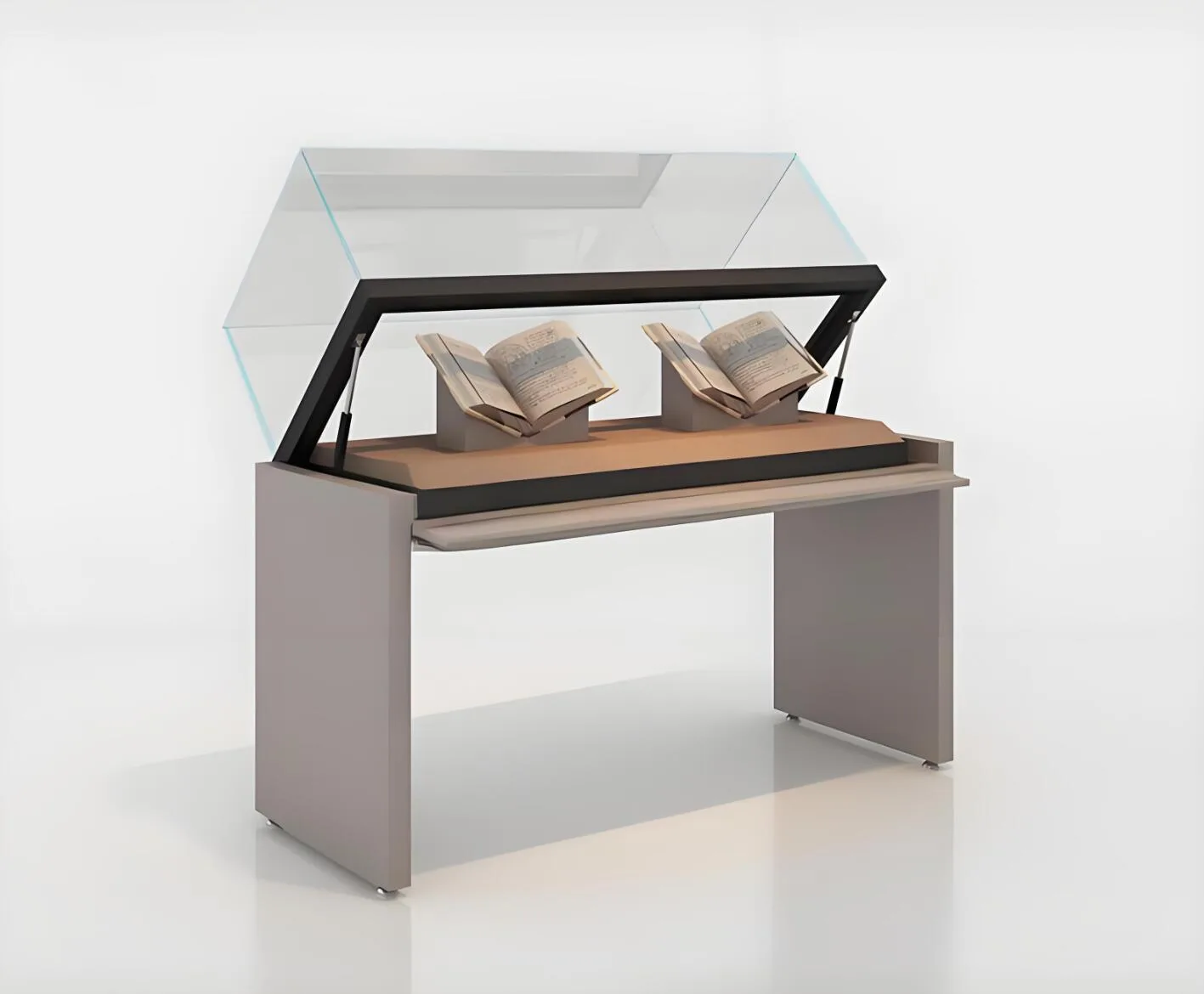
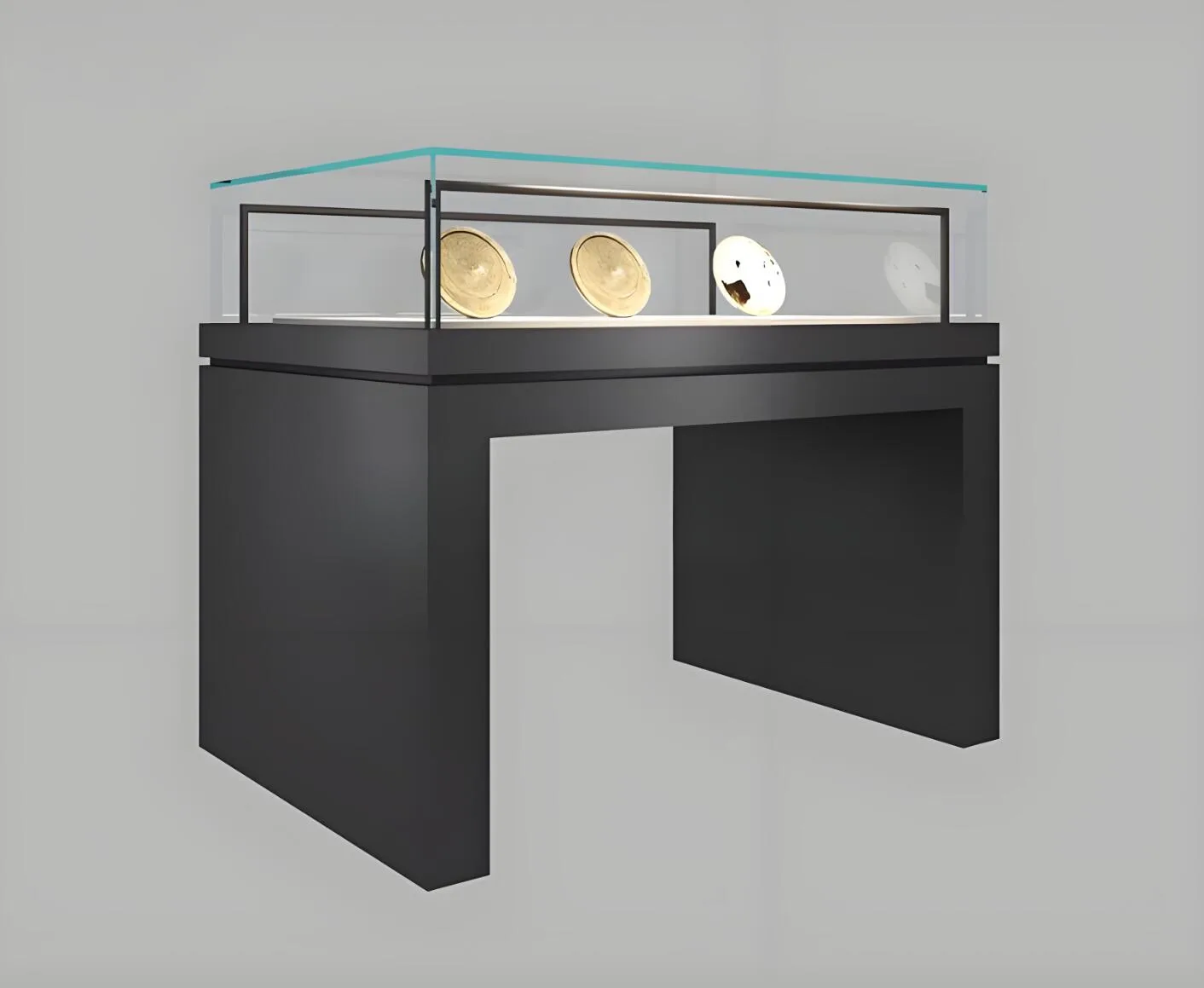
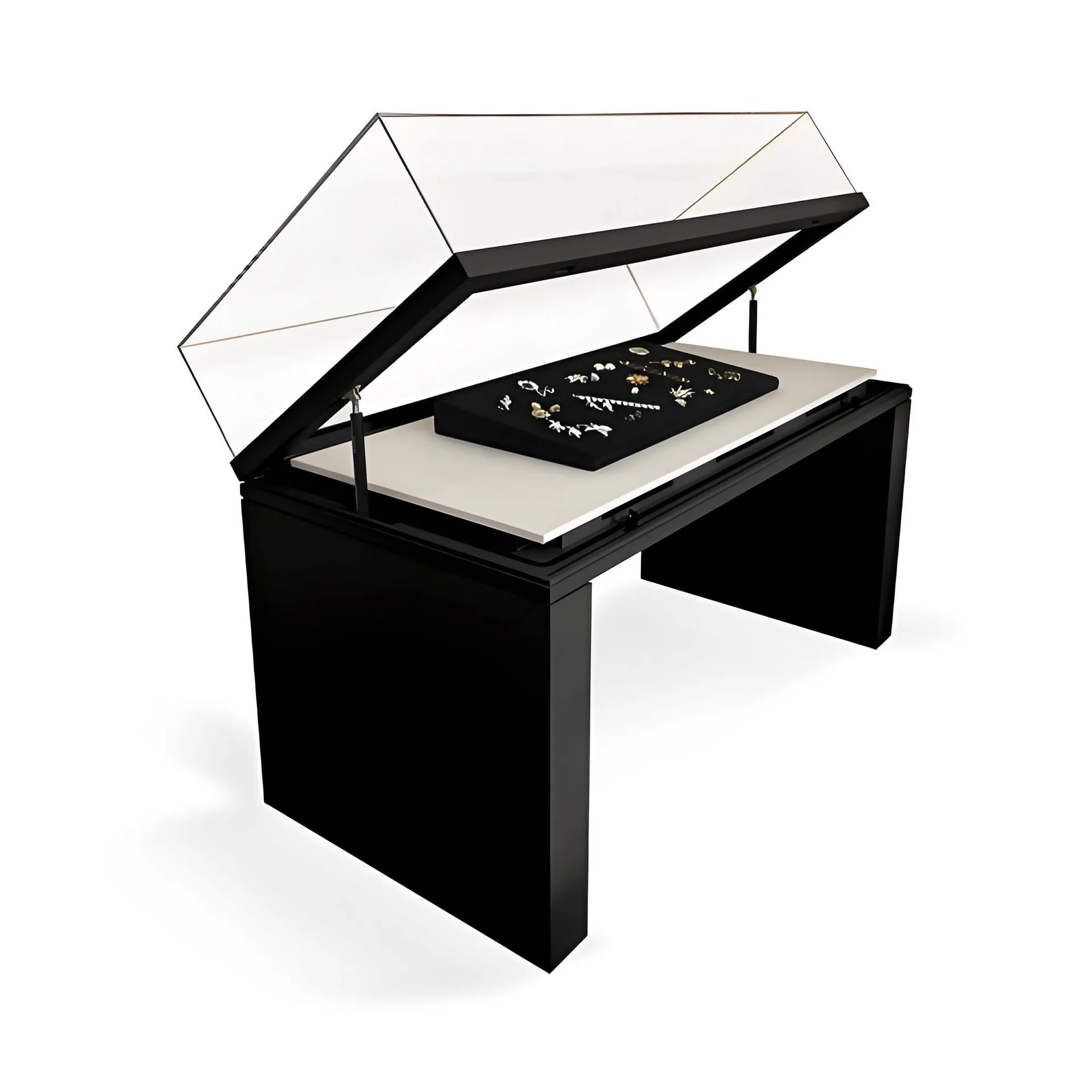
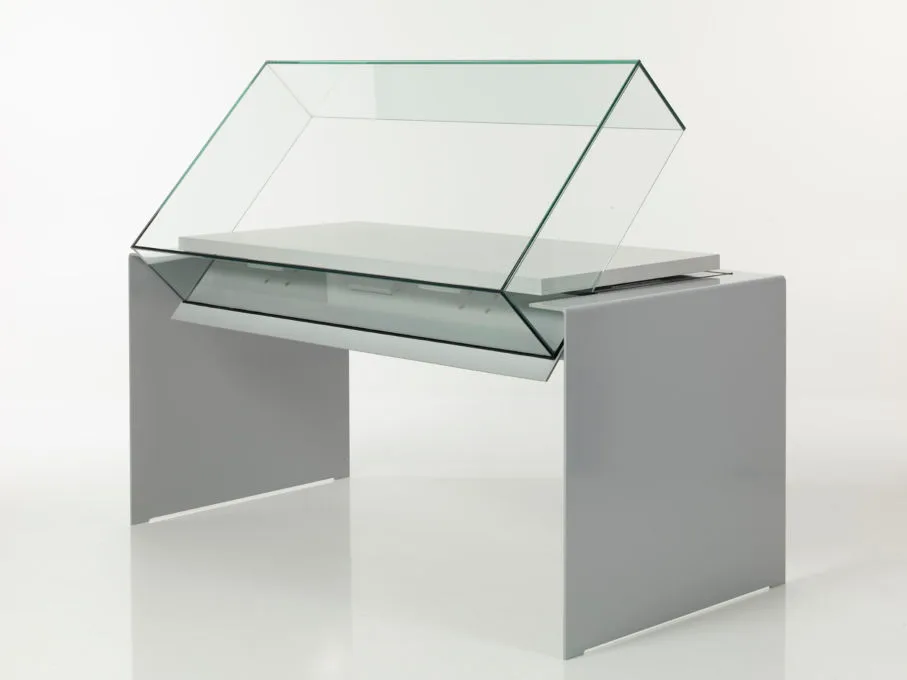
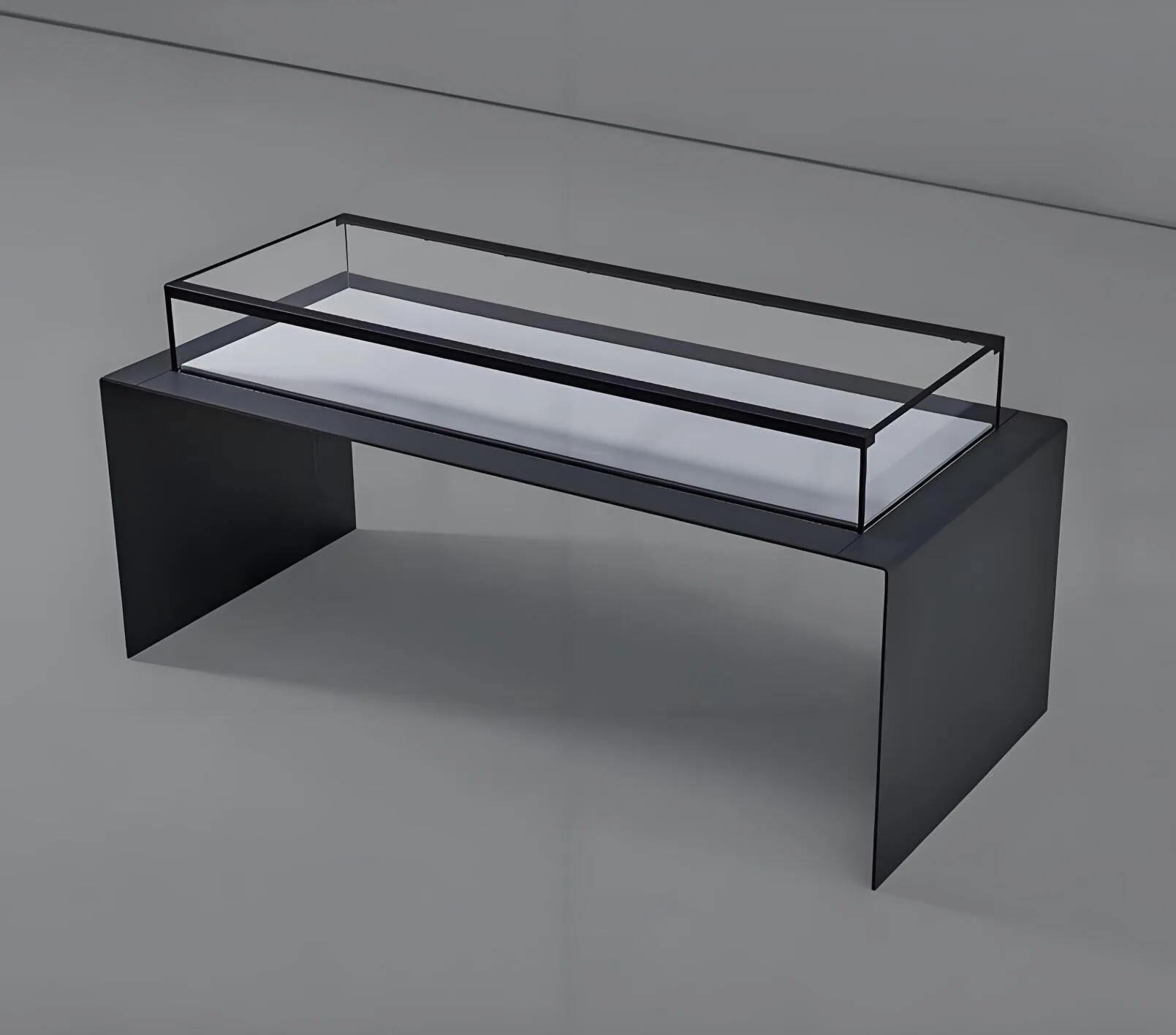
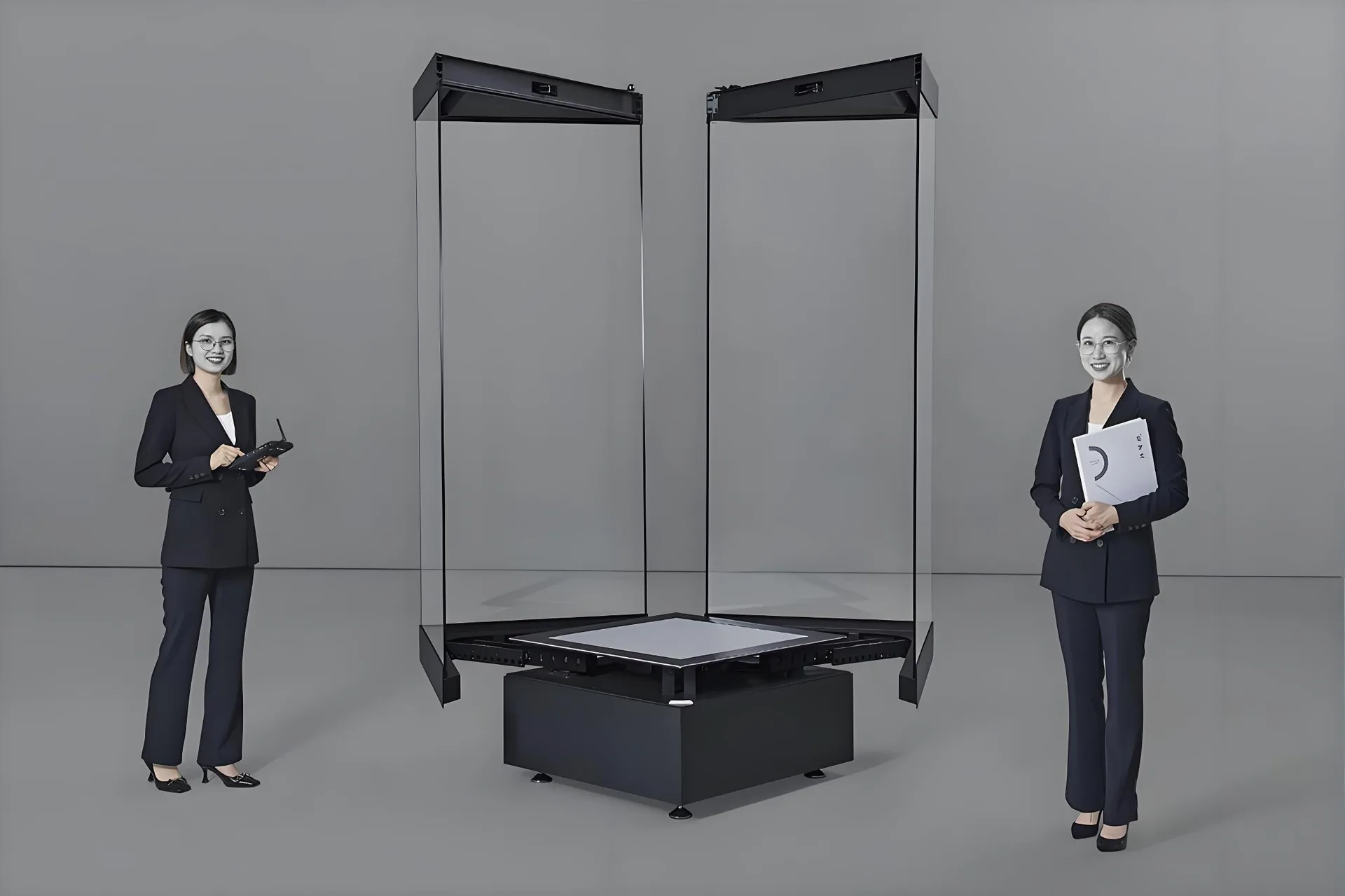
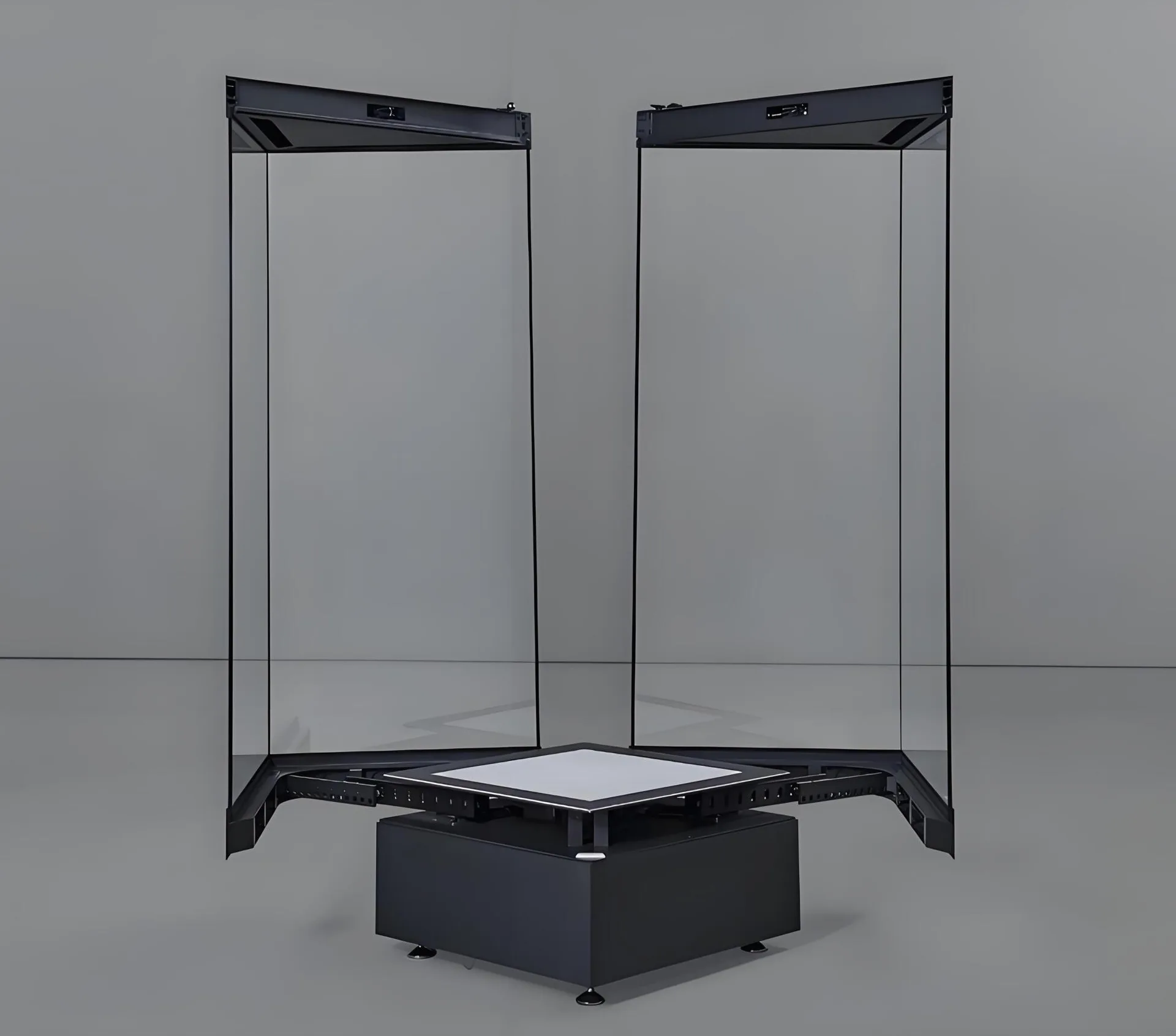
Custom Museum Display Cases Custom Art Gallery ShowcaseCustom Museum Display Cases Custom Art Gallery Showcase
Showcase Manufacturer Museum Designer Displays SupplierShowcase Manufacturer Museum Designer Displays Supplier
Museum display cases and cabinets serve as essential cultural institution protectors while quietly narrating history through their protective design. The specialized enclosures form protective micro-environments that defend artifacts against environmental dangers such as light exposure and humidity while allowing visitors to view them freely. Museum display cases go beyond basic containment by functioning as engineered systems that bring together advanced materials, security measures, and environmental controls to satisfy strict conservation requirements. Museum display solutions have developed into a complex field combining scientific methods with architectural principles and experiential design to support both artifact preservation and immersive storytelling.
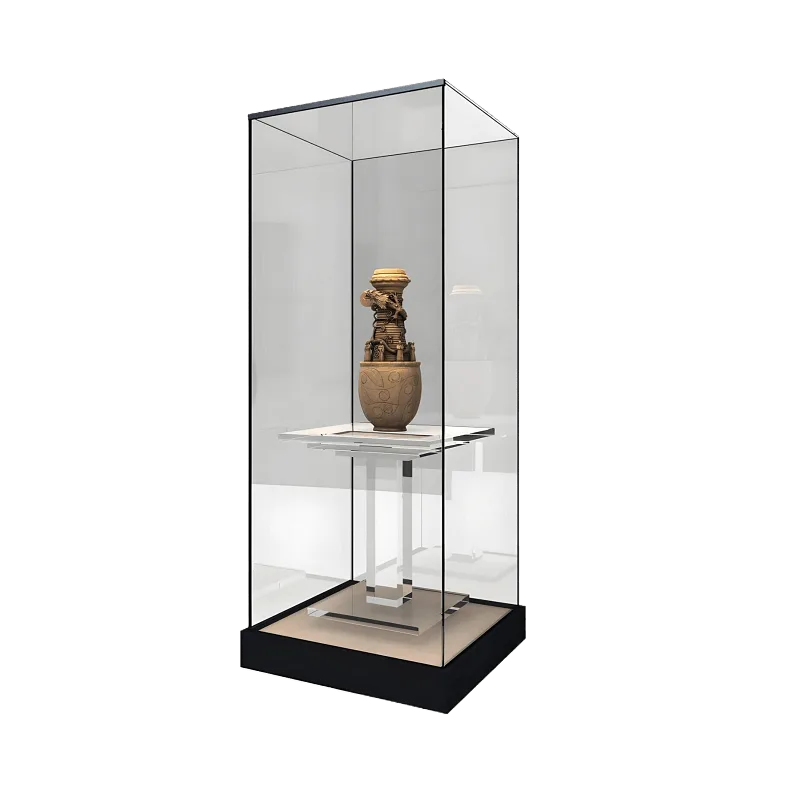
1. Floor-Standing Museum Display Cases (Modular Type)
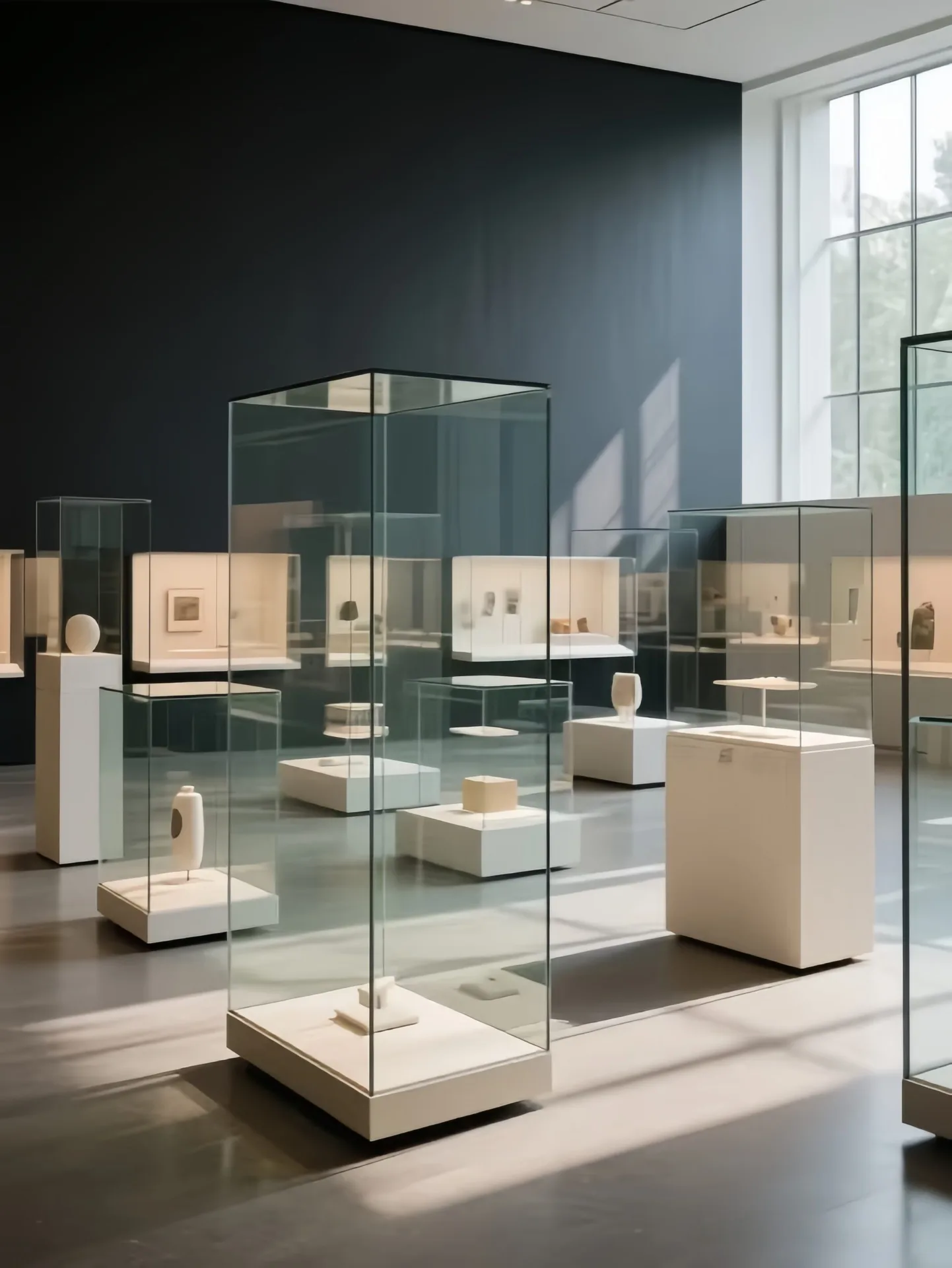
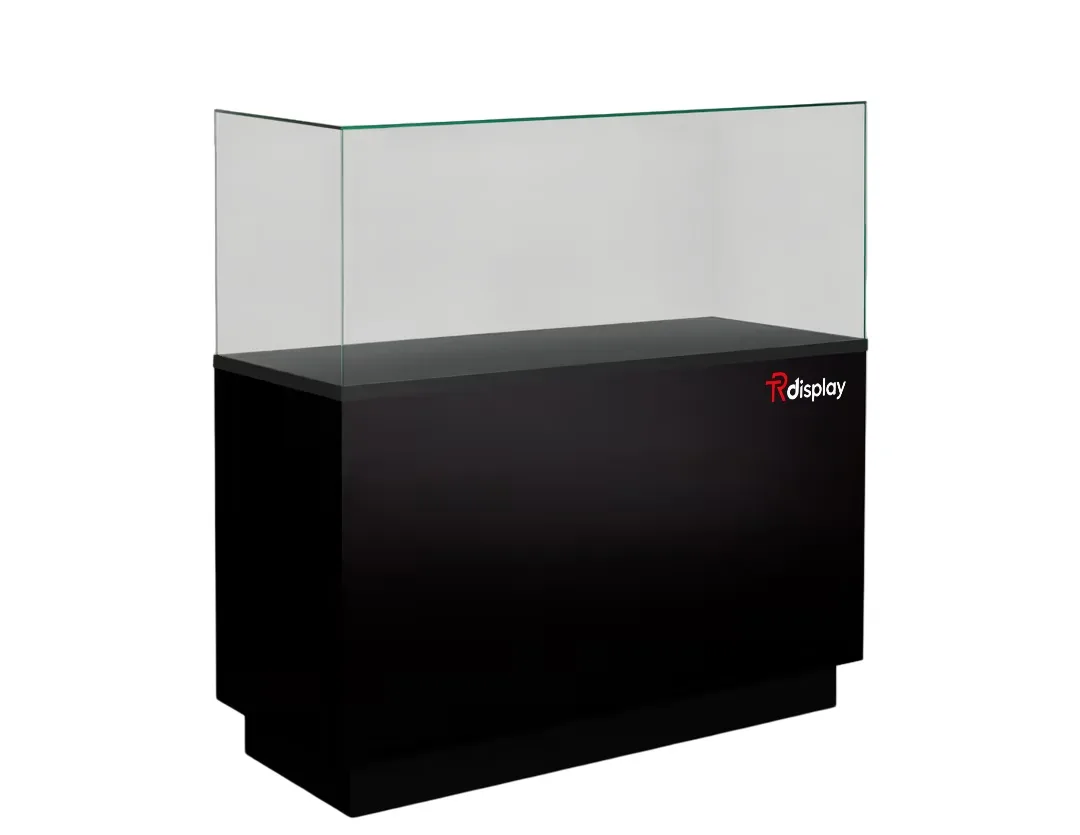
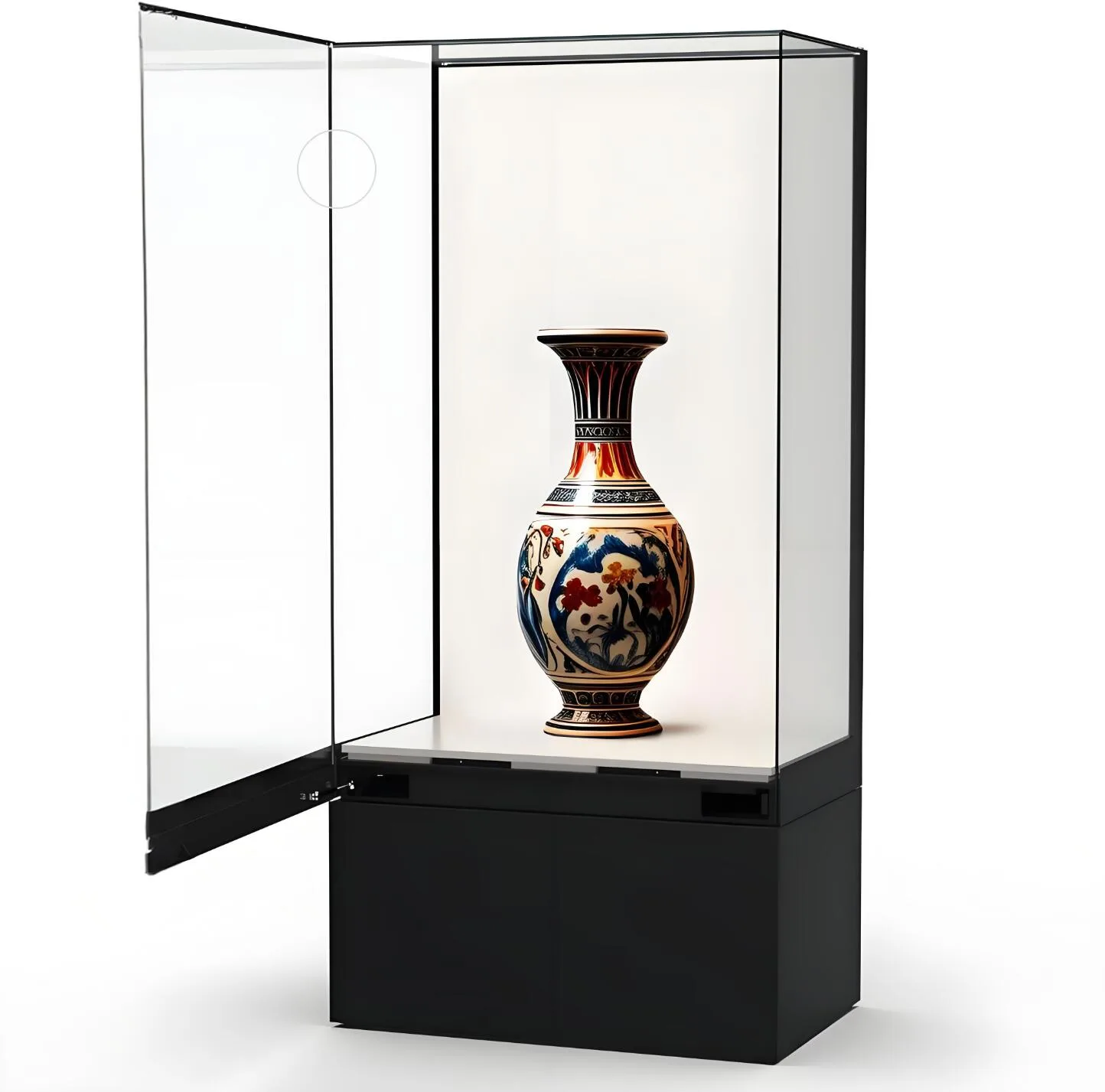
Floor-standing modular cases are the structural anchors of exhibition spaces. Designed as freestanding units that interconnect like architectural building blocks, they create expansive displays for large or multiple artifacts, from dinosaur skeletons to ceremonial armor. Their heavy-duty frames (powder-coated steel or reinforced aluminum) support glass panels as thick as 12mm, laminated for security and filtered to block 99% of UV radiation. With customizable heights (1.2–3m) and footprints, these cases transform galleries into immersive narrative landscapes.
Beyond scale, they excel in preservation engineering. Integrated microclimate systems regulate humidity (±1% RH) using silica gel cartridges and scrub airborne pollutants like acetic acid. Gas-tight seals, multi-point locks, and seismic bracing protect against theft, vibrations, and environmental shocks. For institutions like the Smithsonian, modular units allow reconfiguration between exhibits—a Paleolithic tool collection today can become a contemporary sculpture ensemble next month with minimal structural changes.
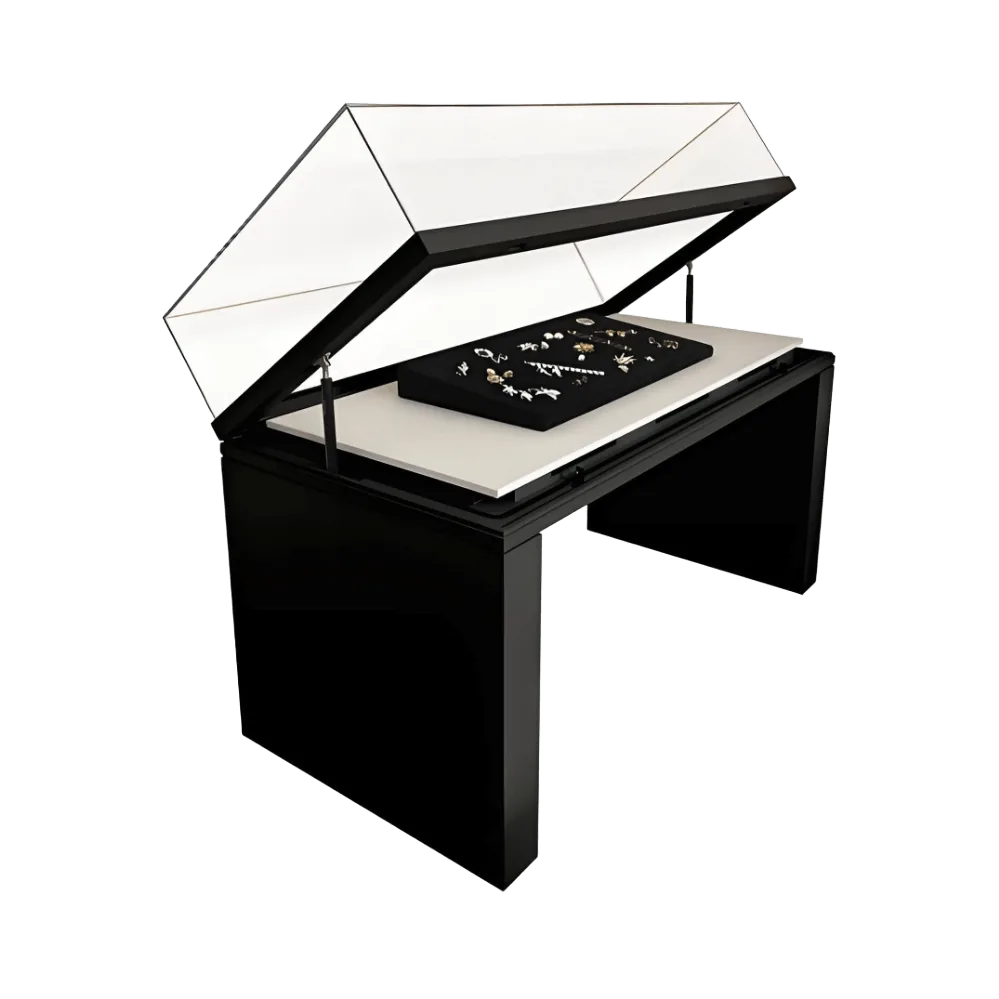
2. Tabletop Museum Display Cases
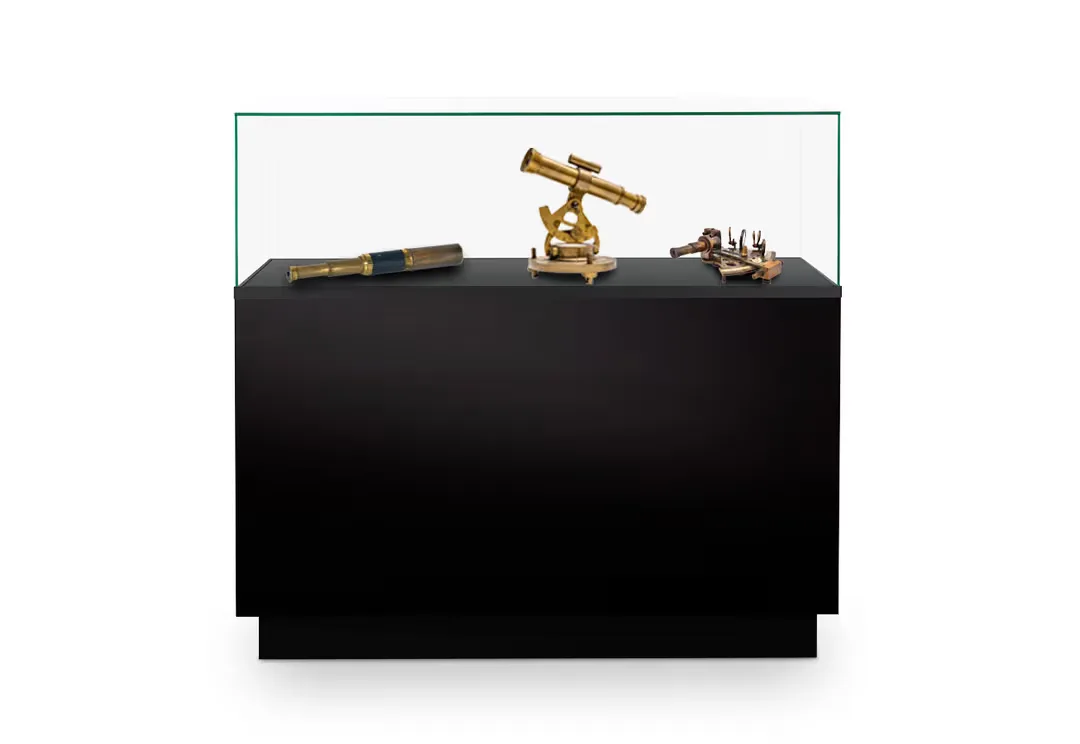
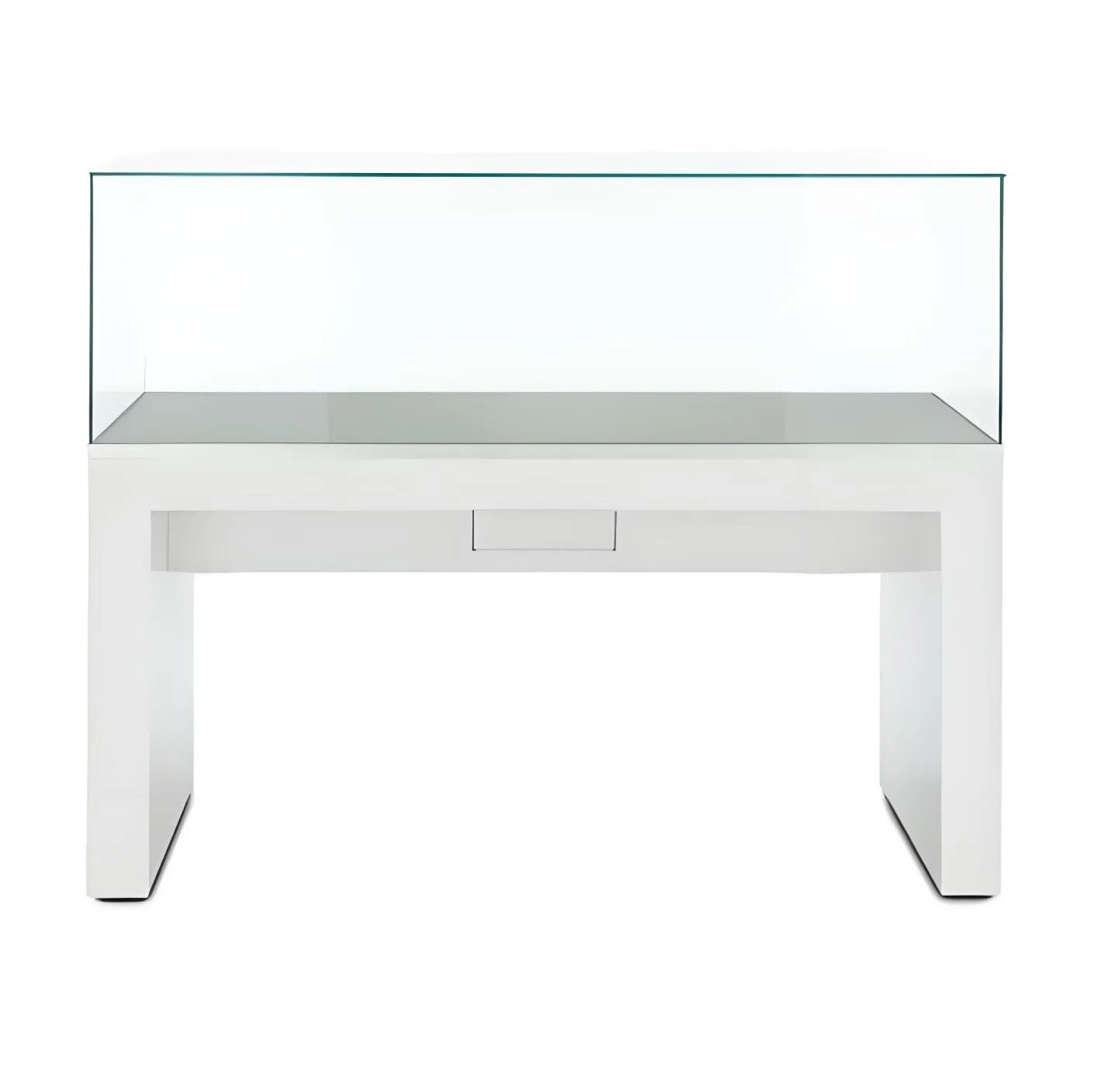
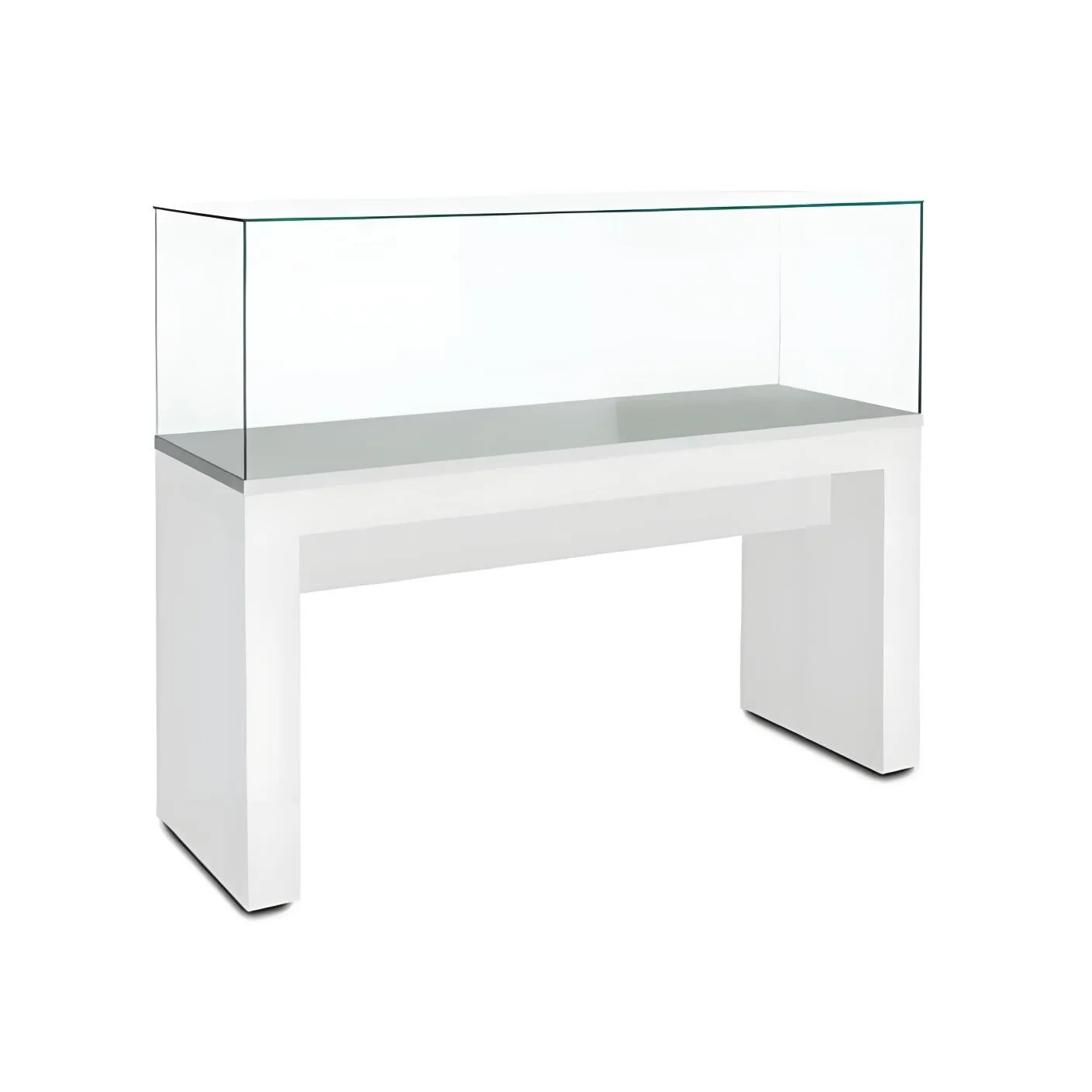
Tabletop cases bring intimacy to artifact engagement. These low-profile enclosures (typically 40x60cm to 120x180cm) elevate delicate objects—ancient coins, insect specimens, or fragile manuscripts—to ergonomic eye level (75–90cm). Constructed with 6–8mm anti-reflective glass or acrylic, they offer near-invisible visual access while sealed silicone gaskets maintain a stable internal environment. Recessed LED lighting, emitting less than 15°C of heat, illuminates items without risking damage from thermal exposure.
Ideal for high-detail viewing, they dominate natural history museums and archive displays. At the British Museum, tabletop cases house Mesopotamian cylinder seals, allowing visitors to scrutinize 5,000-year-old carvings. Conservationists favor them for light-sensitive materials: UV-filtering glazing and ±2% RH stability protect organic dyes, ivory, and parchment. Their portability also suits traveling exhibits—acrylic variants weigh under 20kg for easy transport.
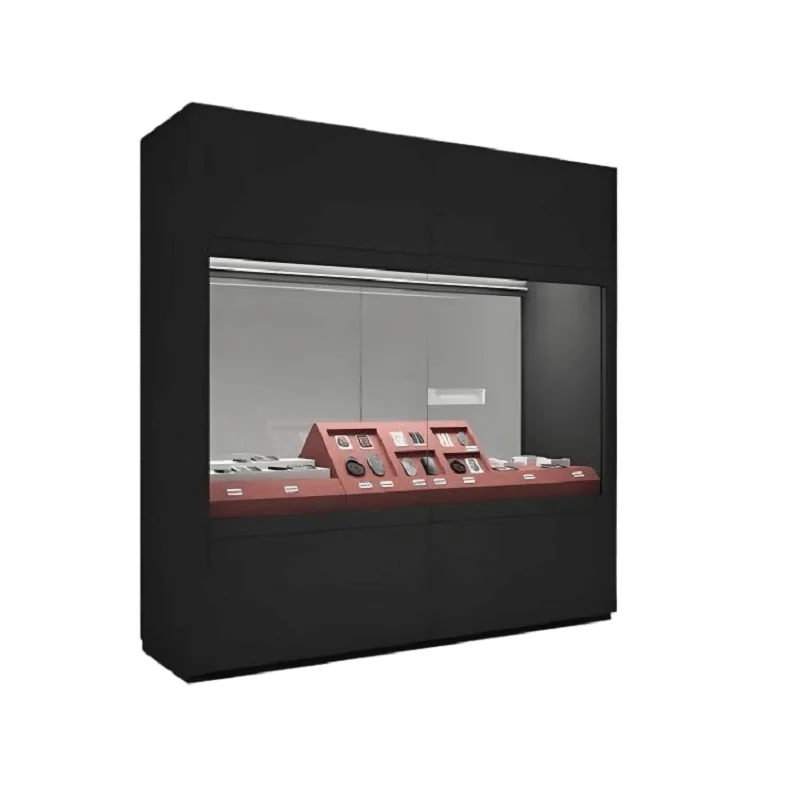
3. Museum Display Cabinets
Display cabinets function as self-contained exhibition rooms. Standing 1.8–2.5m tall with 360° visibility, they showcase vertical artifacts like tapestries, weapon collections, or taxidermy dioramas. Adjustable tempered glass shelves (load-rated up to 100kg) enable flexible arrangements, while aluminum frames support double-glazed panels with argon gas fills for thermal insulation. Integrated track lighting—dimmable and color-tunable (3000K–4500K)—eliminates shadows on complex objects.
Institutions use cabinets to create thematic “vignettes.” Istanbul Modern’s contemporary art wing groups multimedia installations in steel-framed cubes, isolating sound and light between displays. For security, lockable casters, laminated glass, and embedded sensors deter tampering. High-traffic museums like the Louvre opt for cabinets with back-painted panels, using dark hues to visually “disappear” the structure and focus attention entirely on artifacts like Renaissance ceramics.
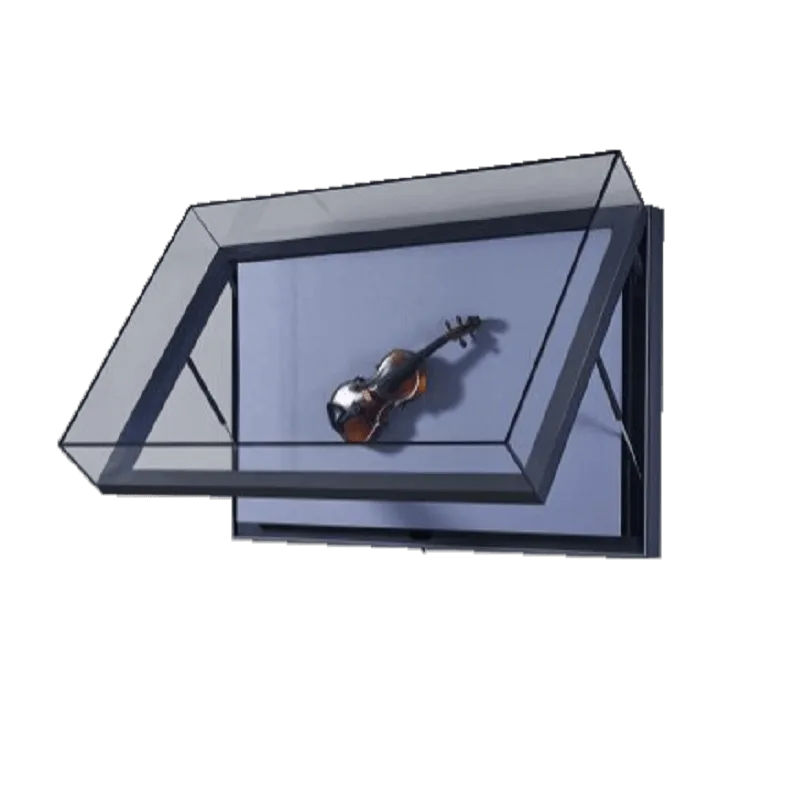
4. Wall-Mounted Museum Showcases
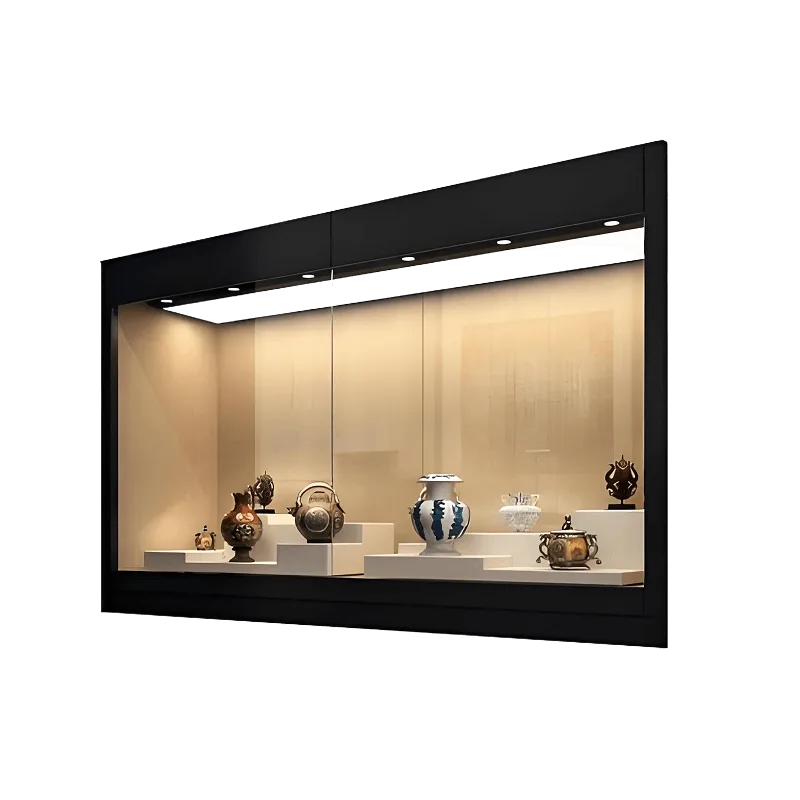
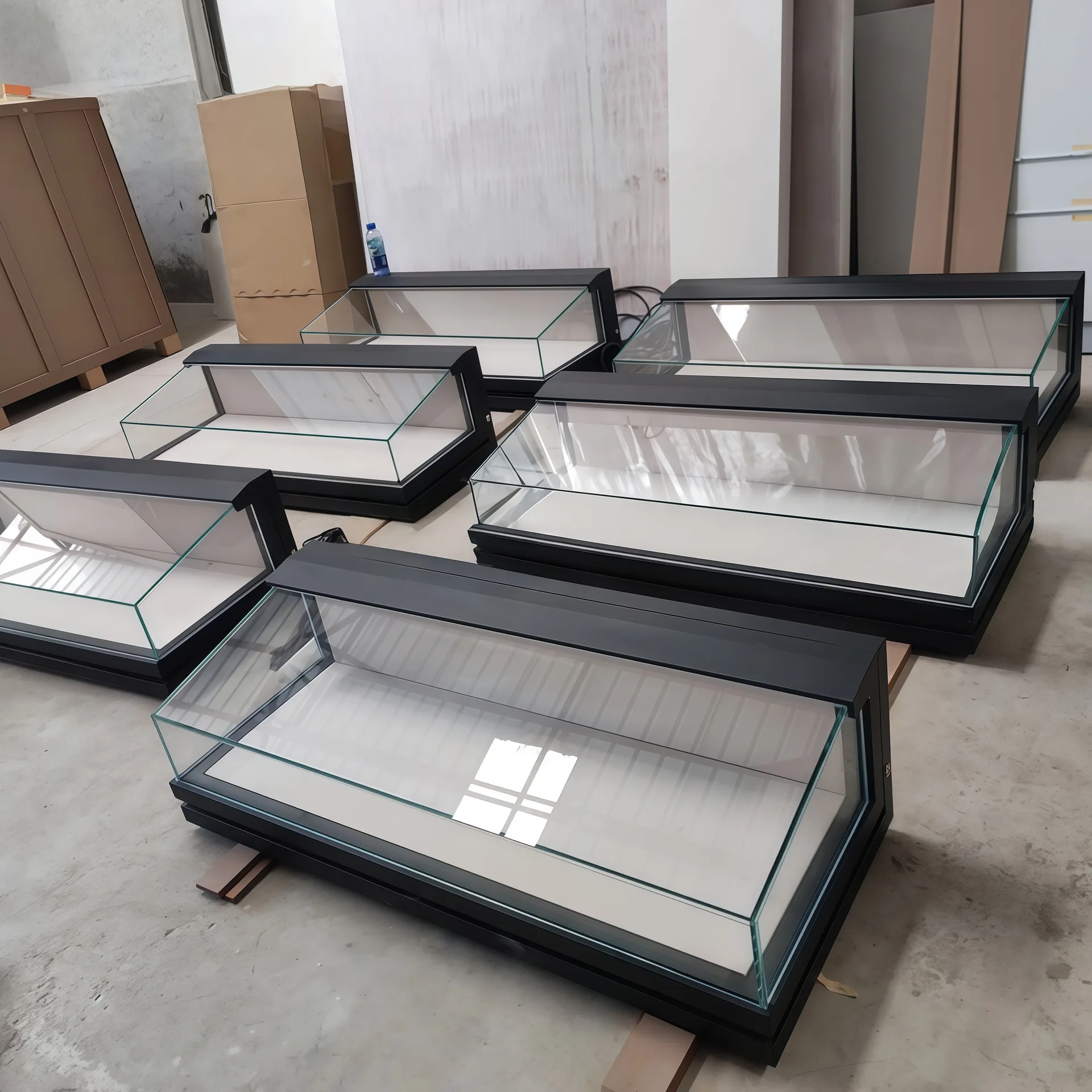
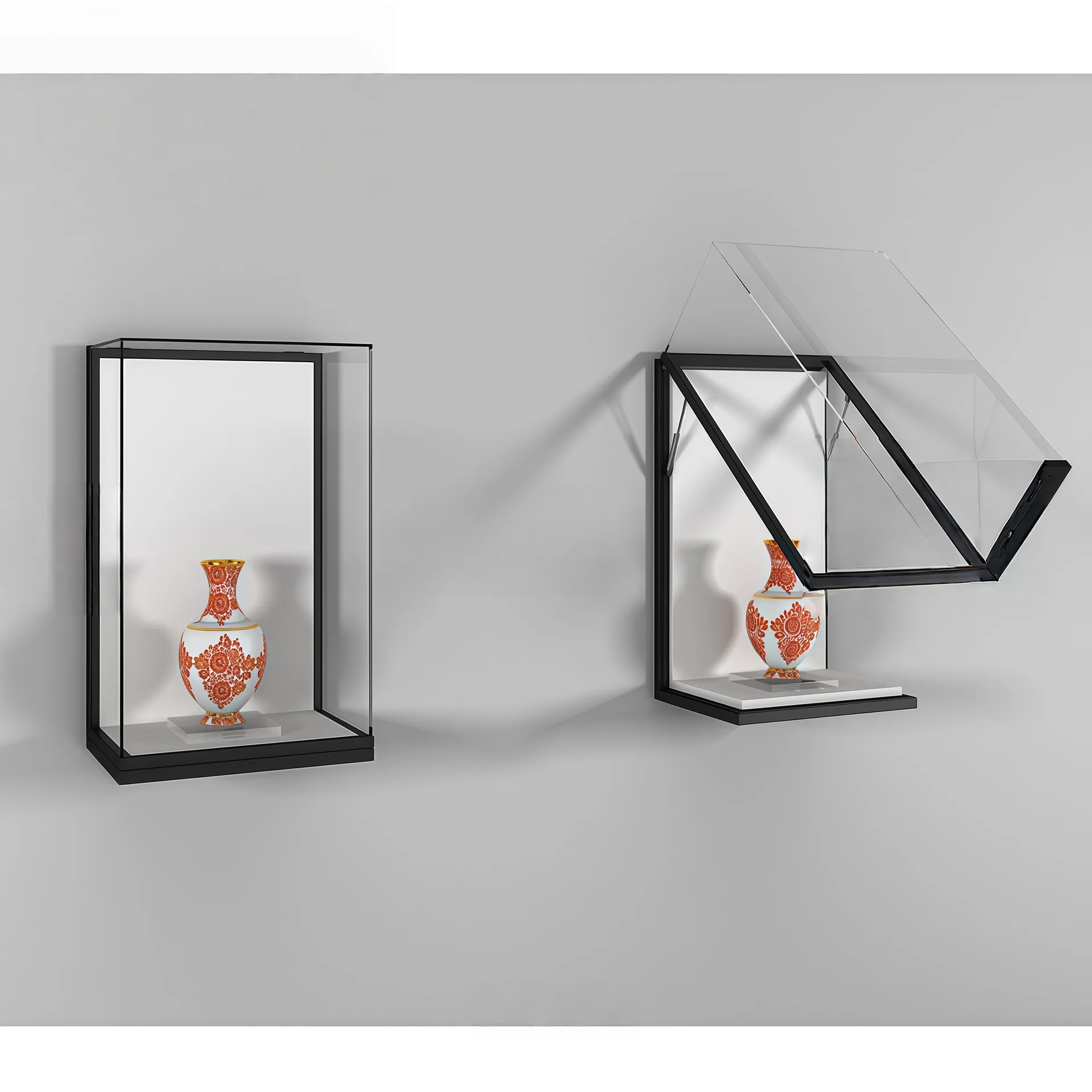
Wall-mounted showcases maximize space efficiency in constrained galleries. Anchored directly to wall studs with steel brackets, they project just 30–60cm into rooms—perfect for narrow corridors or historic buildings where floor space is sacred. Angled variants (15°–30°) improve visibility for items positioned below eye level, such as archaeological fragments or children’s exhibits. Slim LED strips, hidden in aluminum valances, provide glare-free illumination.
These cases excel in linear storytelling. The Churchill War Rooms in London use sequenced wall units to display wartime documents chronologically. Structural resilience is critical: reinforced backing supports up to 250kg, while laminated glass (6–10mm) withstands crowd pressure. For touring exhibits, lightweight acrylic versions simplify installation. Conservationists note their weaker environmental seals (rated B+ vs. A+ for floor cases) but compensate with silica gel inserts for sensitive textiles or paper.
5. Pedestal Museum Display Cases
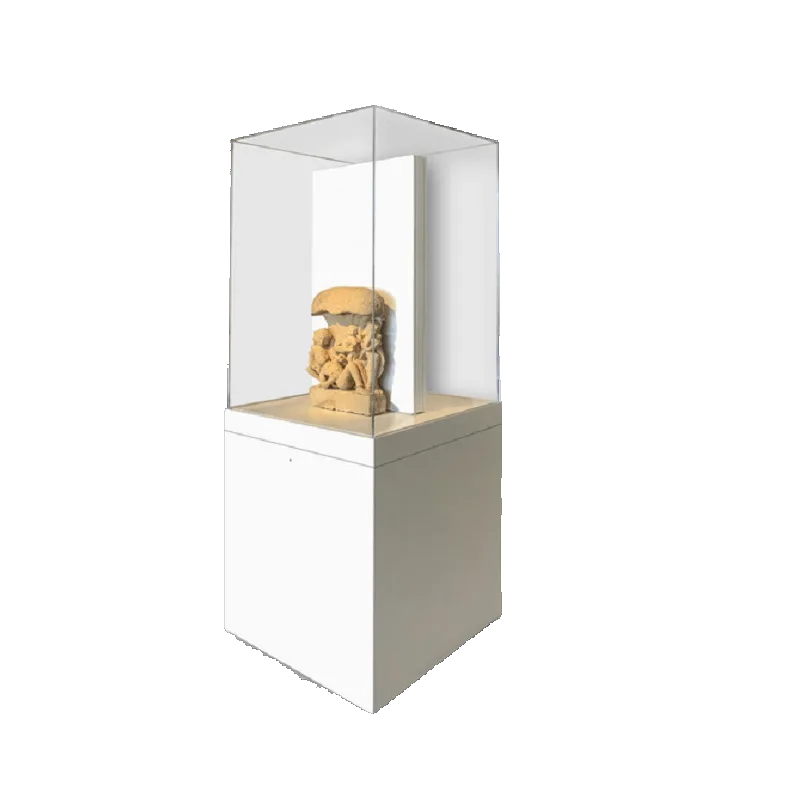
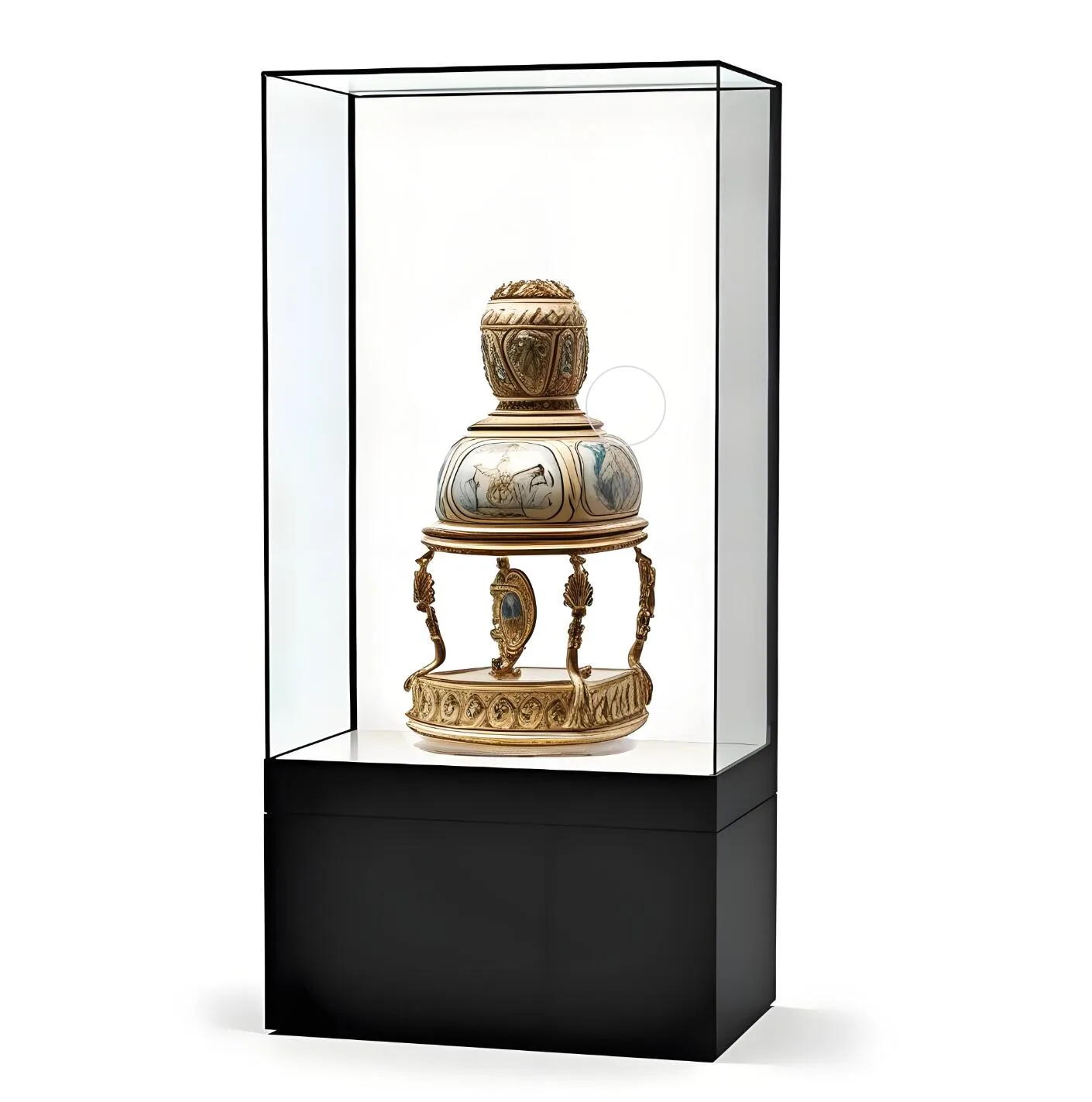
Pedestal cases transform singular artifacts into gravitational focal points. Elevating objects 80–150cm high, they command attention for masterpieces like gemstones, ceremonial masks, or meteorites. Cylindrical or trapezoidal anti-reflective glass enclosures offer unobstructed 360° sightlines, while internal steel cores support weights up to 800kg. Cladding options—bronze, marble, or matte steel—let curators match plinths to gallery aesthetics.
Dynamic features enhance engagement: motorized turntables (0.5–2 rpm) slowly rotate sculptures like Rodin’s “Thinker” at the Musée Rodin, revealing details invisible in static displays. For delicate items like Fabergé eggs, hermetically sealed versions maintain anoxic environments to prevent metal corrosion. Unlike bulkier cases, pedestals occupy minimal floor space while creating powerful visual punctuation in open-plan galleries.
Custom Museum Showcases
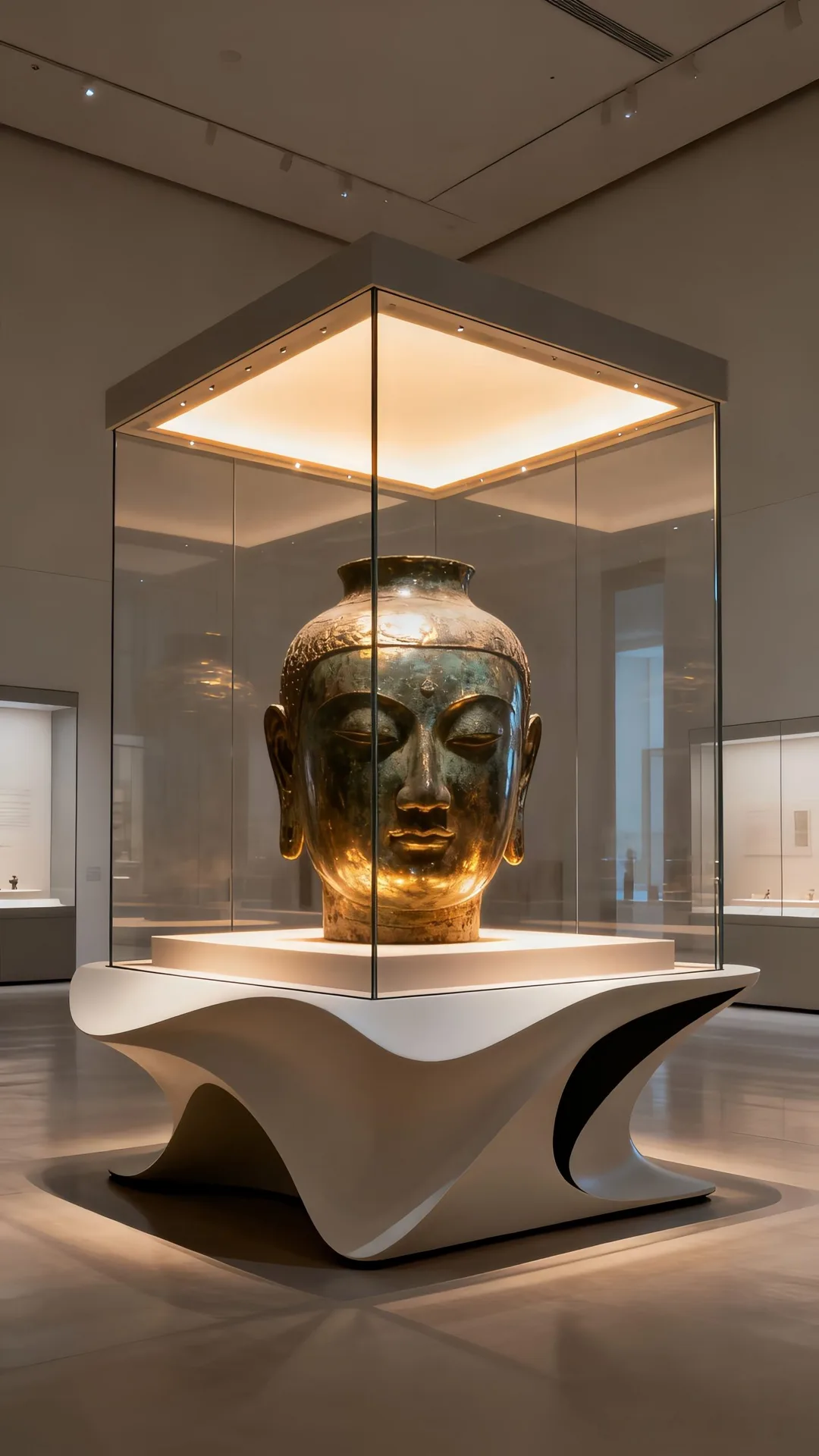
When standard designs fall short, custom cases solve unique challenges. Architects commission these for irregular spaces—curved walls, sloping floors, or atriums—or to house oversized artifacts like dinosaur femurs or tribal canoes. Materials push boundaries: blast-resistant glazing for high-risk venues, or nano-coated glass that repels dust in open-air sites.
The Museum of Islamic Art in Doha uses custom cylindrical cases to display fragile astrolabes, with internal humidity pumps maintaining 45% RH. Increasingly, bespoke units embed technology: touchscreens overlay artifact context, while pressure-sensitive floors activate lighting as visitors approach. Though costlier, custom builds guarantee perfect harmony between preservation science, security, and spatial design.
E: gzbensonkiosk@gmail.com
P: (+86 188 1396 3480