
When you step into a great museum, gallery, or even a high-end jewelry store. What do you see first? Often, it’s not just the stunning artifact itself, but how it’s presented. That elegant collection isn’t just sitting on the floor; it’s elevated, highlighted, and protected. That’s the magic of museum pedestal display cases and museum stands. Pedestal showcases are the perfect display fixtures for island displays and can be placed in any part of the museum interior space. They don’t play the melody, but they set the stage, control the environment, and ensure the star shines its brightest. Benson Display offers various kinds of pedestal display cases & stands, from solid wood, metal, to stainless steel, each piece features a perfect display image.
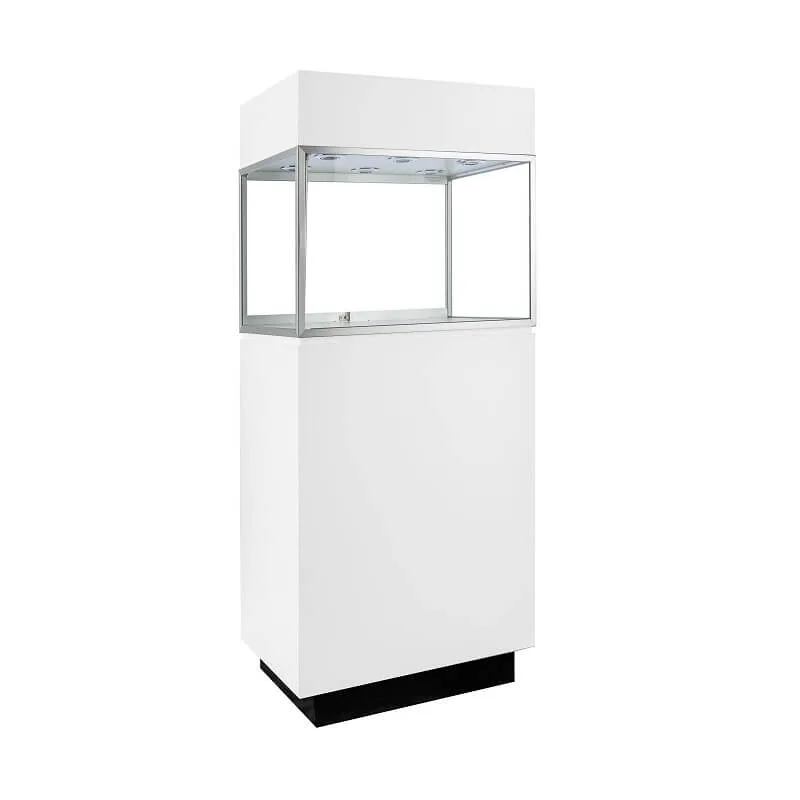
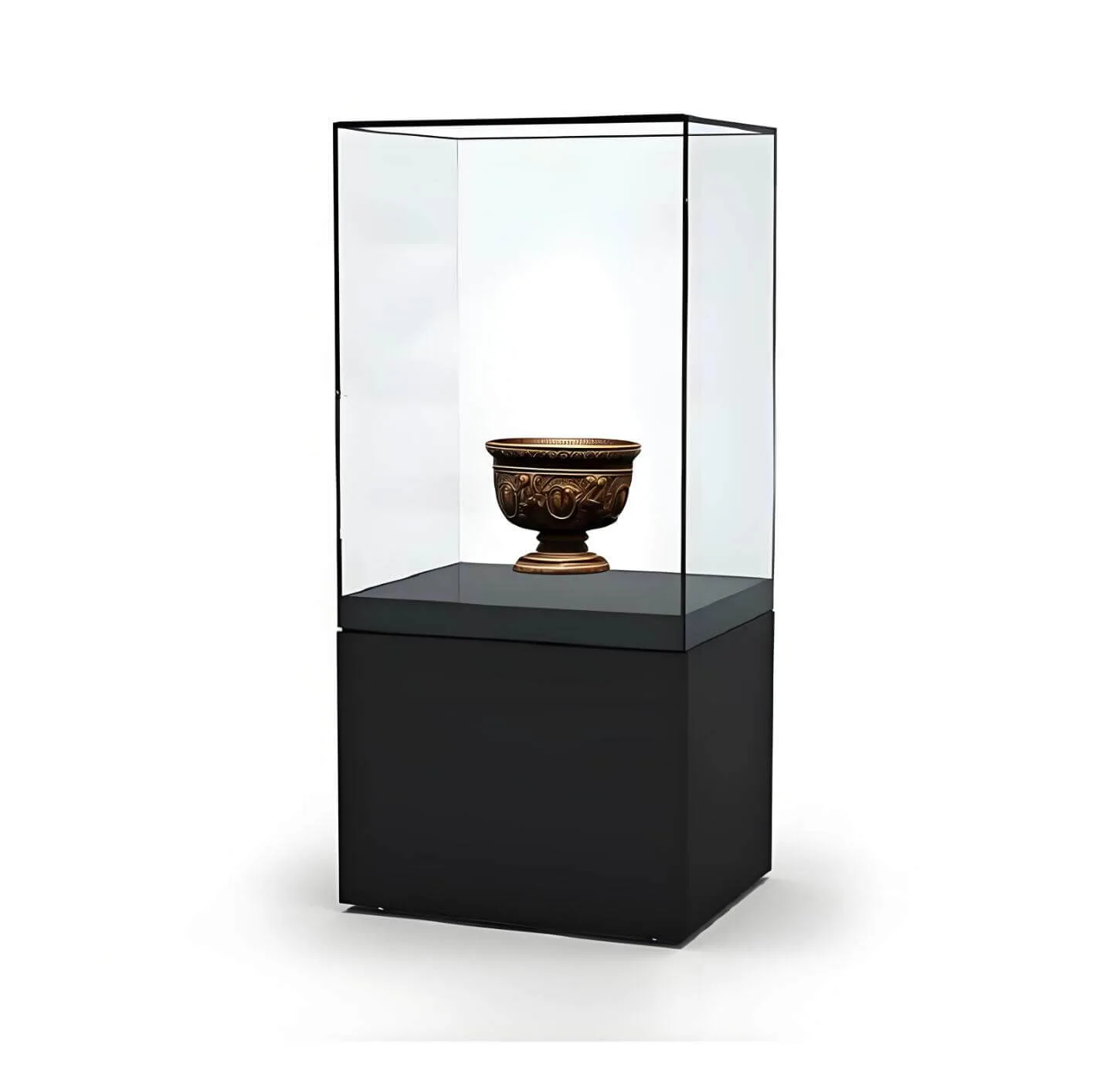
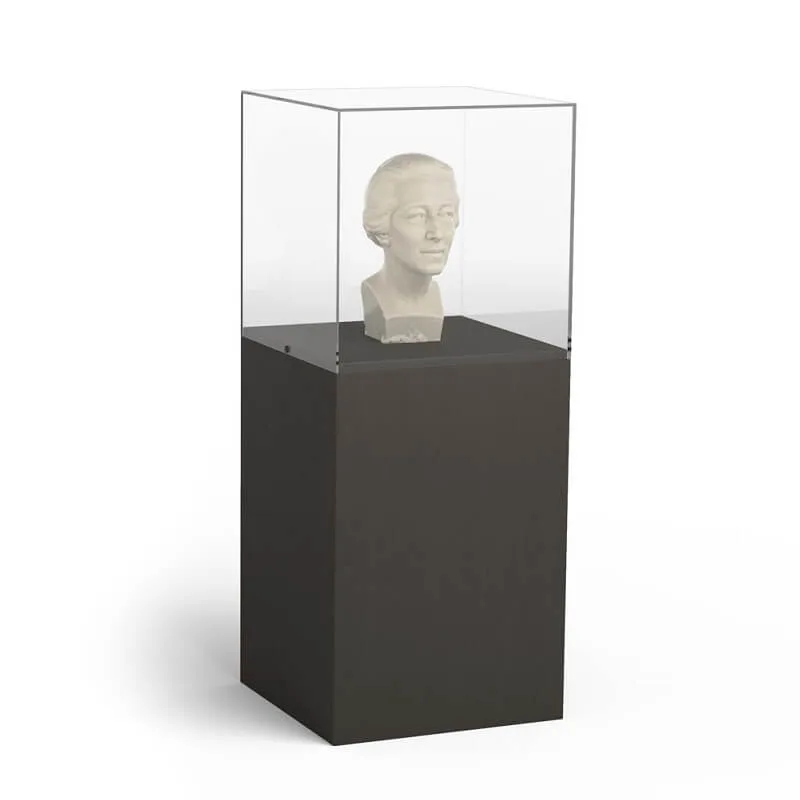
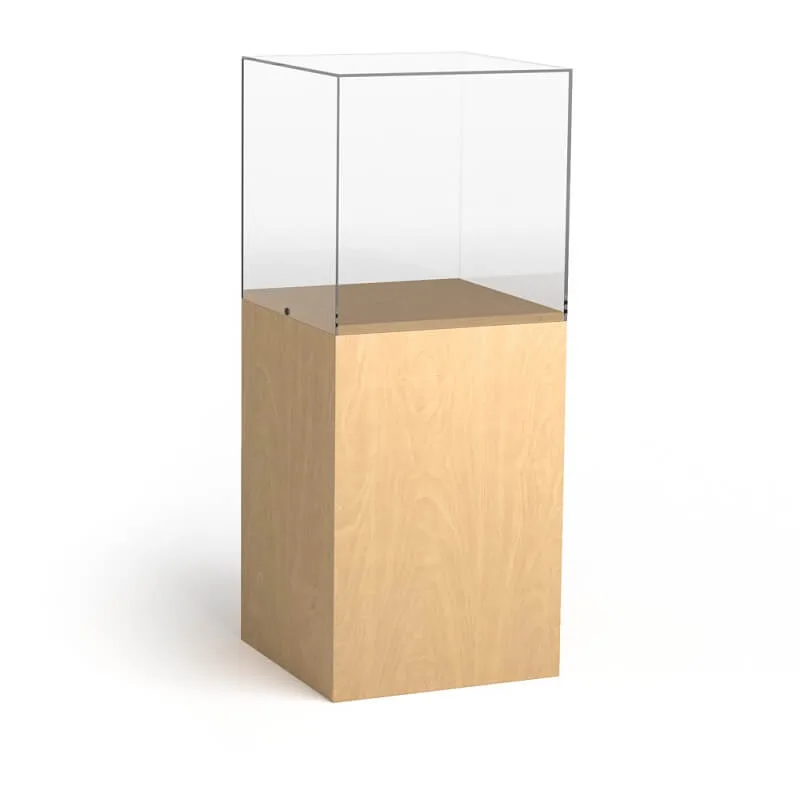
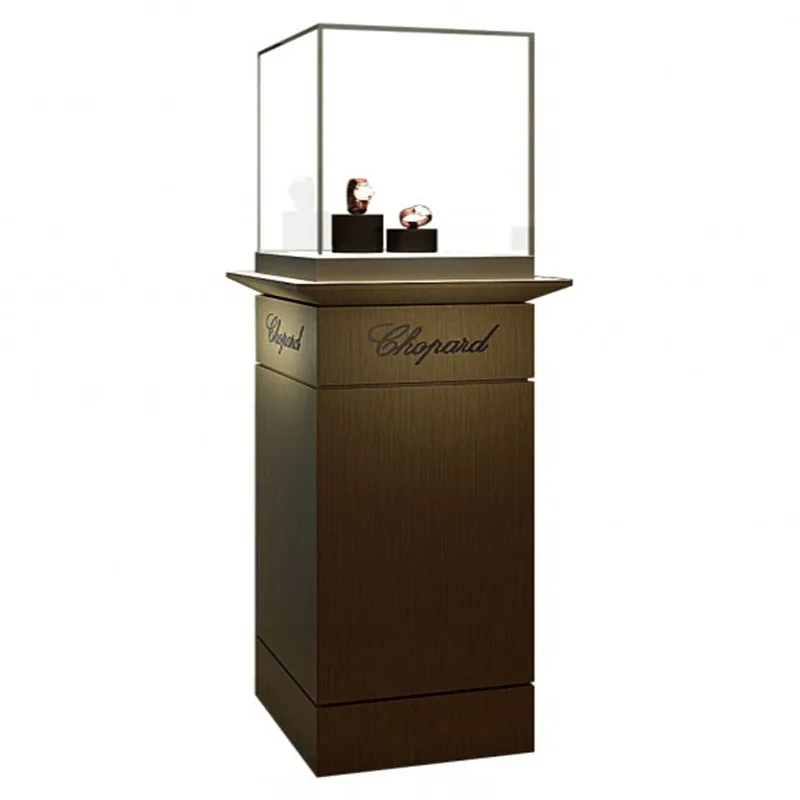


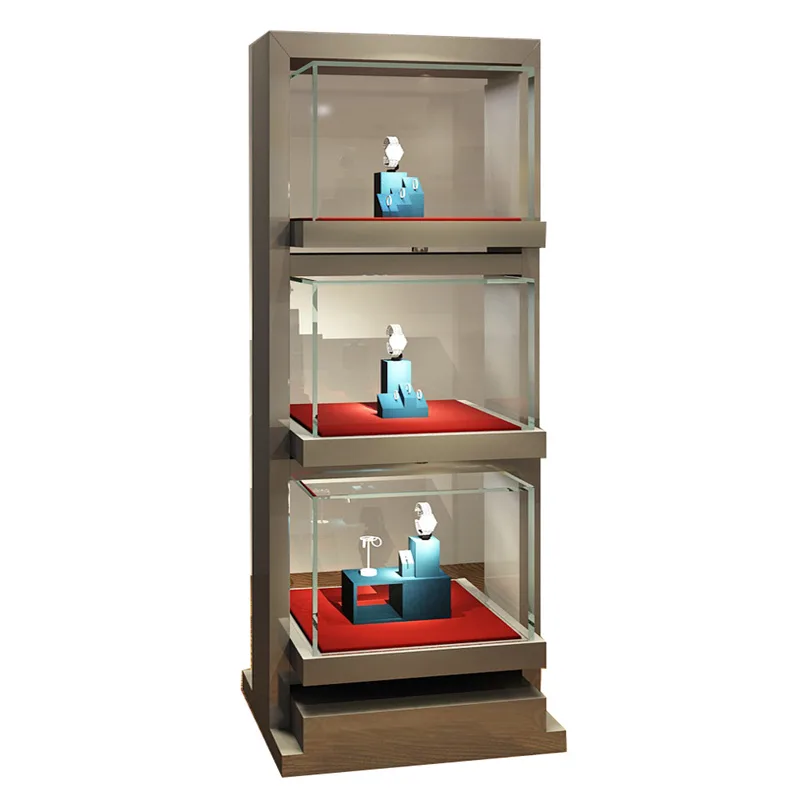
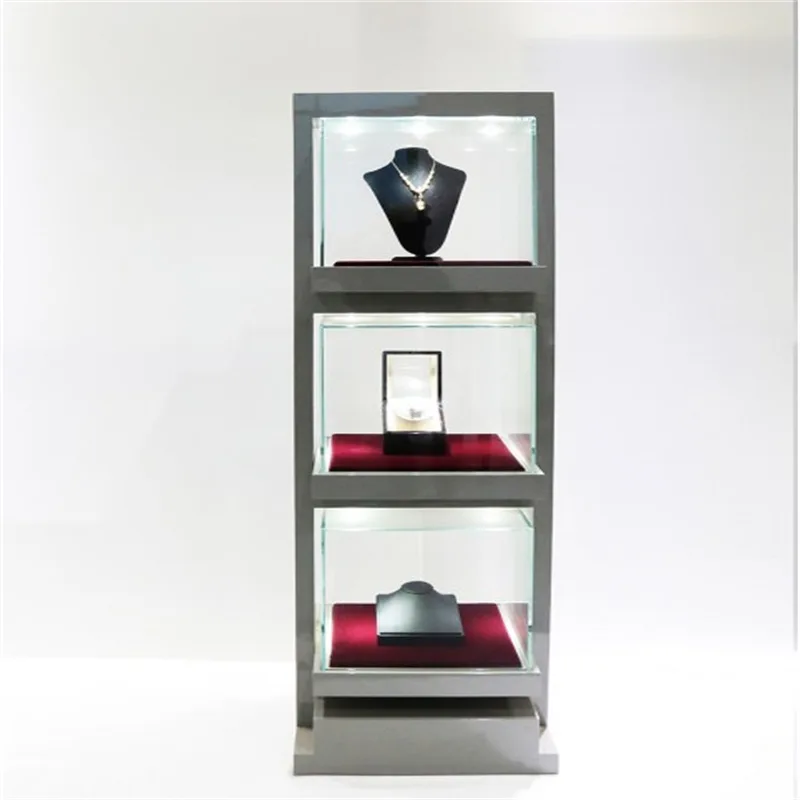
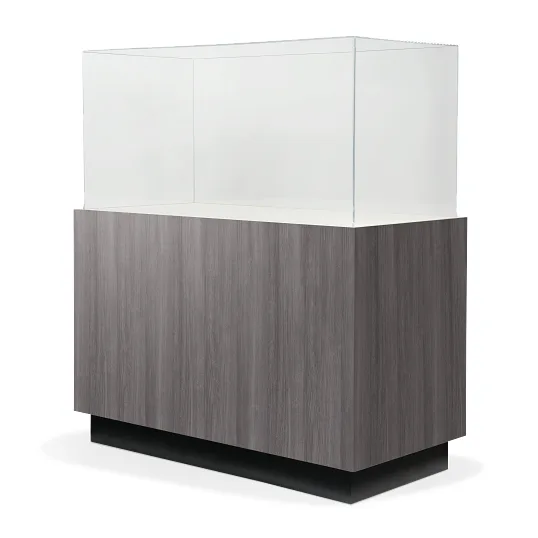
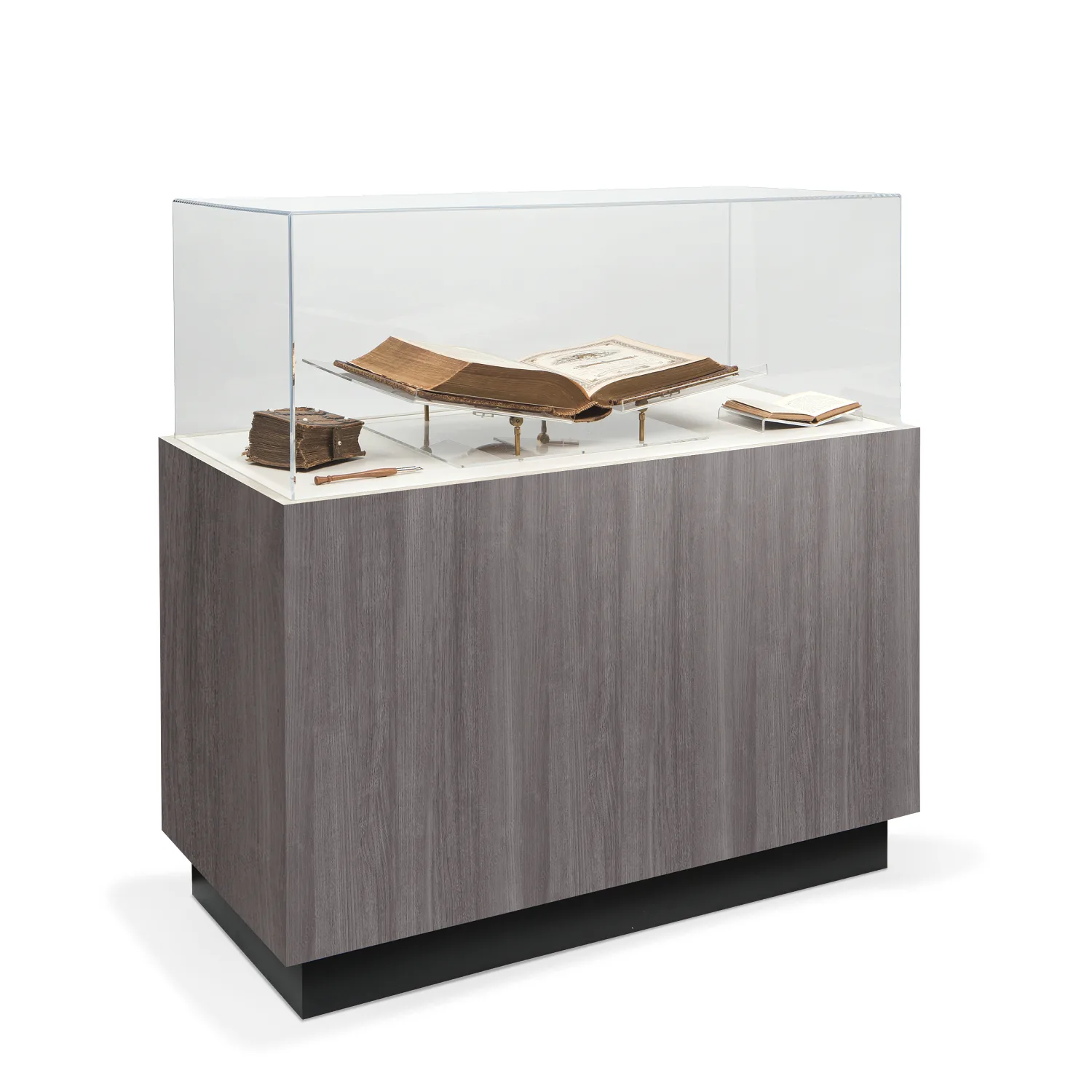
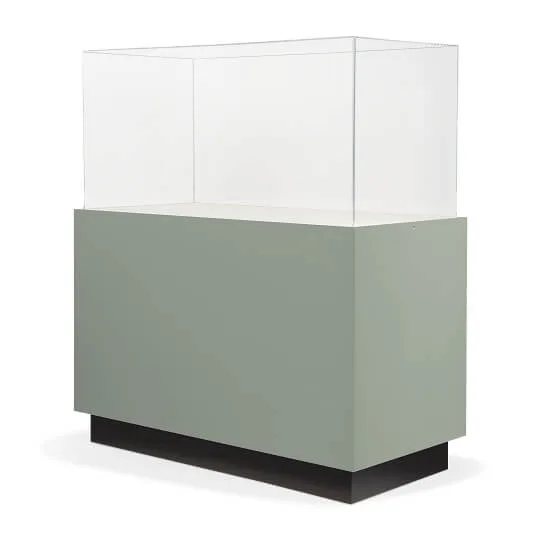
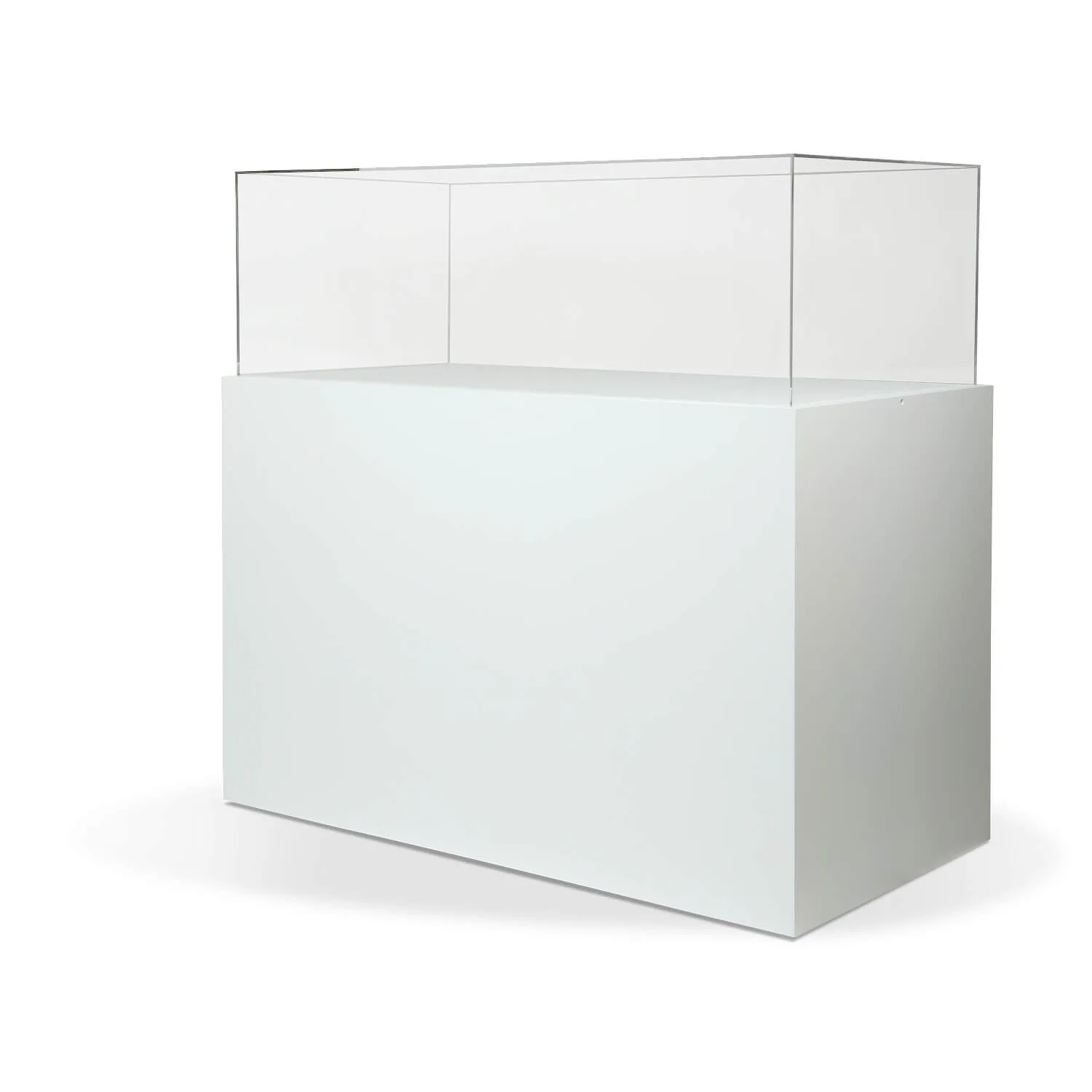
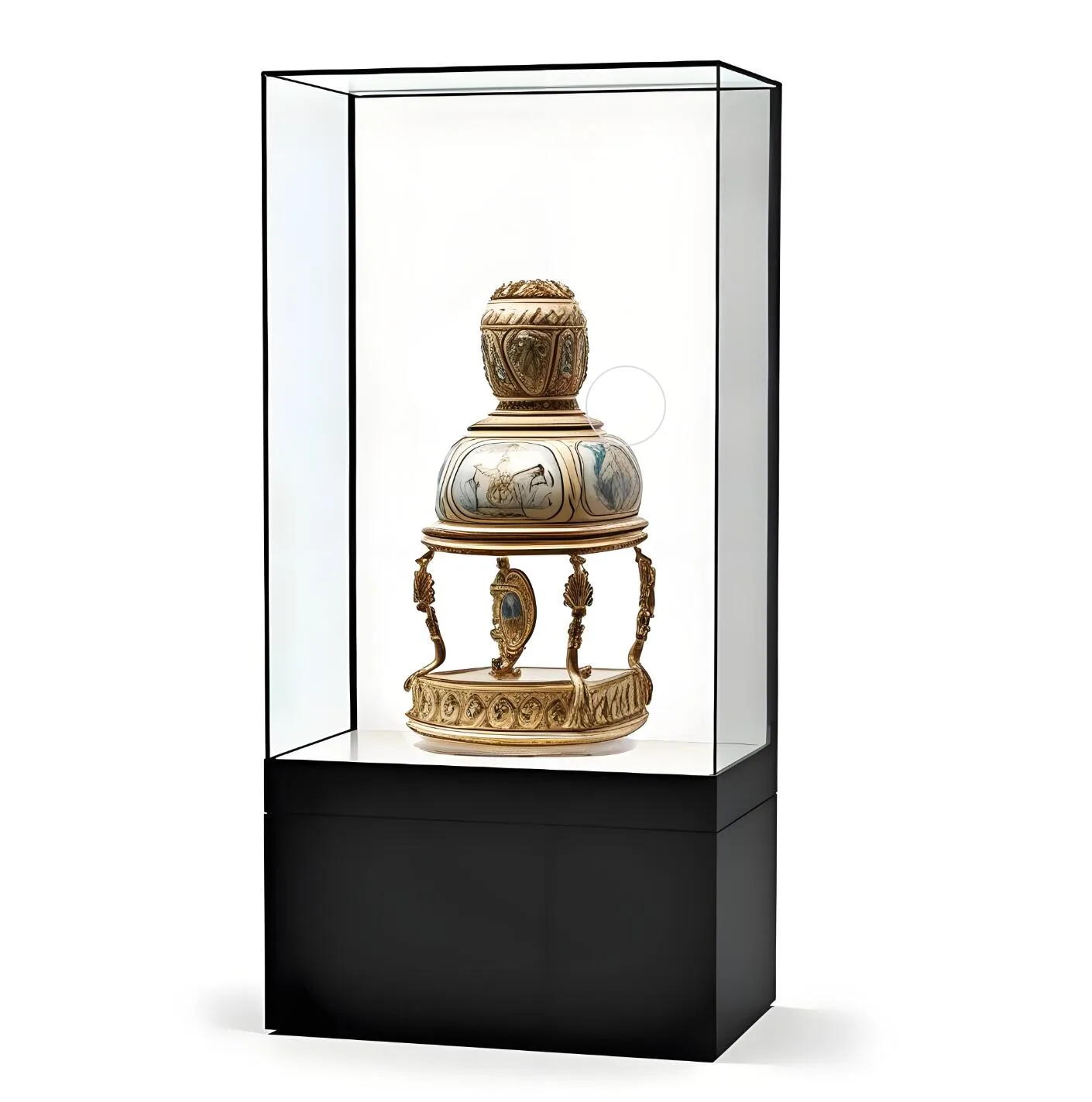
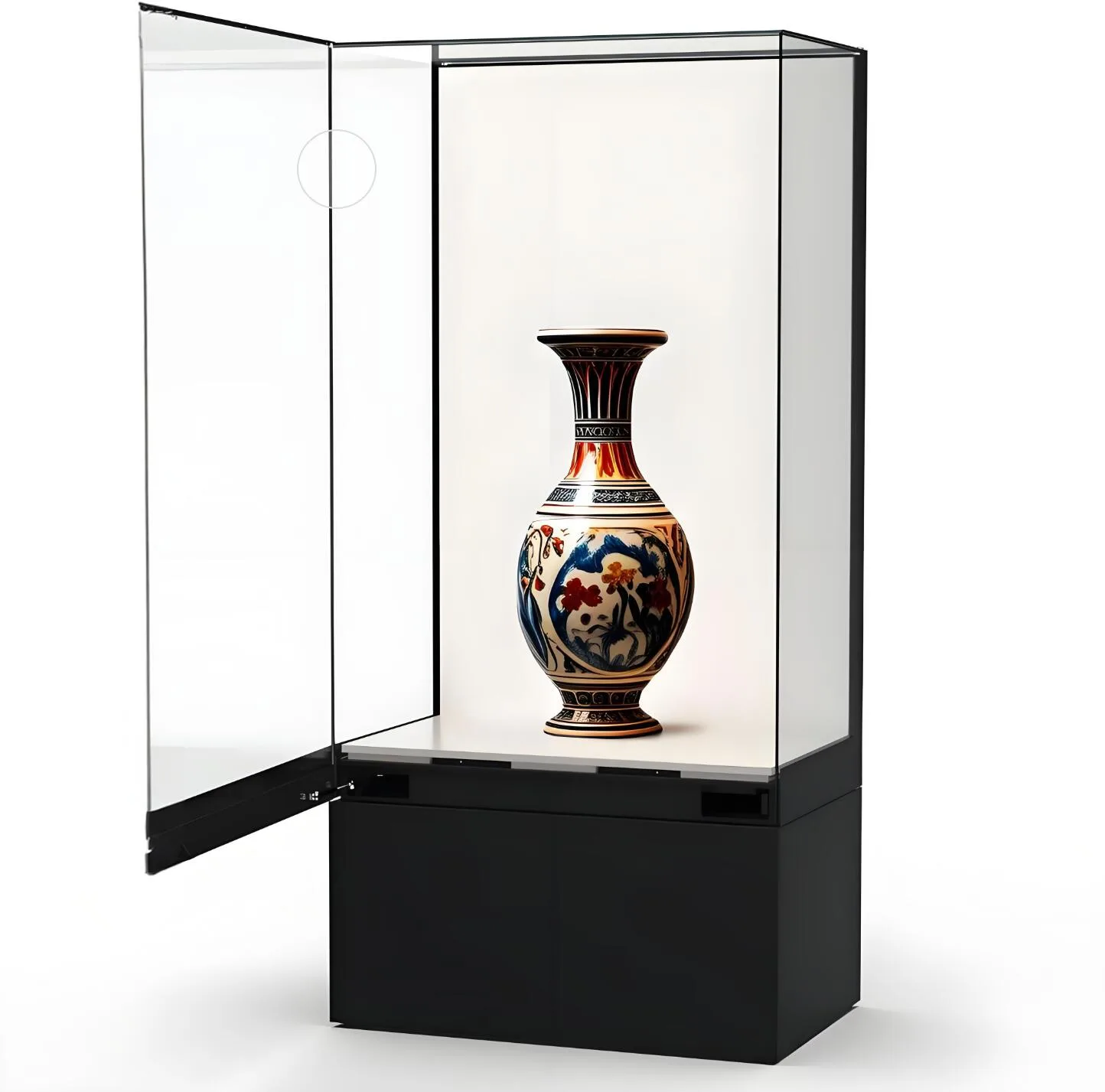
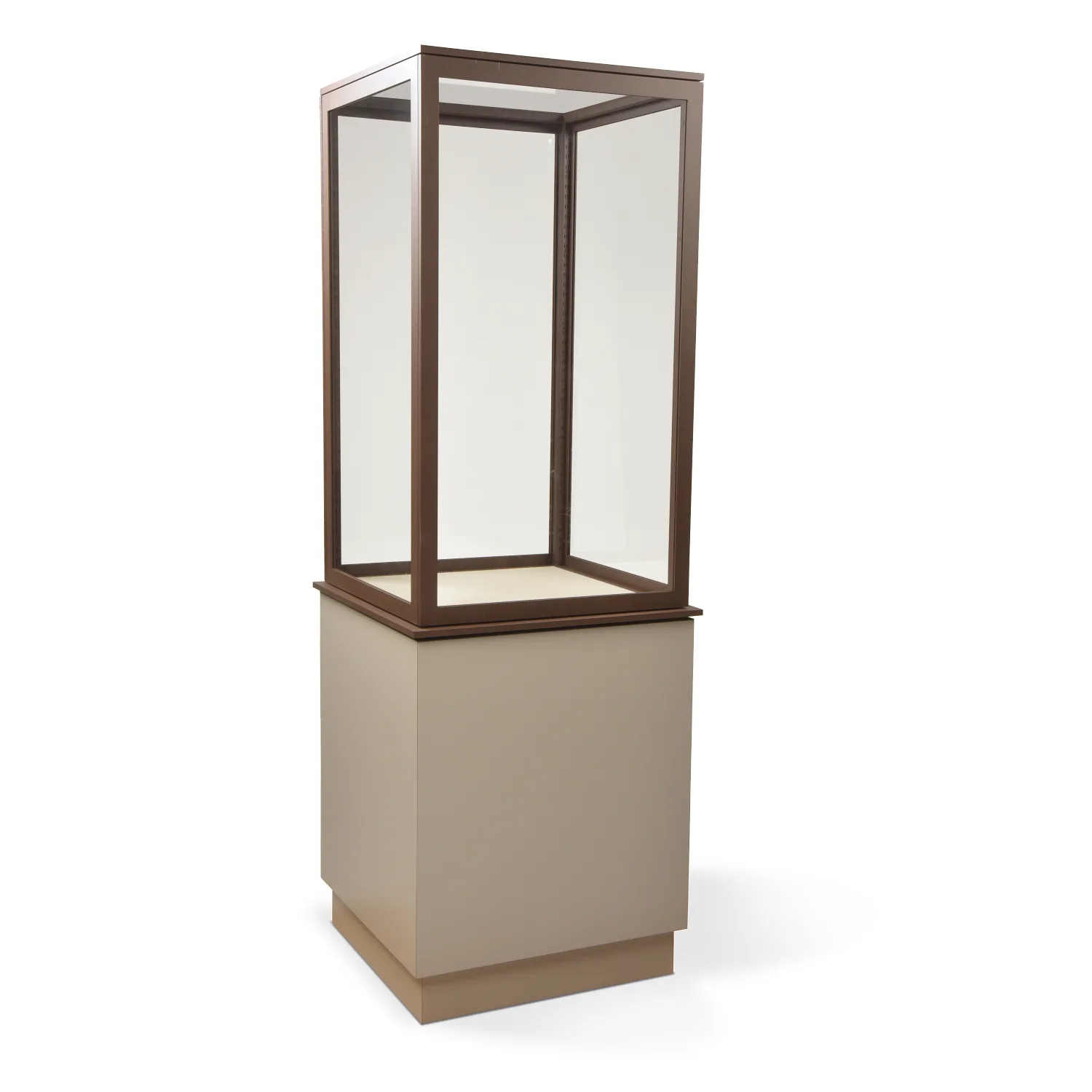
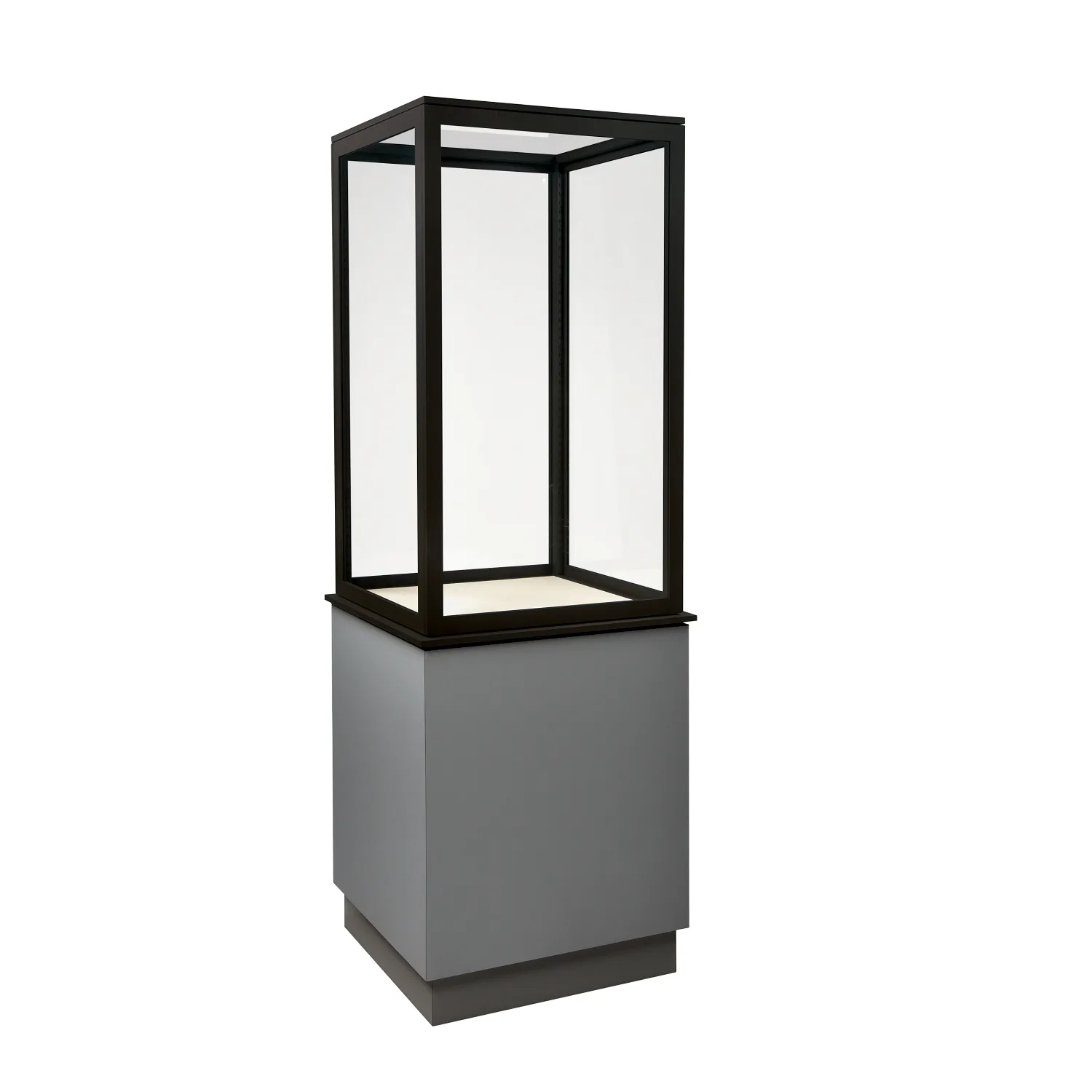
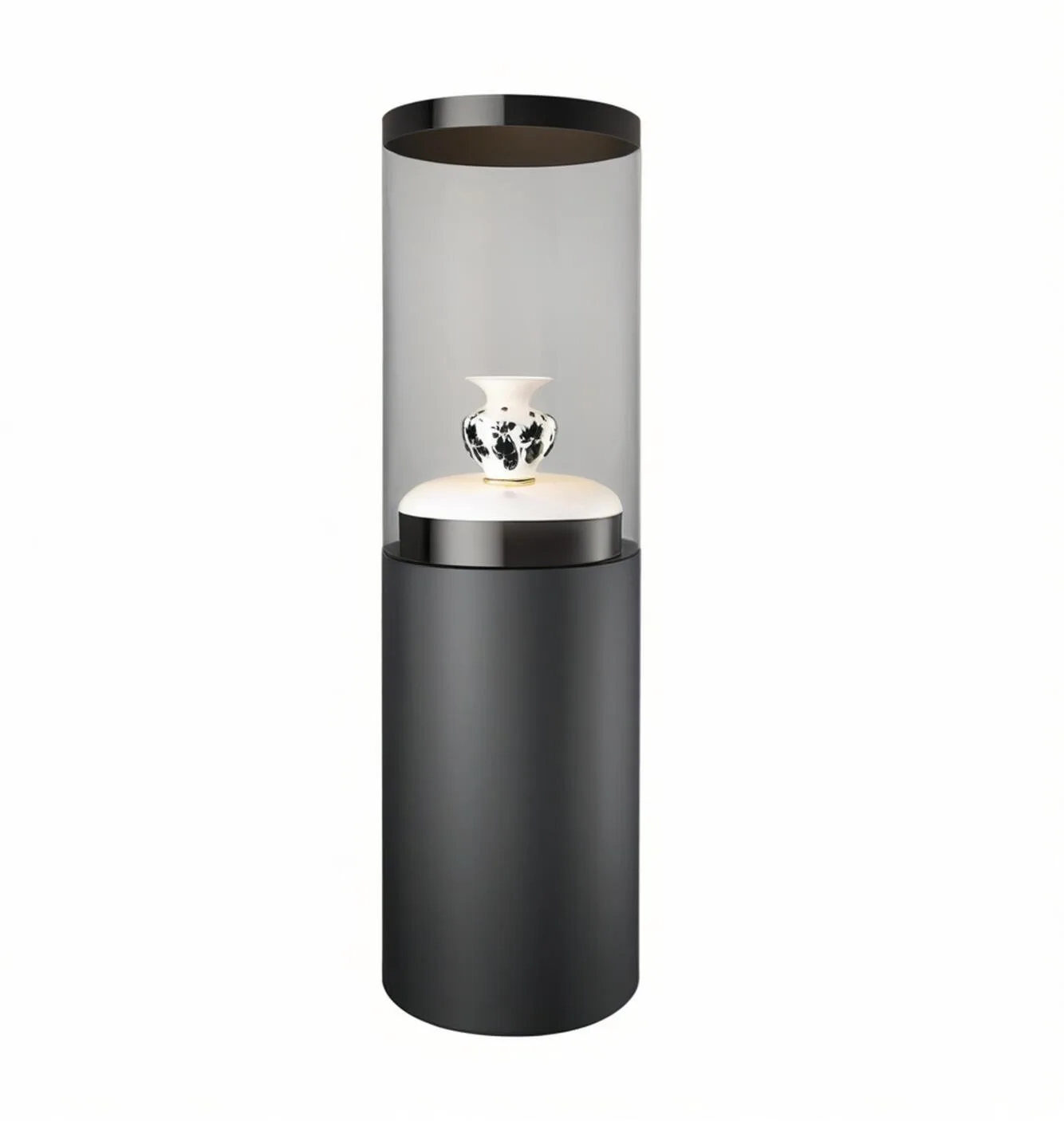
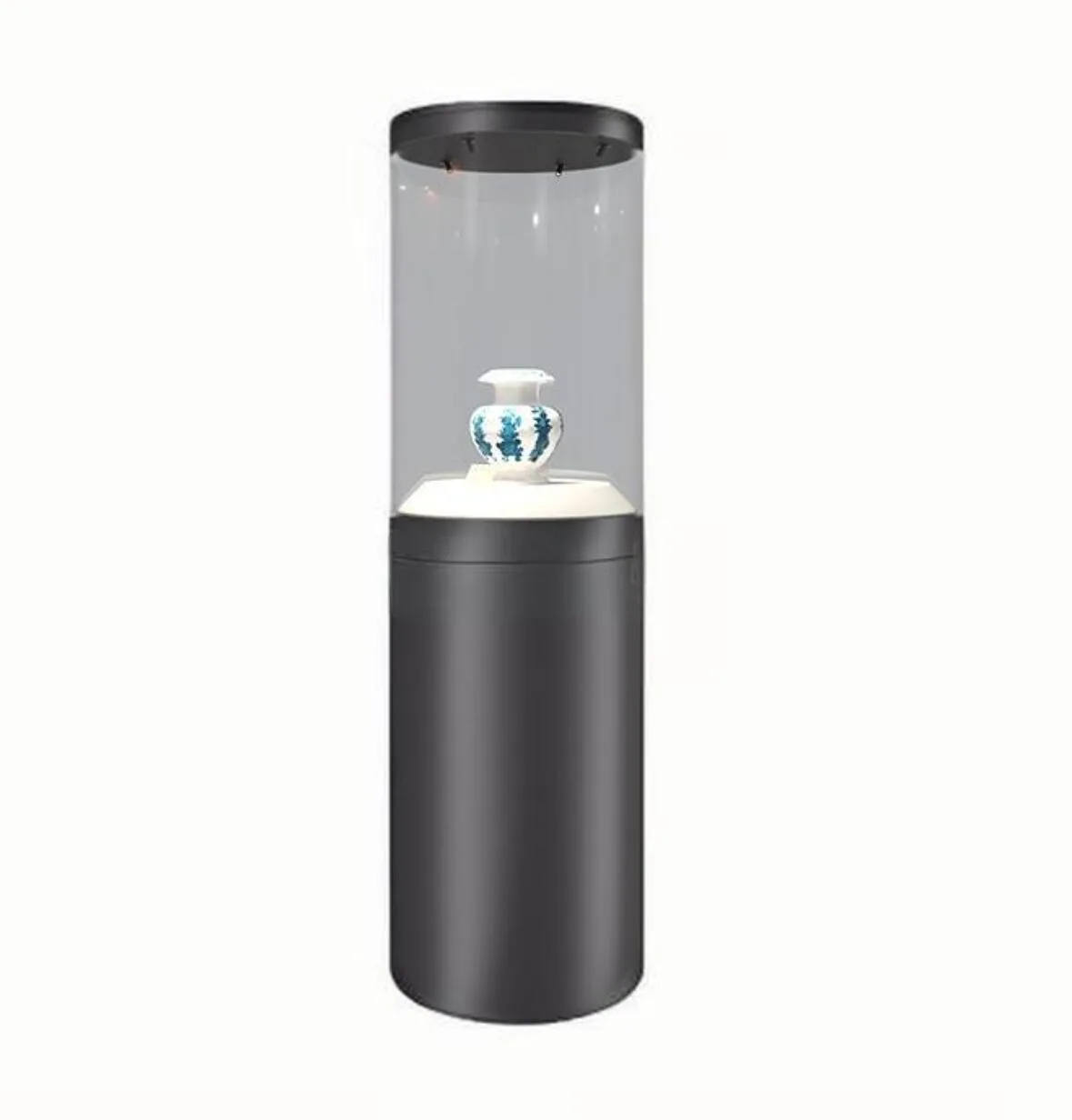
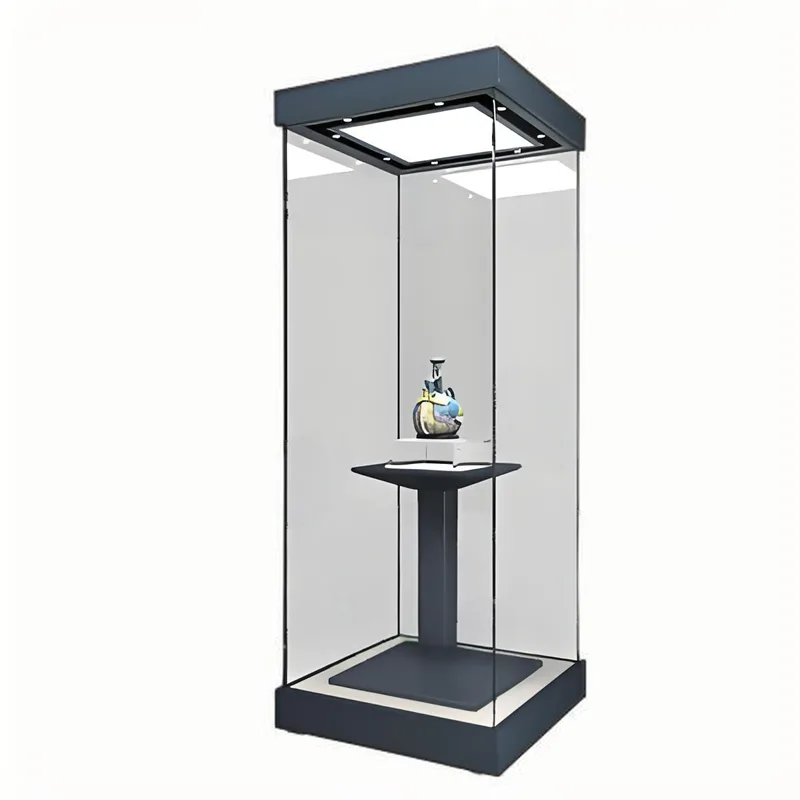
Pedestal museum display cases aren’t mere shelves or basic platforms. They are the main furniture in a museum. Typically, they’re meticulously designed tools born from a deep understanding of art, history, and science. A freestanding pedestal case transforms a fragile fossil into a majestic relic of deep time. Those carefully crafted stand allows a sculpture to be viewed from its different angles. And create focus, demand attention while guarding against dust, pollutants, clumsy hands, harmful light, and even thieves. Crucially, a pedestal display case can lift objects to our eye level, inviting us into a conversation across centuries or cultures.
Cases vs. Stands
Museum Pedestal Display Cases are the fully armored knights of display. Picture a sturdy base – maybe sleek metal, warm wood, or a minimalist column – topped with a crystal-clear box (the vitrine). This enclosure is usually made of specialized glass or acrylic. The whole display unit is self-contained, often locked, and creates a tiny, controlled world for the artifact inside. Pedestal showcase offers Maximum protection with 360-degree visibility that every museum needs.
Museum Stands, on the other hand, are the open-air stages. This category is broader, encompassing anything designed to support, elevate, and position an object without fully enclosing it. Maybe a simple geometric platform lifting a modern sculpture off the floor, creating space and importance. Or a custom-shaped wooden base cradling a ceramic bowl at just the right tilt. Or a nearly invisible acrylic armature holding a delicate insect specimen in mid-flight pose. The typical museum Stands include risers, platforms, columns (like pedestal bases without the top case), mounts, brackets, and custom socles.
Materials
Creating these pedestal displays isn’t about grabbing any old wood or glass. It’s a careful alchemy blending science and aesthetics. Every material choice matters deeply, especially for the precious cargo they hold.
The structure itself – the pedestal base and any framework – needs strength and stability. Metals dominate here. Stainless steel is incredibly tough, corrosion-resistant, and has a clean, modern look. Aluminum is lighter but strong, easily shaped, and often powder-coated in any color. For a touch of timeless elegance, brass or bronze might be used, though they need more care. Wood brings warmth and tradition – hardwoods like oak or walnut are beautiful and stable, but must be sealed impeccably with conservation-grade finishes to prevent harmful off-gassing. MDF and plywood are cost-effective and versatile for creating custom shapes, but again, they require rigorous sealing on every surface. These are often clad in stunning high-pressure laminates (like Formica®) or real wood veneers for durability and endless design options.
For stands, especially those touching the artifact directly, material inertness is paramount. Metals (stainless steel, aluminum, brass) form the backbone for strength and precision. Wood or sealed composites create elegant platforms. Clear acrylic or polycarbonate can make near-invisible supports. Conservators use specialized, ultra-safe materials like silicone putties, custom acrylic cradles, or padded brass mounts – all designed to hold securely without causing damage.
Where to Use?
While “museum” is in the name, these display powerhouses are everywhere precious or important objects need to be seen and protected. Yes, art museums and history museums are their natural habitat, showcasing sculptures, ceramics, ancient tools, and delicate manuscripts under the protective dome of a pedestal case or elevated on a custom stand. Natural history museums rely on them for fossils, minerals, and taxidermy, often using large cases or tiered stands within cases.
But step outside the museum:
-
Auction Houses & Art Galleries: That multi-million-dollar painting or rare vintage watch isn’t just leaning against a wall. It’s presented securely and glamorously in a pristine pedestal case or on a sleek stand, maximizing its allure and perceived value for potential buyers.
-
Corporate Lobbies & Offices: Awards, historic company artifacts, or commissioned sculptures aren’t desk trinkets. They’re elevated on stands or encased, projecting prestige, heritage, and success to every visitor and employee.
-
Luxury Retail (Jewelry & Watches): This is where pedestal display cases truly shine (often literally, with integrated lighting). They transform rings, necklaces, and timepieces into objects of intense desire, allowing close inspection while keeping them utterly secure. Stands organize displays beautifully within larger cabinets.
-
Cultural Sites & Visitor Centers: Found artifacts, scale models, or interactive displays gain context and protection within cases or on stands, enhancing the visitor’s understanding of the place.
-
Private Collections: Enthusiasts use them at home to showcase treasured collections – from vintage toys to mineral specimens – with museum-level care and presentation.
-
Universities & Libraries: Rare books, scientific models, and teaching collections are displayed safely and accessibly for study and inspiration.
Essentially, anywhere an object deserves focus, respect, and protection, museum-grade pedestals and stands play a vital role. They signal that what’s displayed is significant and valued.
Designing
Crafting the perfect pedestal or stand isn’t just about picking pretty materials. It’s a complex dance of invisible science and deliberate artistry, all focused on the artifact and the viewer.
Conservation is the non-negotiable foundation. For enclosed pedestal cases, creating a stable microclimate is key. Silicone seals ensure an airtight environment. Silica gel trays might hide inside to buffer humidity, or sophisticated systems might actively control it. Lighting is equally crucial – integrated LEDs are standard: they run cool (no heat damage!), show colors truthfully (high CRI), and crucially, filter out harmful UV rays. Every single material inside the case – adhesives, paints, fabrics used for lining, the mount itself – must be rigorously tested to be “conservation-safe,” meaning they won’t off-gas chemicals that could slowly destroy the artifact over time. It’s silent, vigilant care.
Security is woven into the design. Laminated glass is the first line of defense. Locks are high-security, often discreetly placed and with restricted key access. Hinges are tamper-proof. The entire case might be bolted to the floor. Alarm sensors (contact or glass-break) can be integrated, connecting directly to the building’s security system. It’s about deterrence and rapid response.
The viewer’s experience is meticulously planned. Anti-reflective coatings on glass fight annoying glare. Low-iron glass ensures the artifact looks its true self. The height of the pedestal or stand is calculated for comfortable viewing, often considering accessibility guidelines (ADA). Sightlines are checked: can you see the object clearly without distracting seams or hardware blocking the view? Is the lighting positioned perfectly to illuminate without creating hot spots or shadows that hide details? The design aims to make the encounter between viewer and artifact effortless and absorbing.
Buy With Benson Display
Pedestal display cases and museum stands are critical display fixtures in the art exhibition. They transform objects from stored items into meaningful encounters. High-quality pedestal cases also safeguard our shared heritage and amplify its power to inspire, educate, and connect us across time. They are the essential, often unnoticed, foundation upon which the magic of museums – and countless other spaces – is built. Benson Display is a leading manufacturer of various museum display cases. We offer customized pedestal showcases and stands with a supreme finish.
hsla(calc(0 + 235),calc(0% + 10%),calc(26% – 8%),100%)