
Coffee Kiosk For Sale
A coffee kiosk is a retail food stand in mall, often designed as a mobile or semi-permanent food court to serve coffee and related beverages quickly. Some outdoor coffee kiosks are designed like containers or booths, Unlike traditional coffee shops with seating areas and expansive menus, coffee kiosks prioritize easy-to-buy, focusing on high-volume, grab-and-go sales. They’re ideal for high-traffic locations like airports, office complexes, or festivals, where space is limited but demand is high. Typically, a kiosk houses essential brewing equipment, a small counter for transactions, and minimal storage, operating with a lean staff—sometimes just one barista. If you are looking for a coffee kiosk design or need to build a small coffee stand welcome to contact us.
- Design: Modern Luxury
- Dimension: 10x12ft, 12x15ft or customzied
- Material: Plywood structure, Formica Laminate door and surfaces, Stone Countertops, tile wall cladding.
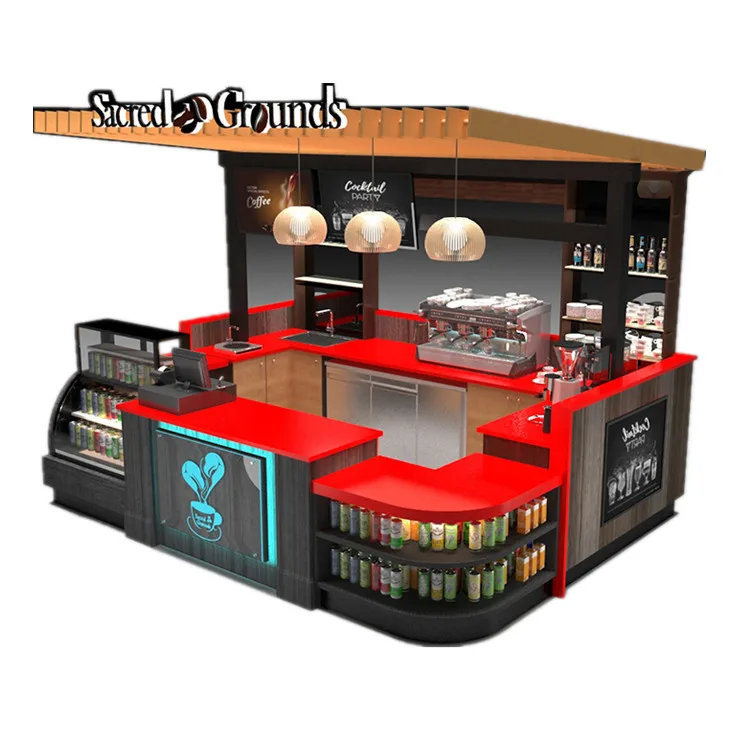
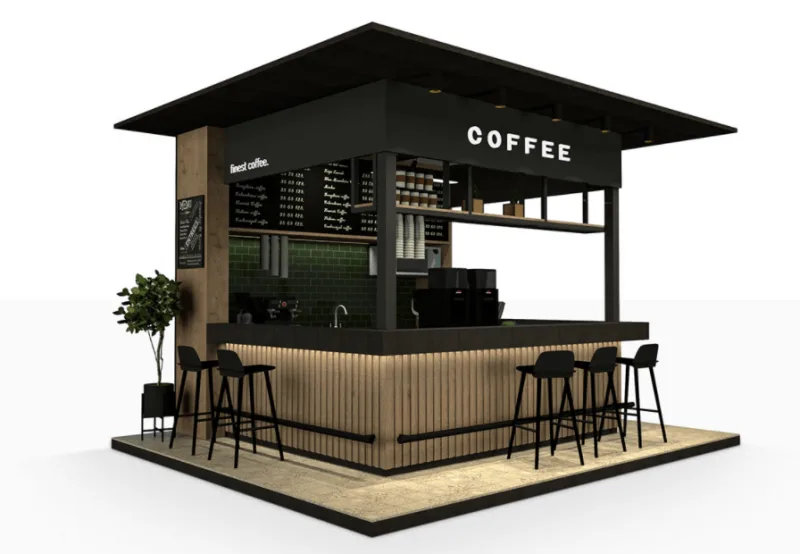
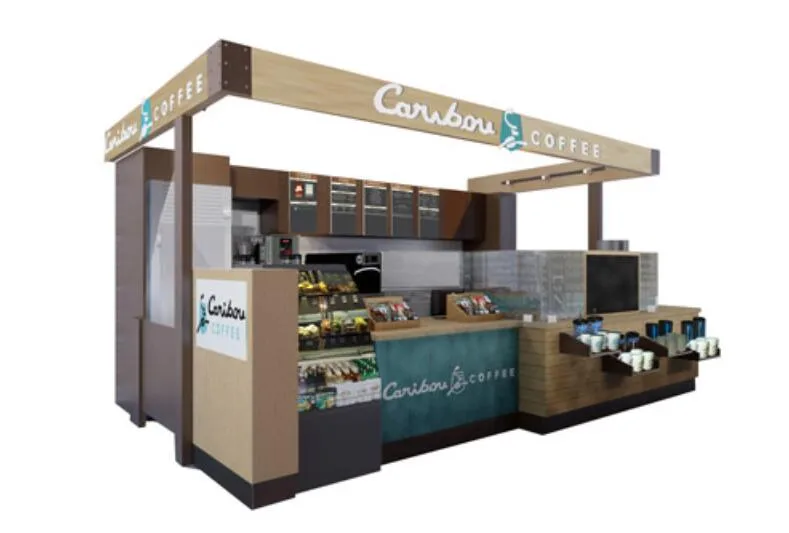
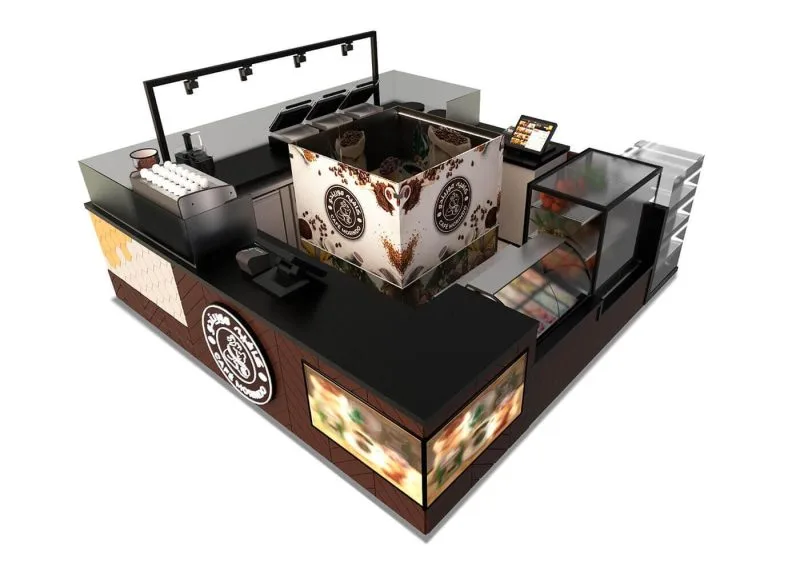
Coffee Kiosk Design
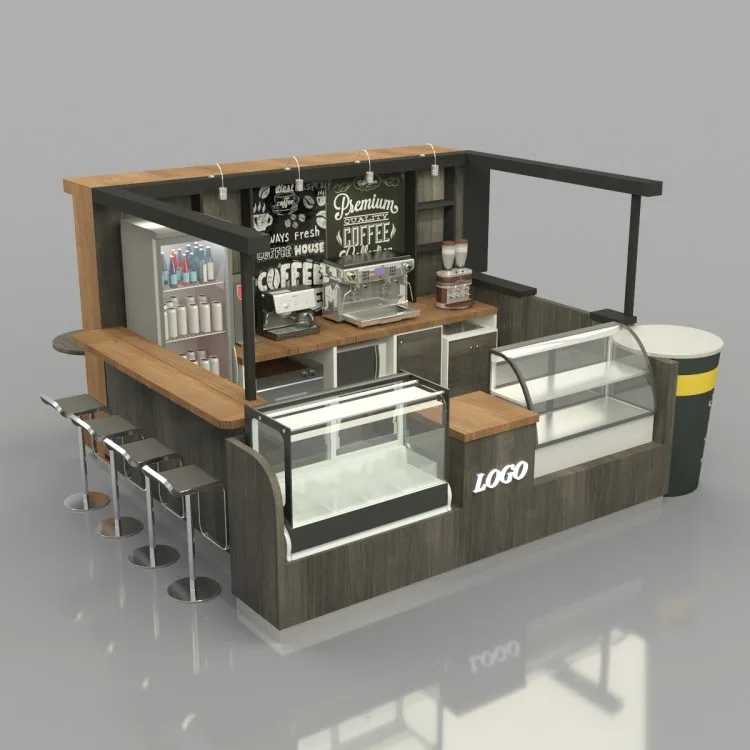
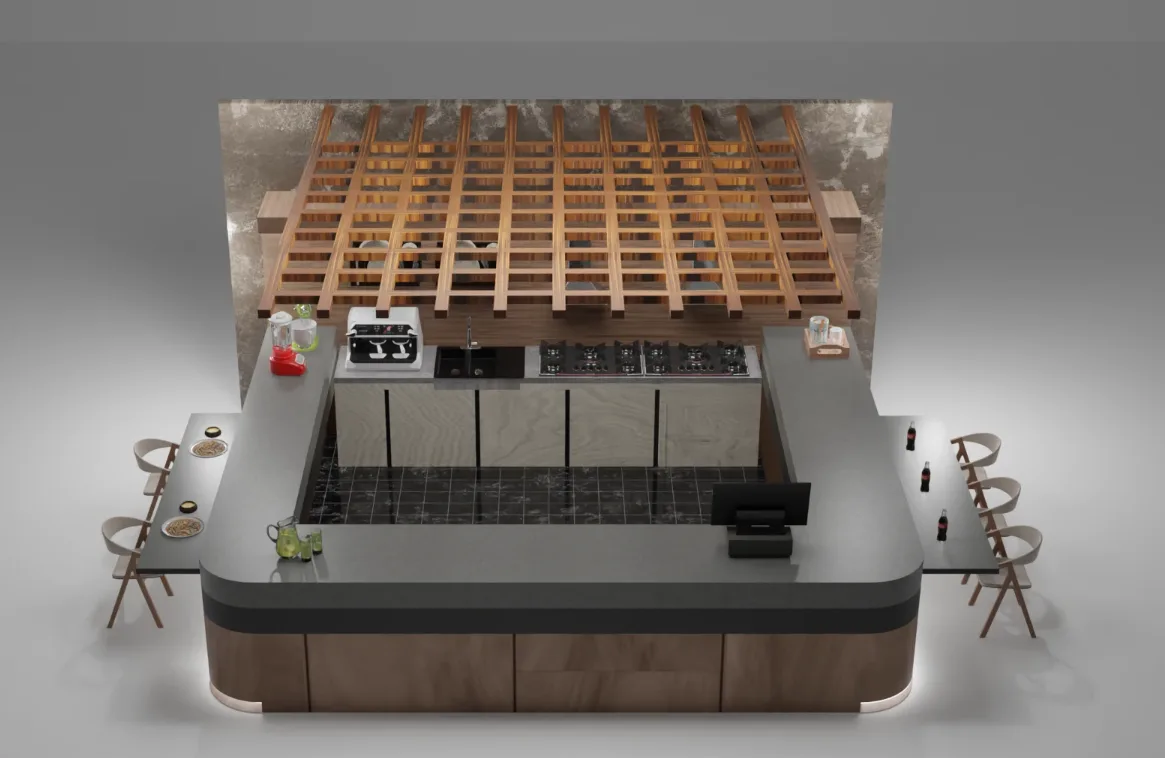
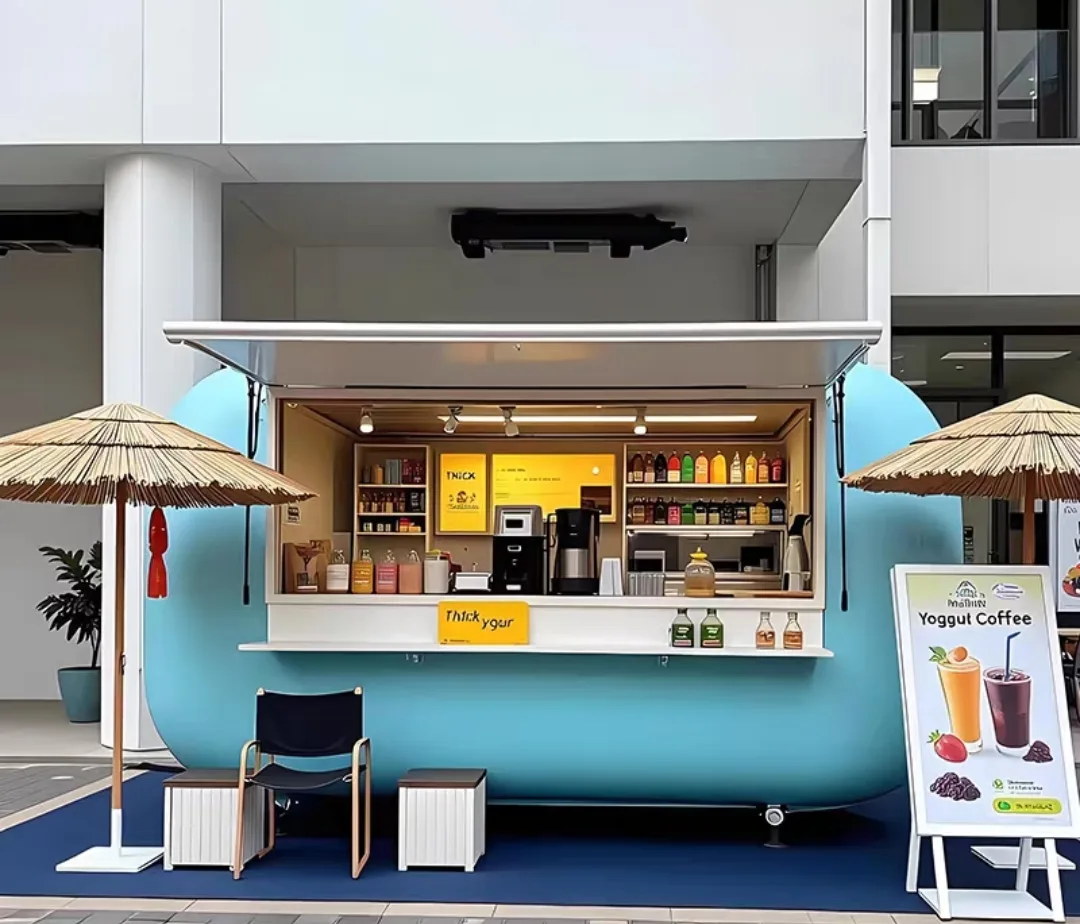
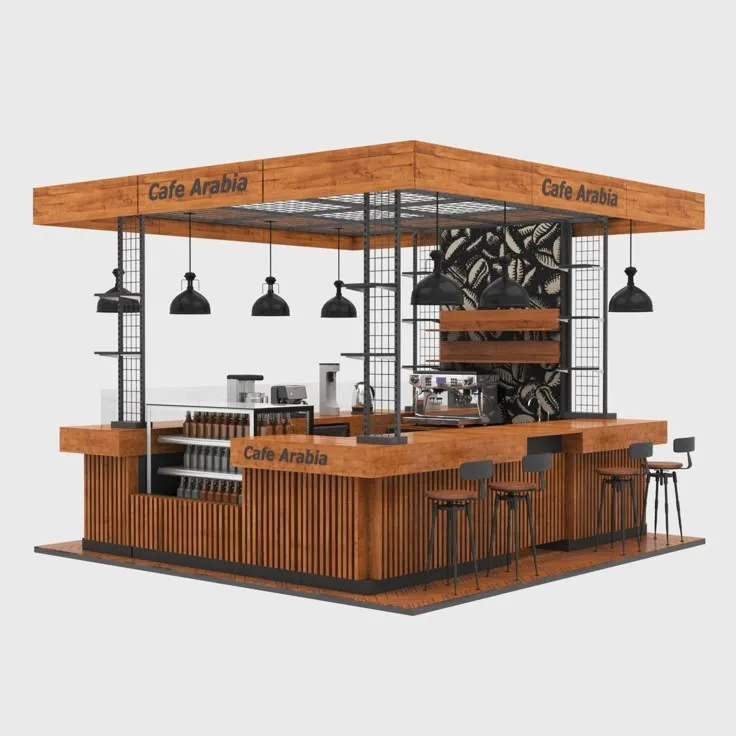
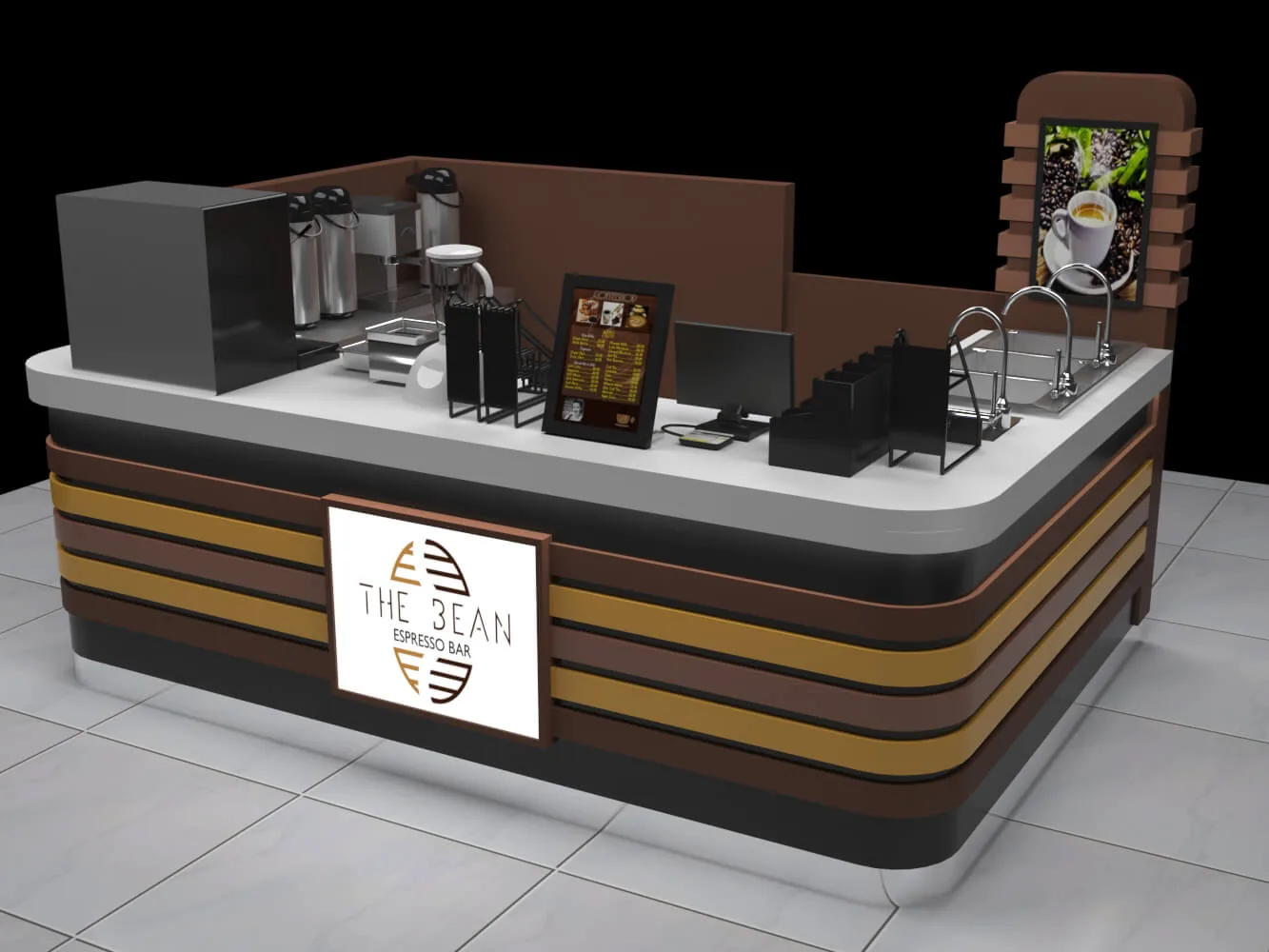
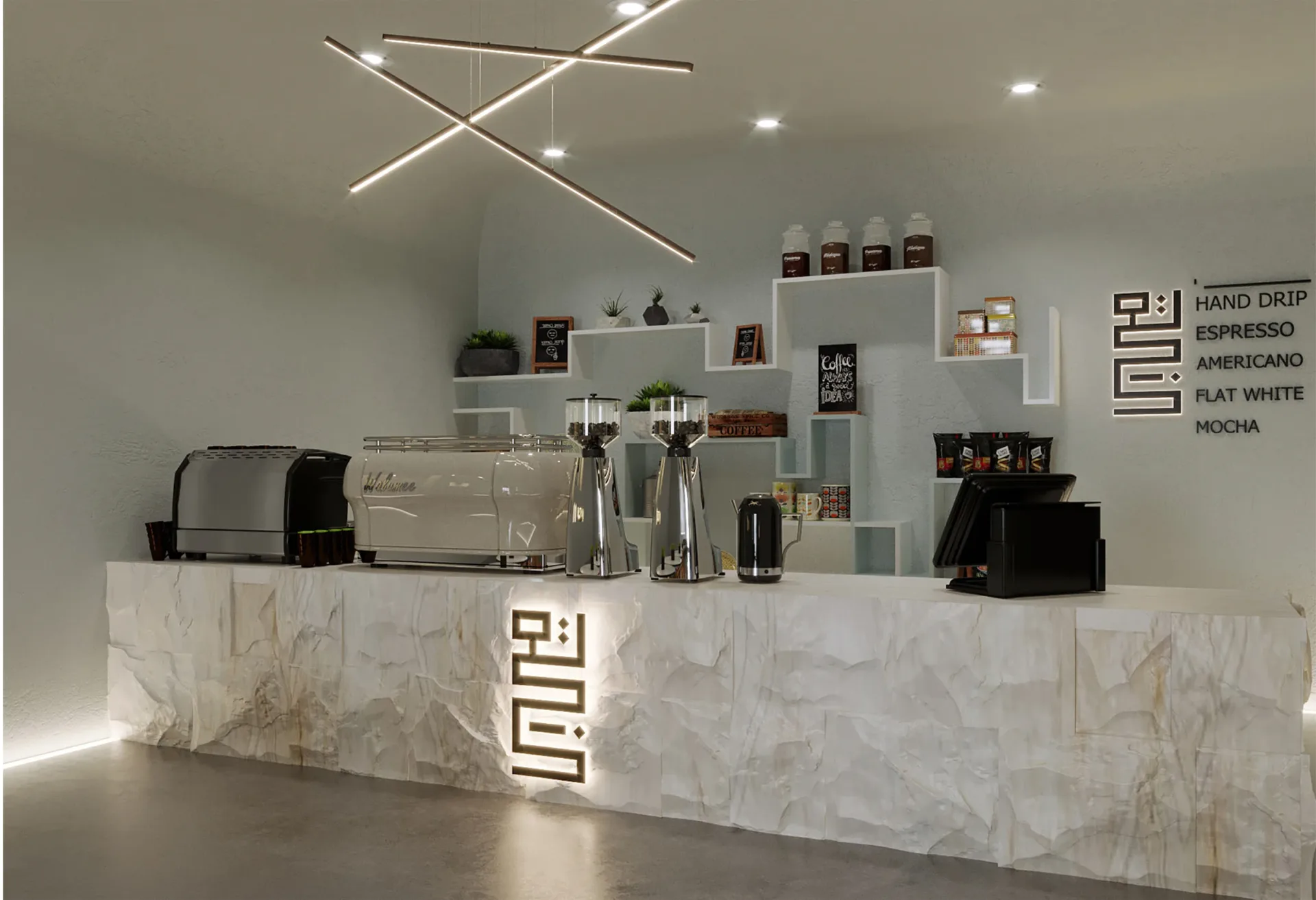
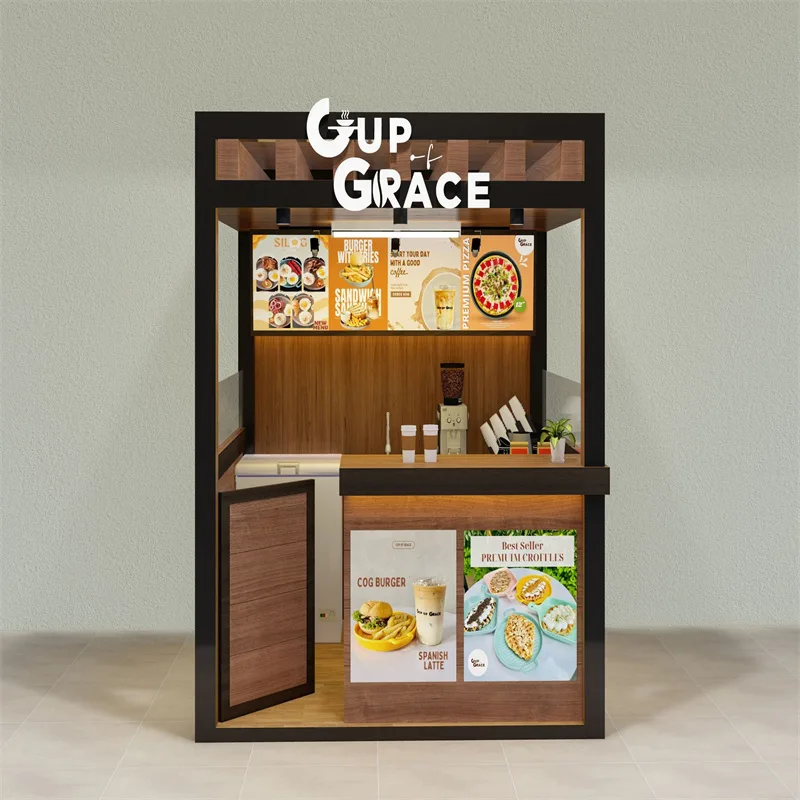
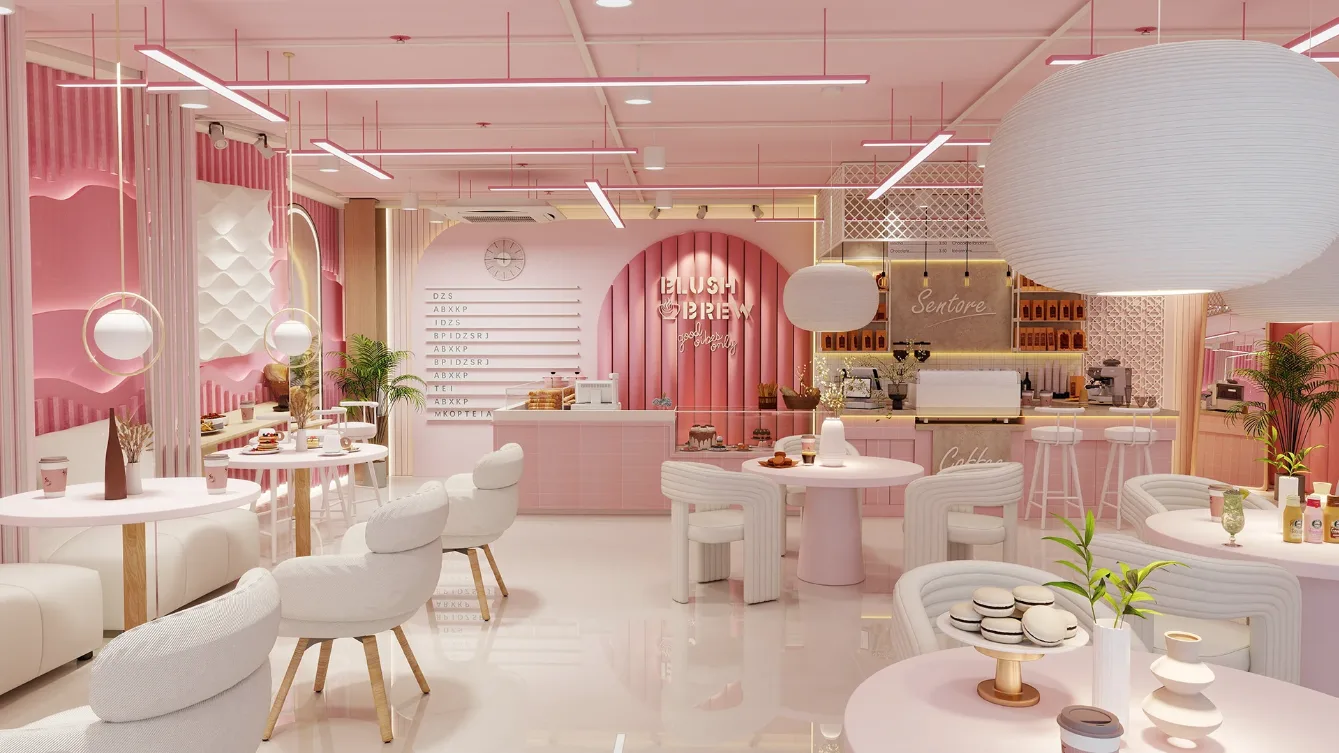
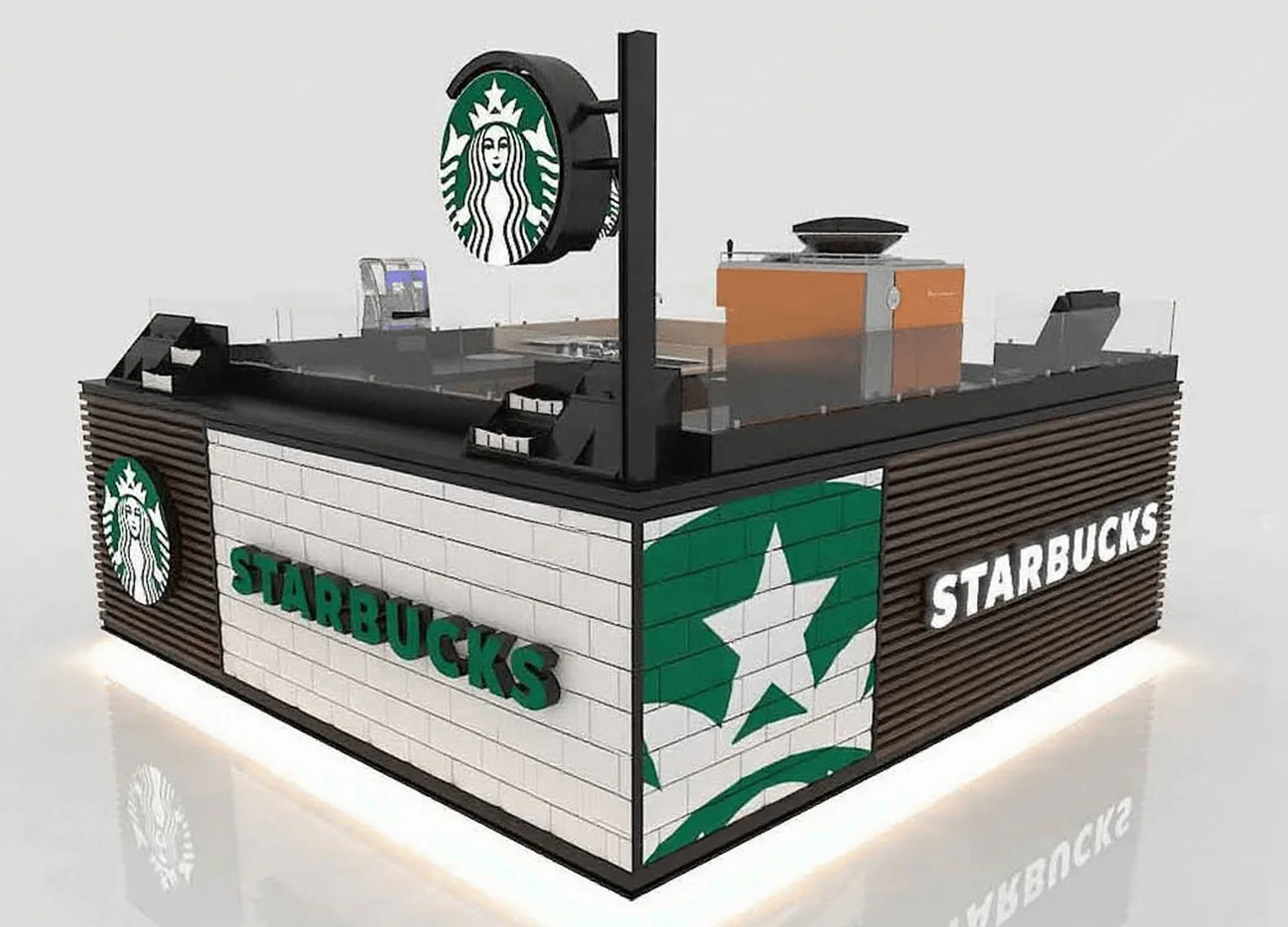
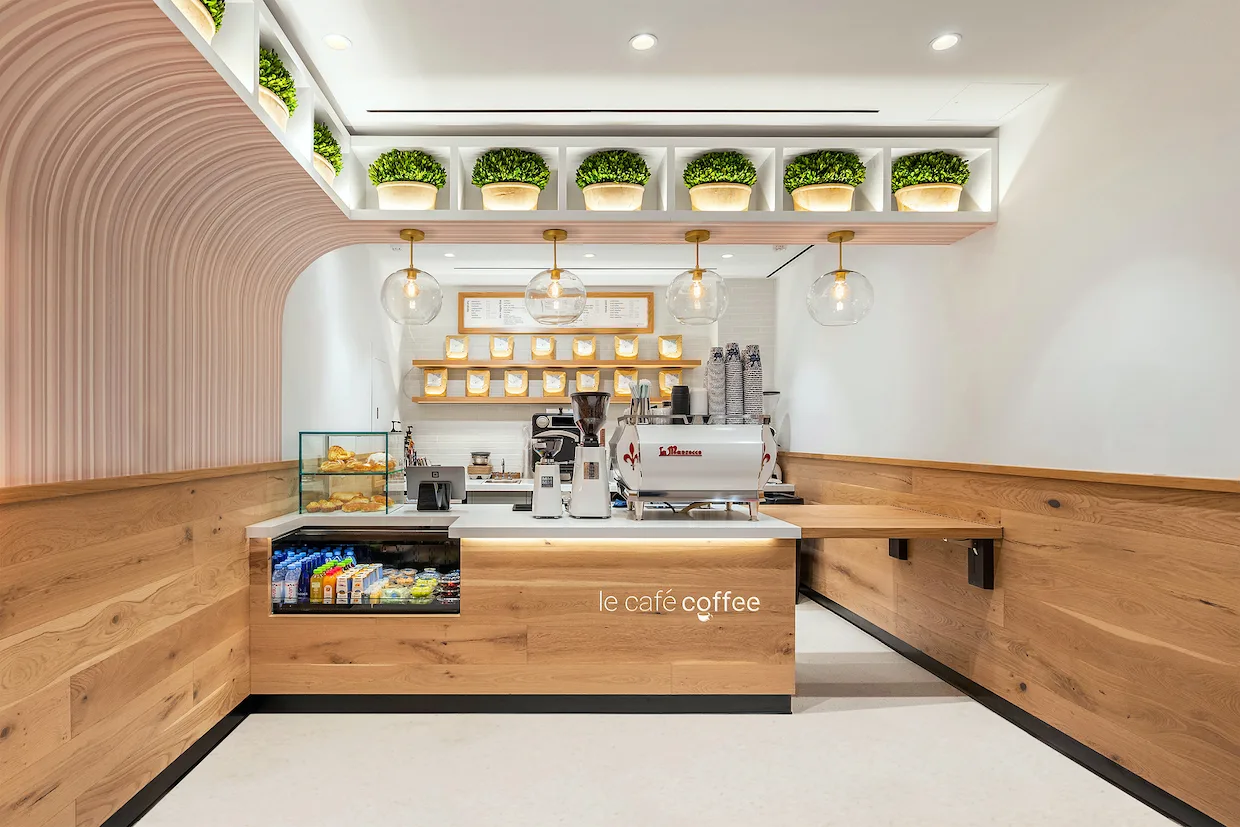
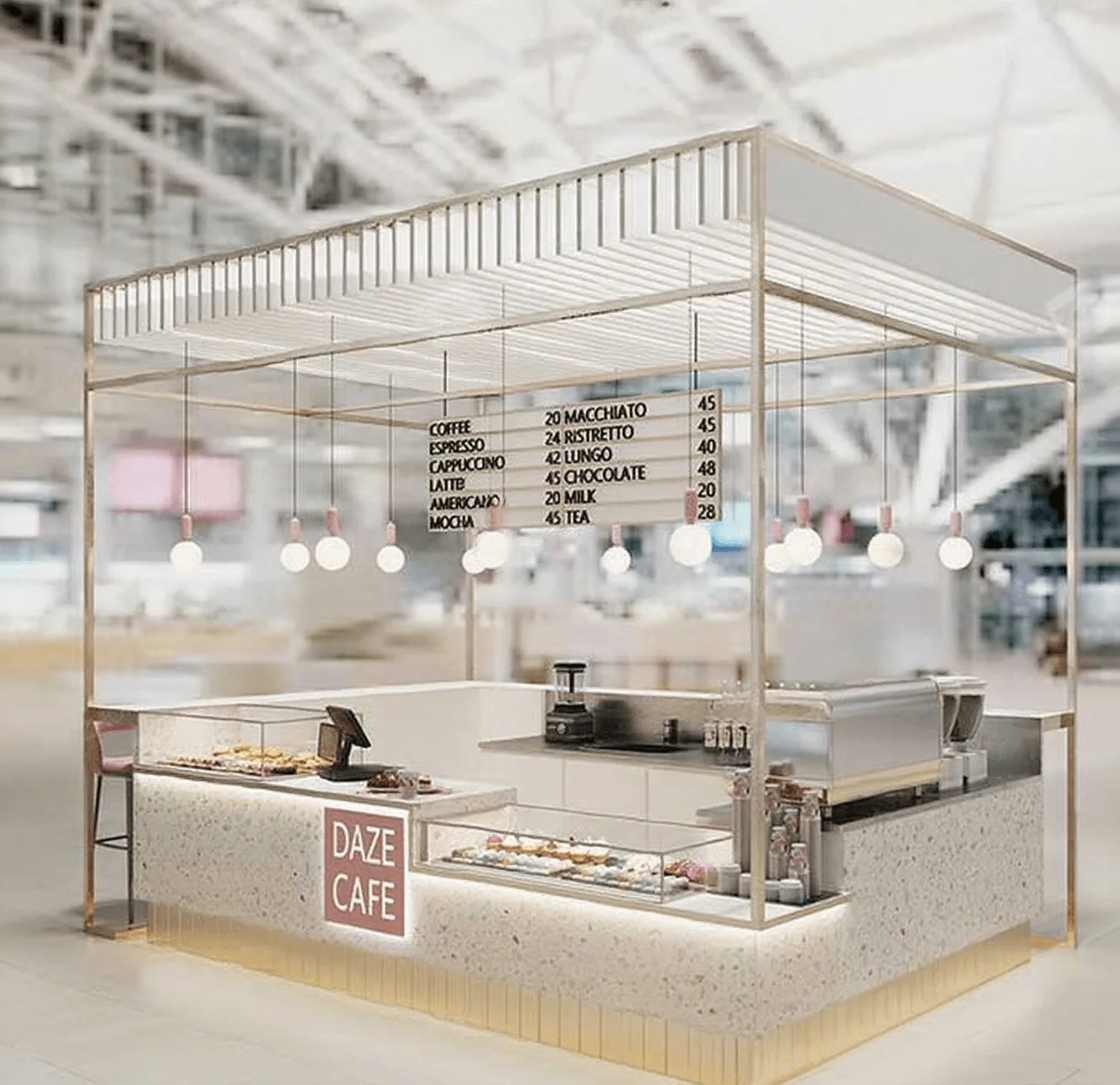
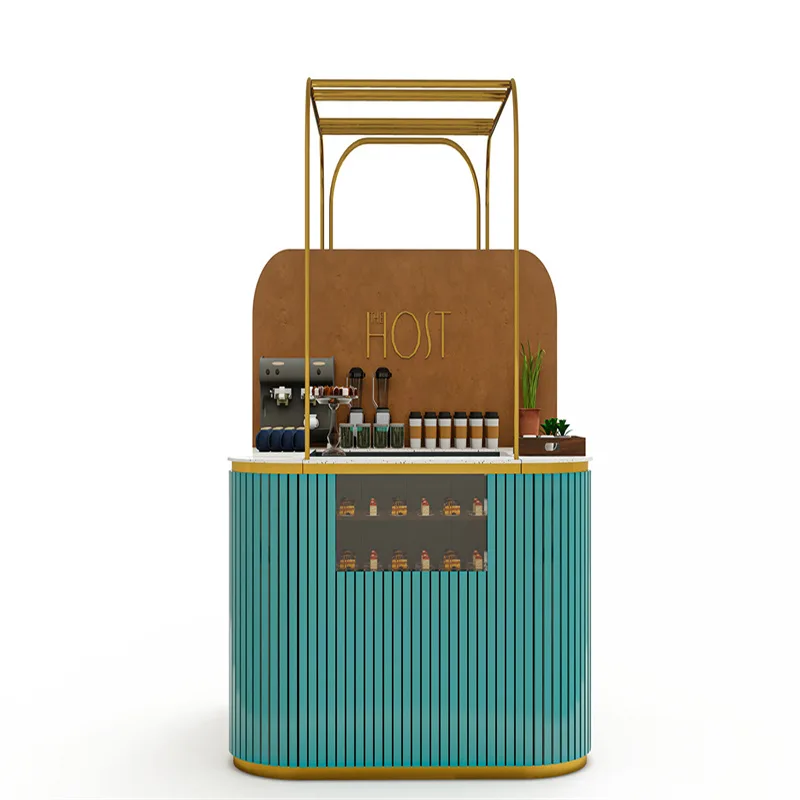
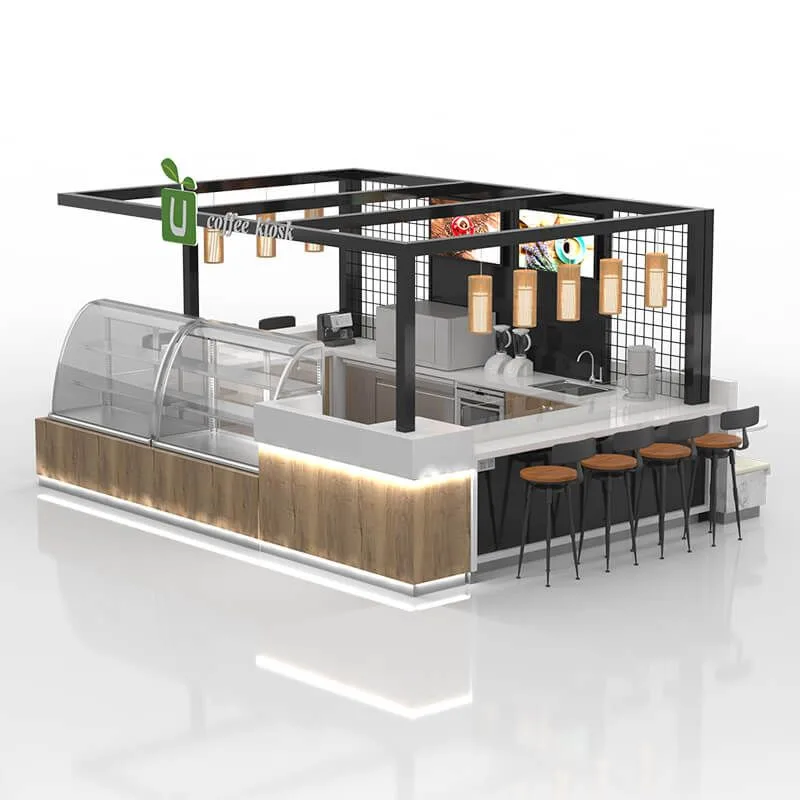
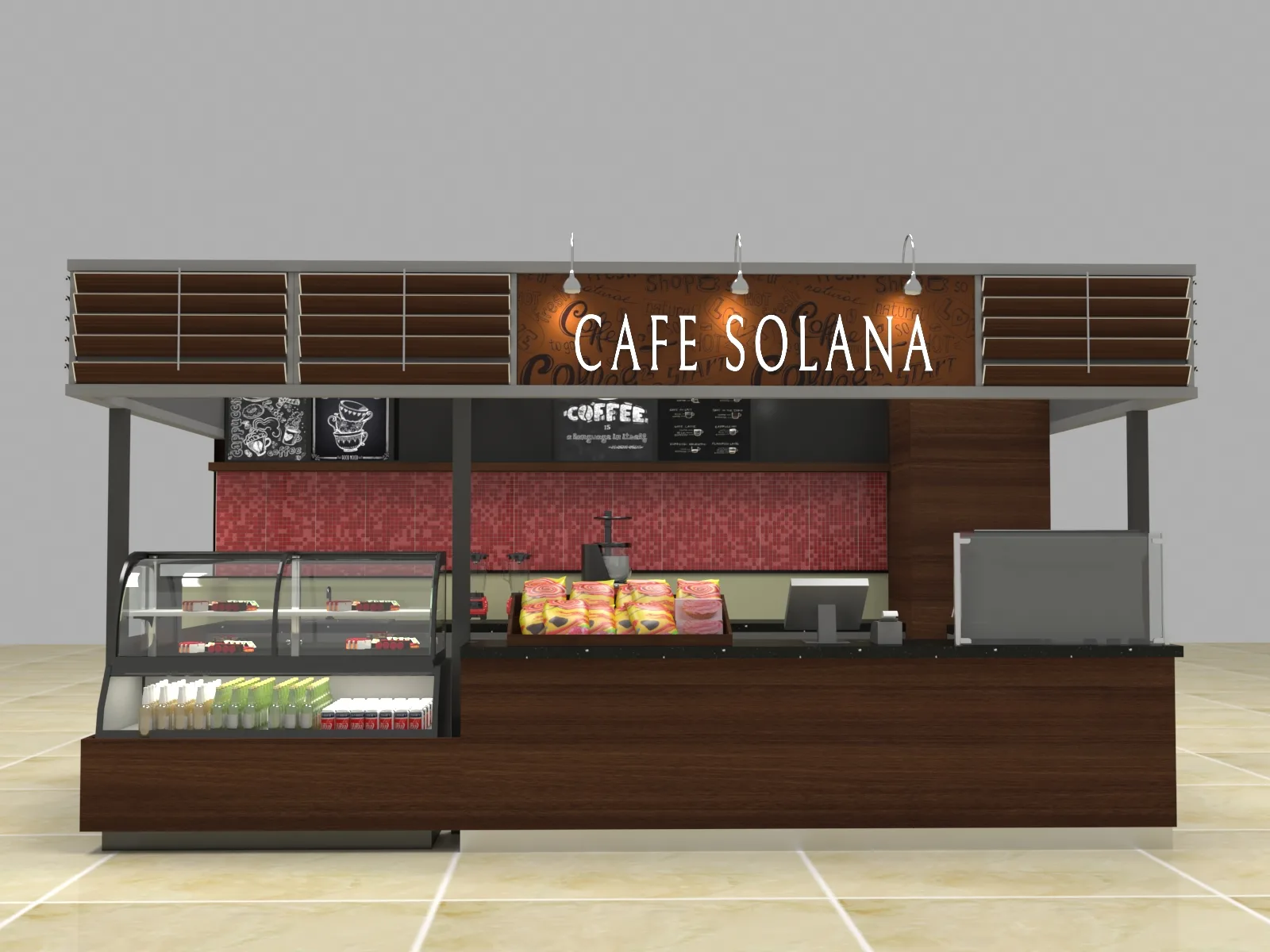
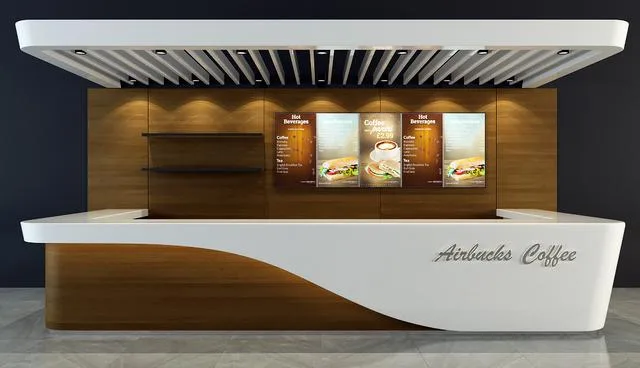
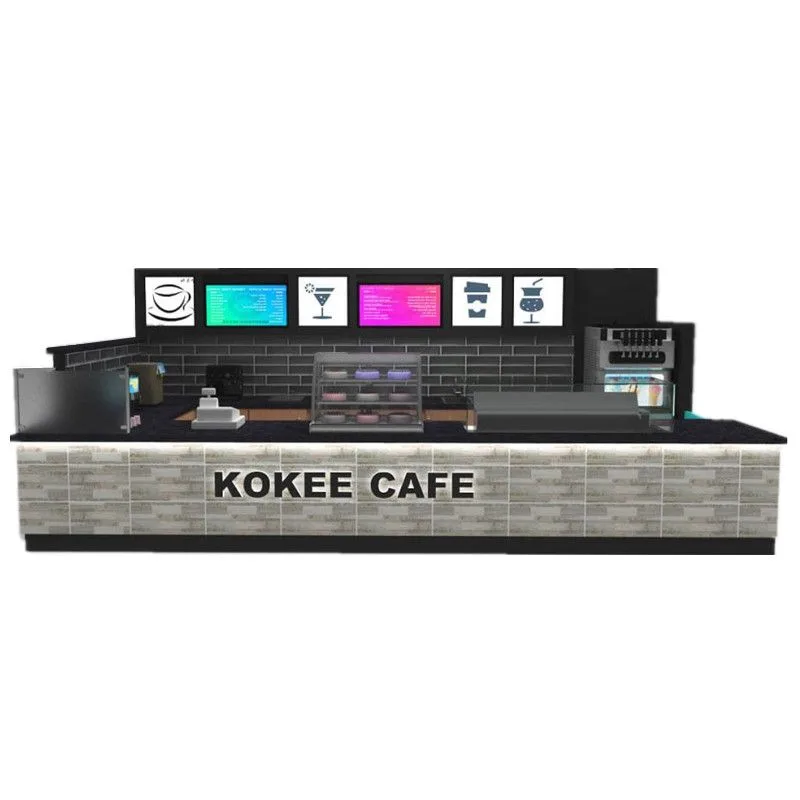
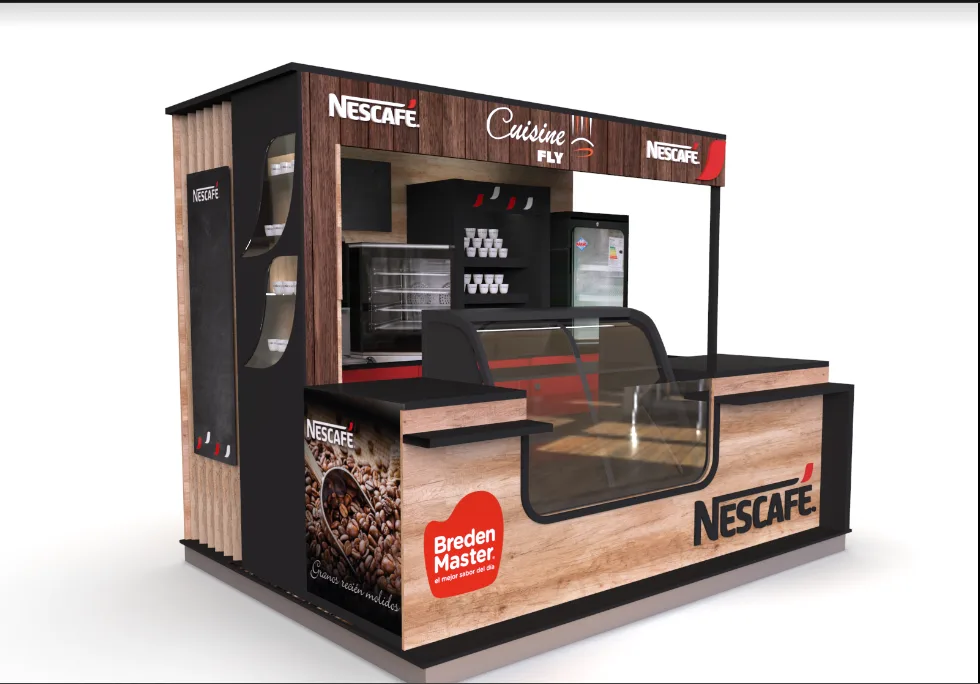
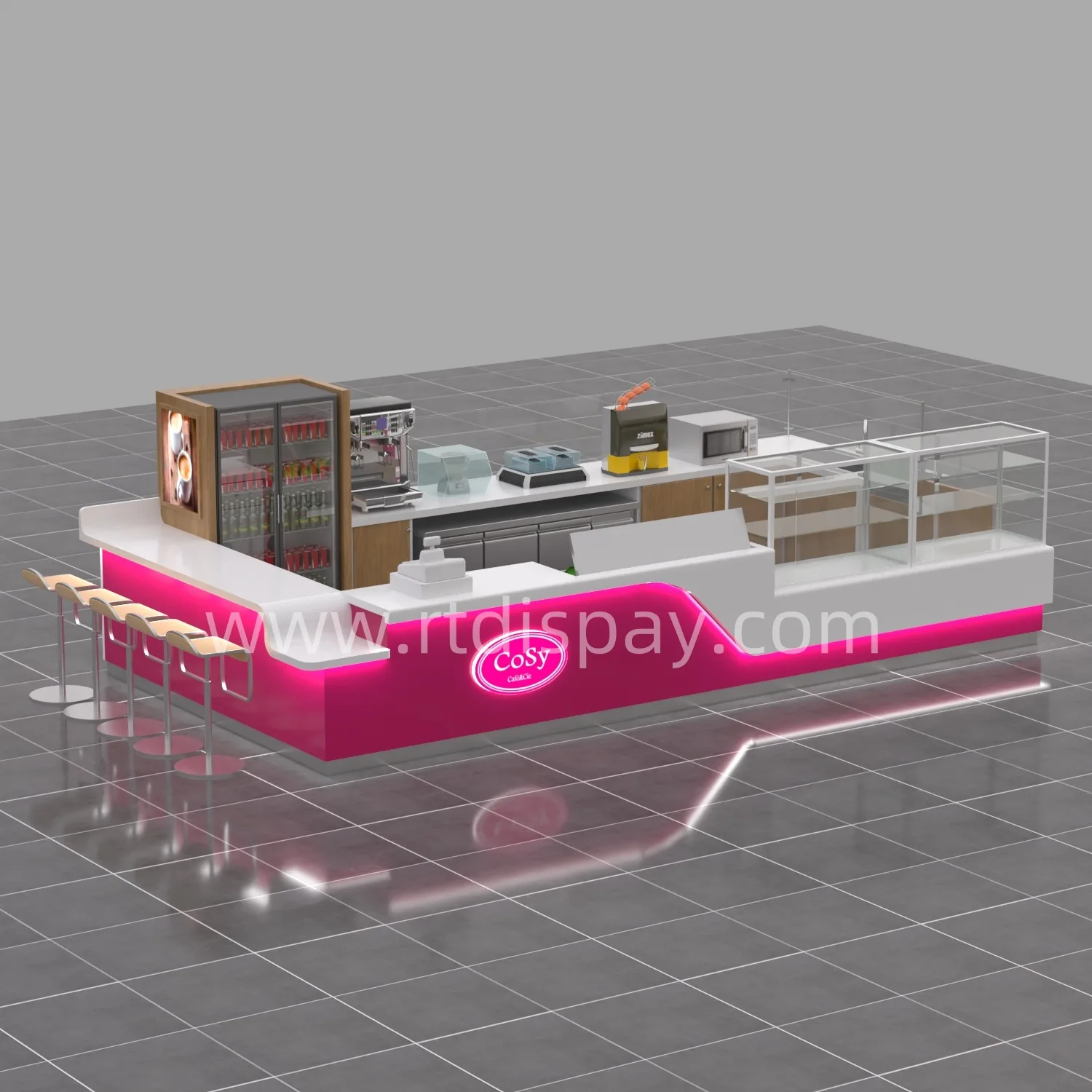
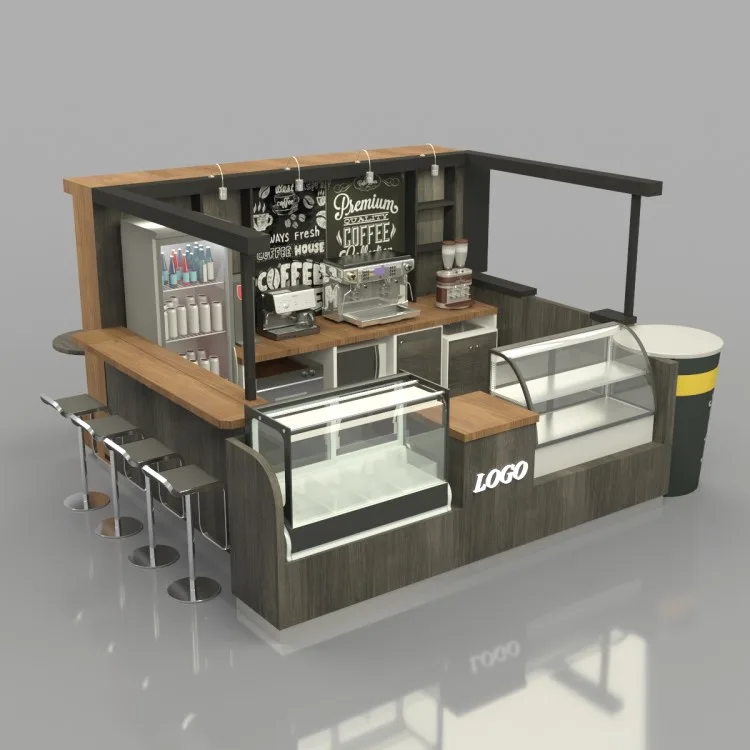
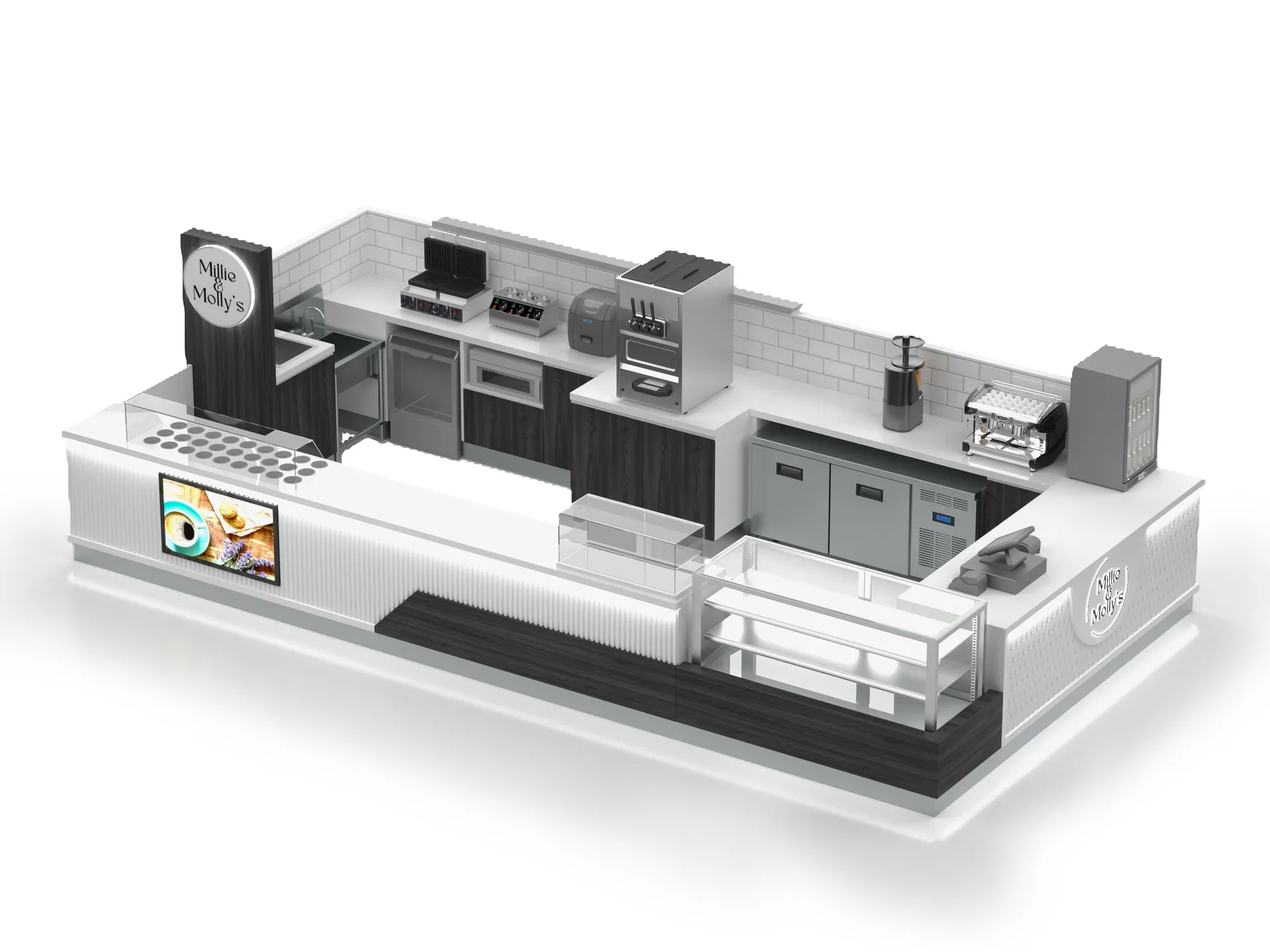
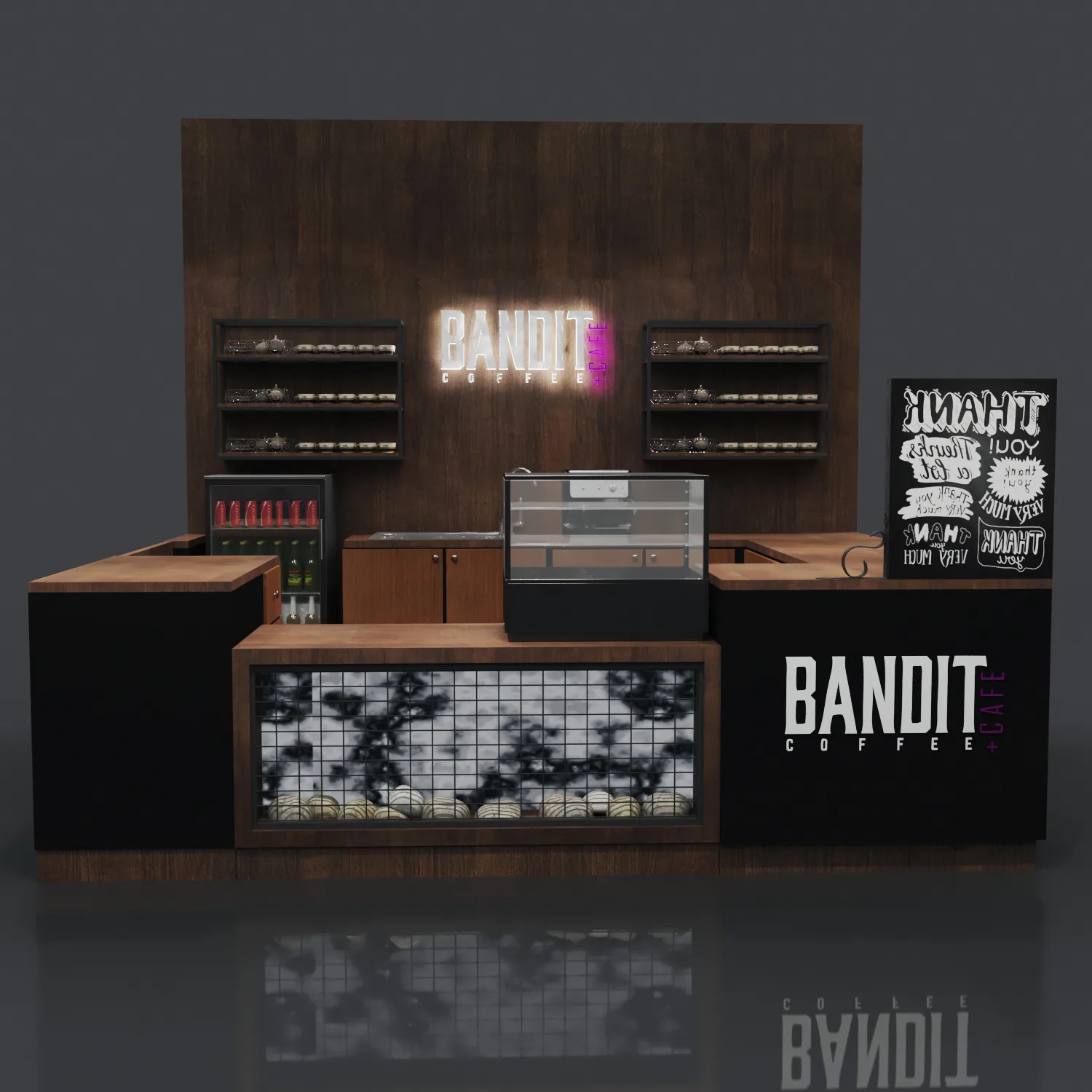
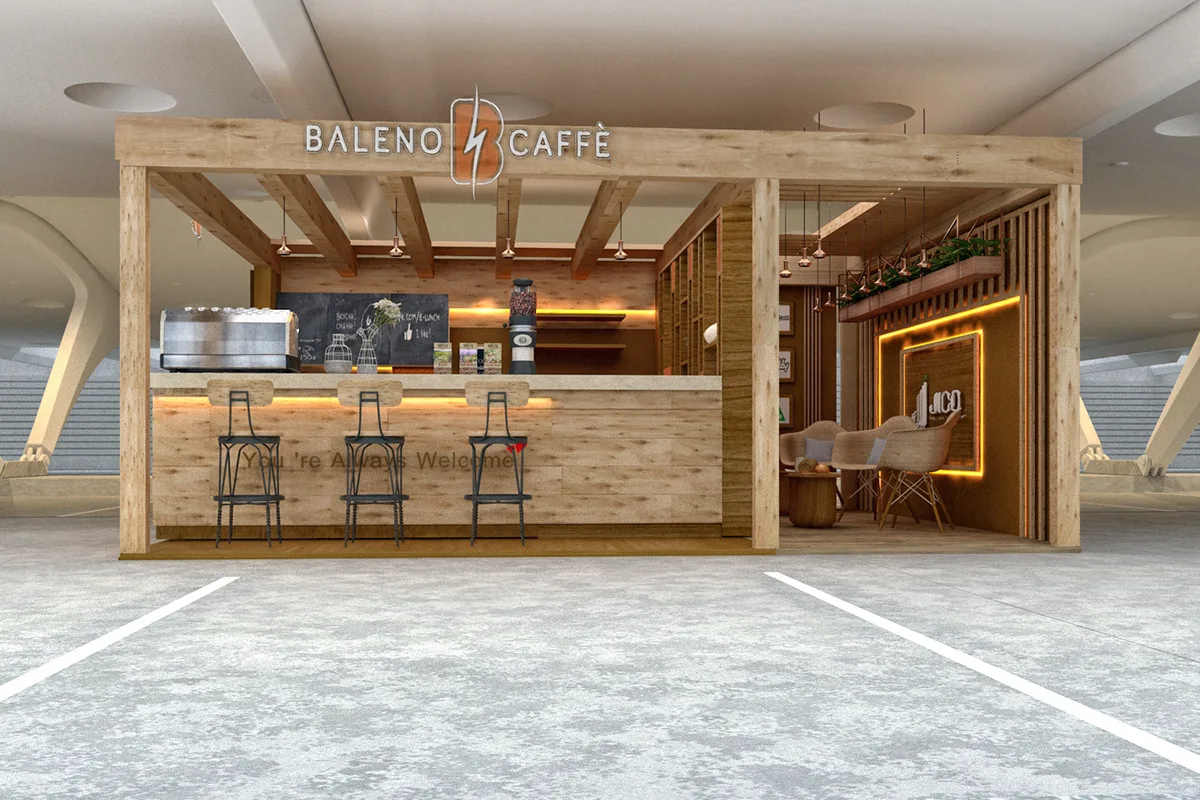
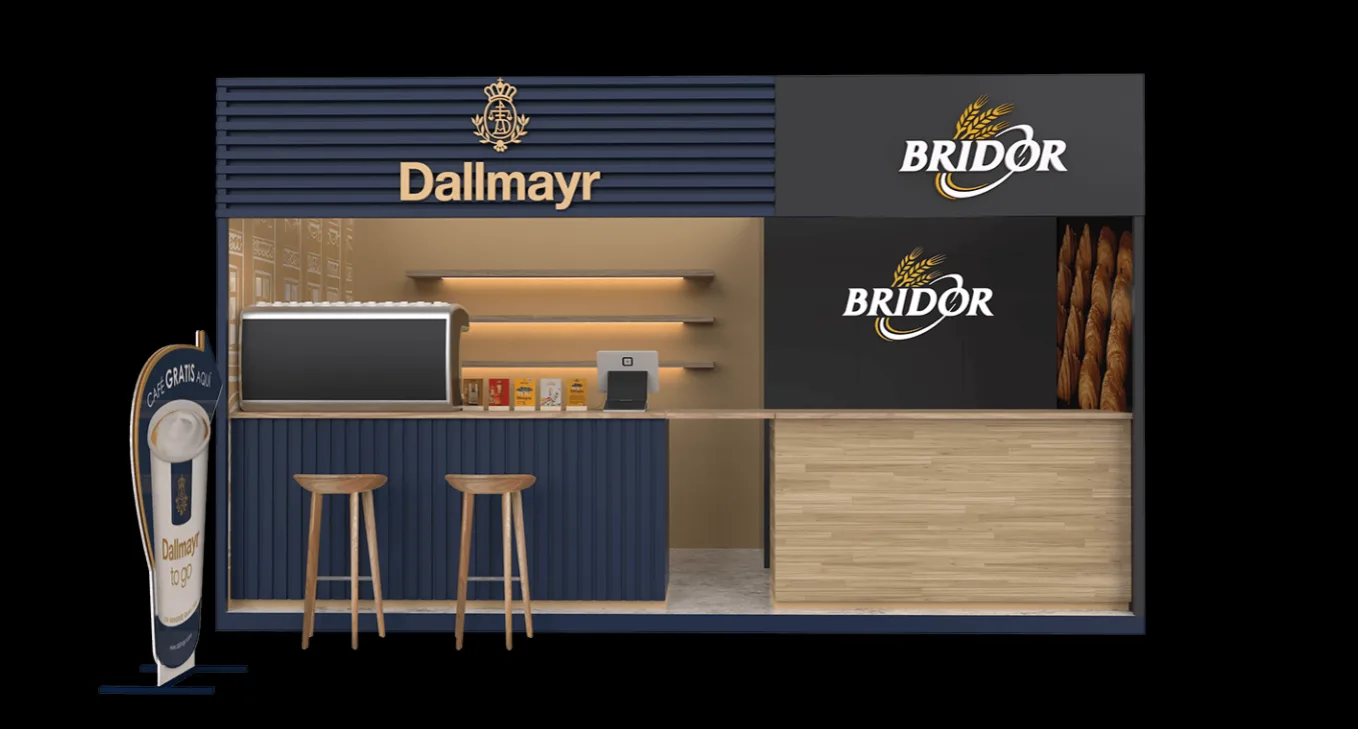
Custom Coffee Kiosk
The aroma of freshly brewed coffee has long been a universal lure, drawing people into cafes and shops. But in today’s fast-paced world, convenience reigns supreme, paving the way for coffee kiosks—compact, agile setups that deliver quality caffeine fixes without the wait. Whether nestled in a bustling mall, stationed at a transit hub, or parked at a street corner, these micro-businesses are redefining how coffee is served. Here we dive deep into the essentials of coffee kiosks, from design and costs to profitability and launch strategies, while spotlighting how innovators like Benson Display craft tailored solutions for aspiring entrepreneurs.
- Custom Design: We design the cafe kiosk according to your required style and meet your brand identity.
- Manufacturing: We build the coffee kiosk exactly following the confirmed drawing.
- Shipping & Installation: We pre-assemble the kiosk in our workshop after finishing, to check every part works well, then disassemble it, and then pack it in the wooden box.
Designing
The first step to start a coffee kiosk business is to make an eye-catching kiosk design. Typically, Kiosk design is much easier compared to coffee shop interior design. But if you want to achieve a perfect coffee kiosk, you still need experience to focus on the kiosk’s specialty.
- Workflow Optimization: Every inch counts. The layout must streamline movement between the espresso machine, grinder, milk fridge, and serving counter. A U-shaped or linear design ensures baristas can pivot effortlessly during rushes.
- 3D Rendering and Blueprints: Before construction, 3D renderings visualize the kiosk’s look and flow, allowing adjustments to lighting, signage, and equipment placement. Once finalized, construction blueprints detail electrical wiring, plumbing, and structural specs, ensuring compliance with local codes.
- Material Selection: Stainless steel, together with treated wood and aluminum composite panels, represents typical weather-resistant materials that last over time. Mobile kiosks benefit from lightweight frames on wheels, while fixed kiosks require more durable foundations.
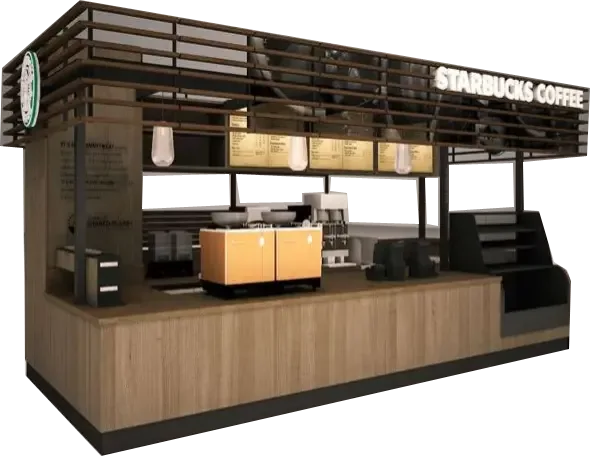
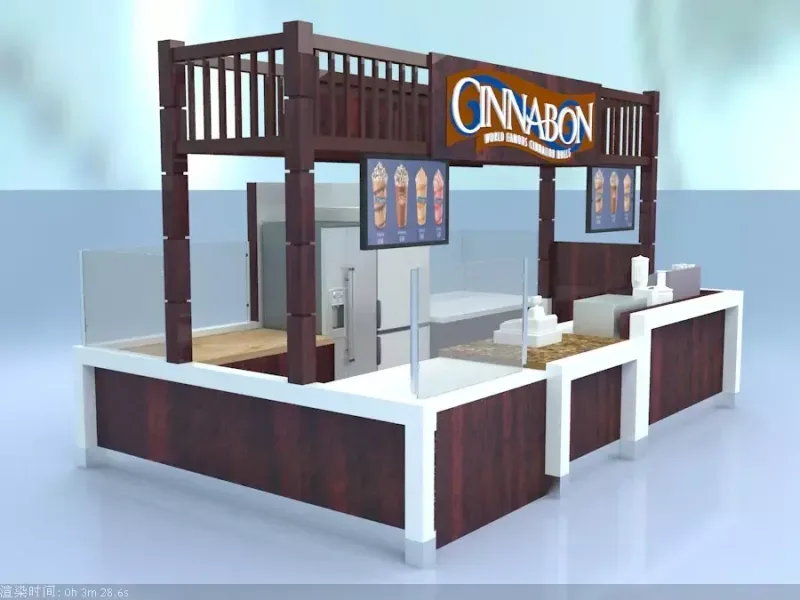
Sizes & Prices
Coffee kiosks are offered in various sizes and price ranges to accommodate different requirements. Compact kiosks measure between 50–100 square feet (8x10ft) and function as mobile coffee carts or small podiums. These mobile coffee kiosks cost range from $3,000 to $10,000. Making them perfect for temporary locations with heavy foot traffic, such as festivals and marketplaces. You can also set up a mobile coffee bike for outdoor places.
Established businesses typically operate medium and large-sized kiosks. Semi-permanent structures ranging between 100 to 200 square feet (12 x 15 ft) typically cost between $20,000 to $50,000 and are situated in indoor locations like malls, office lobbies, and transit stations. Kiosks larger than 200 square feet serve as a food court; it’s a permanent structure with diverse menu options that can feature snacks along with specialty drinks. Fixed installations require investments between $60,000 and $150,000. and work best in prominent spots such as airports and shopping districts.
Overall costs will vary depending on material choices, equipment quality standards, and specific local permit requirements. The starting price point for commercial espresso machines is $5,000. Providers such as Benson Display provide customization options that enable businesses to adjust designs and features according to their brand identity while maintaining budget constraints.
Is a Coffee Kiosk Profitable?
When operated with careful planning and management strategies, a coffee kiosk has the potential to generate substantial profits. Coffee drinks maintain high-profit margins of 60% to 70% because of low ingredient expenditures. The main benefits encompass limited staff requirements, which usually involve only 1–2 workers, along with decreased lease costs and more efficient management processes. A strategically positioned coffee kiosk that operates efficiently can repay its initial investment in 12 to 24 months.
Three critical factors drive profitability. First, location: Daily sales of $500 – $1,000 are typical for kiosks located in busy areas such as downtown districts or near transportation hubs. Operational efficiency through labor scheduling optimization and waste reduction maintains low operational costs. Semi-permanent kiosks located within malls attract a consistent customer base and avoid the high rent costs.
Successful kiosks earn annual profits between $50,000 and $150,000. The initial investment required for starting up differs, but having essential equipment such as a dependable espresso machine priced from about $5,000 and necessary permits creates a stable business foundation. Coffee kiosks create a sustainable business model in the expanding specialty coffee market.
Structure
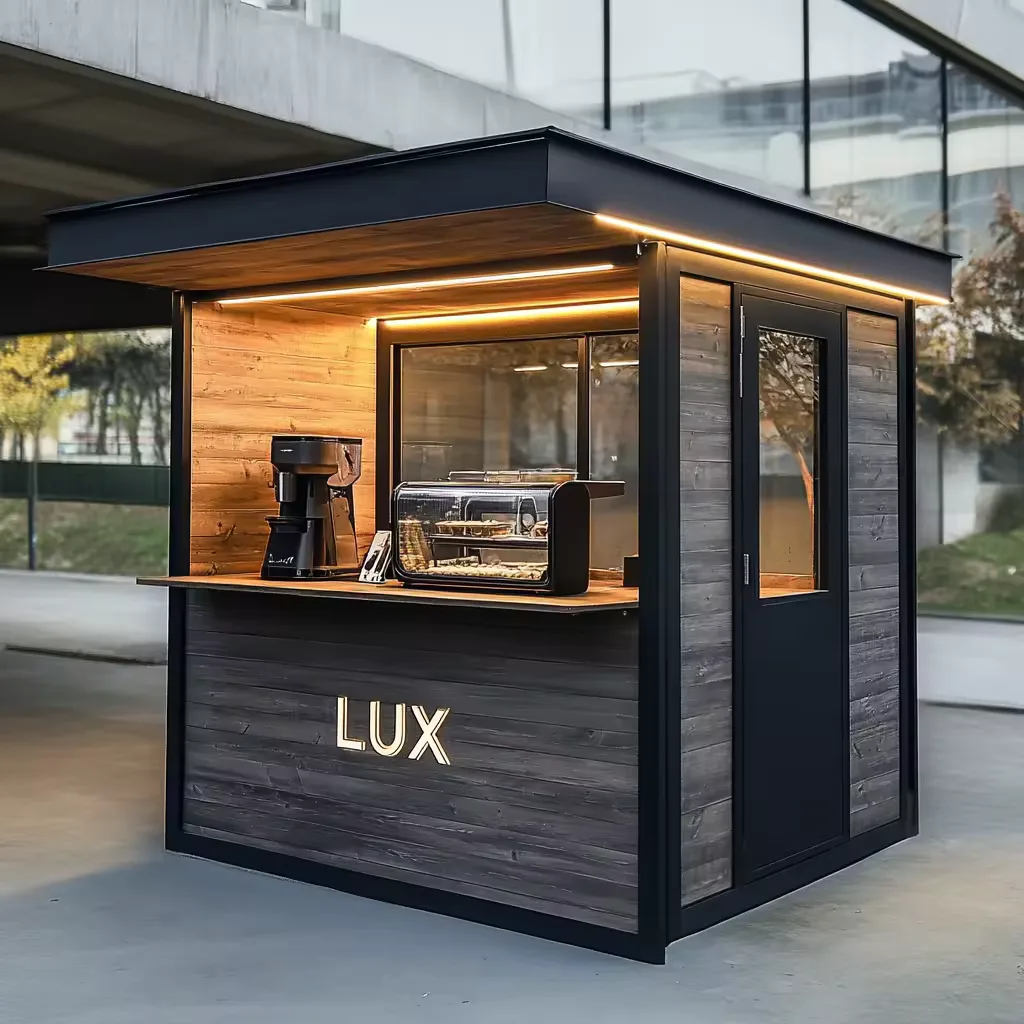
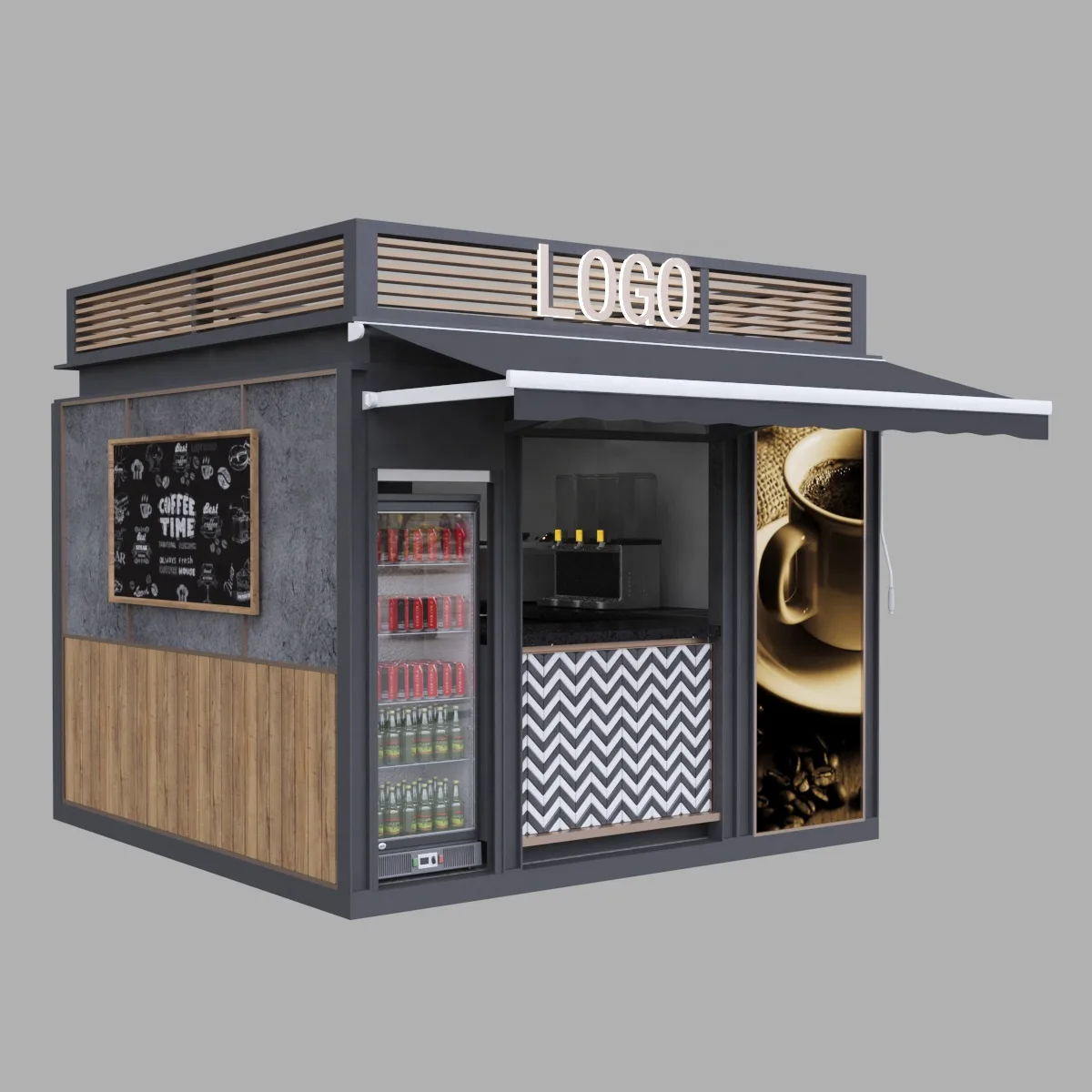
Understanding the structure & material is also necessary for operating a coffee kiosk. Purpose-built, durable components are essential for maintaining efficiency and longevity in a functional cafe kiosk business.
- The structure forms the foundation: plywood is the most popular material to create the main structure of the coffee stand. The combination of weather-resistant walls together with roofing materials like aluminum composite panels shields the kiosk from environmental elements and everyday use.
- Coffee bar counters or working bench countertops, usually made from stainless steel, laminate, or stone, offer a hygienic surface. It’s also simple to clean for drink preparation and customer service.
- Aesthetic appeal combined with long-lasting materials plays an essential role in preserving professional looks within busy environments. Ceramic tiles and solid wood are also used a lot in wall cladding and corner finishes.
- A small sink for basic hygiene and a 3-compartment sink integrated in the coffee kiosk are necessary for the mall criteria.
- Energy-efficient LED lighting represents essential space-saving utilities, best for coffee brand logos, backlit menus, and advertising posters.
Coffee Kiosk Manufacturer
Benson Display, a leading coffee kiosk manufacturer, custom designs and builds both indoor and outdoor kiosks, advising clients to start planning by aligning core factors like budget and location (mobile cart vs. fixed kiosk) with business goals while ensuring the design reflects brand identity. We distinguish ourselves through comprehensive, client-focused services: beginning with 3D renderings for visualization and custom blueprints for regulatory compliance. We prioritize quality materials at competitive prices to minimize costs without sacrificing durability, maximizing ROI. Our end-to-end turnkey approach streamlines the entire launch—handling design, fabrication, and installation—eliminating multi-vendor coordination hassles, saving time, reducing risks, and optimizing space for health codes and workflow efficiency, ultimately delivering a kiosk that balances design, function, and budget for long-term success.