
Browse Clothing Fixture Types
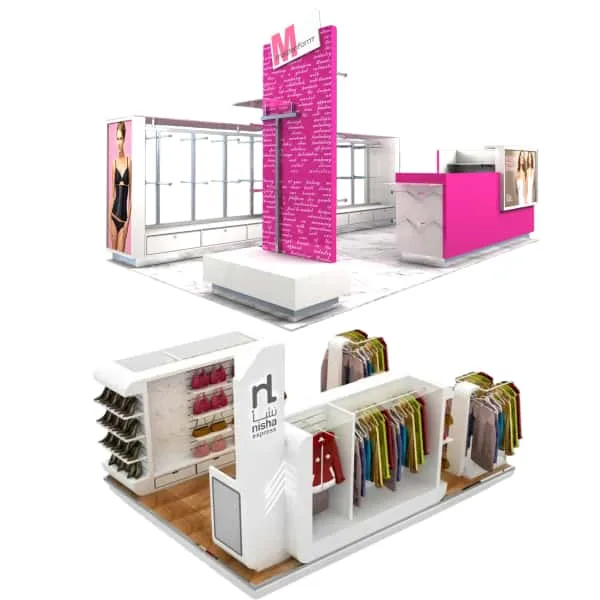

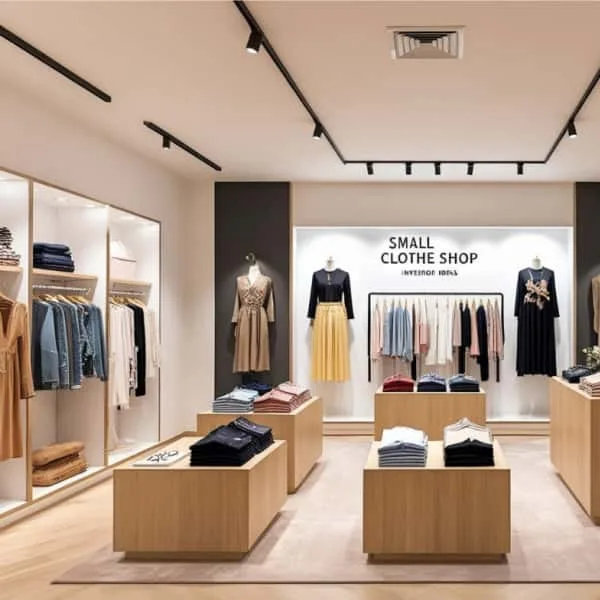
Browse Apparel Shop Categories
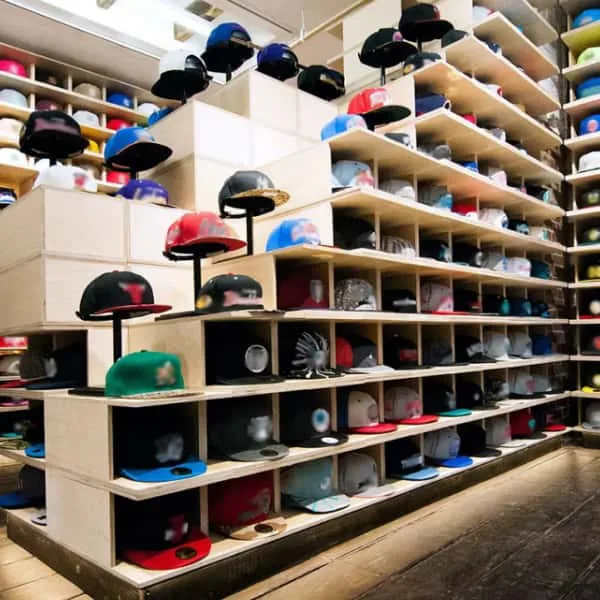
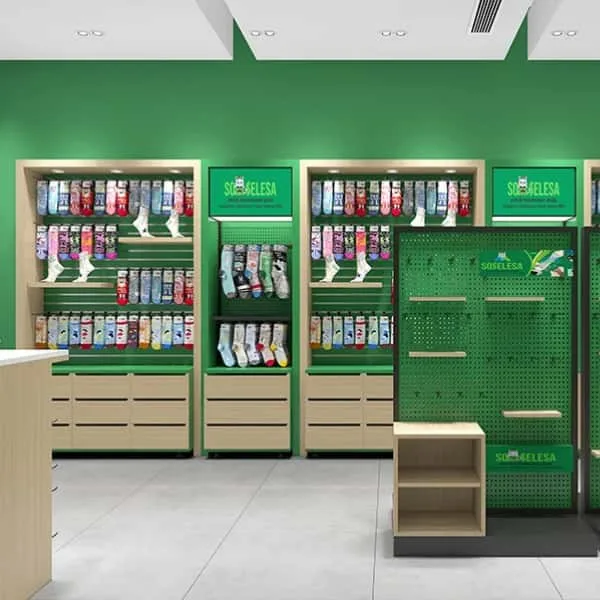
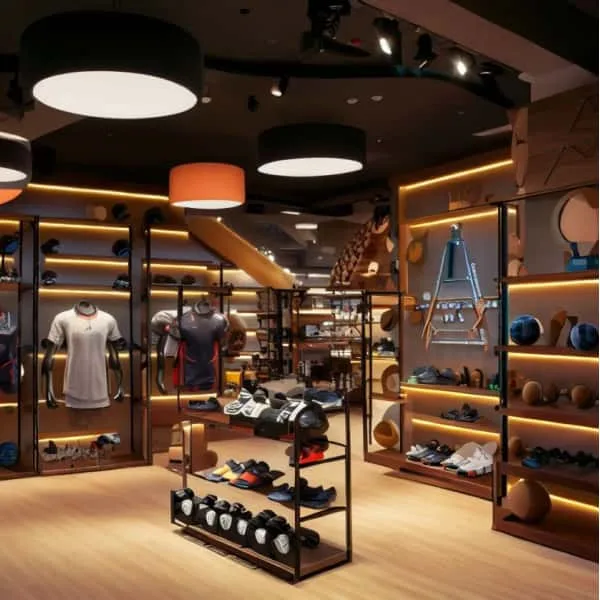
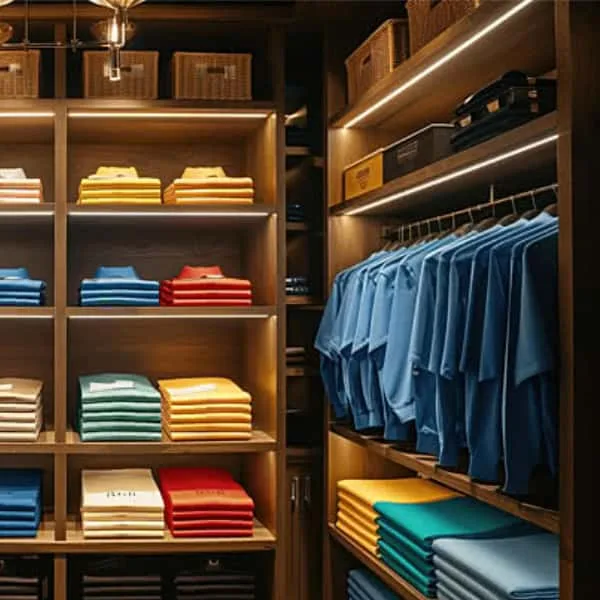
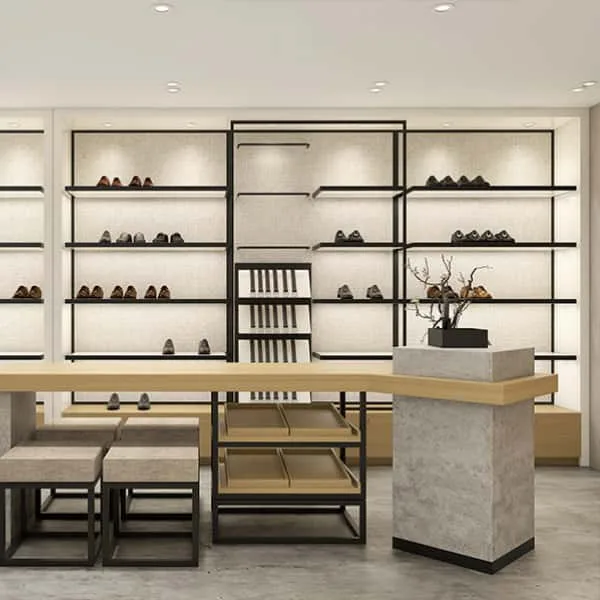
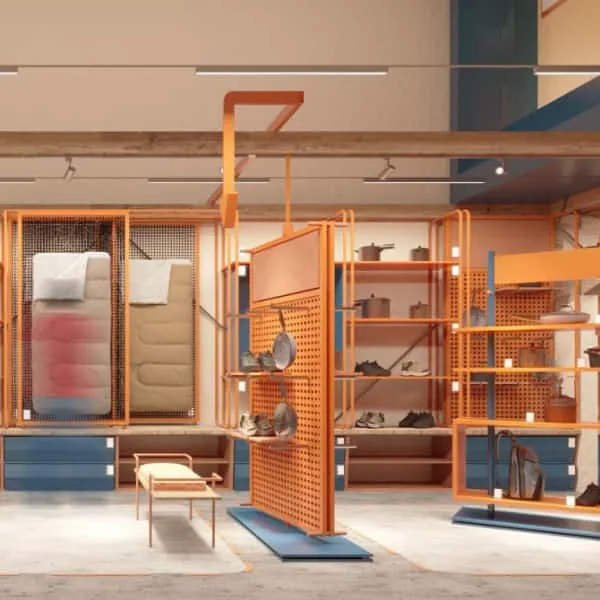
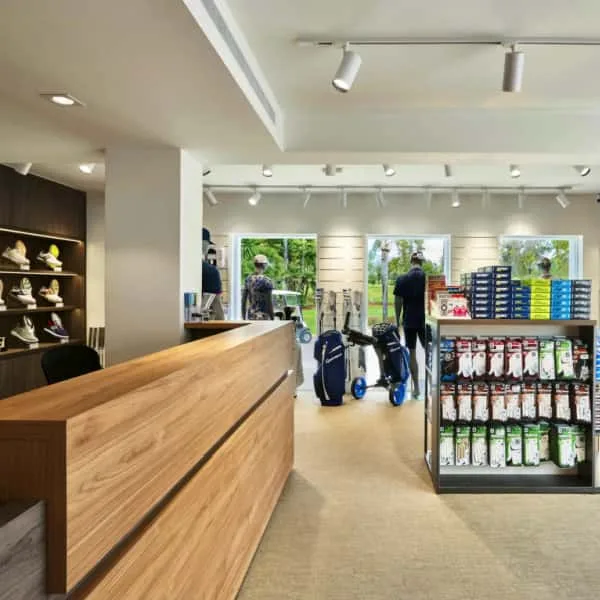
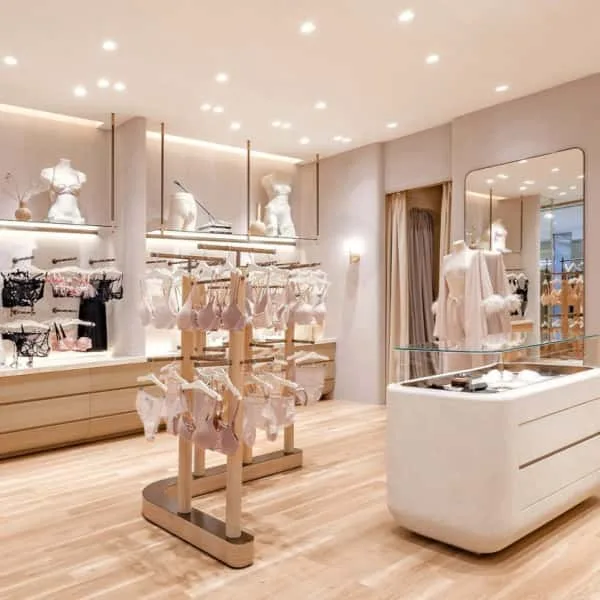
Explore Clothing Store Concepts
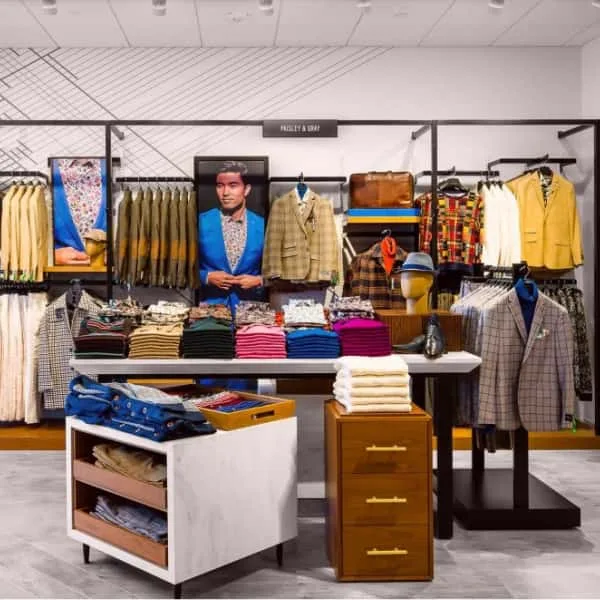

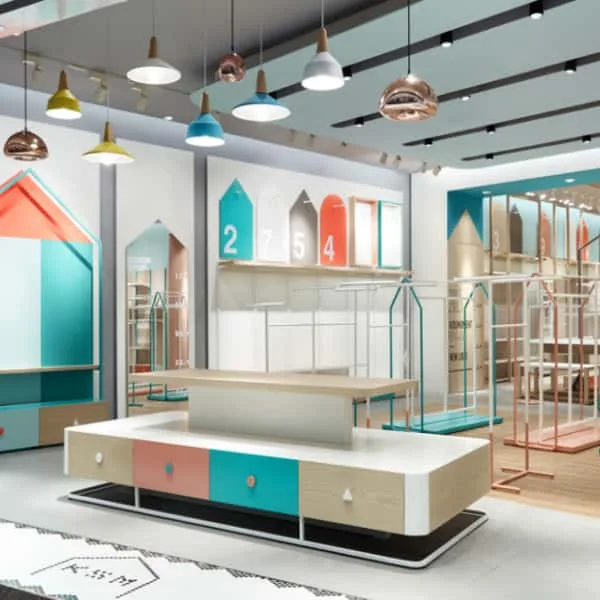
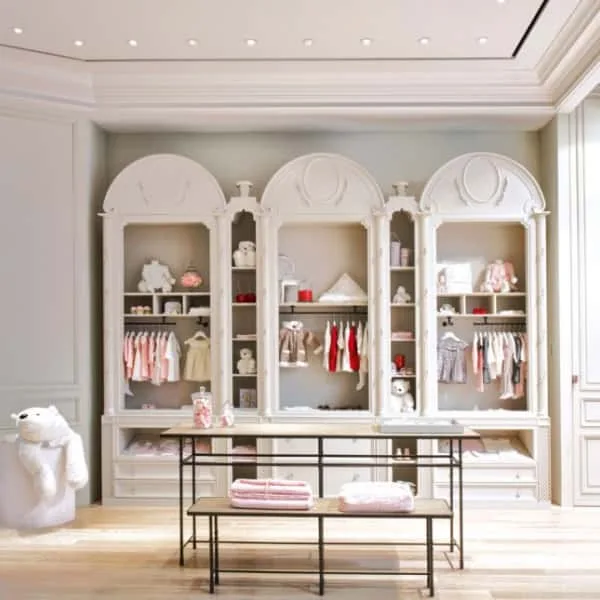
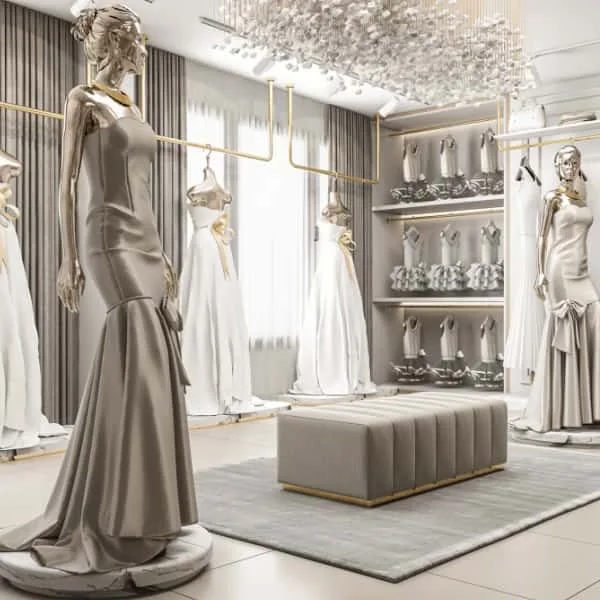
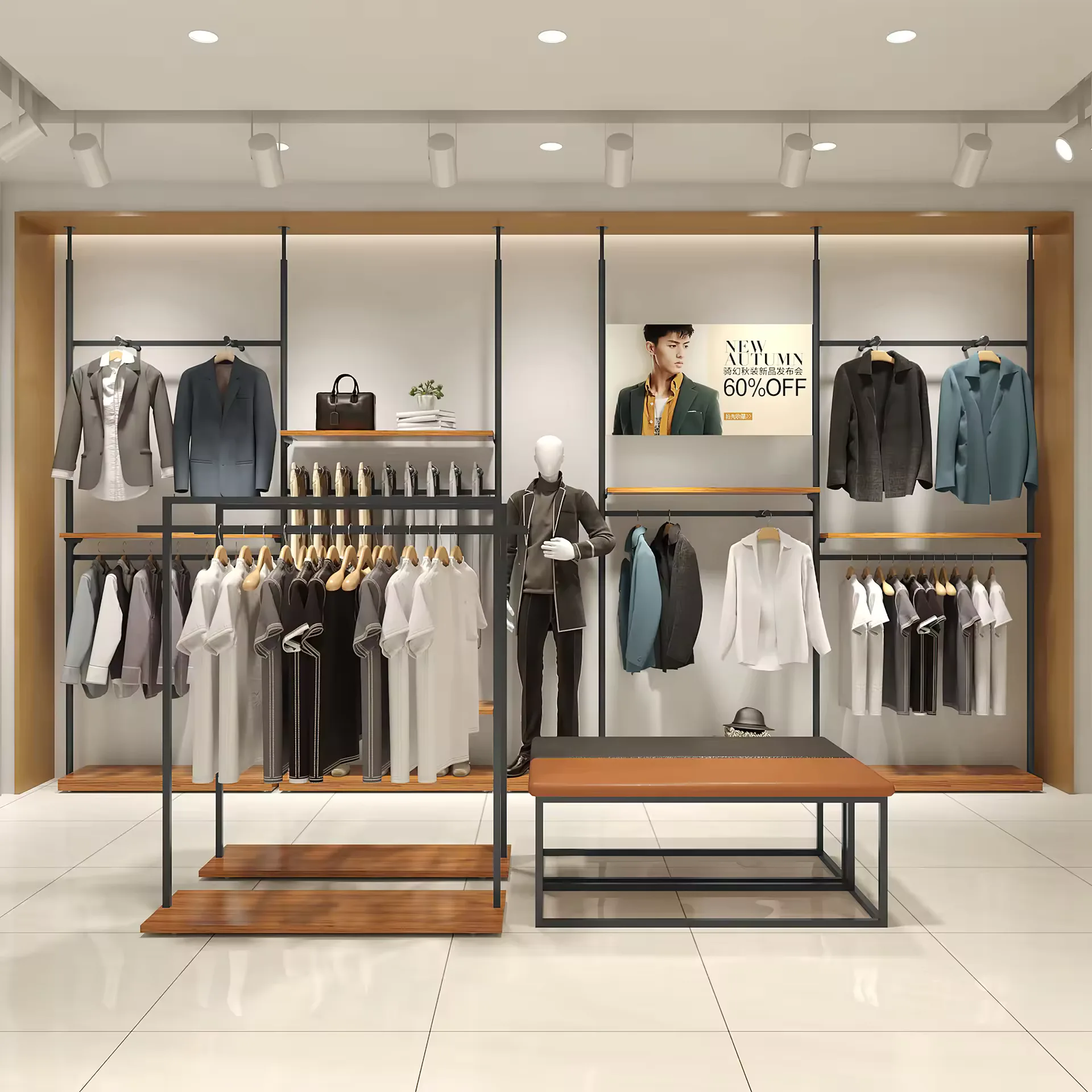
Clothing Store Fixtures for Your Merchandise Mix
Tell Benson Display how your collections divide between hanging, folded and accessory displays. This helps establish the right mix of rails, tables, cabinets and wall shelving before finishes are selected. The furniture brief should also account for stock replenishment and seasonal changes.
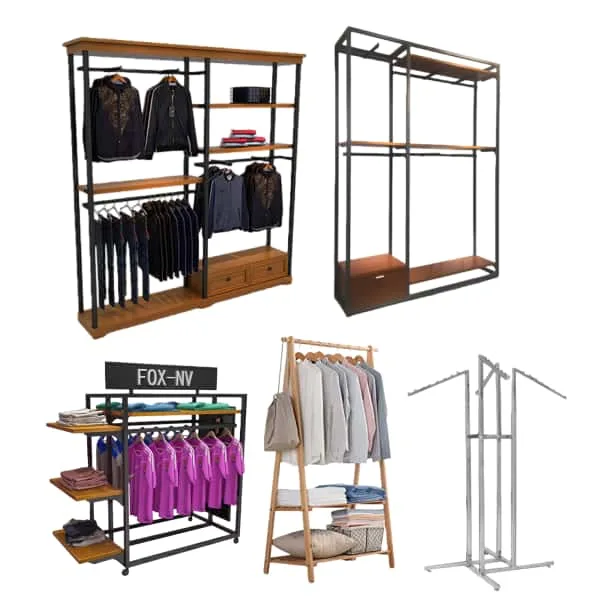
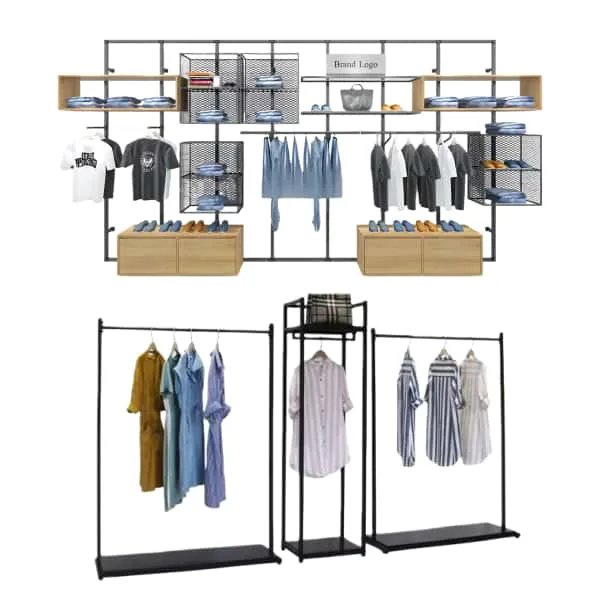
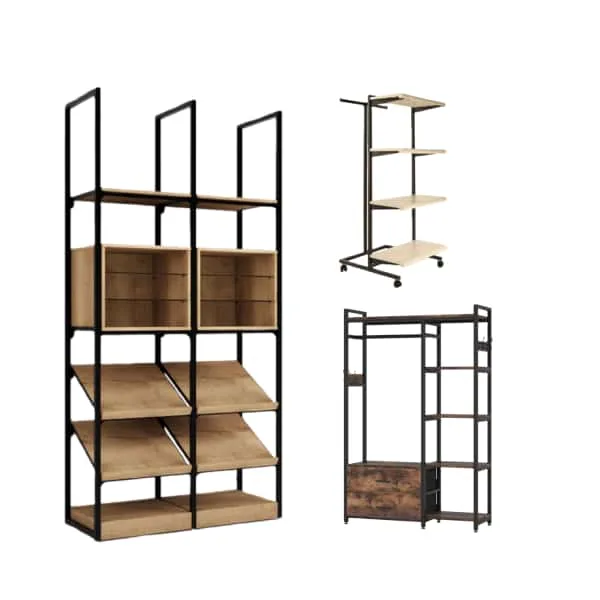
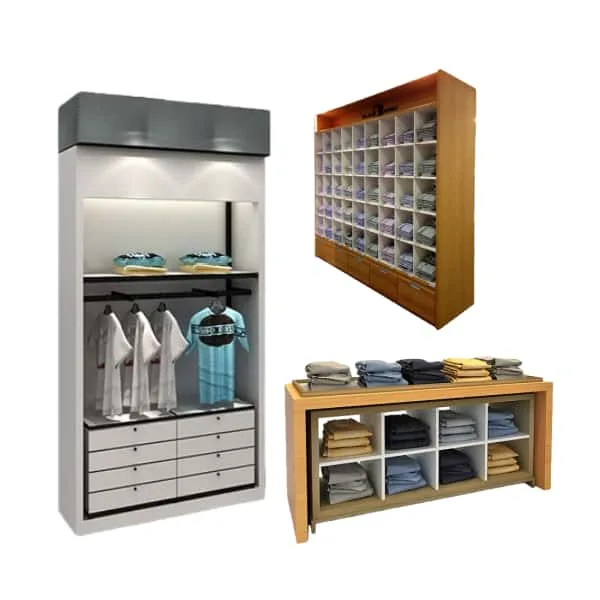
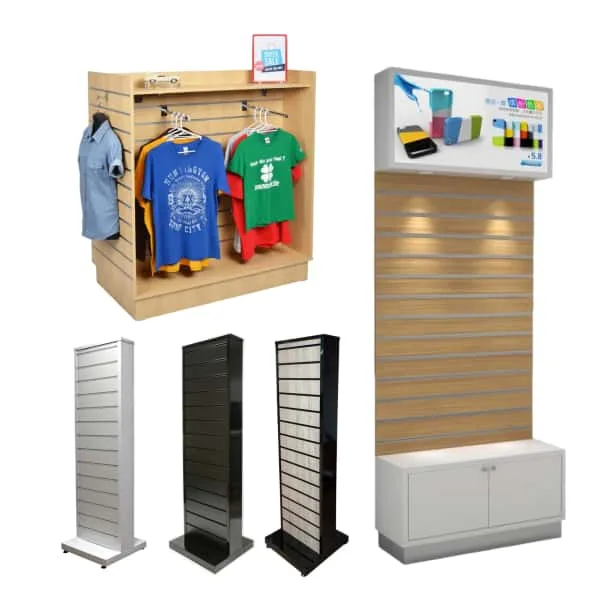
Wall Displays for Hanging & Folded Apparel
Map each wall before selecting the furniture. Record door swings, sockets and any areas that cannot take fixings. Clothing racks need sufficient projection for hangers, while folded apparel requires a shelf depth that does not hide stock at the back. Alternate presentation areas with practical replenishment space rather than treating the whole wall as a single display. If cabinets have lighting, confirm cable access and how components can be maintained. Compare the finish samples with your garments so the fixtures support the collection without becoming the main visual focus.
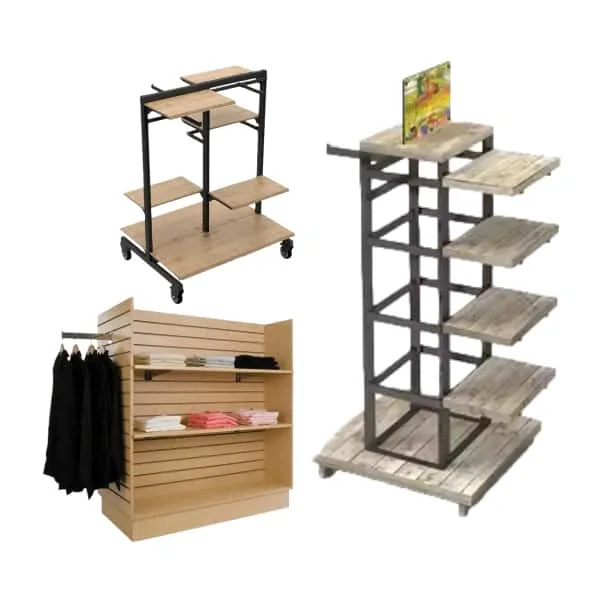
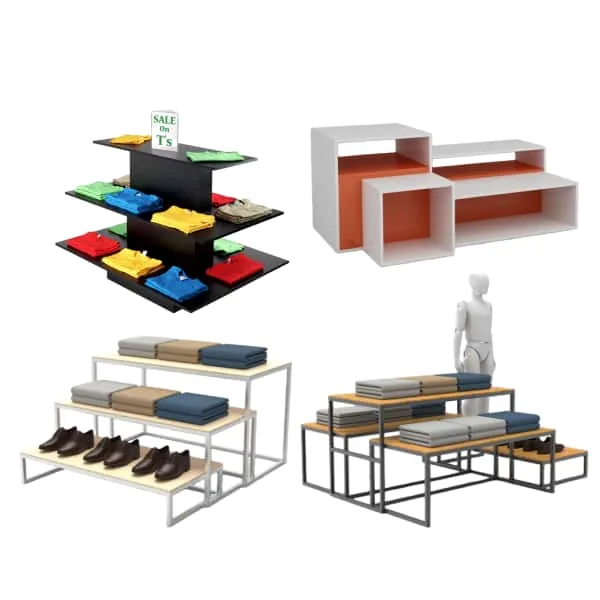
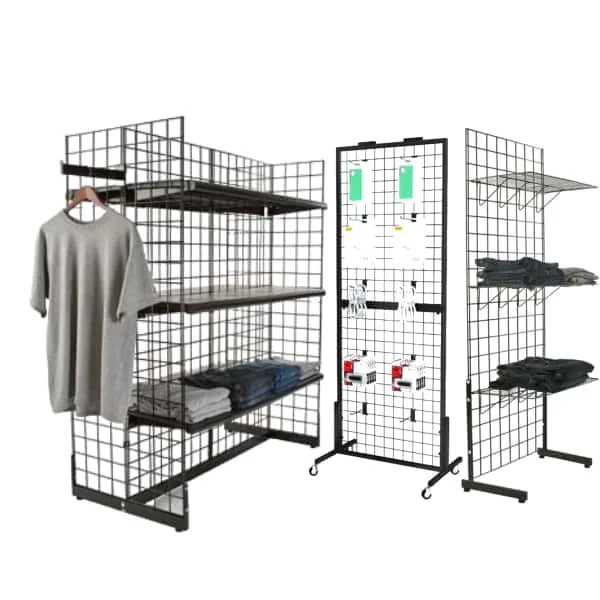
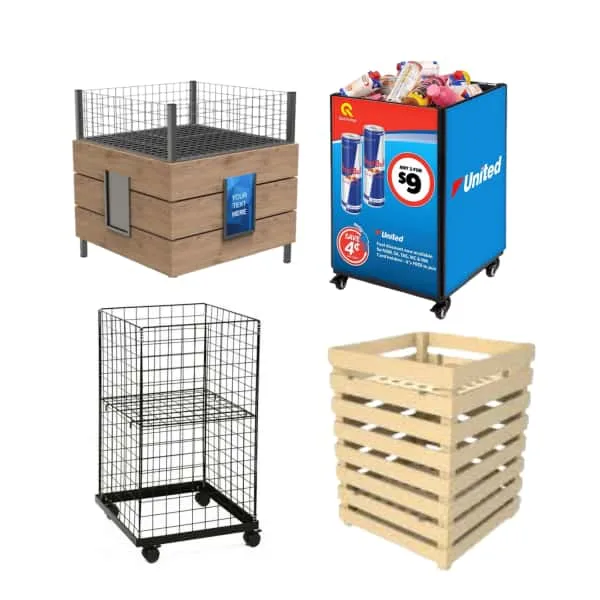
Freestanding Clothing Store Fixtures
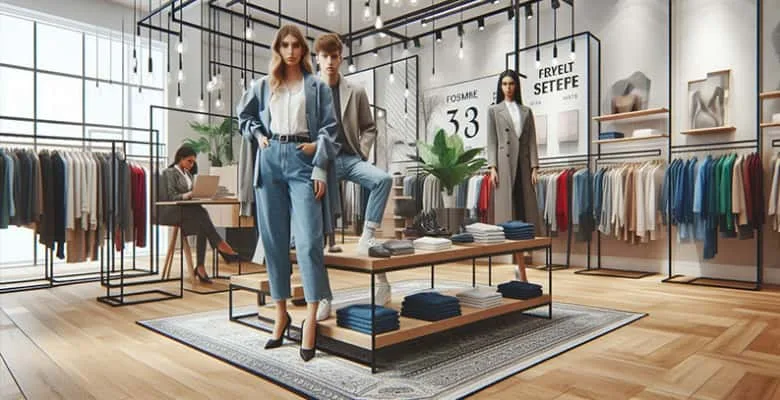
Choose central stands after the main walking routes are established. A four-way rail can present several outfit groups, while a nesting table offers a broad surface for folded goods. Both take up more working space than their base dimensions suggest once clothing extends over the edges. Check the arrangement with merchandise in place and leave staff room to refold, replenish and move between fixtures. For movable units, confirm the caster and locking specification for the proposed floor rather than assuming every rack can be repositioned while loaded.
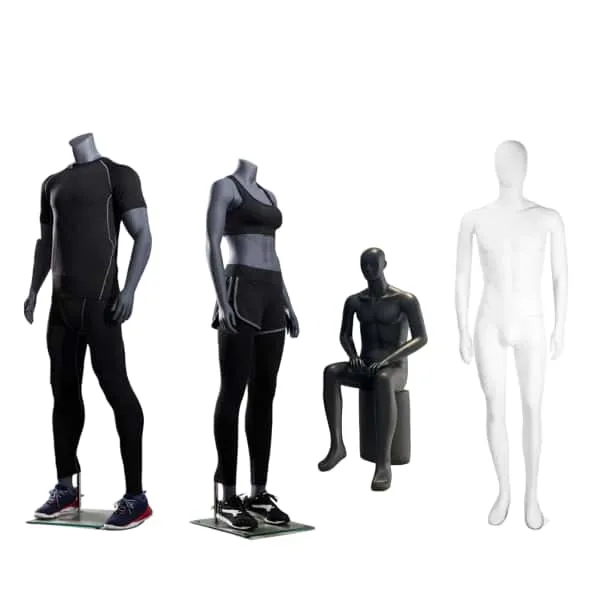
Mannequins & Outfit Presentation
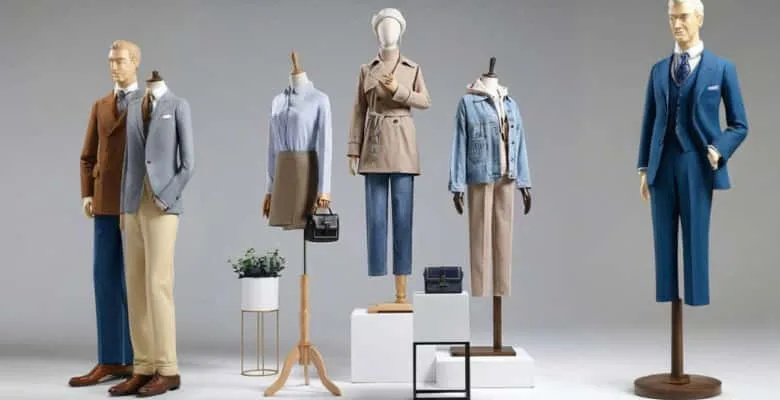
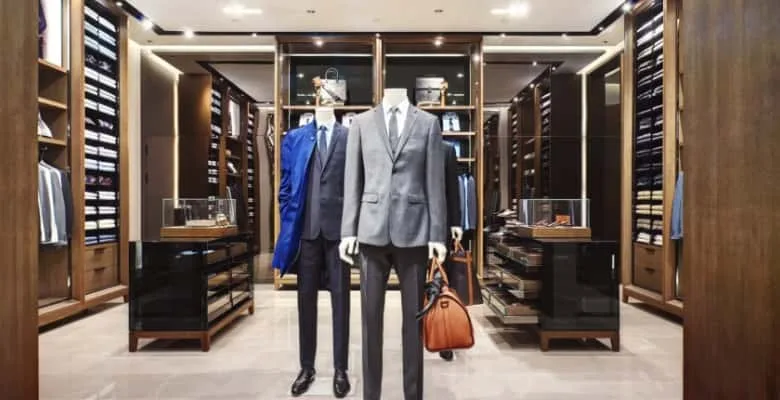
A mannequin brief should identify garment sizes, poses and where the forms will stand. Full-body figures, torso forms and smaller accessory displays serve different presentation needs. Allow enough space to change clothing and check the stability of the selected base. Window mannequins also need to be assessed from outside the shop, where reflections and viewing distance affect the result. Select a consistent visual language across the store and keep spare parts or dressing requirements in the operating plan.
Match Fixtures to Apparel Categories
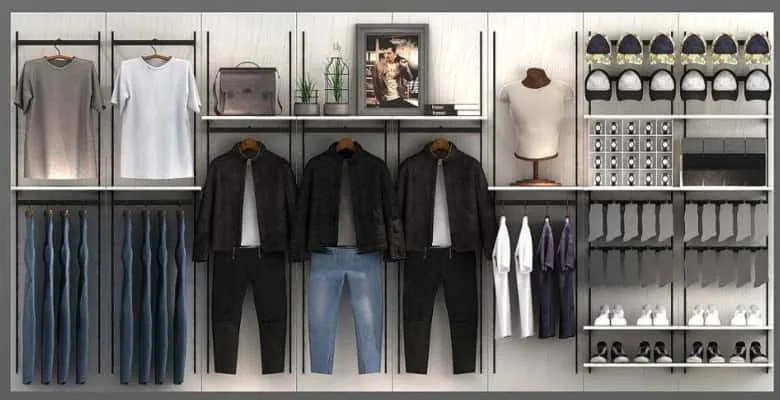
Different collections need different furniture. Caps benefit from a view of the front profile; footwear needs space to compare pairs; longer garments require clear hanging height. Start with those requirements before choosing a decorative theme. Slatwall or gridwall may provide flexible attachment positions, but compatibility between panels and accessories must be verified. For mixed apparel stores, repeat a small set of finishes and label positions to connect the departments while adjusting the fixture proportions to the goods.
Discuss Your Clothing Shop Furniture
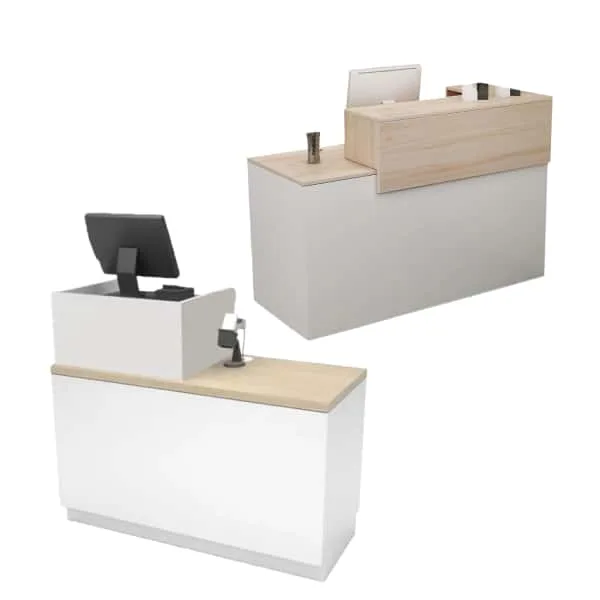
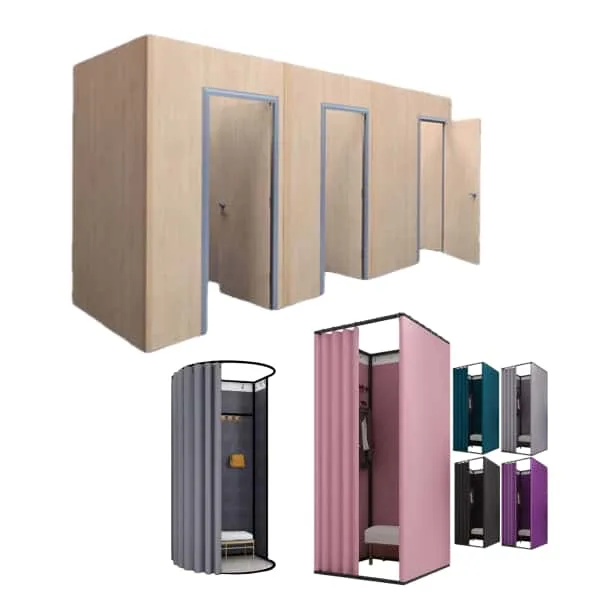
Prepare a brief for your clothing store fixtures with a floor plan, sample product dimensions and an estimate of how much stock should be on display. Add fitting-room, checkout and storage needs, plus photographs showing the interior you want to achieve. Benson Display can discuss the fixture mix and the proposed scope. Confirm dimensions, materials, quantities and installation arrangements in the final specification; performance and delivery commitments should be agreed for the actual project.