

Display Cases & Showcases
4.8 / 5 The Top Showcases Supplier
Shop By Use
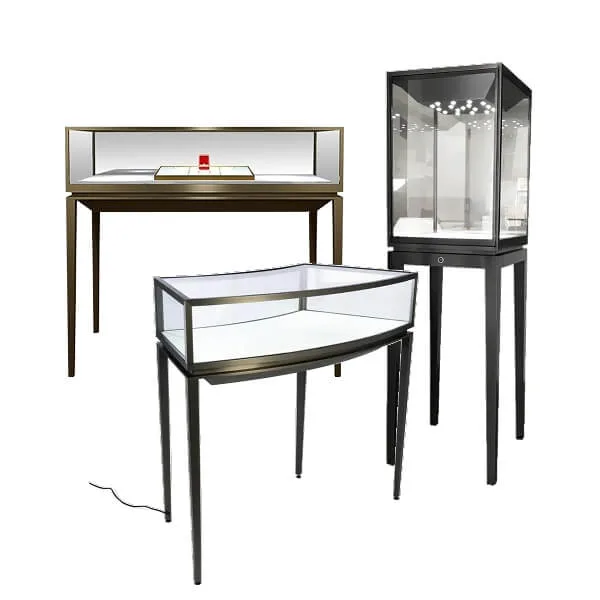
Jewelry
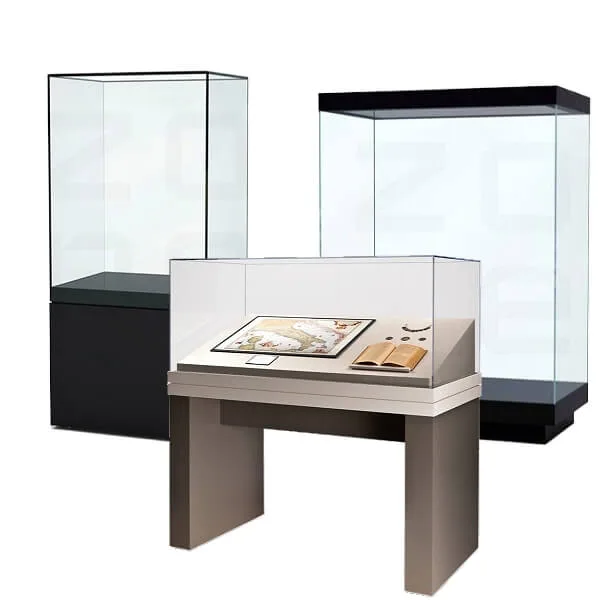
Museum
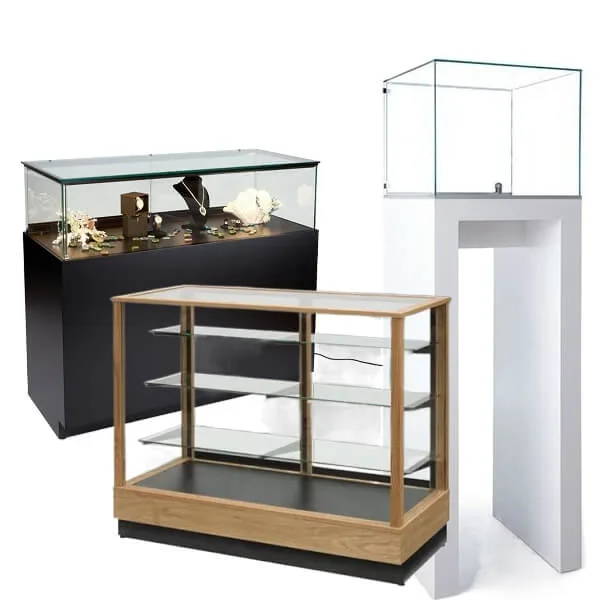
Retail Store
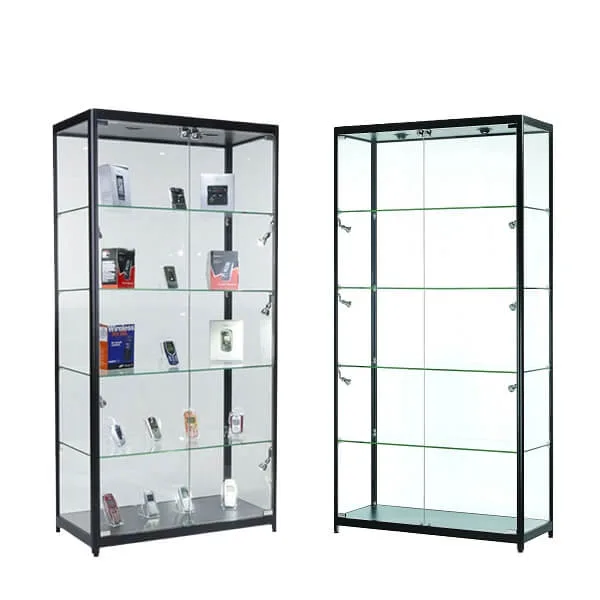
Rock
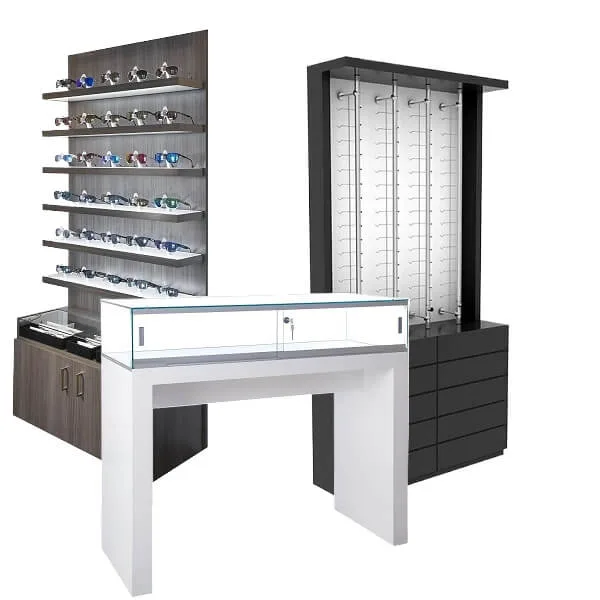
optical frame
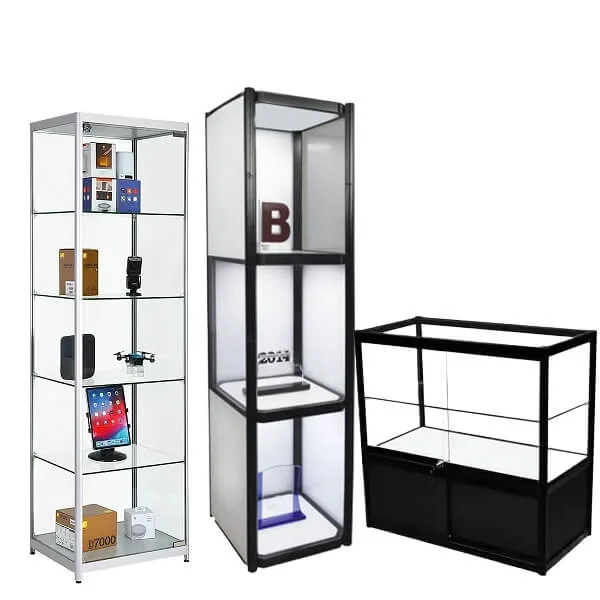
trade show
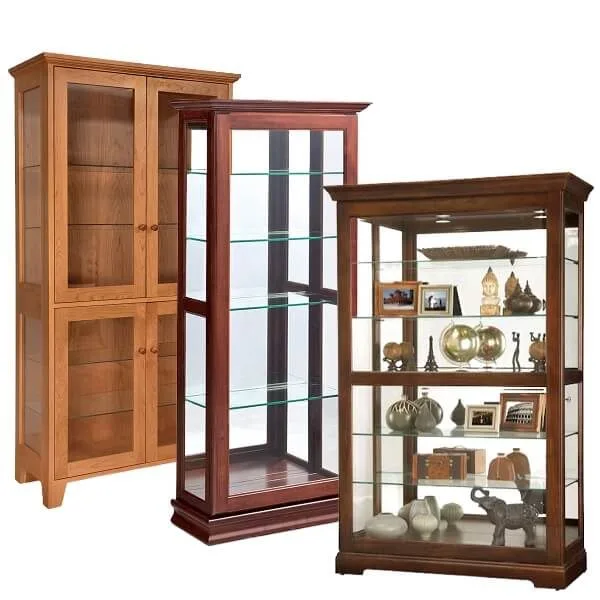
curio
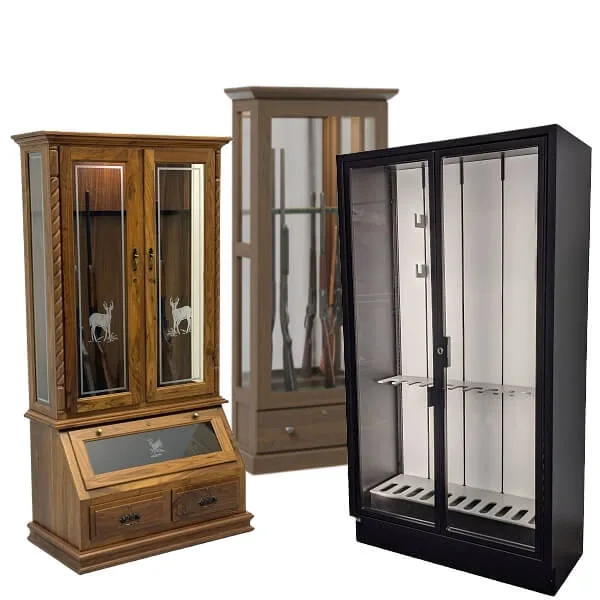
Gun & Rifle
trophy
watch
Smoke Shop
Shop By Style
Pedestal Showcase
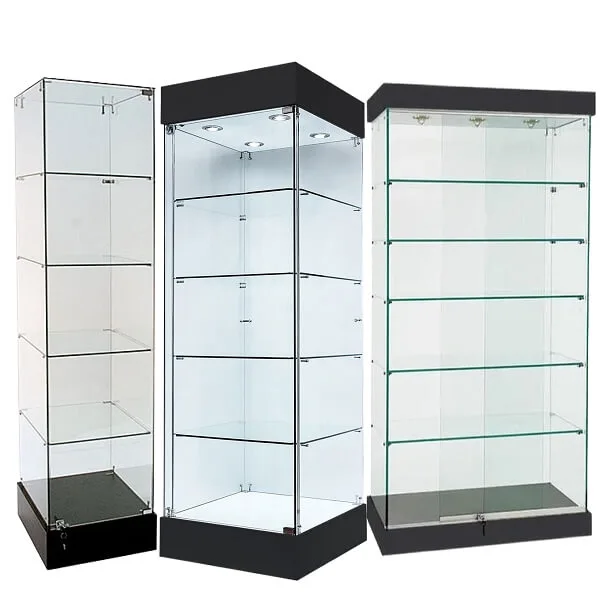
Frameless
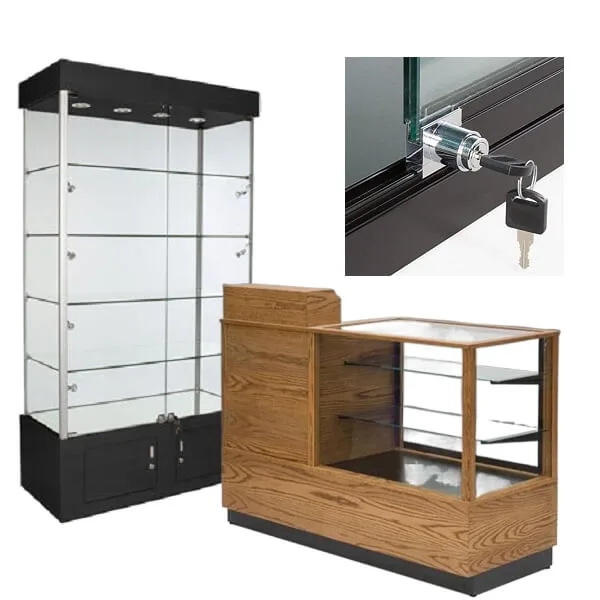
Locking Display Cases
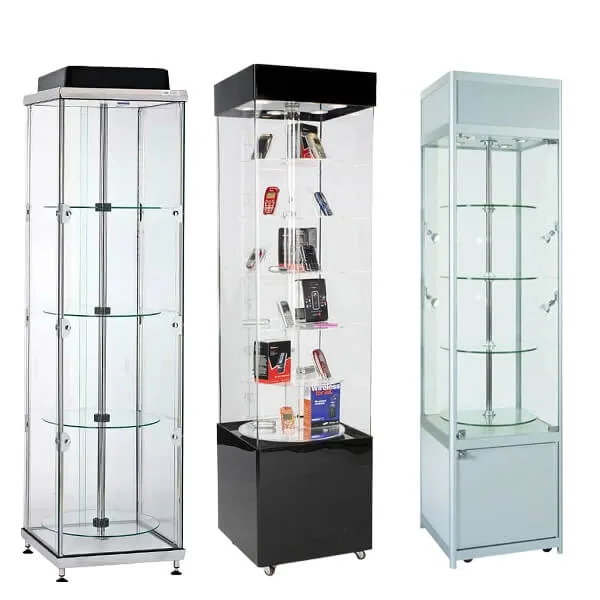
Rotating
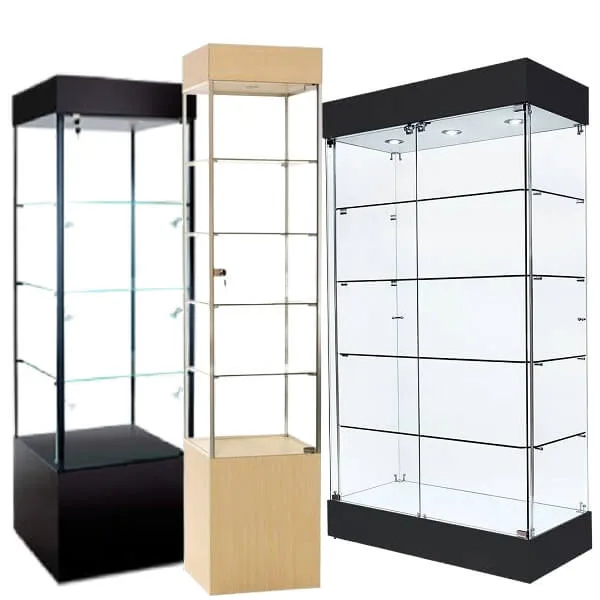
Tower
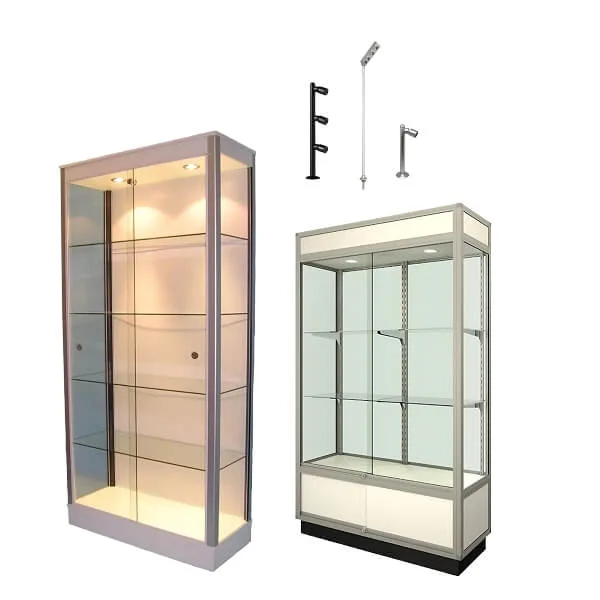
LED Lighted
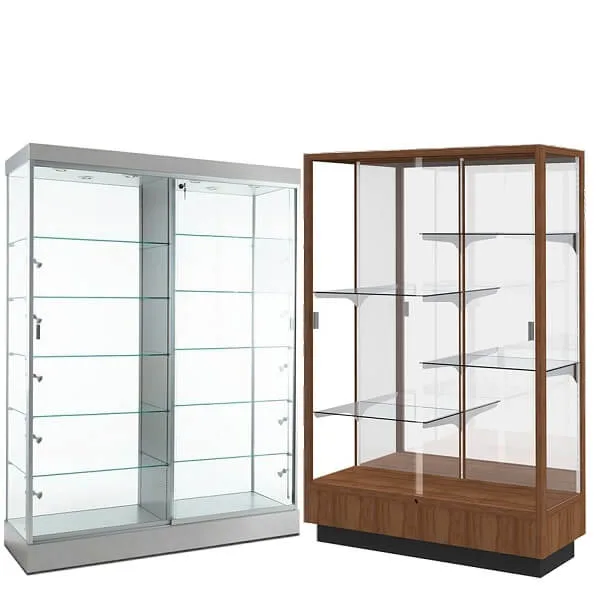
Large
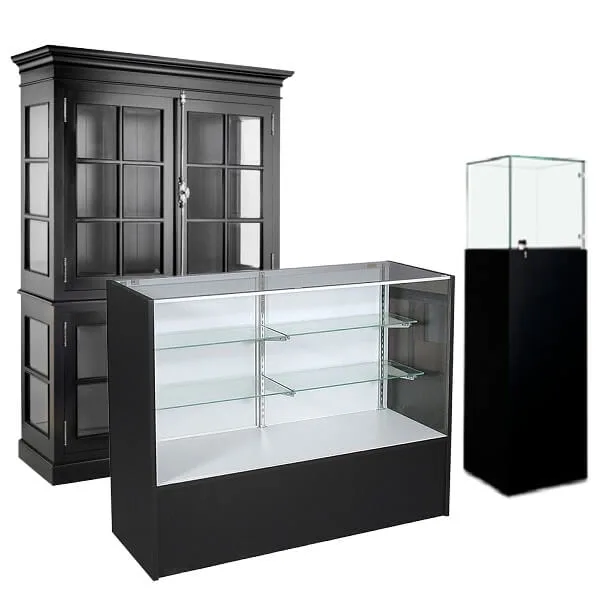
Black
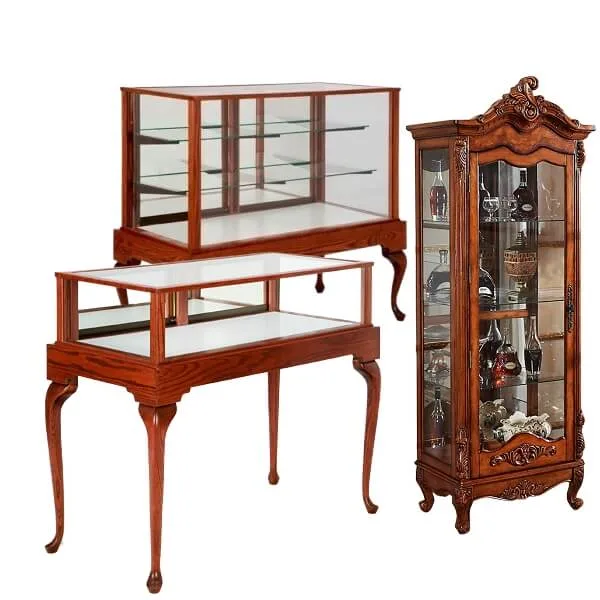
Antique
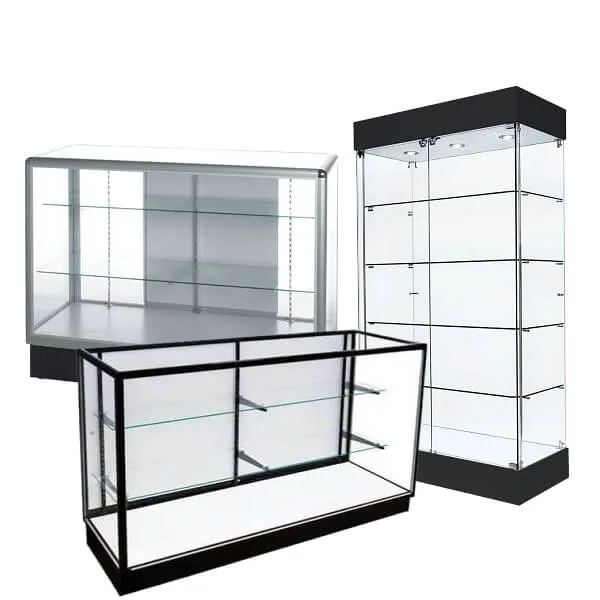
Full Vision
Shop By Material
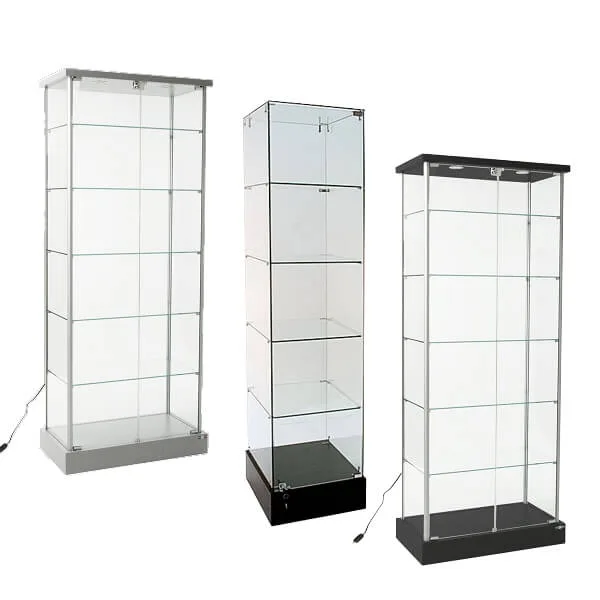
Glass
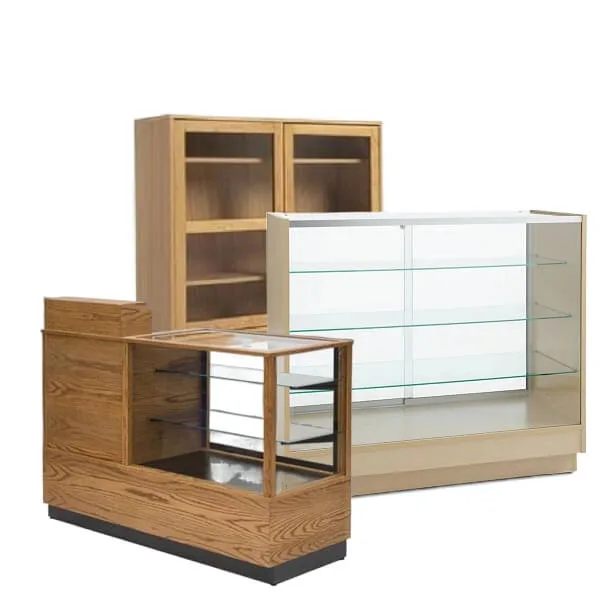
Wood
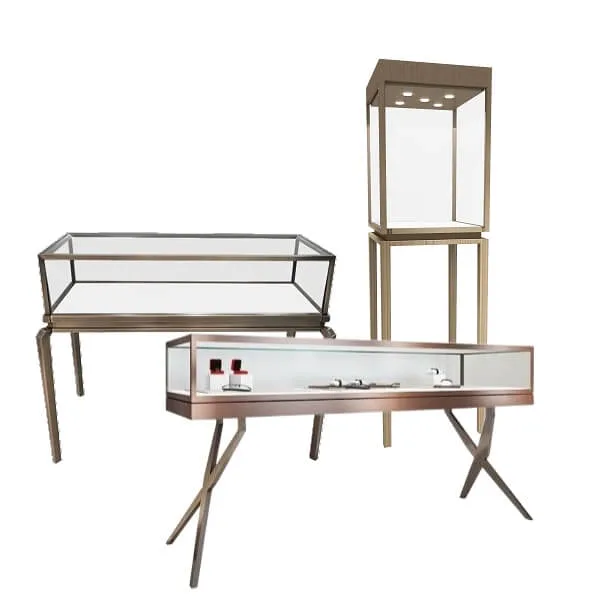
Stainless Steel
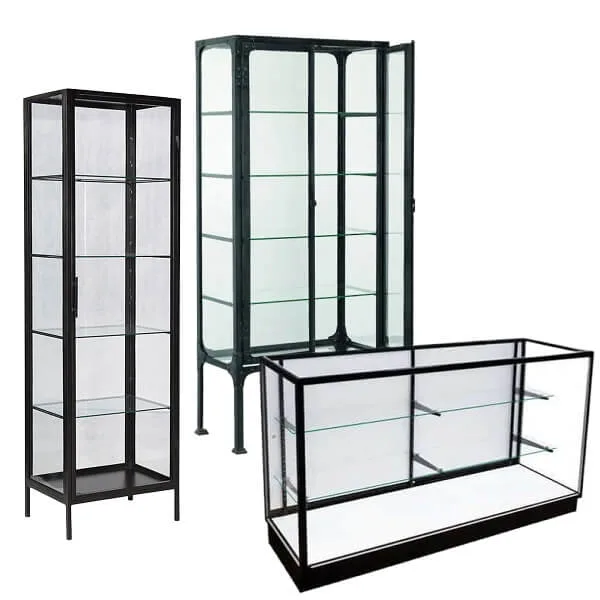
metal
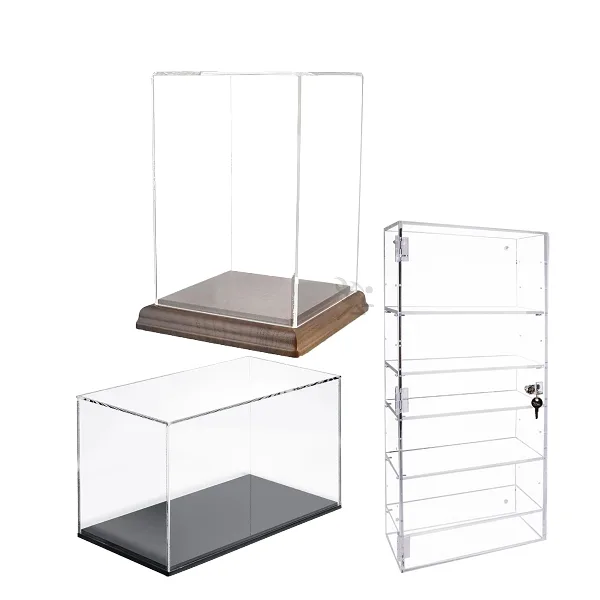
acrylic
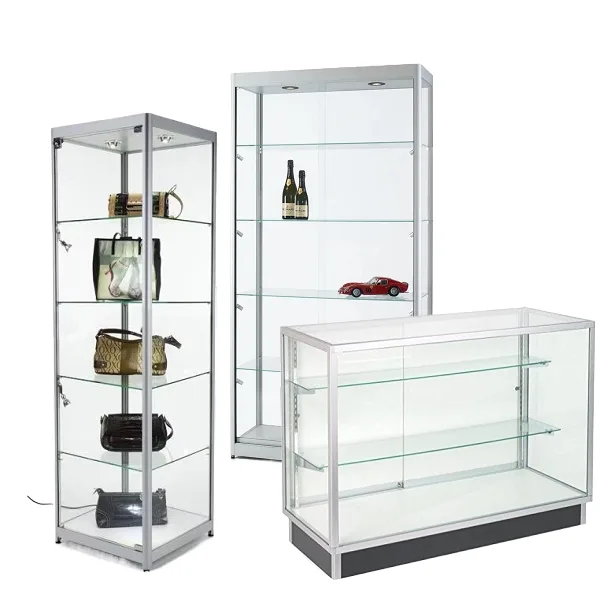
Aluminium
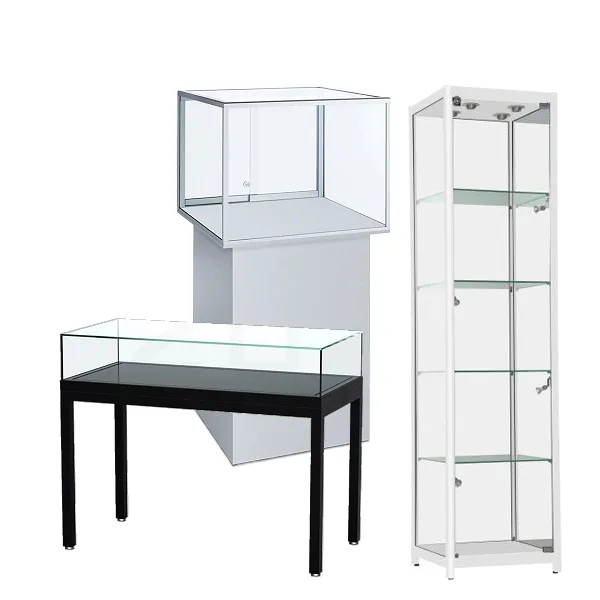
Custom
Shop By Placement
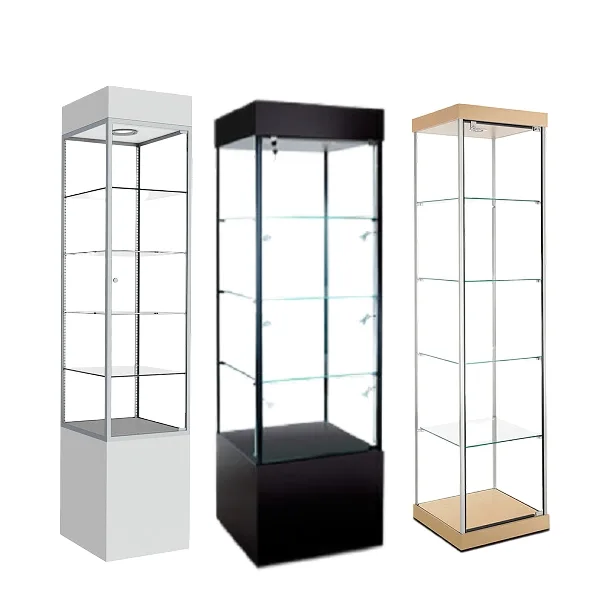
Floorstanding
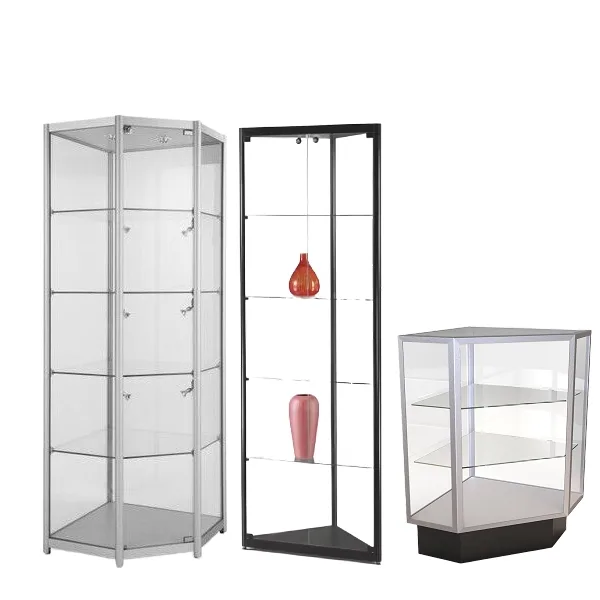
Corner
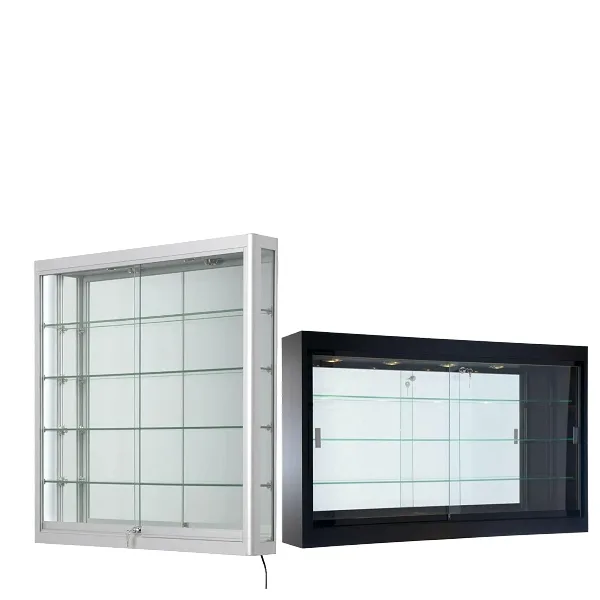
Wall Mounted
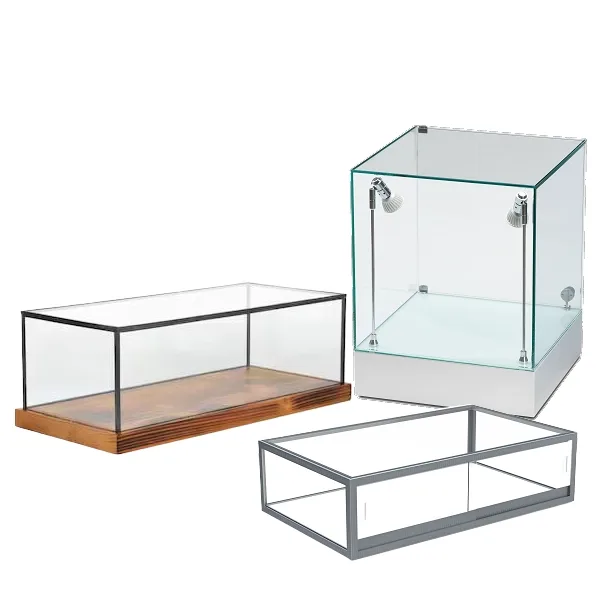
Countertop

Most Popular Showcases
Contact us
We can custom display showase according to your needs | Wood, Metal, Steel, Glass & More
Display Showcases & Cases For Retail Shops
Display cases and showcases are more than functional storage units—they are strategic tools that blend artistry and practicality. Whether in a jewelry store, museum, or retail shop, these fixtures protect valuable items while enhancing their visual appeal. By controlling lighting, security, and accessibility, they transform ordinary objects into captivating focal points, driving engagement and sales.
The design of a display case varies dramatically depending on its purpose. A museum’s climate-controlled glass enclosure for ancient artifacts bears little resemblance to a rotating LED-lit jewelry showcase, yet both serve the same core function: to preserve and present. Understanding these nuances is key to selecting the right solution.
This guide explores display cases from multiple angles—usage, materials, styles, placement, and sizing—while offering practical advice for choosing or customizing the perfect showcase. Whether you’re a boutique owner or a museum curator, you’ll find insights to elevate your display strategy.
1. Types of Display Cases by Usage
Commercial Retail & Luxury Goods
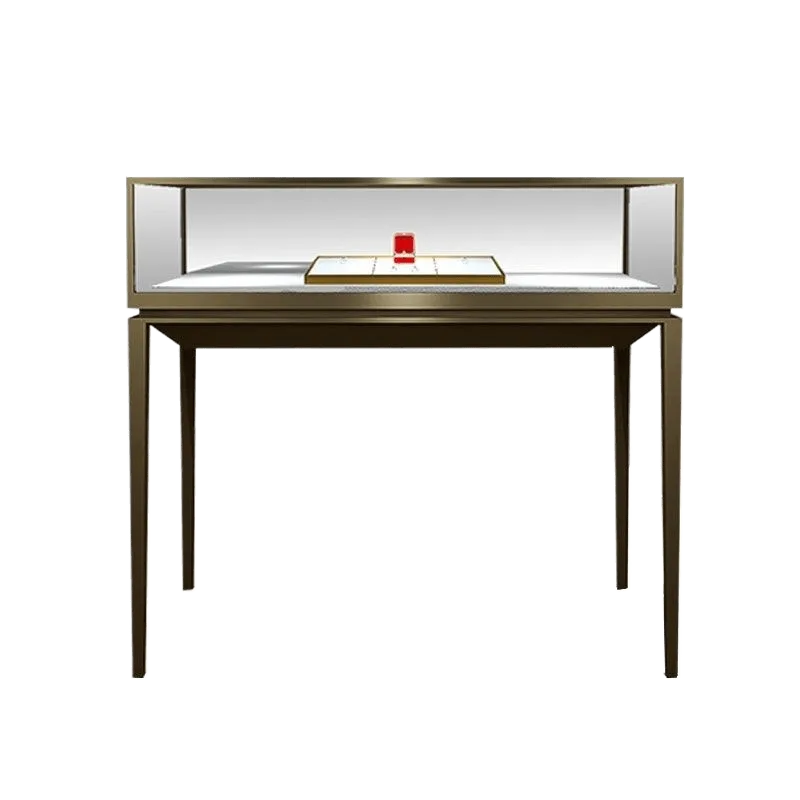
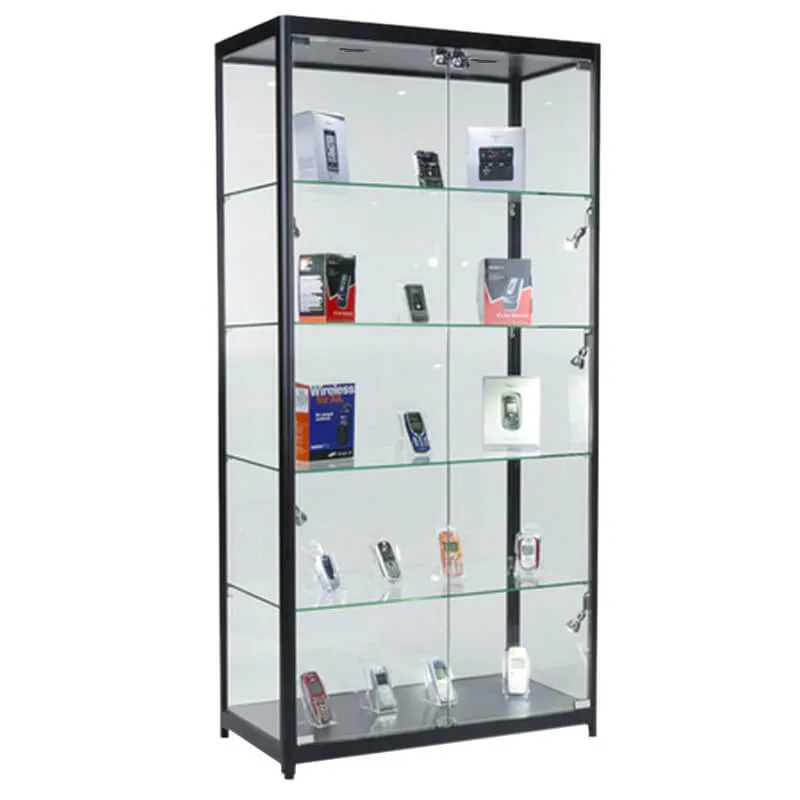
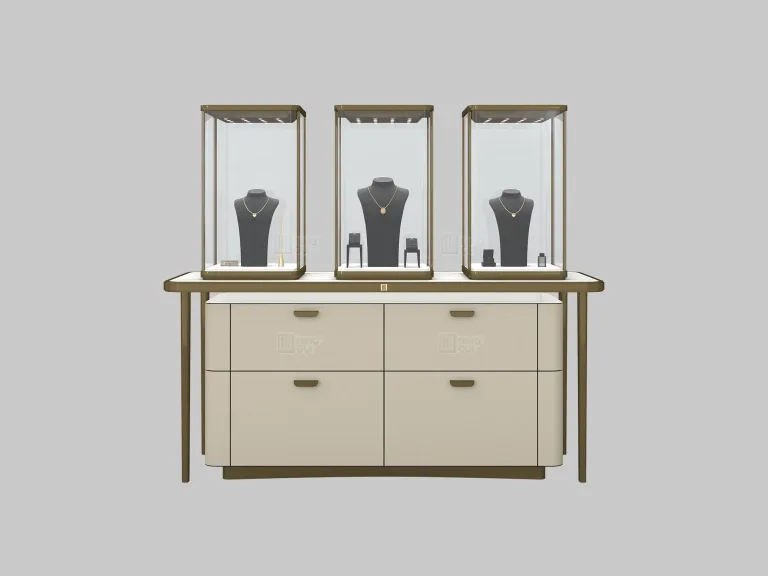
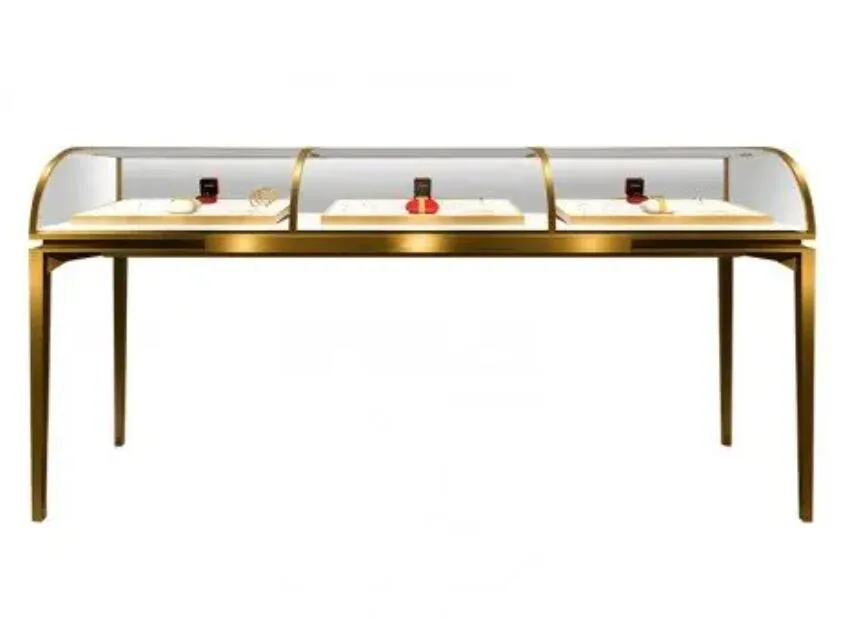
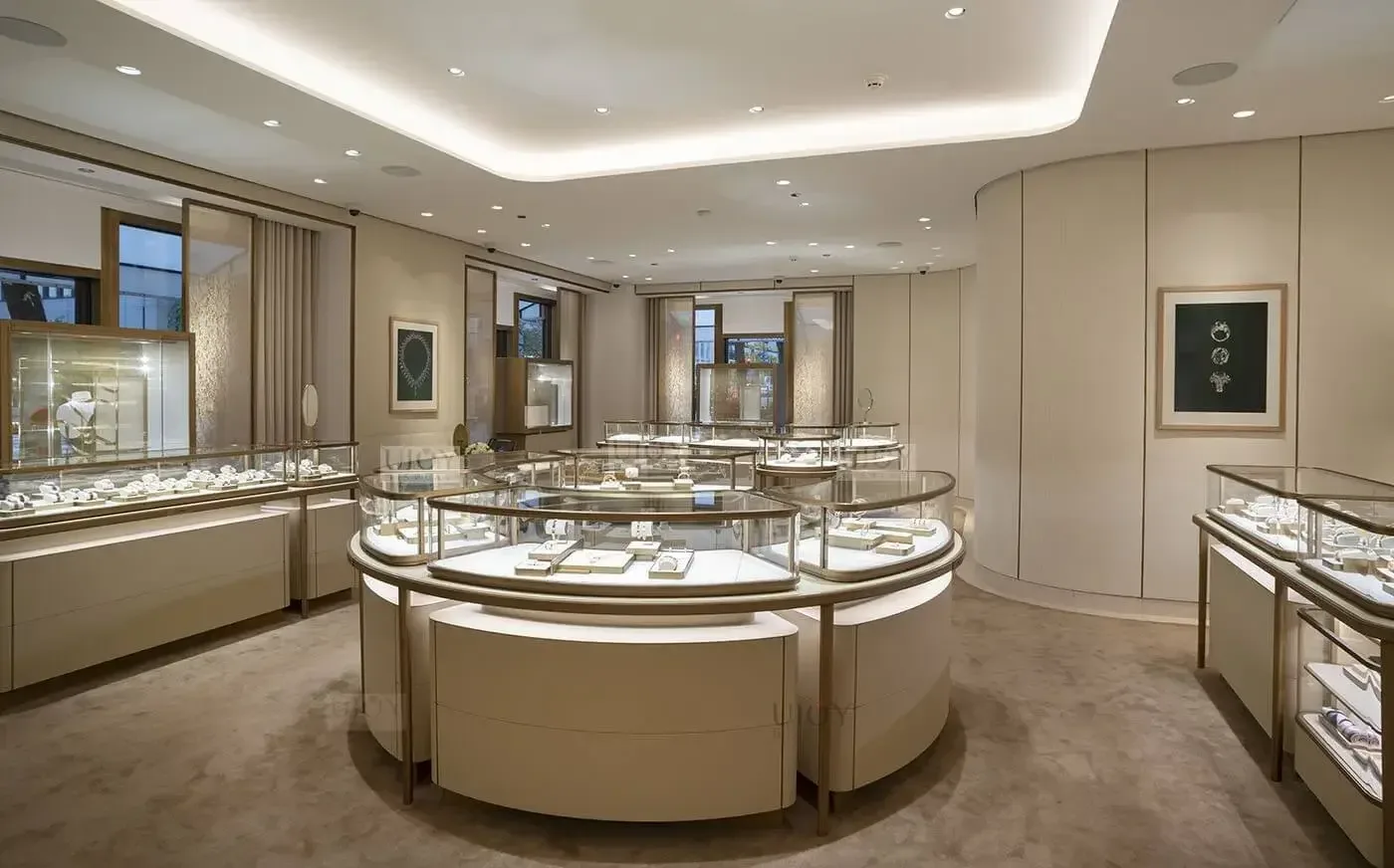
In retail environments, display cases are tailored to maximize product visibility and customer interaction. Jewelry stores, for example, rely on tempered glass cases with integrated LED lighting to amplify the sparkle of gemstones. Lockable doors and reinforced hinges ensure security without compromising elegance. Similarly, optical shops use slanted, mirrored displays to let customers try on eyewear effortlessly, combining practicality with sleek design.
Specialized Environments
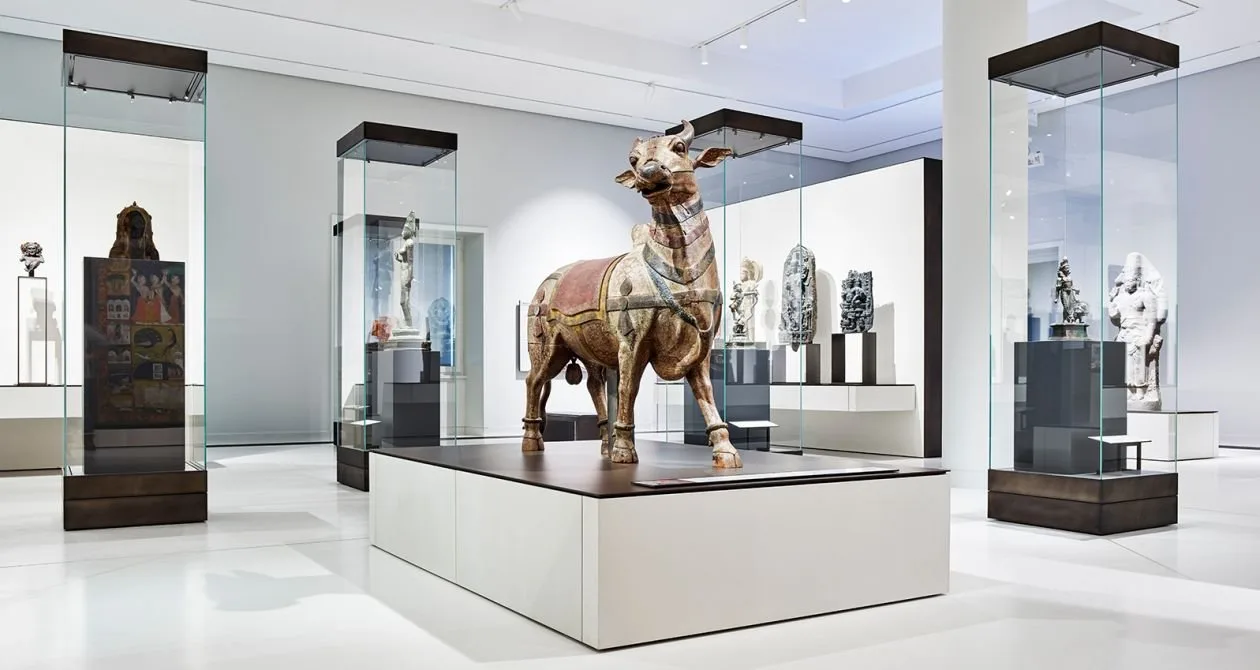
Museums and galleries demand precision. Their showcases often include UV-protected glass to prevent artifact degradation and climate control systems to regulate humidity. Anti-vibration technology is critical in earthquake-prone areas. Trade shows, by contrast, prioritize portability and branding. Modular, lightweight cases with bold graphics and easy assembly help exhibitors stand out in crowded venues while protecting products during transport.
Niche Applications
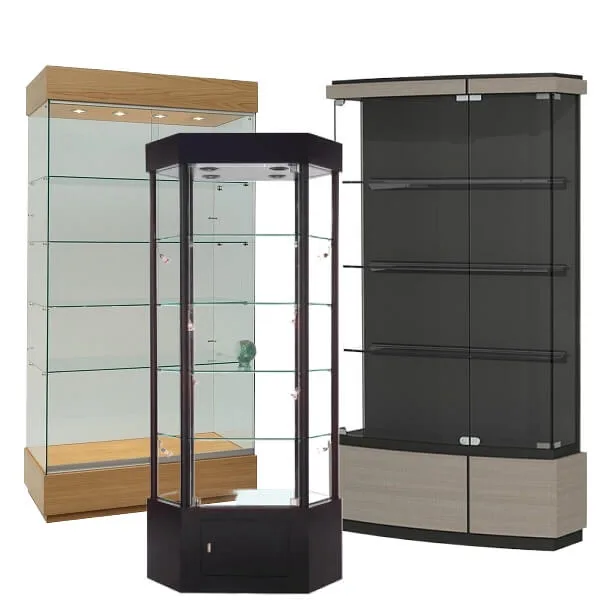
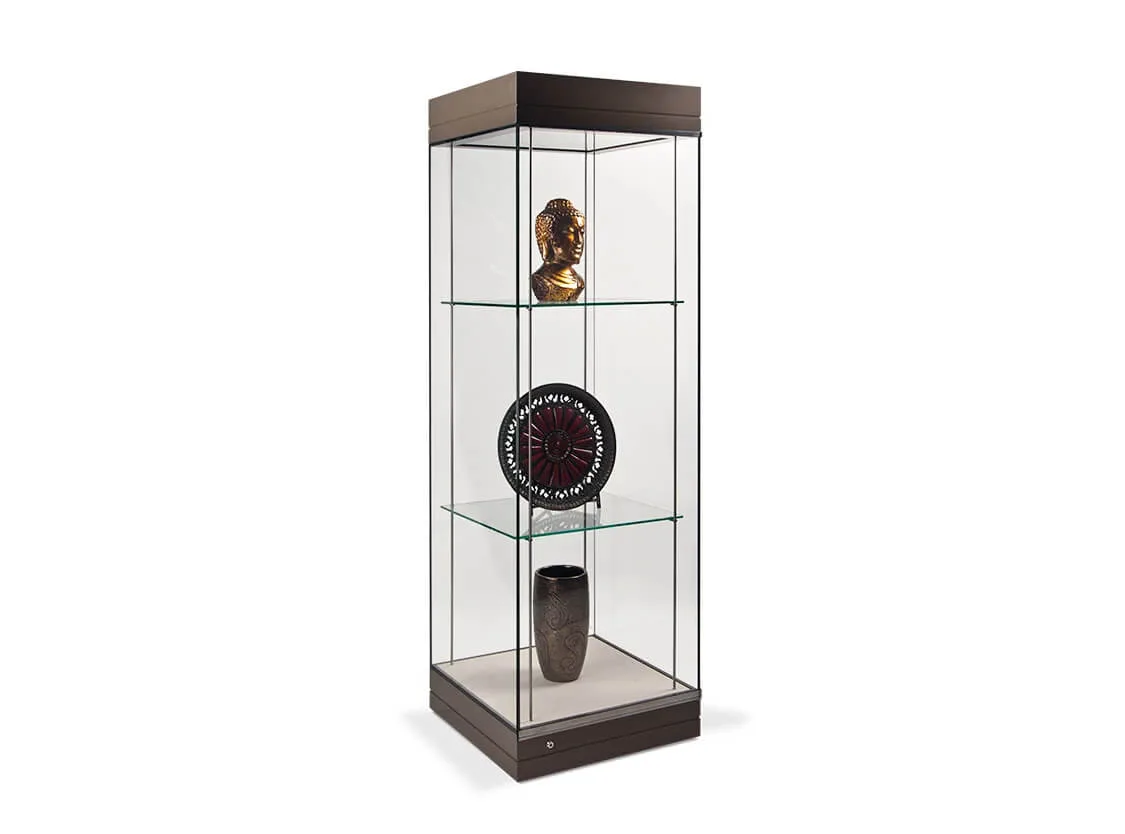
Niche markets require unique solutions for everything from firearms to collectibles. Gun shops use heavy-duty, tamper-proof cases with foam-lined interiors to display rifles securely. Curio cabinets in homes or antique stores feature glass shelving and soft lighting to showcase delicate figurines or porcelain. Even sports trophies benefit from tiered pedestal displays with mirrored backs, turning achievements into centerpieces.
| Type | Description | Materials | Typical Sizes | Price Range |
|---|---|---|---|---|
| Jewelry Display Showcases | Tempered glass, LED lighting, lockable doors for security and sparkle. | Glass, stainless steel/aluminum frame, LED strips, velvet lining. | Countertop: 24″W x 18″D x 24″H Floor: 48″W x 24″D x 72″H |
1,200–8,000+ |
| Museum Display Showcases | Climate control, UV-protected glass, anti-vibration mechanisms. | Laminated glass, aluminum/steel frame, silicone seals, humidity sensors. | 72″W x 24″D x 60″H (customizable for large artifacts) | 5,000–20,000+ |
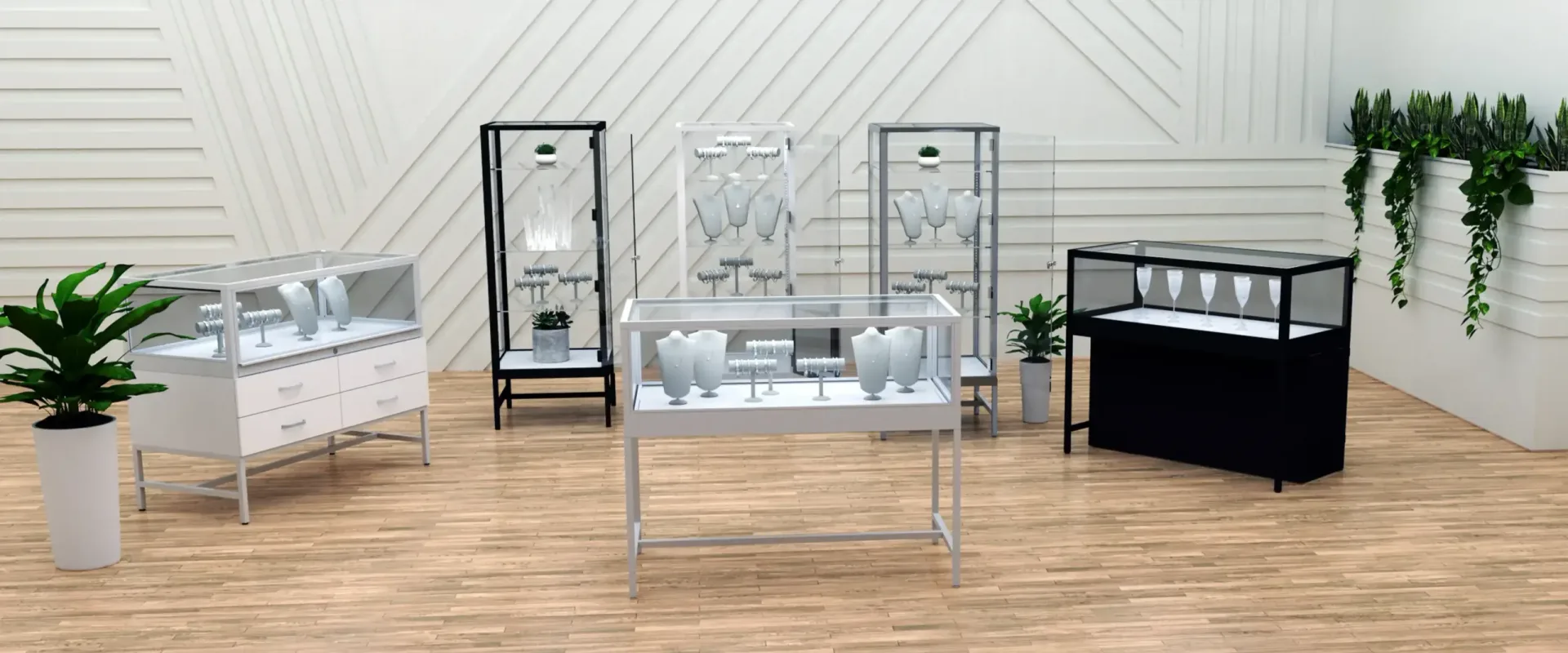
| Retail Store Showcases | Frameless designs for visibility; open or glass-door styles. | Frameless tempered glass, powder-coated metal base, and acrylic shelves. | 60″W x 24″D x 72″H (modular units) | 800–4,500 |
| Rock/Mineral Showcases | Reinforced bases and adjustable spotlights to highlight textures. | Steel/wood base, tempered glass, LED track lighting. | 36″W x 18″D x 48″H (small) 72″W x 24″D x 60″H (large) |
1,500–7,000 |
| Optical Frame Showcases | Angled displays with mirrored backs are used to try eyewear. | Acrylic/glass panels, aluminum frame, mirrored backing. | 48″W x 16″D x 48″H | 800–3,000 |
| Trade Show Display Cases | Portable, modular units with bold branding and easy assembly. | Aluminum frames, acrylic panels, collapsible design. | Modular panels: 48″W x 24″D x 72″H (assembled) | 500–5,000 |
| Curio Cabinets | Glass-paneled shelves with integrated lighting for collectibles. | Wood (oak, mahogany) or metal frame, glass shelves, LED puck lights. | 36″W x 14″D x 72″H | 600–3,500 |
| Gun & Rifle Showcases | Tamper-proof locks, foam padding, secure display. | Steel frame, laminated glass, foam inserts, biometric locks. | 72″W x 24″D x 48″H | 2,000–10,000 |
| Trophy Showcases | Tiered pedestals with mirrored backs to emphasize awards. | Glass/acrylic tiers, wood/metal base, mirrored backing. | 36″W x 18″D x 60″H | 900–4,000 |
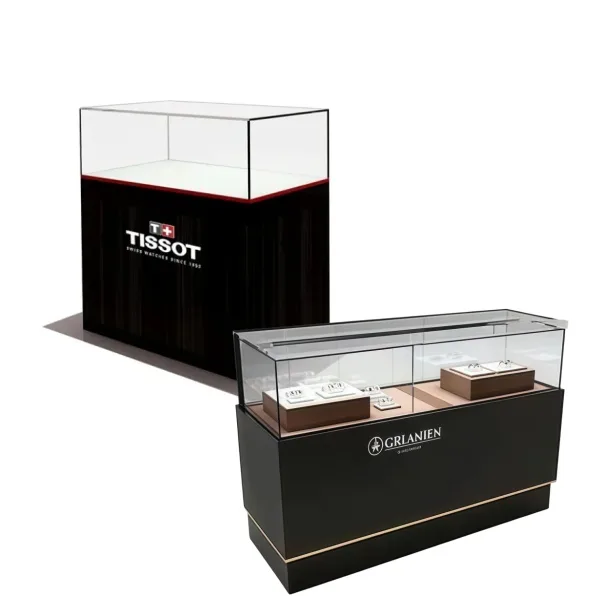
| Watch Display Cases | Sloped glass, rotating platforms for 360° viewing; LED-lit. | Tempered glass, stainless steel base, and motorized rotating mechanism. | 36″W x 16″D x 48″H | 1,500–6,000 |
2. Materials: Balancing Aesthetics and Durability
Traditional Materials
Wooden display cases, crafted from oak, mahogany, or walnut, evoke timeless elegance. They’re ideal for antique shops, libraries, or corporate settings displaying awards. However, wood requires regular maintenance to avoid warping or scratches. Metal and stainless steel, on the other hand, offer a modern, industrial aesthetic. Durable and easy to clean, they’re common in high-traffic areas like museums or airports.
Glass and Acrylic
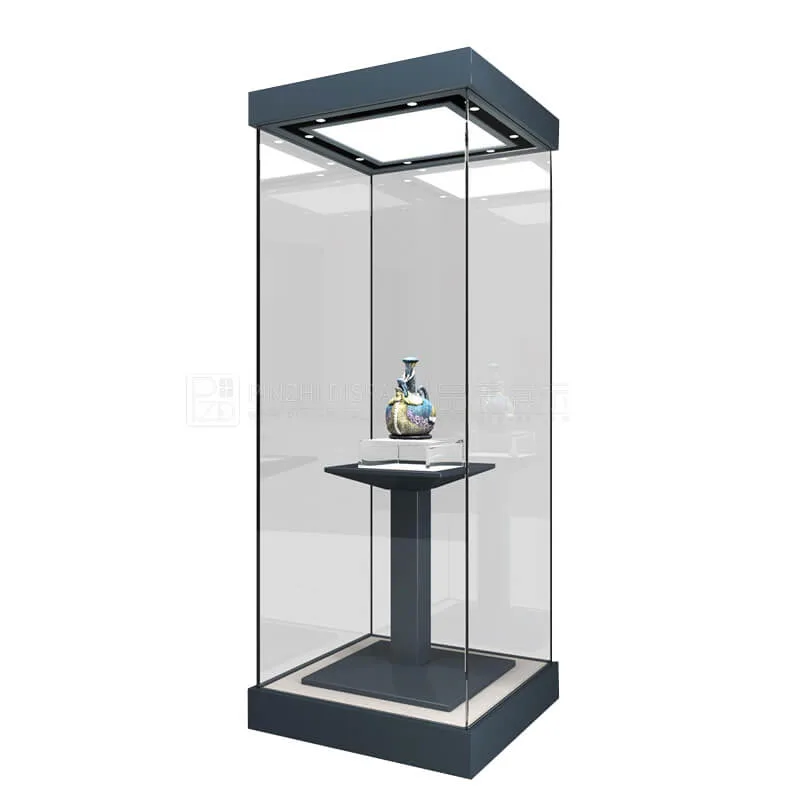
Glass remains a staple for its clarity and versatility. Frameless glass cases create a minimalist, high-end look, while laminated or tempered glass adds security for luxury goods. Acrylic is a lightweight, shatter-resistant alternative often used in children’s museums or pop-up shops. For a dramatic effect, black-painted metal or glass cases create contrast, making colorful items like watches or artwork pop.
Hybrid and Custom Materials
Many modern cases blend materials for both function and style. A stainless steel frame with glass panels suits contemporary retail spaces, while wood-and-glass hybrids offer rustic charm. Custom finishes, such as matte textures or metallic accents, allow businesses to align displays with branding. For outdoor or humid environments, powder-coated metals or marine-grade acrylics prevent corrosion.
3. Styles and Functional Features
Functional Designs
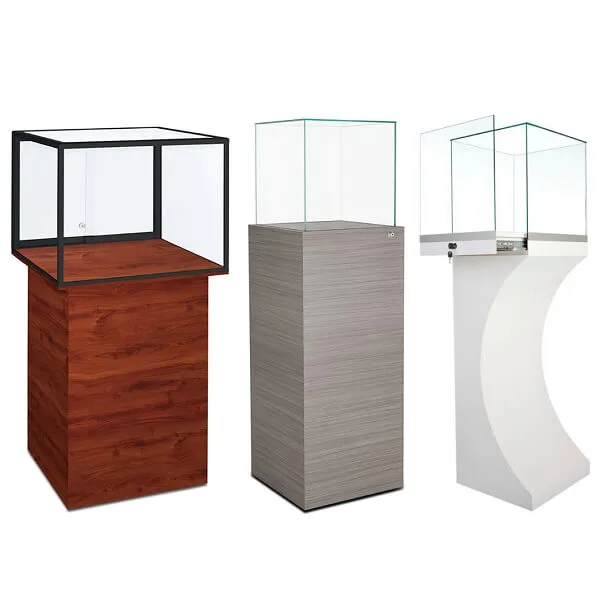
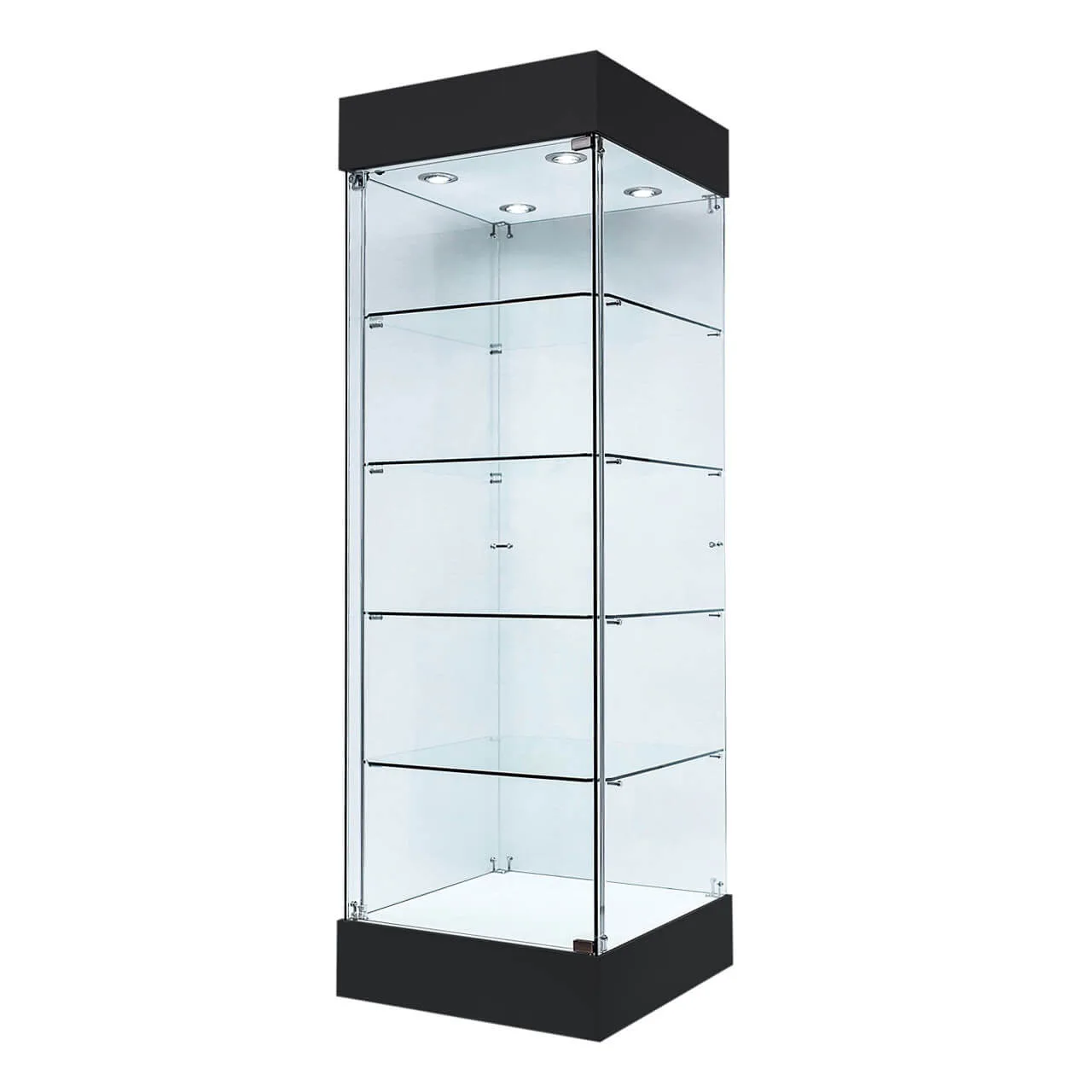
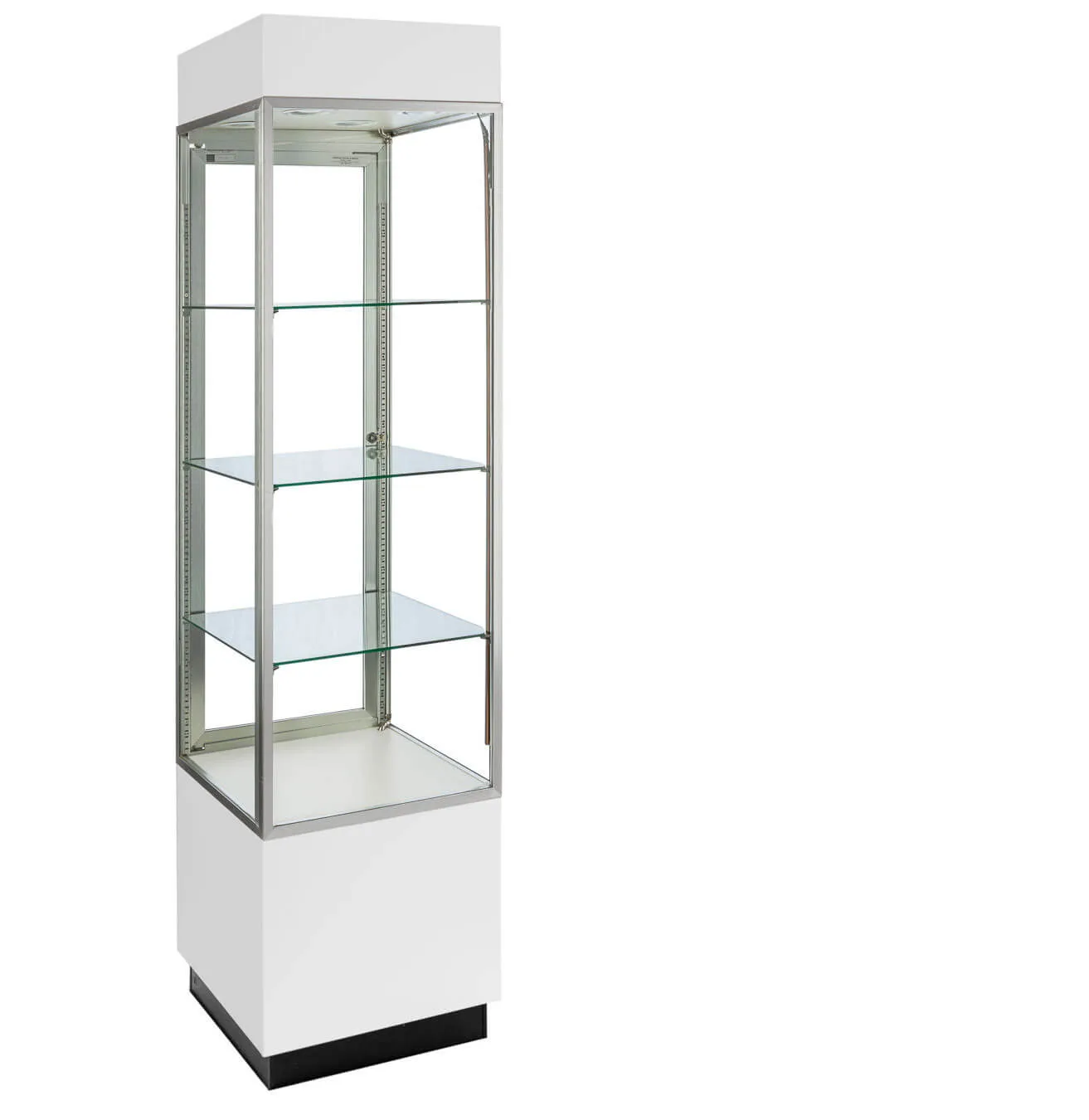
Pedestal showcases elevate items like sculptures or trophies, turning them into focal points. Rotating displays add dynamism, allowing 360-degree views of products like watches or jewelry. Tower cases maximize vertical space in compact retail areas, while locking cases with reinforced hinges secure high-value items like firearms or diamonds.
Aesthetic Variations
Frameless glass cases offer a sleek, modern aesthetic, often paired with LED strips for a floating effect. Antique-style cases with ornate carvings suit vintage shops or historical exhibits. Half-vision cases, with opaque lower sections, hide clutter like wiring or storage while keeping displayed items visible. For bold branding, backlit cases with customizable graphics draw eyes to logos or product highlights.
Lighting and Tech Integration
Lighting transforms displays. Cool, energy-efficient LEDs prevent heat damage to sensitive items like chocolates or cosmetics. Motion-activated lights add interactivity to museum exhibits. Tech-forward cases might include touchscreens for product information or QR code scanners for instant purchases. These features bridge the gap between physical displays and digital engagement.
4. Placement and Space Optimization
Floorstanding and Corner Units
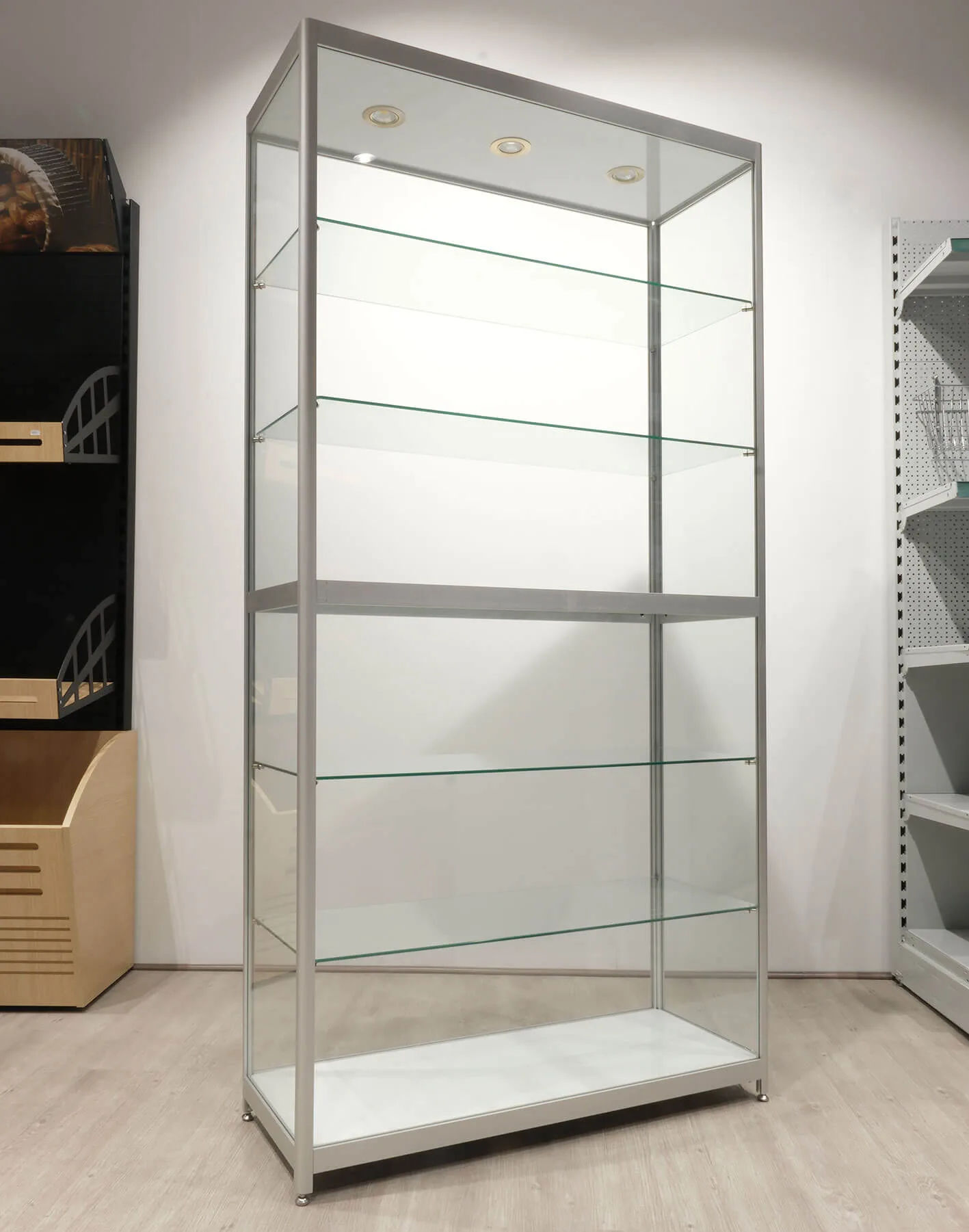
Floorstanding cases dominate large spaces, such as museum lobbies or store entrances. Ranging from 60–84 inches in height, they accommodate grand exhibits like apparel mannequins or historical dioramas. Corner units, with triangular or curved designs, make use of underutilized space in small shops or apartments, ideal for rotating jewelry displays or collectibles.
Wall-Mounted and Countertop Solutions
Wall-mounted cases save floor space while drawing eyes upward. They’re perfect for displaying watches, small artifacts, or luxury handbags. Countertop cases, typically 12–24 inches wide, suit impulse-buy areas like checkout counters, showcasing perfumes, candies, or accessories. Both styles keep sightlines open, ensuring stores feel spacious and organized.
Modular and Flexible Displays
Modular systems adapt to changing needs. Retailers can reconfigure interlocking cases to highlight seasonal products or new arrivals. Pop-up shops benefit from collapsible acrylic cases that are easy to transport. For permanent installations, built-in wall displays with adjustable shelving offer long-term versatility.
5. Sizing and Custom Solutions
Standard Dimensions
Typical sizes vary by industry. Jewelry countertop cases average 24×24 inches, while museum displays can span 96 inches for large artifacts. Retail floorstanding units often measure 48–60 inches wide to balance visibility and space efficiency. Trade show booths favor modular panels that fit standard 10×10-foot spaces.
When Customization Matters
Off-the-shelf cases don’t always fit unique needs. A boutique with irregular wall angles might require a curved corner case, while a museum displaying a rare manuscript may need an extra-tall, climate-controlled unit. Customization also extends to materials—combining wood and glass for a rustic-modern look or integrating hidden compartments for high-security environments.
Benson Display’s Tailored Approach
Companies like Benson Display specialize in bespoke solutions. They craft cases to exact specifications, whether it’s a rotating, LED-lit tower for a luxury watch store or a soundproof, vibration-resistant display for a historical bell collection. Custom builders also incorporate tech features like humidity sensors or interactive screens, ensuring displays meet both aesthetic and functional demands.
6. Choosing the Right Display Case
Assess Purpose and Environment
Start by defining the case’s role. Is security the priority, as with jewelry or firearms? Or is preservation critical, like in museums? Next, evaluate the environment: High-traffic retail spaces need durable materials like stainless steel, while home curio cabinets can prioritize aesthetics with delicate glass and wood.
Material and Lighting Considerations
Match the materials to your brand and use case. A high-end boutique might opt for frameless glass with gold accents, while a pediatrician’s office could choose colorful, shatterproof acrylic. Lighting should enhance, not overpower—soft LEDs for artwork, bright spotlights for gemstones. Always ensure that the lighting is cool to avoid damaging heat-sensitive items.
Budget and Expert Consultation
Balance upfront costs with long-term value. Acrylic cases are affordable for temporary displays, while tempered glass and hardwood justify investment for permanent installations. For complex needs—like integrating climate control or custom branding—consult specialists. Companies like Benson Display offer design consultations to align displays with spatial, functional, and budgetary requirements.
Conclusion
Display cases are silent ambassadors of your brand, artifacts, or collections. Their design—shaped by materials, style, and placement—can mean the difference between an overlooked item and a showstopping centerpiece. From sleek, modern retail displays to rugged, secure museum enclosures, the options are as diverse as the items they protect.
Customization unlocks endless possibilities. Whether retrofitting a historic building or designing a cutting-edge pop-up shop, tailored solutions ensure displays fit seamlessly into their environment. Brands like Benson Display empower businesses to think beyond standard designs, integrating technology and unique materials for unforgettable presentations.
Ultimately, the right showcase does more than display—it tells a story. By thoughtfully balancing function, aesthetics, and innovation, you can create a space where objects captivate audiences, drive engagement, and stand the test of time.