
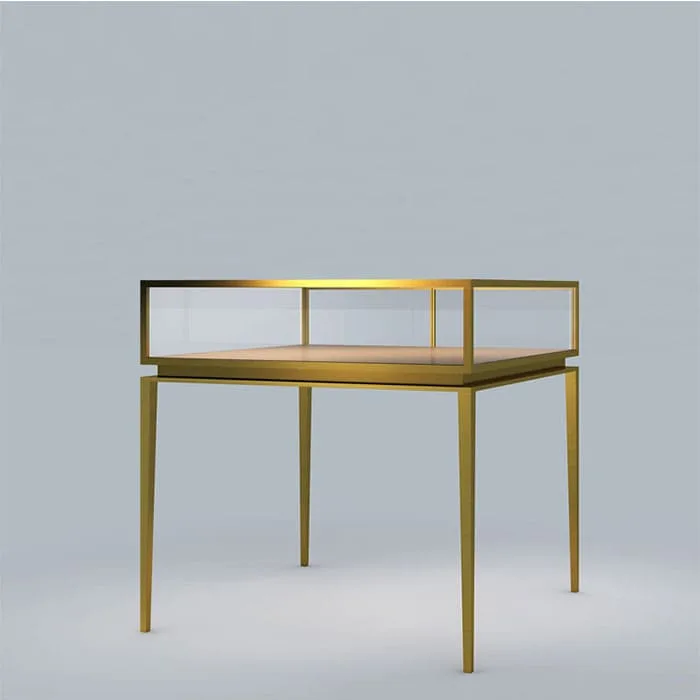
Metal display showcases are made of metal as the main material. Stainless steel, aluminum alloy, iron and other metals are commonly used. They are durable, fireproof, moisture-proof and easy to clean. The distinctive sheen and texture of metal improves how displayed items appear and makes metal display showcases popular in shopping malls, specialty stores, museums and other locations. Benson Display offers multiple metal display showcases suitable for any requirement you might have. Join me as we delve into the world of metal display showcases.


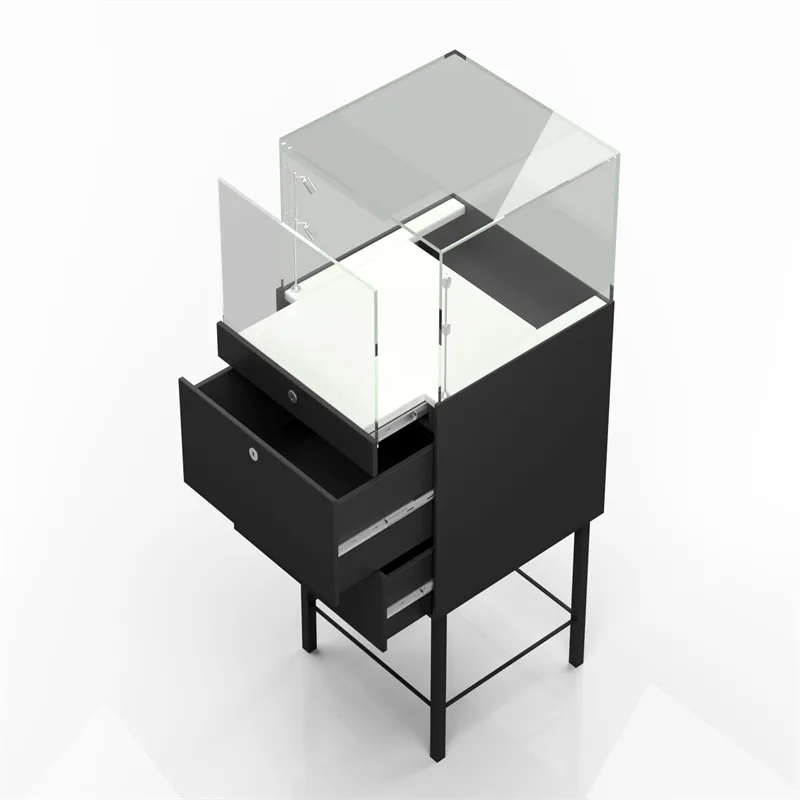
What are metal display showcases?
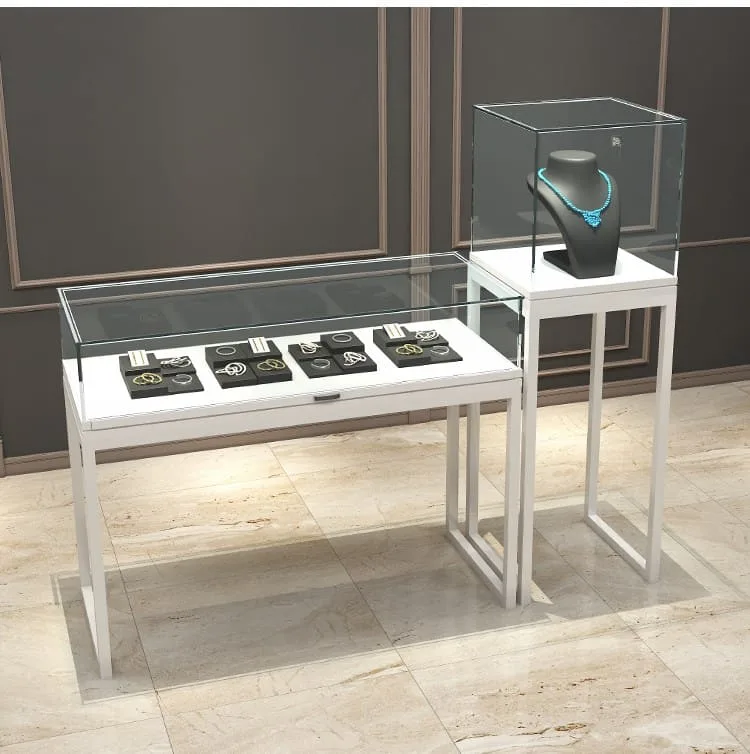
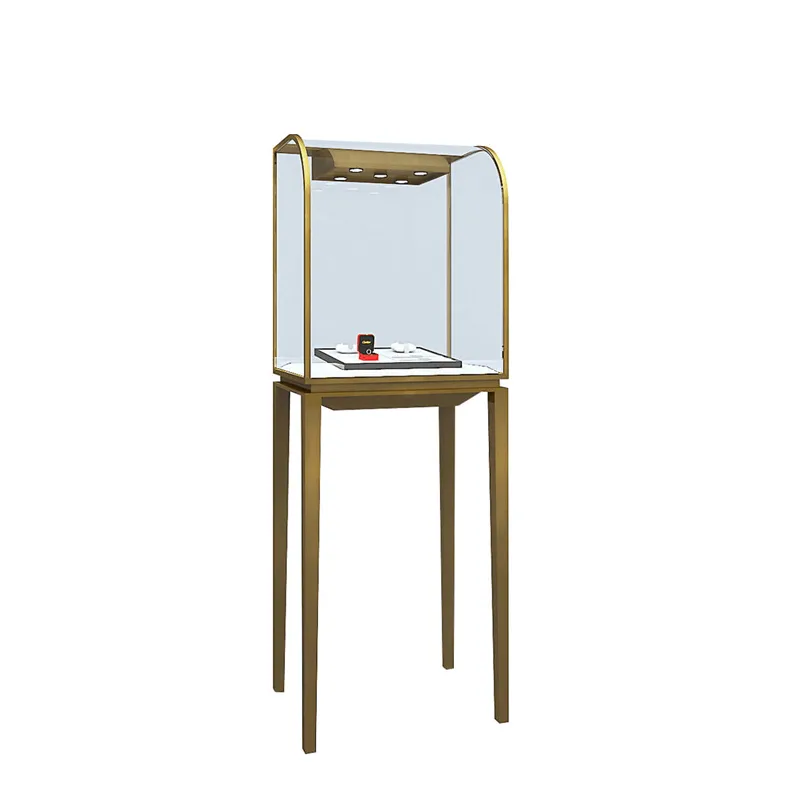
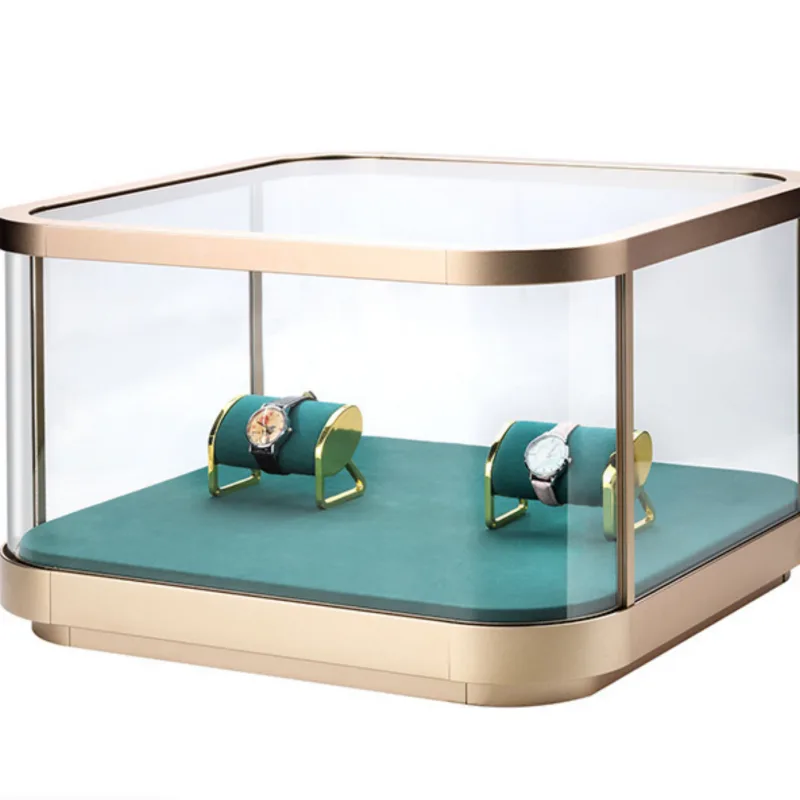
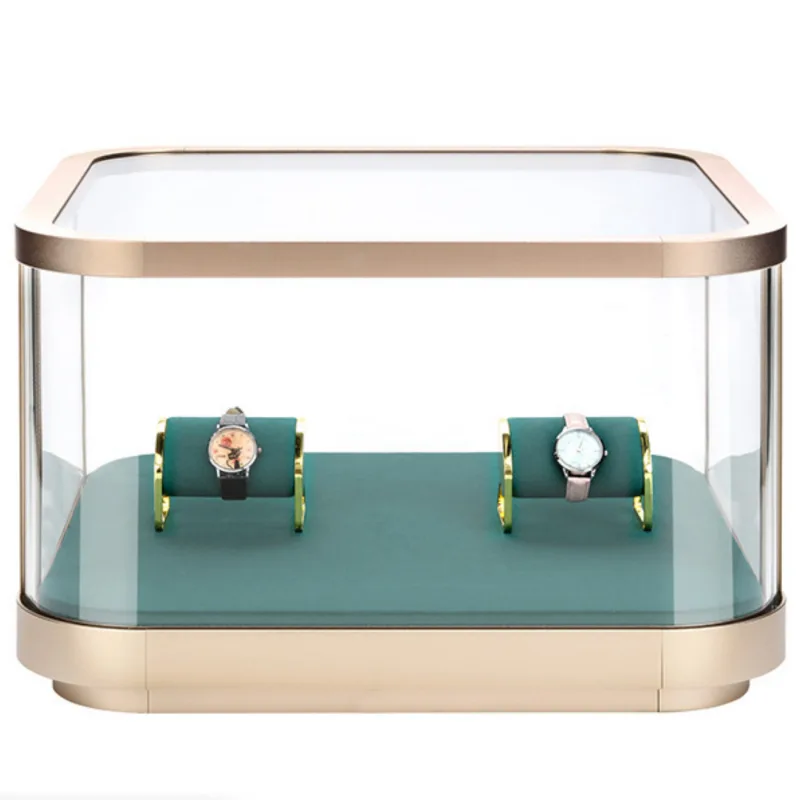
Using metal as the main material, display showcases serve purposes such as commercial displays and cultural exhibitions. The special sheen of metal displays delivers modern elegance while improving item presentation and creating a distinctive visual environment in their surroundings.
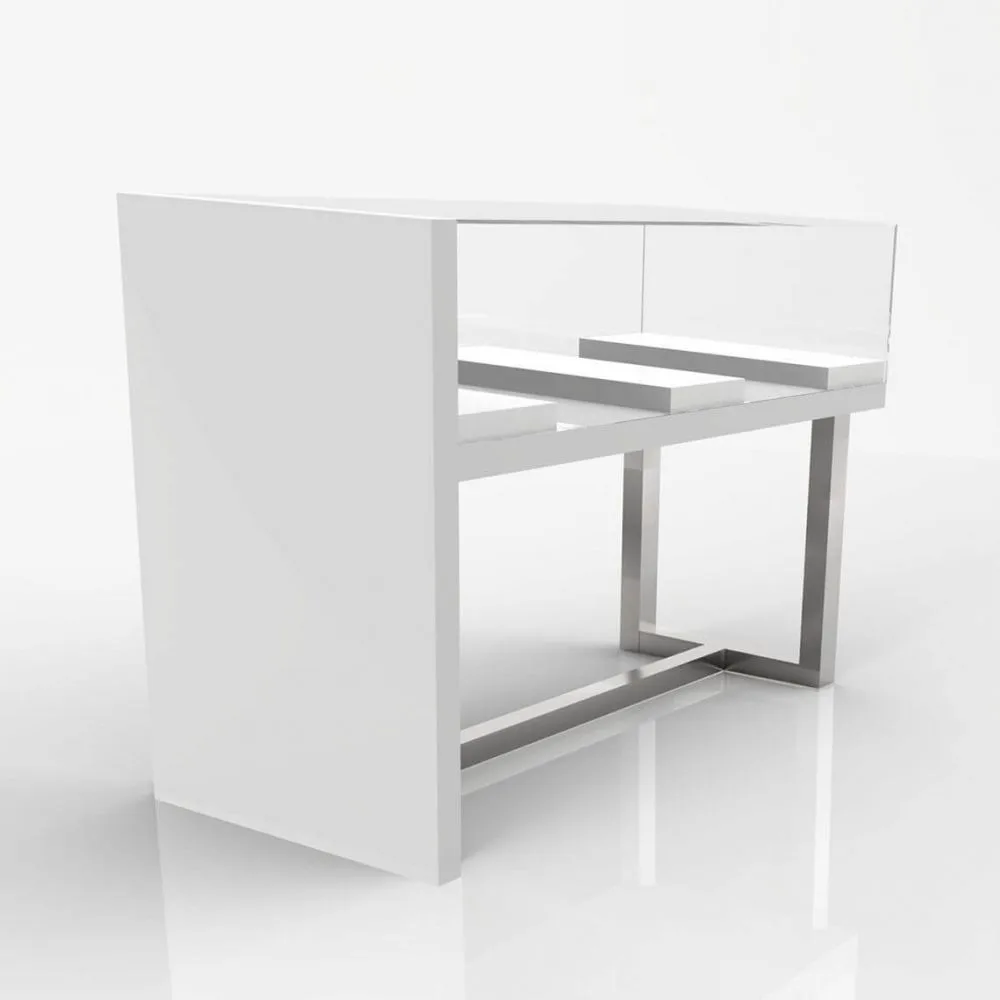
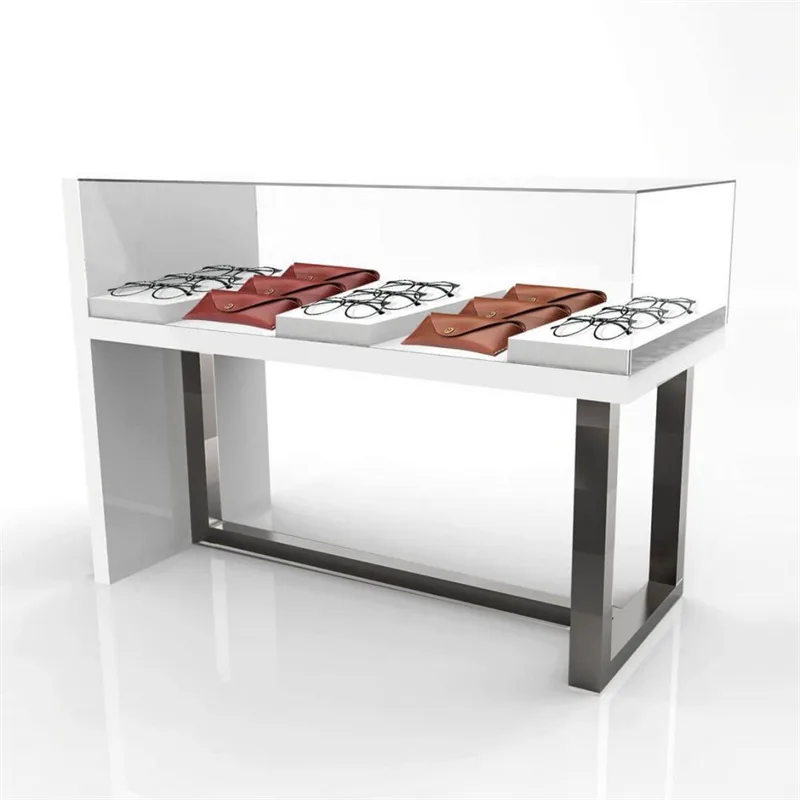
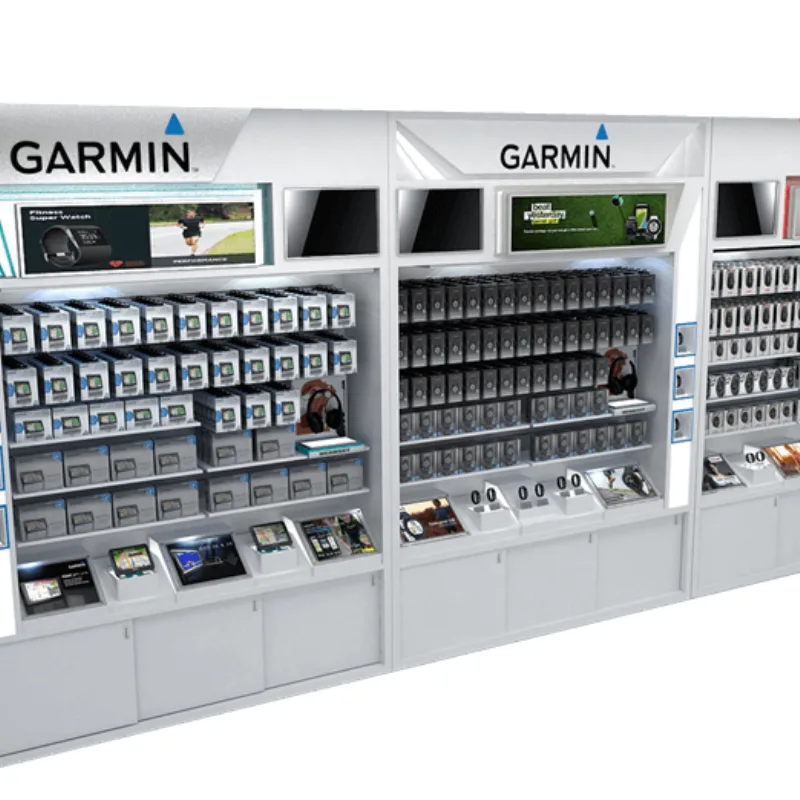
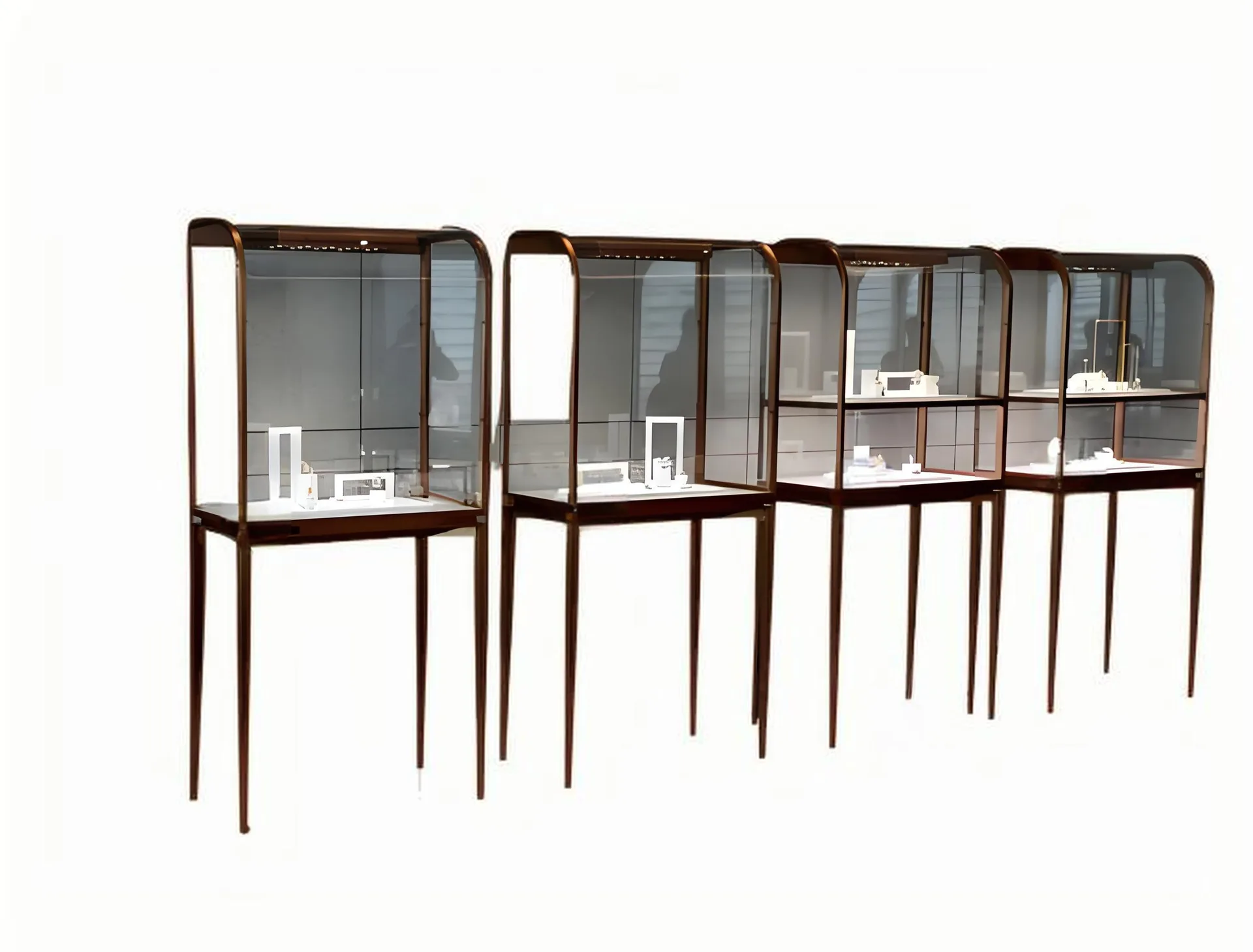
This display showcase model allows for diverse shapes and specifications to be customized according to specific requirements. The two most common structural designs for display showcases include independent and combined types. The independent structure fits small shops or scattered spaces while the combined type can join together to create extensive display arrays for big retail spaces. Metal displays can combine with glass and acrylic materials to create open or closed presentation styles and integrate additional systems such as lighting, locks, and temperature control.
Metal display showcases can be used to create rich visual effects by processing their surfaces. Brushing metal produces a delicate texture while revealing a subtle texture pattern. The paint processing technique offers multiple color choices that match various decorative designs. Electroplating results in enhanced metallic shine which creates an opulent atmosphere. Through welding, bending, engraving and other methods it is possible to create custom designs that include hollow carvings and special-shaped structures which fulfill the brand’s specific display requirements.
Material characteristics and advantages of metal display showcases
With a variety of material choices, metal display showcases achieve exceptional performance levels. Common materials used for display showcases include stainless steel and aluminum alloy together with iron art. Specific application requirements determine the selection of materials based on their unique properties.
Many metal display showcases use stainless steel as their primary material because it provides both impressive strength and resistance to corrosion while requiring minimal maintenance. Stainless steel display showcases preserve their brightness and cleanliness even when placed in humid coastal areas or active shopping malls. Surface finishing methods such as brushing and mirror polishing produce different visual effects on the material.
Aluminum alloy offers low density while providing excellent oxidation resistance and high structural strength. The material demonstrates top-tier molding abilities which support producing complex shapes with extrusion casting and several other techniques. Aluminum alloy display showcases are distinguished by their smooth look and unique hollow structure.
Iron art display showcases make a striking impression thanks to their rugged texture which pairs well with their old-fashioned charm. Artisans create detailed iron pieces that incorporate carvings and hollow structures through a combination of forging and welding along with supplementary methods. Retro-style shops and cafes often feature iron art display showcases alongside wooden shelves and glass elements to achieve an industrial yet nostalgic environment.
Structural and design innovation of metal display showcases
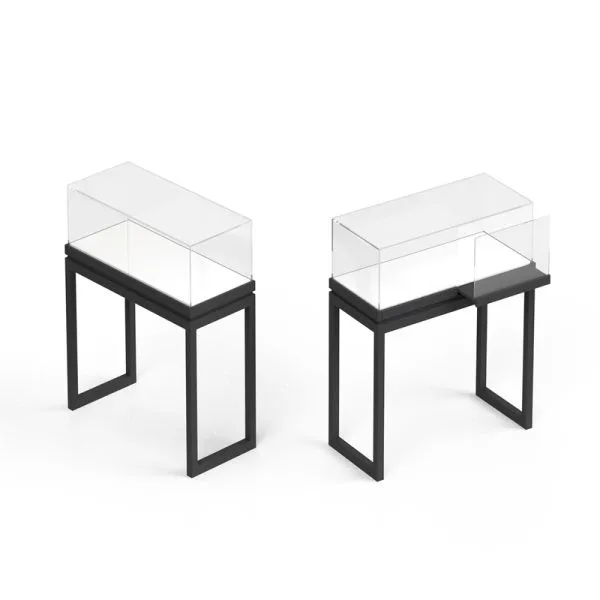
Merging form and function, these metal showcases elevate displays with meticulously arranged spaces and artisanal details
Available in three versatile designs – individual units, customizable clusters, and seamless built-ins – metal showcases adapt to any space. Independent display showcases work well for scattered spaces or highlighting specific items because they can stand alone as visual attractions like single product displays in specialty shops. Multiple units make up combined display showcases which allow flexible assembly to fit available space and specific display requirements. Large shopping malls and supermarkets frequently use them. Embedded display showcases attach to walls or other permanent structures which allow them to optimize space utilization while maintaining structural strength. Museums and libraries frequently feature collection display areas containing these units.
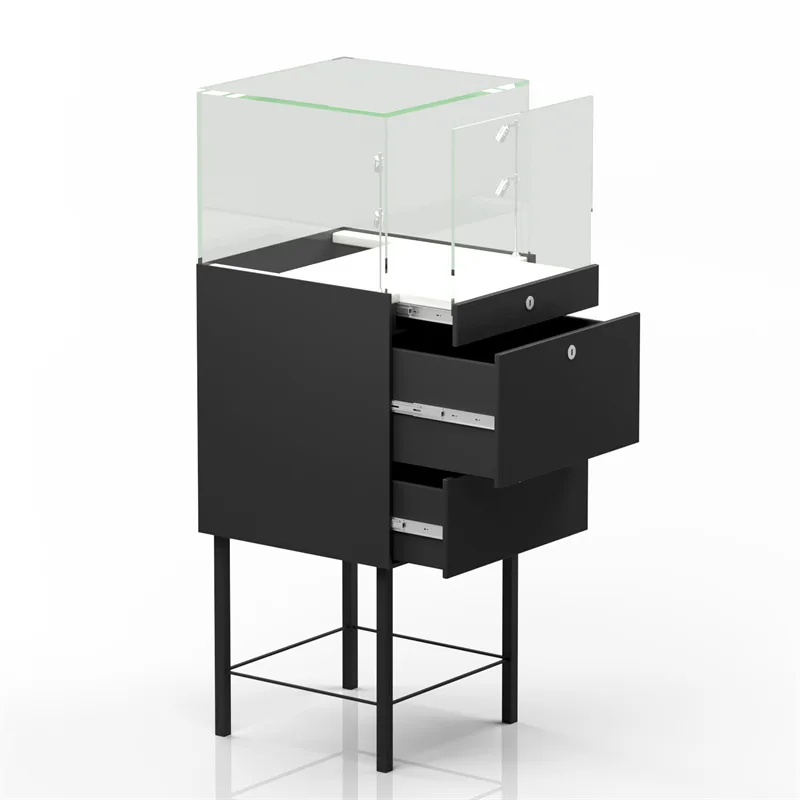
Internal structural design is important. Metal showcases usually adopt a three-section layout, with the cabinet body vertically divided into the top display area, the middle display area and the bottom functional area. The top display area is made of transparent glass and equipped with a professional lighting system to highlight key products or high-end goods. The middle display area occupies the main space of the showcase and is the core of the showcase. In order to adapt to different sizes and types of products, the showcase has adjustable shelf spacing and is equipped with accessories such as hooks, brackets and swivel brackets. Closed compartments are often employed in the bottom functional area for storing spare goods, packaging materials, and sales tools, ensuring the display area remains clean and organized. Meanwhile, some showcases have wheels installed at the bottom, allowing users to move and reposition them with ease.
Application of metal display showcases
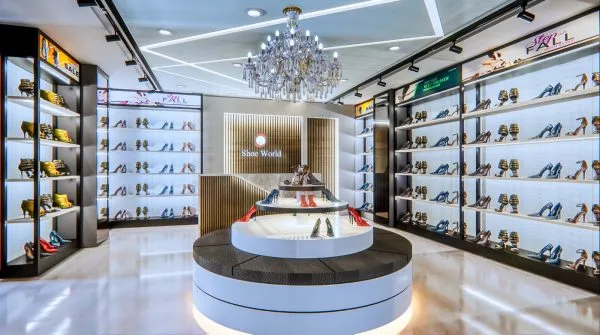
As essential retail components, metal display showcases enhance brand perception and directly contribute to sales conversion. High-end luxury stores combine stainless steel mirror display showcases with black velvet lining and precise spotlight lighting to showcase the luxurious texture of jewelry and watches while reinforcing their brand’s premium position. To draw in younger consumers, fast fashion brands prefer aluminum alloy display showcases because their simple lines and bright colors create a fashionable and vibrant shopping atmosphere with flexible display methods.
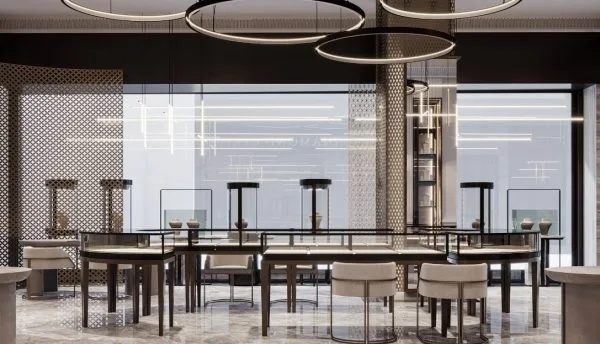
Specially designed metal showcases for cultural exhibitions combine artifact preservation with optimal viewing conditions for displayed objects. Museums typically use metal display showcases with strong stainless steel frames and glass with low reflectivity to keep cultural relics secure and stable while allowing visitors to clearly view the exhibits. Art galleries use metal display racks that focus on artistic design because they frequently use distinctive shapes and material blends to enhance modern artworks’ creativity and meaning.
From corporate offices to restaurants and modern homes, metal display showcases enhance diverse spaces with both function and style. A metal file display showcase functions as both storage and display equipment in the office to showcase corporate honor certificates along with product samples. The restaurant’s metal wine showcase serves dual functions by properly preserving fine wine and acting as a decorative centerpiece in the space.
Why choose metal display showcases?
1. Sturdy and durable, long service life: Metal display showcases consist of stainless steel, aluminum alloy and iron art materials which deliver substantial strength and superior resistance to impact. The cabinet doors remain undamaged because they resist deformation despite frequent use and heavy load in shopping malls and supermarkets. Metal’s corrosion resistance along with its moisture resistance and fire resistance allows it to function effectively across diverse environments.
2. High safety: Metal strength ensures reliable protection for display items while sturdy cabinetry and anti-theft locks prevent theft effectively with metal materials also providing non-combustible fire prevention. Metal display showcases present a lower fire risk than wood showcases in crowded areas while protecting both people and property.
3. Beautiful and fashionable, enhancing the style of the space: Metal displays a cold shine along with a modern surface appearance. Surface treatment processes like brushing, mirror polishing, baking paint and electroplating enable metal to adopt styles ranging from minimalist modern to retro industrial and light luxury fashion. Mirrored stainless steel display showcases with exquisite lighting represent luxury in high-end brand stores while retro coffee shops use iron display showcases with wooden elements to establish a nostalgic atmosphere that matches different design themes.
4. Strong functionality and flexibility: A metal’s excellent processing capability allows for a structural design that exhibits great diversity and richness. You can choose from independent, combined, or embedded styles to match any space layout while having adjustable shelves, hooks and brackets inside the cabinet to display items of all sizes, and you can pair it with glass or acrylic to create either open or closed displays. Certain display showcases include lighting systems as well as temperature and induction controls to boost display effectiveness and user convenience.
5. Easy to maintain and clean: The smooth metal surface repels stains and fingerprints which allows for easy daily cleaning with a damp cloth but stubborn stains can be eliminated using professional cleaning agents without harming the material resulting in effortless maintenance.
6. Environmentally friendly and recyclable: Metal is a recyclable material. The recyclable materials of the display showcase help minimize resource waste and environmental pollution when processed after the product’s lifespan concludes which supports both the environmental protection theme and sustainable development requirements.