
As a seasoned retail store fixtures manufacturer specializing in mall-based businesses, I’ve witnessed firsthand the transformative power of strategic kiosk investments. Among the most dynamic opportunities today is the purchase of a pre-owned sunglass kiosk, a compact yet impactful retail unit designed to cater to the ever-growing demand for eyewear. At Benson Display, I’ll guide you through the essentials of sunglass kiosks, evaluate their profitability (with a focus on brands like Sunglass Hut), explore design and pricing considerations, and break down the materials and displays that define these structures. Whether you’re an aspiring entrepreneur or a seasoned retailer, this deep dive will equip you with actionable insights to make informed decisions.
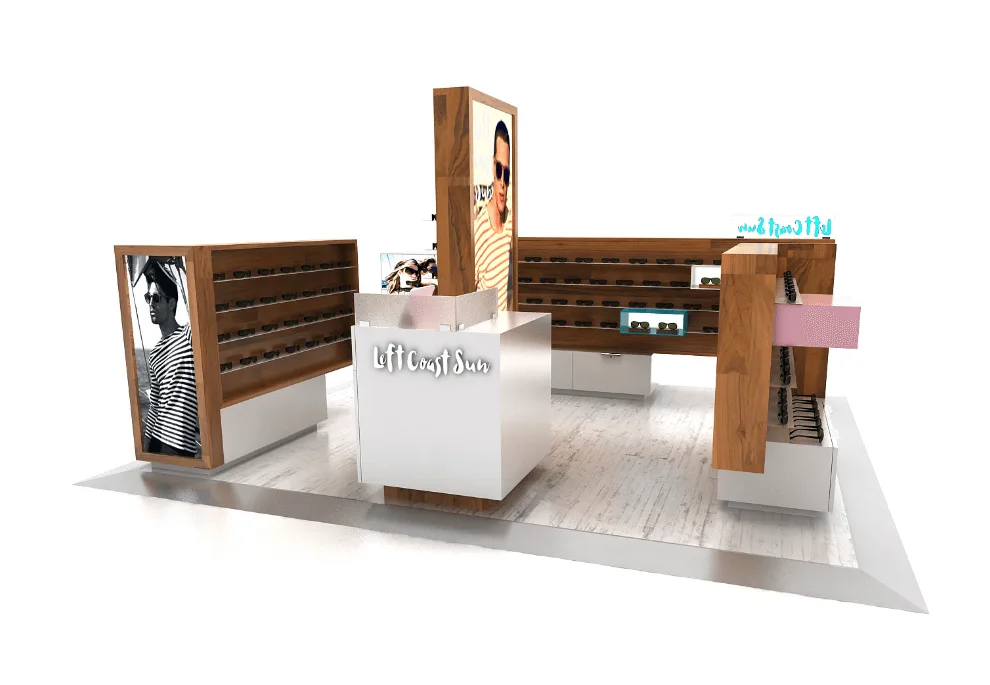
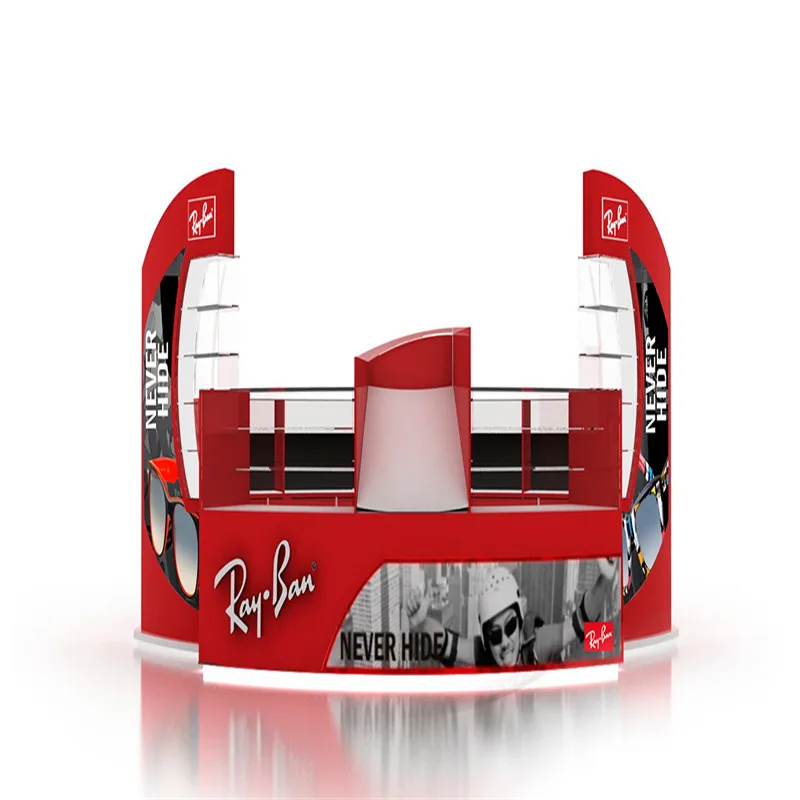
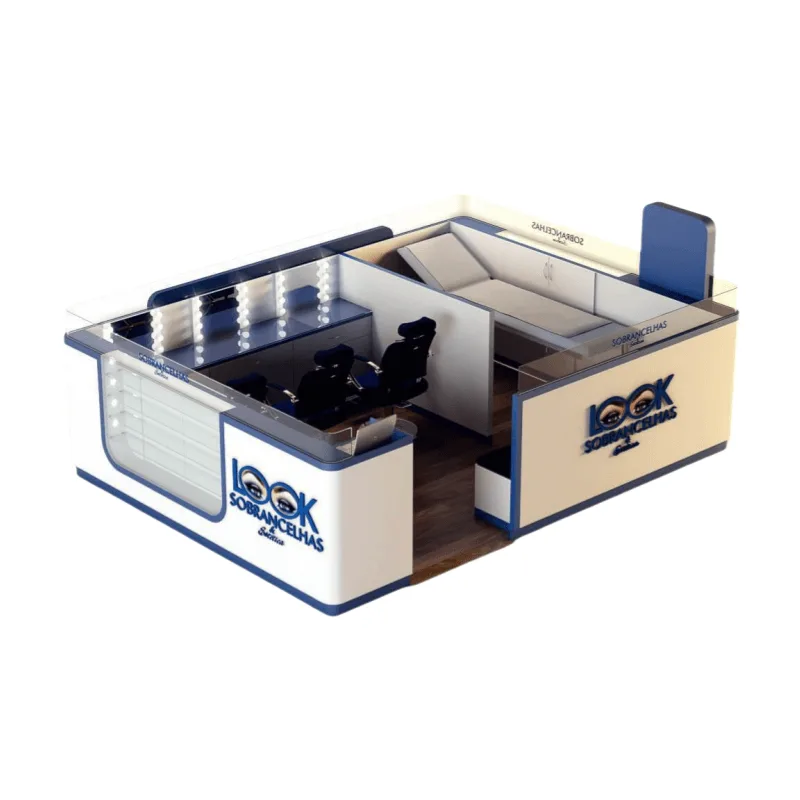
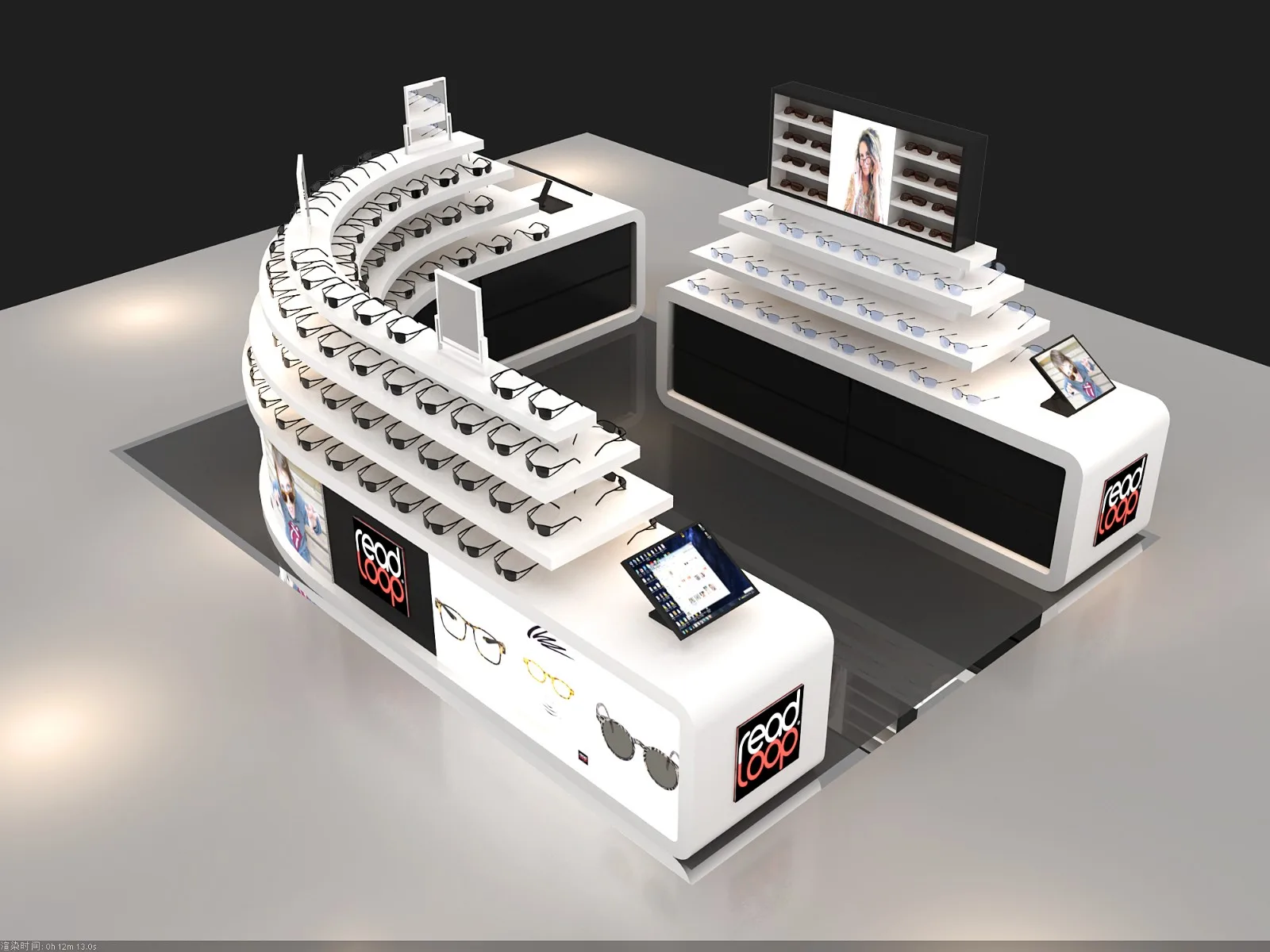
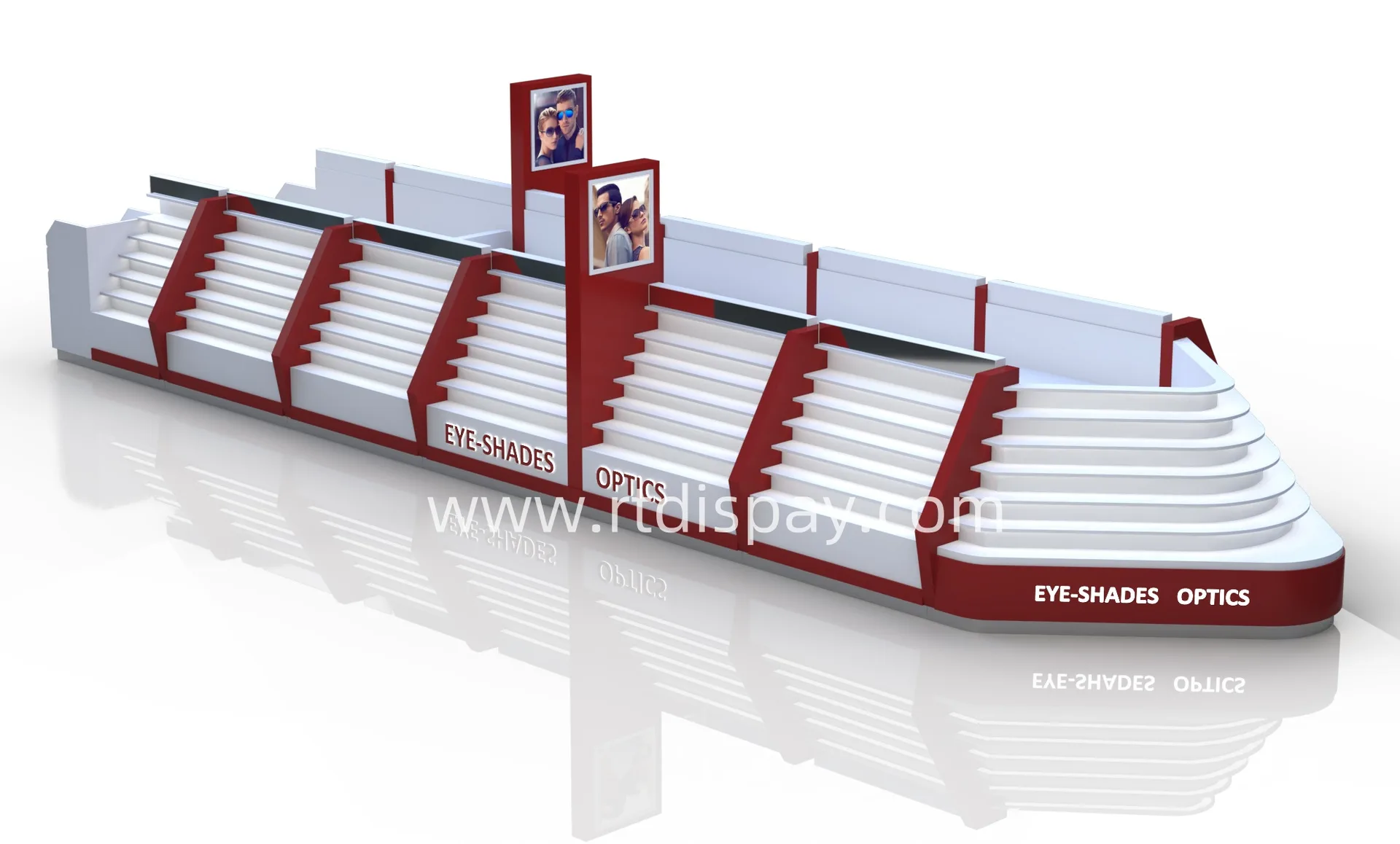
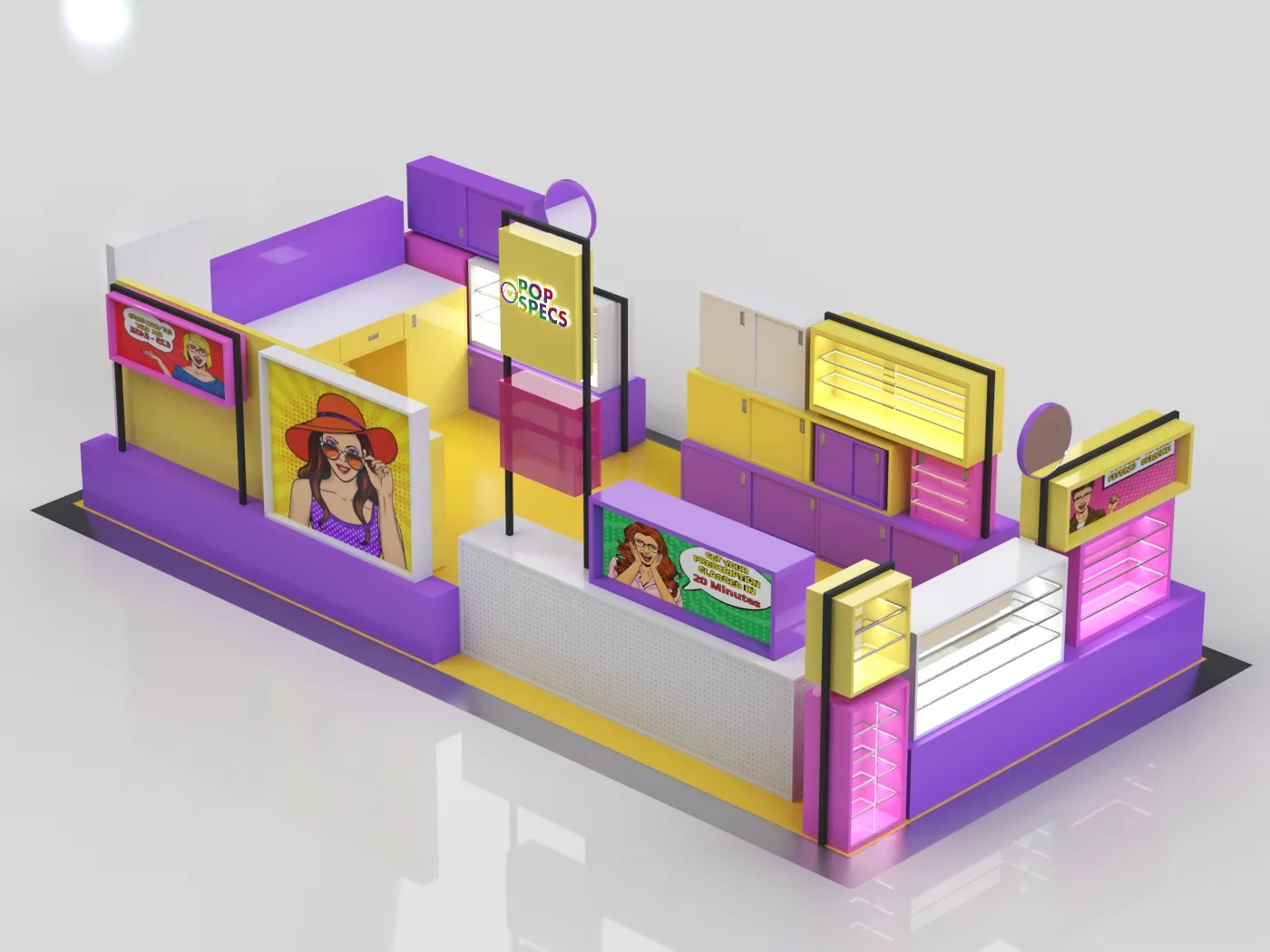
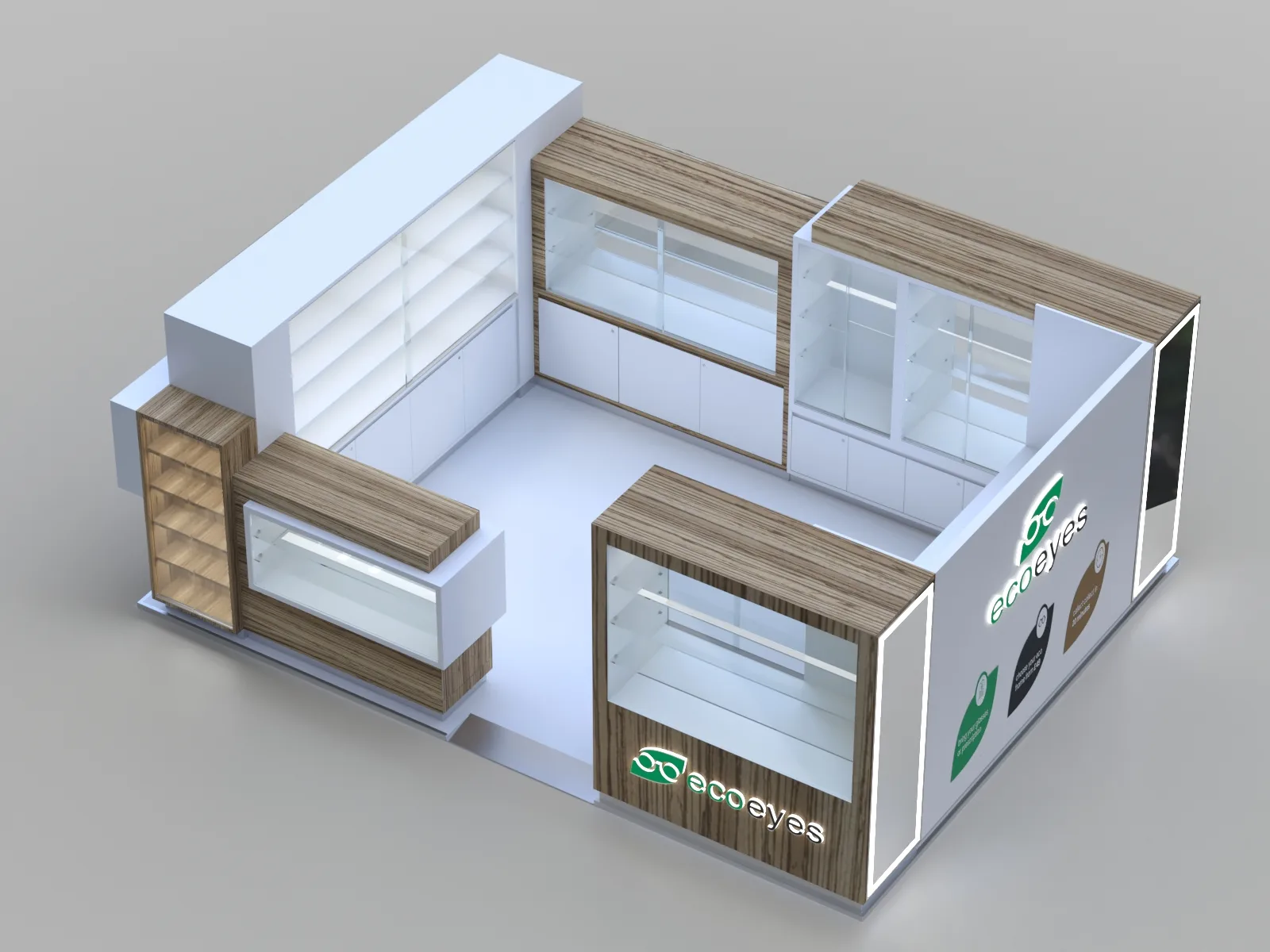
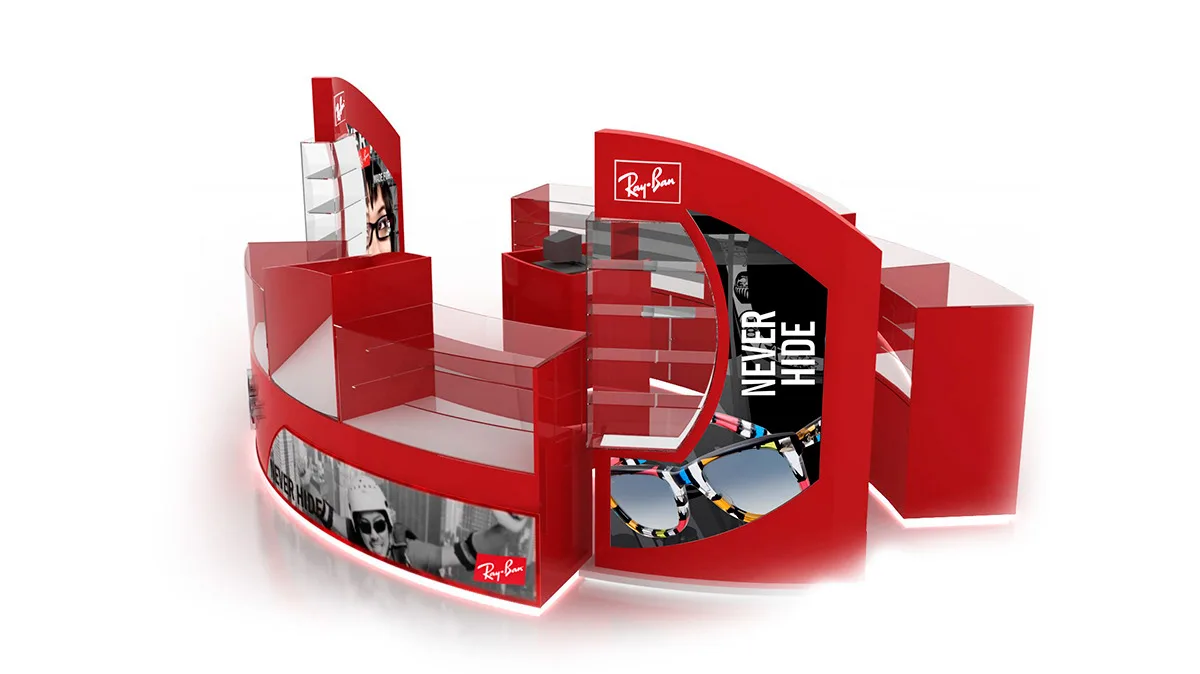
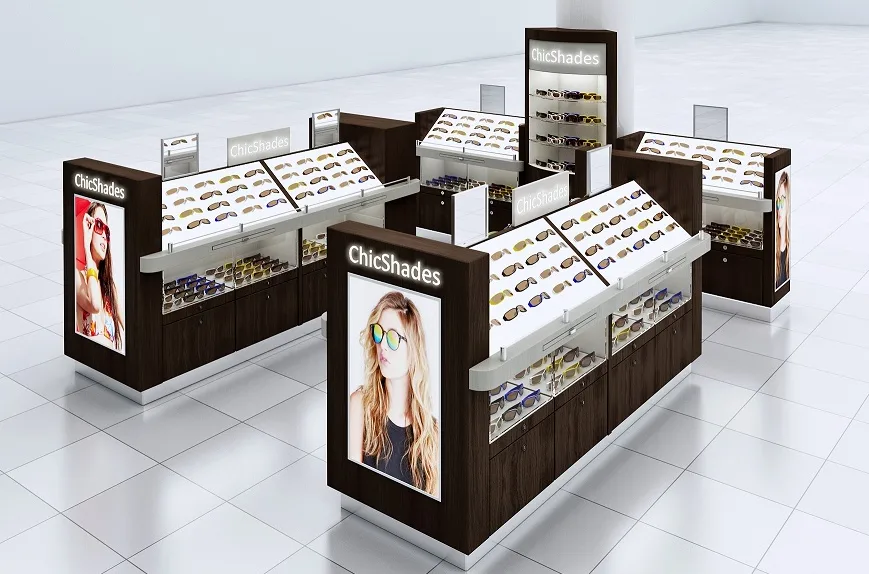
What Is a Sunglass Kiosk?: A sunglass kiosk is a modular, freestanding retail unit strategically positioned in high-traffic zones such as shopping malls, airports, or entertainment centers. Unlike traditional brick-and-mortar stores, these kiosks emphasize accessibility and visual appeal, featuring a curated selection of sunglasses that spans luxury brands and affordable fashion pieces. Their compact design enables retailers to leverage impulse purchases while keeping overhead costs low, making them a cost-effective alternative to larger retail spaces.
Industry professionals often describe these kiosks as “eye-catching hubs of style and convenience.” Engineered to maximize product visibility, they incorporate strategic layouts such as rotating displays, backlit panels, and open shelving. Many units also integrate interactive elements like digital screens or mirrored trial stations, enhancing the customer experience by blending functionality with modern aesthetics. Another key advantage lies in their mobility; operators can easily relocate kiosks within a mall to align with shifting foot traffic patterns, ensuring consistent visibility to potential buyers.
The evolution of sunglass kiosks mirrors broader shifts in retail strategy. Over the past decade, brands have increasingly adopted smaller, agile formats that cater to consumers’ growing preference for quick, engaging shopping experiences. This model reduces operational complexity and allows retailers to test new markets without the financial burden of long-term leases. By prioritizing flexibility and customer-centric design, sunglass kiosks have solidified their role as a staple in modern retail ecosystems.
Are Sunglass Hut Kiosks Profitable?
The profitability of a Sunglass Hut kiosk—or any sunglass kiosk—depends on multiple variables, including location, operational efficiency, and brand alignment. From my experience, well-positioned kiosks in premium malls can generate impressive margins, often outperforming traditional stores due to lower rent and staffing costs.
Sunglass Hut, a subsidiary of Luxottica, benefits from unparalleled brand recognition and exclusive partnerships with designers like Ray-Ban and Oakley. These factors create a competitive edge, driving foot traffic and justifying premium pricing. However, profitability isn’t guaranteed. Success hinges on meticulous site selection; a kiosk near anchor stores or food courts will likely see higher engagement than one tucked in a quiet corridor. Additionally, seasonal fluctuations—such as summer or holiday rushes—can significantly impact sales, necessitating adaptive inventory management.
I advise potential buyers to analyze key metrics: average transaction value, daily foot traffic, and lease terms. For instance, an eyeglass kiosk leasing at $2,000 monthly in a mall attracting 50,000 weekly visitors could achieve break-even faster than a larger storefront. Pairing strategic pricing (think 30–50% margins on designer brands) with lean staffing—often one to two employees—further amplifies profitability.
Design, Style, and Sizes of Sunglass Kiosks
When evaluating a used sunglass kiosk for purchase, design and size are critical to aligning with your brand and space constraints. Most units range from 50 to 200 square feet, with layouts optimized for either minimalist elegance or vibrant energy.
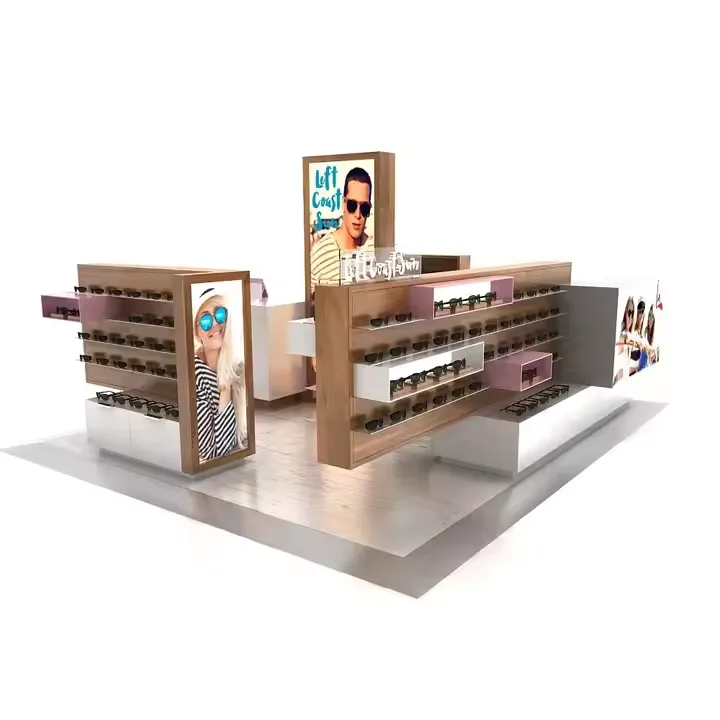
Design Philosophy: Modern eyewear kiosks favor sleek, angular lines and metallic finishes to convey luxury, while bohemian or youth-focused brands might opt for reclaimed wood or bold colors. I recommend prioritizing customer flow; open eyeglass kiosk designs with 360-degree access encourage browsing, whereas enclosed setups may feel restrictive. Lighting is another cornerstone—LED strips and spotlights highlight products and create an inviting ambiance.
Customization Potential: Many pre-owned eyewear kiosks offer modular components, allowing you to reconfigure eyeglass shelving or branding elements. For example, swapping out signage or adding a canopy can refresh the unit’s look without a full redesign. Always assess structural integrity, though; older units may require updates to meet current mall aesthetic standards.
Size Considerations: A 100-square-foot eyewear kiosk suits a mall’s central atrium, offering enough space for a diverse inventory without overwhelming shoppers. Smaller units (50–80 sq. ft.) work well in narrow corridors, focusing on bestsellers. Regardless of size, vertical storage solutions—like tiered eyeglass displays—maximize space efficiency.
Price Range of Mall-Used Sunglass Kiosks
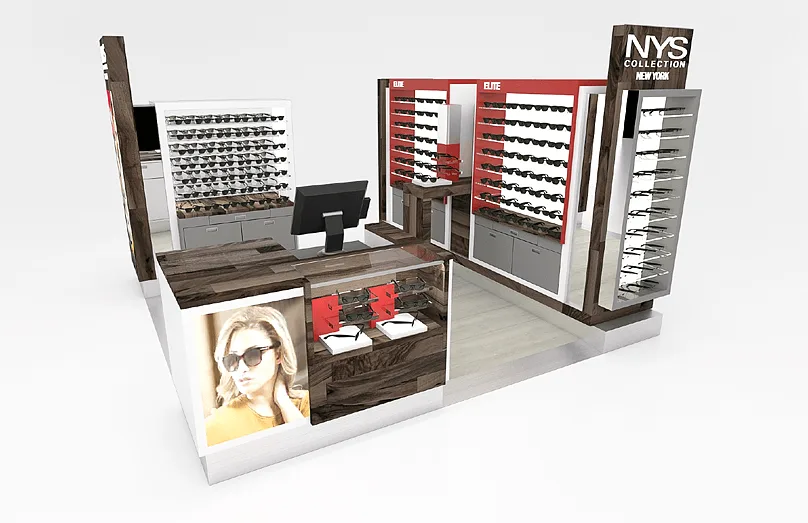
Investing in a pre-owned eyeglass kiosk can slash upfront costs by 40–60% compared to new builds. Based on recent market trends, prices typically fall into three tiers:
- Entry-Level ($15,000): These sunglasses kiosks are often basic in design, featuring static displays and minimal branding. Ideal for startups or budget-conscious buyers, they may require cosmetic upgrades or technical adjustments.
- Mid-Range ($30,000): Sunglass Display Units in this bracket usually include enhanced lighting, digital interfaces, and durable materials like powder-coated steel. They strike a balance between affordability and professionalism.
- Premium ($60,000+): High-end Sunglasses retail kiosks boast custom designs, premium materials (e.g., tempered glass, marble accents), and advanced tech integrations like touchscreens. These are best for established brands aiming to replicate a flagship store experience.
Remember to factor in ancillary costs: mall leasing fees, permits, and potential renovations. A $20,000 kiosk might ultimately require a $30,000 total investment after modifications.
Common Types of Sunglass Retail Displays
The well-designed displays serve as the lifeblood of a thriving sunglass kiosk, driving customer engagement and sales through strategic visual merchandising. Among the most widely adopted styles are spinning carousels and wall-mounted grids. Spinning carousels, characterized by rotating towers, enable shoppers to browse multiple brands effortlessly, making them ideal for compact, high-traffic spaces. While their dynamic design attracts attention, retailers must prioritize regular maintenance to ensure smooth operation. Wall-mounted grids, meanwhile, optimize vertical space by organizing sunglasses by style or color, creating a clean and intuitive shopping experience. When paired with mirrored backdrops, these grids enhance visual depth and subtly encourage customers to try on frames, boosting interaction and conversion rates. Together, these displays balance form and function, ensuring products remain both accessible and visually compelling.
Countertop trays represent another cornerstone of effective sunglass retail design, particularly for showcasing premium or delicate frames. These lockable trays merge security with accessibility, allowing customers to handle high-end designs without risking damage. Retailers often position them near checkout areas to capitalize on impulse purchases, leveraging their open layout to foster a welcoming atmosphere. The simplicity of countertop trays reinforces a kiosk’s premium branding while safeguarding inventory—a critical consideration for luxury-focused businesses. By combining practicality with minimalist aesthetics, these trays appeal to discerning shoppers seeking a hassle-free browsing experience.
Emerging technologies like AR-powered virtual try-ons are reshaping the future of sunglass displays, offering innovative ways to engage tech-savvy consumers. Though these interactive solutions require a higher initial investment, they differentiate kiosks in crowded mall environments and align with modern shopping preferences. Industry reports indicate that integrating AR mirrors can increase customer dwell time by up to 20%, as shoppers enjoy experimenting with digital try-ons. While traditional displays remain effective for their simplicity and cost-efficiency, forward-thinking retailers increasingly adopt tech-driven solutions to stay competitive. Whether prioritizing classic efficiency or cutting-edge innovation, the right display strategy transforms a kiosk from a static sales point into a dynamic retail destination.
Materials Used in Sunglass Kiosk Construction
The construction of sunglass kiosks prioritizes materials that balance durability with visual appeal. Metals such as aluminum and stainless steel are commonly chosen for their rust-resistant properties and ability to provide sturdy structural support. Lightweight yet shatterproof acrylic panels serve as a practical choice for signage and display cases, ensuring both safety and clarity. For a warmer, more inviting aesthetic, wood composites like medium-density fiberboard (MDF) laminated with veneers are frequently used, offering an affordable way to incorporate style without compromising on functionality. These materials collectively create kiosks that are resilient, visually engaging, and tailored to high-traffic retail environments.
Lighting design also plays a critical role in sunglass kiosk construction. Energy-efficient LED fixtures are widely favored for their cost-effectiveness over time and their ability to minimize UV radiation, which can degrade sunglass frames and displays. By integrating LEDs, kiosks maintain bright, attractive illumination while reducing long-term operational expenses. This strategic combination of materials and lighting ensures that sunglass kiosks remain both functional and aesthetically cohesive, enhancing product visibility and customer experience.
Conclusion: Is a Sunglass Kiosk Right for You?
In closing, a mall-used sunglass kiosk represents a compelling blend of affordability, flexibility, and profit potential. By prioritizing strategic design, meticulous location scouting, and customer-centric displays, you can carve out a lucrative niche in the competitive eyewear market. As you weigh your options, remember that success lies not just in the kiosk itself, but in how effectively you adapt to evolving consumer desires. Ready to take the next step? Let’s transform that vision into a thriving reality.