
A candy and gift shop serves more than one shopping trip. One visitor wants a small treat; another needs a present, a card and wrapping. A useful retail layout lets both shoppers understand the range without forcing them through the same route. Start with those tasks, then assign space to the fixtures that support them.
The ideas below focus on product relationships, checkout space and day-to-day operation. They are planning options to test in your own store, not a promise of higher sales. Keep the existing floor plan and sales pattern as a baseline before changing the arrangement.
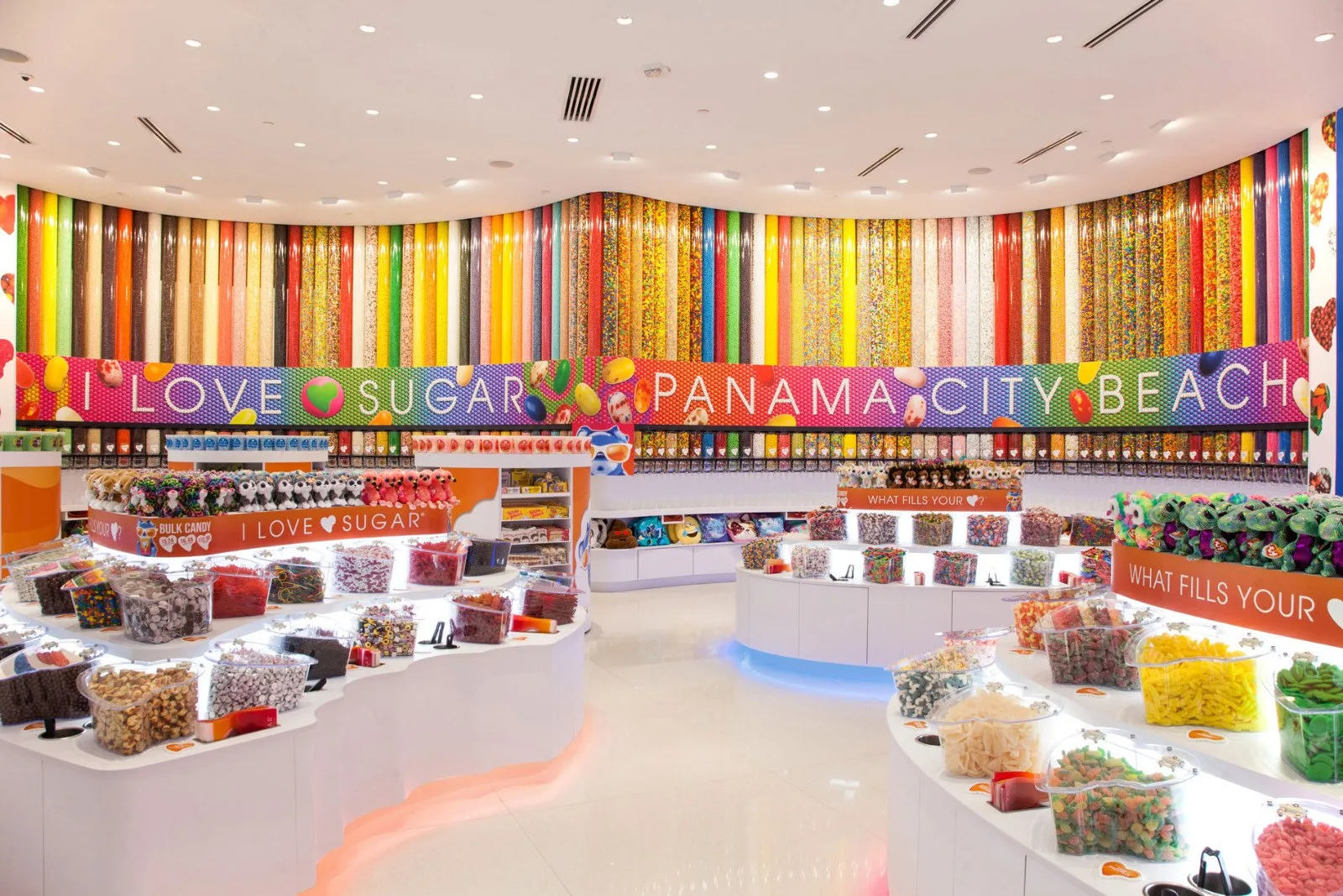
Connect Candy and Gift Shopping Without Mixing Every Product
Give each range a recognizable home, then create a small transition between related items. Packaged sweets can sit near gift bags, while a seasonal gift table can combine a ready-made candy box with a card. This makes the relationship visible without scattering the same stock throughout the shop.
Keep loose candy handling separate from gift-wrapping work. Think about where scoops, bags and labels are stored, and where staff place a partly wrapped present. A shared visual theme does not require a shared working surface. Use shelf labels and consistent presentation to help shoppers distinguish individual treats from complete gift sets.
Give the Checkout a Clear Working Area
Sketch the transaction before choosing a counter display: a customer puts down merchandise, staff scan or weigh it, payment is completed, and the purchase is packed. Reserve space for those actions first. Small add-on items belong outside that working area rather than around every device or bagging surface.
Choose a limited group of easy-to-understand products near the queue, with visible prices. Watch whether customers can browse without leaving the queue or blocking others. If wrapping takes longer than a typical candy purchase, consider how a waiting gift order can be handled without stopping the next transaction.
Use a Seasonal Display Zone With a Defined Footprint
A flexible island can change from holiday gift bundles to smaller everyday selections, but it still needs a planned position. Mark its maximum footprint, including projecting merchandise, signs and any customer activity around it. Check the layout in both its busiest and simplest configurations.
Plan where unused shelves, signs and props will be stored between campaigns. Before selecting movable fixtures, confirm their intended load, stability, locking arrangements and floor compatibility. A display that can move is not automatically suitable for frequent rearrangement while the store is open.
Check Sightlines and Replenishment Together
View the plan from the entrance, checkout and the points where customers choose a route. Tall fixtures can conceal lower displays or make a small store harder to understand. Compare the arrangement at different viewing heights instead of judging it only from a top-down drawing.
Then trace a staff refill trip from storage to each candy display. Allow for open lids, cartons and removal of containers, not only the fixture's closed dimensions. Passage widths, accessibility and exit arrangements need review against the actual site requirements; a single aisle measurement is not a universal solution.
Evaluate Whether the New Layout Is More Profitable
Set a question for each change. Does placing gift packaging beside boxed candy make the range easier to find? Does a smaller checkout display leave more room for packing? Record observations before and after the change, and note promotions, holidays or stock differences that could affect the comparison.
- Compare sales and margin for the affected product group, not just total turnover.
- Record staff time spent replenishing, wrapping and moving displays.
- Watch for queue congestion, abandoned items and frequently requested directions.
- Include fixture and installation costs when evaluating the result.
A larger basket does not by itself prove that a layout change improved profit. Keep the features that help the shop operate and revise those that add work without a useful benefit.
Prepare a Candy and Gift Store Fixture Brief
Send Benson Display a measured plan, photographs, merchandise categories and the fixture quantities you are considering. Identify the checkout equipment, wrapping needs and seasonal zone. Mark fixed services and explain which parts of the current layout work well.
For container planning, compare acrylic candy bins and boxes. Use the retail display planning guide to organize dimensions and approval questions, or send your store layout enquiry. The proposed materials, measurements and included services should be clear before an order is agreed.